

As the chill of winter recedes and the days grow longer, spring emerges as a prime season for hiking enthusiasts. The vibrant colours of blooming flowers and the invigorating scents of fresh foliage beckon adventurers to explore the great outdoors. To fully immerse oneself in this delightful experience, it is essential to equip oneself with a robust vocabulary that encapsulates the essence of spring hiking.
This lexicon not only enhances communication among fellow hikers but also enriches one’s appreciation of nature’s beauty. Understanding the specific terminology associated with spring hiking can significantly elevate your outdoor experience. From the names of various trails to the descriptions of flora and fauna, having a grasp of this vocabulary allows for a deeper connection with the environment.
Whether you are a seasoned hiker or a novice, familiarising yourself with these terms will enable you to navigate the trails with confidence and engage in meaningful conversations about your adventures.
Summary
- Spring hiking vocabulary covers essential terms related to gear, flora, fauna, and trail navigation.
- Understanding weather and safety vocabulary is crucial for a secure outdoor experience.
- Recognising different trail types and environments enhances hiking enjoyment.
- Descriptive language helps capture the sights and sounds unique to springtime nature.
- Conversational phrases improve communication and camaraderie among fellow hikers.
Essential Gear and Equipment for Spring Hiking
When embarking on a spring hiking expedition, having the right gear is paramount. The unpredictable nature of spring weather necessitates a well-thought-out selection of equipment. A sturdy pair of waterproof hiking boots is essential, as they provide support and traction on potentially muddy or slippery trails.
Additionally, breathable clothing layers are crucial; they allow for temperature regulation as you traverse varying elevations and encounter changing weather conditions. In addition to footwear and clothing, other essential gear includes a reliable backpack, which should be spacious enough to carry water, snacks, and any additional layers you may need. A good-quality map or GPS device is also vital for navigation, especially in areas where trails may not be well-marked.
Furthermore, don’t forget to pack a first-aid kit, as well as tools for hydration, such as a water bottle or hydration bladder, to ensure you stay refreshed throughout your hike. Secure your spot: Register for Norwegian spring courses in Oslo.
Identifying Flora and Fauna in the Spring

Spring is a time of renewal in nature, and the awakening of flora and fauna is one of its most enchanting aspects. As you hike through lush landscapes, you will encounter a plethora of plant species that burst into life after the winter slumber. Familiarising yourself with common spring flowers, such as daffodils, bluebells, and primroses, can enhance your appreciation for the beauty surrounding you.
Each flower has its own unique characteristics and significance within the ecosystem. In addition to plants, spring heralds the return of various animal species that have migrated or emerged from hibernation. Birdwatching becomes particularly rewarding during this season, as many birds engage in courtship displays and nesting activities.
Learning to identify common birds by their songs and calls can add an exciting dimension to your hiking experience. Observing wildlife in its natural habitat fosters a sense of connection with nature and encourages respect for the delicate balance of ecosystems.
Navigating Terrain and Trail Markers
Navigating diverse terrains is an integral part of any hiking adventure. Spring trails can vary significantly in difficulty, from gentle slopes to steep inclines, and understanding how to read trail markers is essential for safe navigation. Trail markers often come in the form of painted blazes on trees or posts, indicating the path to follow.
Familiarising yourself with these symbols can prevent confusion and ensure you stay on course. Moreover, being aware of the terrain itself is crucial for a successful hike. Spring trails may be muddy or uneven due to melting snow or recent rainfall.
Recognising potential hazards such as loose rocks or slippery surfaces will help you maintain your footing and avoid accidents. Developing an understanding of how to assess trail conditions will not only enhance your safety but also allow you to enjoy the journey without unnecessary worry.
Weather and Environmental Vocabulary for Spring Hiking
| Term | Definition | Example Sentence | Category |
|---|---|---|---|
| Trail | A path or track made for walking or hiking through natural areas. | We followed the trail through the forest to reach the waterfall. | Pathways |
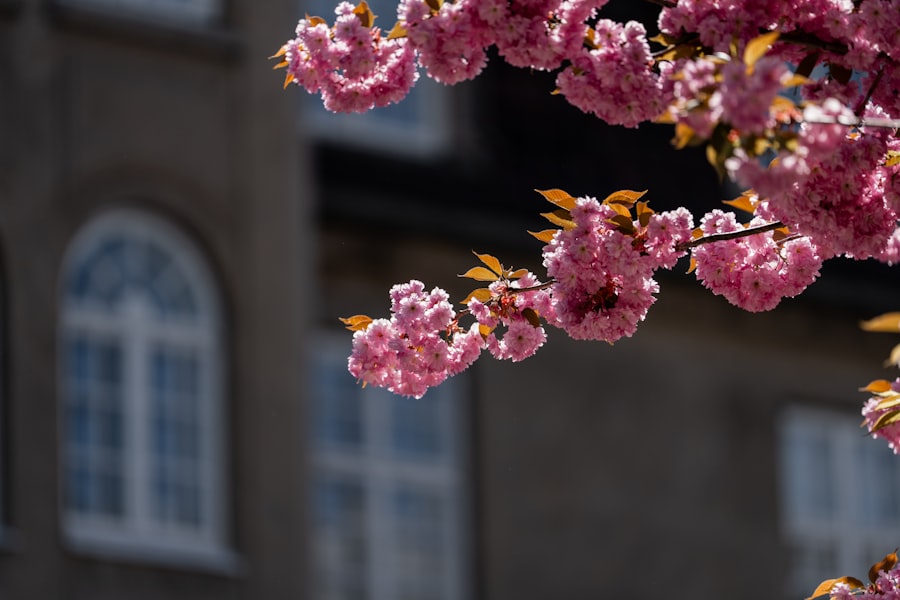
| Blossom | The flower or group of flowers on a tree or plant, especially in spring. | The cherry trees were covered in pink blossoms. | Flora |
| Wildlife | Animals living in their natural environment. | We spotted some deer and rabbits while hiking. | Fauna |
| Canopy | The upper layer of trees and branches in a forest. | The sunlight filtered through the dense canopy above. | Forest Structure |
| Stream | A small, narrow river. | We rested beside a clear stream to refill our water bottles. | Water Features |
| Wildflower | A flower that grows naturally in the wild, not planted. | The meadow was full of colourful wildflowers in spring. | Flora |
| Summit | The highest point of a hill or mountain. | After a long climb, we reached the summit and enjoyed the view. | Landforms |
| Backpack | A bag carried on the back, used to carry supplies during a hike. | Make sure your backpack is packed with essentials for the hike. | Equipment |
| Wildlife Spotting | The activity of observing animals in their natural habitat. | Early morning is the best time for wildlife spotting. | Activities |
| Underfoot | The surface or ground beneath one’s feet. | The ground was soft and muddy underfoot after the rain. | Descriptive Terms |
Spring weather can be notoriously fickle, making it essential for hikers to be prepared for a range of conditions. Familiarising yourself with weather-related vocabulary can help you make informed decisions about your hiking plans. Terms such as “overcast,” “drizzle,” and “gusty winds” are important to understand when checking forecasts or discussing conditions with fellow hikers.
Additionally, being aware of environmental vocabulary can deepen your appreciation for the natural world around you. Words like “biodiversity,” “ecosystem,” and “habitat” provide context for understanding the intricate relationships between different species and their environments. This knowledge not only enriches your hiking experience but also fosters a sense of responsibility towards preserving these precious ecosystems for future generations.
Safety and Emergency Vocabulary for Outdoor Adventures
Safety should always be a top priority when embarking on outdoor adventures, particularly during spring when conditions can change rapidly. Familiarising yourself with safety vocabulary is crucial for effective communication in case of emergencies. Terms such as “first aid,” “emergency kit,” and “signal for help” are essential components of any hiker’s lexicon.
In addition to understanding safety terminology, it is vital to know how to respond in various situations. For instance, knowing how to describe your location accurately can be invaluable if you need assistance. Phrases like “I am at the intersection of two trails” or “I am near a river crossing” can help rescuers locate you more efficiently.
Being prepared with this vocabulary not only enhances your safety but also empowers you to assist others in need.
Types of Spring Hiking Trails and Environments
Spring offers a diverse array of hiking trails that cater to different preferences and skill levels. From coastal paths that wind along rugged cliffs to serene forest trails adorned with blooming wildflowers, each environment presents its own unique charm. Understanding the types of trails available can help you choose an adventure that aligns with your interests.
For those seeking a challenge, mountainous trails provide breathtaking views and exhilarating ascents. Conversely, gentle riverside walks offer a more leisurely experience, perfect for families or those looking to enjoy a peaceful day in nature. By exploring various types of trails, you can discover new landscapes and create lasting memories while embracing the beauty of spring.
Describing the Sights and Sounds of Spring in Nature
One of the most delightful aspects of spring hiking is the sensory experience it offers. The sights and sounds of nature come alive during this season, creating an immersive atmosphere that captivates hikers. Describing these elements can enhance your appreciation for the environment and allow you to share your experiences with others.
As you hike through blooming meadows, take note of the vibrant colours that surround you—lush greens, vivid yellows, and soft pinks create a stunning tapestry against the backdrop of blue skies. The sounds of chirping birds, rustling leaves, and babbling brooks add an auditory dimension to your adventure, creating a symphony that celebrates the arrival of spring. By articulating these sensations, you can inspire others to embark on their own outdoor journeys.
Expressions for Enjoying and Appreciating the Outdoors in Spring
Spring is a time for celebration and appreciation of nature’s beauty, and having a repertoire of expressions can help convey your enthusiasm during hikes. Phrases such as “What a stunning view!” or “The fragrance of these flowers is delightful!” encapsulate the joy that comes from being immersed in nature’s splendour. Sharing these sentiments with fellow hikers fosters camaraderie and enhances the overall experience.
Moreover, expressing gratitude for the opportunity to explore the outdoors can deepen your connection with nature. Simple phrases like “I feel so lucky to be here” or “This is exactly what I needed” reflect an appreciation for the healing power of nature. By vocalising your enjoyment, you not only uplift your own spirits but also inspire those around you to embrace the beauty of their surroundings.
Conversational Phrases for Communicating with Fellow Hikers
Engaging in conversation with fellow hikers can enrich your outdoor experience and create lasting connections. Familiarising yourself with conversational phrases specific to hiking can facilitate communication and foster camaraderie on the trails. Simple greetings like “Hello!” or “How are you enjoying the hike?” can initiate friendly exchanges that enhance your journey.
Additionally, discussing trail conditions or sharing recommendations can lead to valuable insights from fellow adventurers. Phrases such as “Have you hiked this trail before?” or “What do you think about the weather today?” encourage dialogue that can enhance your understanding of the area and provide tips for future hikes. Building connections through conversation not only makes hiking more enjoyable but also creates a sense of community among outdoor enthusiasts.
Incorporating Spring Hiking Vocabulary into Your Outdoor Adventures
Incorporating spring hiking vocabulary into your outdoor adventures can significantly enhance your experience in nature. From understanding essential gear to appreciating the sights and sounds around you, having a robust lexicon allows for deeper engagement with both fellow hikers and the environment itself. As you explore diverse trails and encounter various flora and fauna, this vocabulary will empower you to communicate effectively and share your passion for the outdoors.
Ultimately, embracing this vocabulary not only enriches your own experiences but also fosters a sense of responsibility towards preserving our natural landscapes for future generations. As spring unfolds its beauty each year, let us celebrate it by immersing ourselves in nature’s wonders while communicating our love for the great outdoors through shared language and expression. So lace up your hiking boots, grab your gear, and embark on an adventure filled with discovery—armed with the vocabulary that will make every step more meaningful!