
As the world confronts pressing environmental challenges, understanding vocabulary related to the environment and climate is increasingly vital. For those preparing for the Norskprøven, Norway’s official language proficiency test, mastering this specific lexicon is essential. The Norskprøven evaluates not only language skills but also the ability to engage in discussions about contemporary issues, including climate change and environmental sustainability.
A solid grasp of relevant vocabulary can significantly enhance a candidate’s performance on the test. The Norskprøven covers various topics, with the environment being a key area of focus. Candidates must demonstrate their ability to articulate thoughts and opinions on environmental matters, making it imperative to become familiar with the associated terminology.
This article provides a comprehensive overview of essential vocabulary related to the environment and climate, equipping learners with the necessary tools to excel in their language proficiency journey.
Summary
- The article provides essential vocabulary related to environment and climate for the Norskprøven test.
- It covers common terms for weather, climate conditions, and environmental issues.
- Key phrases include those for renewable energy, pollution, biodiversity, and conservation.
- Important expressions focus on climate change, global warming, and sustainability.
- Tips are offered to help learners improve their environmental vocabulary effectively.
Common Terms and Phrases Related to Environment and Climate
Understanding common terms and phrases related to the environment and climate is fundamental for anyone preparing for the Norskprøven. Words such as “miljø” (environment), “klima” (climate), and “bærekraft” (sustainability) form the backbone of discussions surrounding ecological issues. These terms are frequently used in both written and spoken contexts, making them vital for effective communication.
Moreover, phrases like “klimaendringer” (climate change) and “global oppvarming” (global warming) are essential for articulating concerns about the planet’s future. Candidates should also be familiar with expressions such as “fornybar energi” (renewable energy) and “klimagassutslipp” (greenhouse gas emissions), which are often encountered in discussions about energy sources and their impact on the environment. By mastering these terms, learners can engage more confidently in conversations about pressing environmental issues. Master the Norskprøven: Enrol in our preparation courses at NLS Norwegian Language School today.
Vocabulary for Weather and Climate Conditions
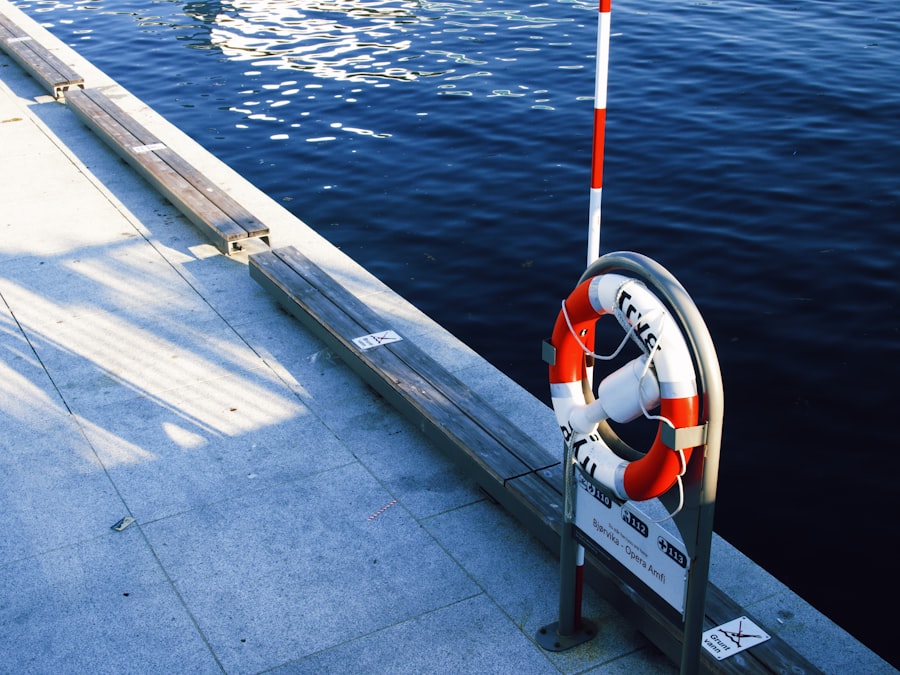
When discussing the environment, it is crucial to have a robust vocabulary related to weather and climate conditions. Terms such as “vær” (weather), “temperatur” (temperature), and “nedbør” (precipitation) are fundamental for describing daily weather patterns. Additionally, understanding phrases like “solfylt” (sunny) and “regnfull” (rainy) allows candidates to convey specific weather conditions effectively.
In a broader context, vocabulary related to climate phenomena is equally important. Words such as “tropisk” (tropical), “arktisk” (arctic), and “kontinentalt klima” (continental climate) help describe various climatic zones. Furthermore, expressions like “klimaforhold” (climatic conditions) and “værvarsling” (weather forecasting) are essential for discussing how weather patterns affect both local and global environments.
By incorporating this vocabulary into their language repertoire, candidates can enhance their ability to discuss weather-related topics with clarity and precision.
Words and Expressions for Environmental Issues and Concerns
Environmental issues are at the forefront of global discourse, making it imperative for Norskprøven candidates to be well-versed in relevant vocabulary. Terms such as “forurensning” (pollution), “avskoging” (deforestation), and “klimaendringer” (climate change) are crucial for articulating concerns about human impact on the planet. These words not only reflect pressing issues but also serve as a foundation for deeper discussions about potential solutions.
Additionally, expressions like “biodiversitetstap” (loss of biodiversity) and “naturkatastrofer” (natural disasters) highlight the urgency of addressing environmental challenges. Candidates should also be familiar with phrases such as “miljøvern” (environmental protection) and “grønn teknologi” (green technology), which are often used in discussions about sustainable practices. By mastering this vocabulary, learners can engage meaningfully in conversations about environmental issues, demonstrating their awareness of the complexities involved.
Terms for Renewable and Non-renewable Energy Sources
| Vocabulary Category | Example Words | Relevance to Norskprøven Test | Difficulty Level |
|---|---|---|---|
| Climate Change | klimaendringer, global oppvarming, utslipp | High – Common topic in reading and listening sections | Intermediate |
| Pollution | forurensning, avfall, giftstoffer | Medium – Often appears in vocabulary and writing tasks | Beginner to Intermediate |
| Renewable Energy | fornybar energi, solenergi, vindkraft | High – Important for speaking and writing sections | Intermediate |
| Conservation | bevaring, naturvern, bærekraft | Medium – Useful for comprehension and discussion | Intermediate |
| Environmental Actions | resirkulering, kildesortering, energisparing | High – Frequently tested in practical language use | Beginner to Intermediate |
Energy sources play a pivotal role in discussions about the environment, making it essential for candidates to understand the vocabulary associated with renewable and non-renewable energy. Terms such as “fornybar energi” (renewable energy) encompass sources like “solenergi” (solar energy), “vindkraft” (wind power), and “vannkraft” (hydropower). Familiarity with these terms allows candidates to discuss sustainable energy solutions that can mitigate environmental impact.
Conversely, understanding non-renewable energy sources is equally important. Words like “fossilt brensel” (fossil fuels), “kull” (coal), and “gass” (gas) are essential for discussing the drawbacks of traditional energy sources. Candidates should also be aware of phrases such as “energikrise” (energy crisis) and “karbonutslipp” (carbon emissions), which highlight the urgent need for a transition towards more sustainable energy practices.
By mastering this vocabulary, learners can engage in informed discussions about energy policies and their implications for the environment.
Vocabulary for Pollution and Waste Management

Pollution is a significant concern in contemporary society, making it vital for Norskprøven candidates to be familiar with vocabulary related to pollution and waste management. Terms such as “forurensning” (pollution), “avfall” (waste), and “søppelhåndtering” (waste management) are fundamental for discussing how human activities impact the environment. Understanding these terms enables candidates to articulate their thoughts on pollution’s effects on ecosystems and public health.
Moreover, expressions like “plastforurensning” (plastic pollution) and “giftige stoffer” (toxic substances) highlight specific areas of concern within the broader topic of pollution. Candidates should also be familiar with phrases such as “resirkulering” (recycling) and “kompostering” (composting), which are essential for discussing sustainable waste management practices. By incorporating this vocabulary into their language skills, learners can engage in meaningful conversations about pollution prevention and waste reduction strategies.
Words and Phrases for Biodiversity and Conservation
Biodiversity is a critical aspect of environmental health, making it essential for candidates to understand vocabulary related to biodiversity and conservation efforts. Terms such as “biodiversitet” (biodiversity), “arter” (species), and “økosystem” (ecosystem) form the foundation for discussing the variety of life on Earth. Familiarity with these terms allows candidates to articulate the importance of preserving diverse ecosystems.
Expressions like “naturvern” (nature conservation) and “vernede områder” (protected areas) highlight efforts aimed at safeguarding biodiversity. Additionally, understanding phrases such as “truede arter” (endangered species) and “bevaring av naturressurser” (conservation of natural resources) is crucial for discussing conservation strategies. By mastering this vocabulary, learners can engage in informed discussions about biodiversity preservation and its significance for future generations.
Key Vocabulary for Environmental Policies and Legislation
Environmental policies play a crucial role in addressing ecological challenges, making it essential for candidates to be familiar with relevant vocabulary. Terms such as “miljøpolitikk” (environmental policy), “lovgivning” (legislation), and “reguleringer” (regulations) are fundamental for discussing how governments address environmental issues. Understanding these terms enables candidates to articulate their thoughts on policy effectiveness and areas needing improvement.
Moreover, expressions like “klimaplan” (climate plan) and “miljøstrategi” (environmental strategy) highlight specific initiatives aimed at promoting sustainability. Candidates should also be aware of phrases such as “internasjonale avtaler” (international agreements) and “bærekraftsmålene” (sustainable development goals), which underscore the global nature of environmental challenges. By mastering this vocabulary, learners can engage in meaningful discussions about environmental policies and their implications for society.
Expressions for Discussing Climate Change and Global Warming
Climate change is one of the most pressing issues facing humanity today, making it imperative for candidates to understand vocabulary related to this topic. Terms such as “klimaendringer” (climate change), “global oppvarming” (global warming), and “klimagasser” (greenhouse gases) are essential for articulating concerns about rising temperatures and their consequences. Familiarity with these terms allows candidates to engage in informed discussions about climate science.
Additionally, expressions like “klimaforhandlinger” (climate negotiations) and “tilpasning til klimaendringer” (adaptation to climate change) highlight efforts aimed at addressing the impacts of climate change. Candidates should also be familiar with phrases such as “karbonavtrykk” (carbon footprint) and “klimahandling” (climate action), which underscore the importance of individual and collective efforts in combating climate change. By mastering this vocabulary, learners can engage meaningfully in conversations about climate change mitigation strategies.
Useful Phrases for Describing Environmental Impact and Sustainability
When discussing environmental issues, it is crucial to have a repertoire of phrases that effectively convey thoughts on environmental impact and sustainability. Expressions such as “miljøpåvirkning” (environmental impact) and “bærekraftig utvikling” (sustainable development) are fundamental for articulating how human activities affect the planet’s health. Understanding these phrases enables candidates to discuss sustainability practices critically.
Moreover, phrases like “ressursforvaltning” (resource management) and “grønn livsstil” (green lifestyle) highlight individual choices that contribute to sustainability efforts. Candidates should also be familiar with expressions such as “redusere avfall” (reduce waste) and “bevare naturen” (preserve nature), which emphasise actionable steps towards a more sustainable future. By incorporating this vocabulary into their language skills, learners can engage in meaningful discussions about environmental responsibility.
Conclusion and Tips for Improving Environment and Climate Vocabulary for the Norskprøven Test
In conclusion, mastering vocabulary related to the environment and climate is essential for success on the Norskprøven test. As candidates prepare for this important assessment, they should focus on familiarising themselves with key terms across various categories, including weather conditions, pollution, biodiversity, energy sources, policies, climate change, and sustainability practices. A strong command of this vocabulary will not only enhance their language proficiency but also enable them to engage thoughtfully in discussions about pressing global issues.
To improve their environment and climate vocabulary further, candidates can employ several strategies. Reading articles from reputable sources on environmental topics can expose them to new terms while providing context for their usage. Engaging in conversations with peers or instructors about environmental issues can also reinforce learning through practical application.
Additionally, enrolling in specialised courses like those offered at NLS Norwegian Language School can provide structured guidance tailored specifically towards mastering Norwegian language skills relevant to environmental topics. The NLS Norwegian Language School in Oslo offers an exceptional Norwegian Test Preparation course that focuses on equipping students with the necessary skills to excel in the Norskprøven test. This course includes comprehensive training on vocabulary related to environment and climate issues, ensuring that learners are well-prepared to tackle this critical aspect of the exam confidently.
With mock tests designed to simulate real exam conditions, students can practice their skills effectively while receiving valuable feedback from experienced instructors. By investing time in expanding their vocabulary related to environment and climate issues, candidates will not only enhance their performance on the Norskprøven but also become more informed citizens capable of contributing meaningfully to discussions about our planet’s future.