
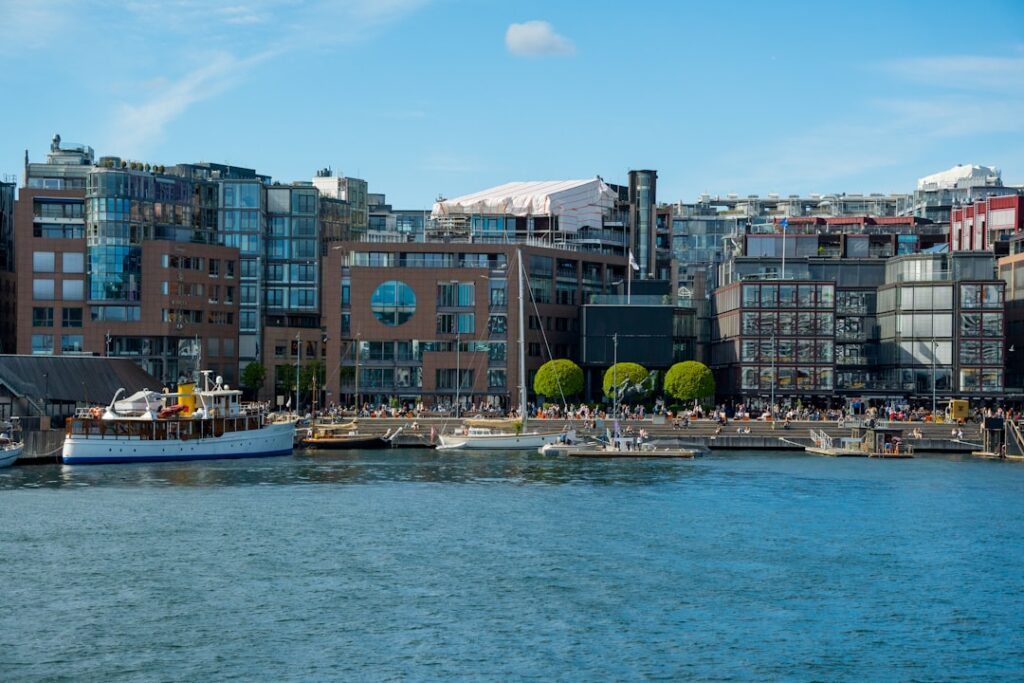
Oslo, Norway’s capital, houses numerous museums that reflect the country’s cultural heritage and contemporary developments. The city’s museum collection spans from archaeological sites such as the Viking Ship Museum to modern art venues including the Astrup Fearnley Museum. These institutions preserve Norwegian artefacts and artworks whilst serving as educational centres for both residents and visitors.
Students enrolled at the Norwegian Language School (NLS) can utilise Oslo’s museums as practical learning environments. Museum visits provide opportunities to apply Norwegian language skills through reading exhibition materials, listening to guided tours, and participating in educational programmes. This approach combines language acquisition with cultural education, allowing students to develop linguistic competency alongside knowledge of Norwegian history and society.
Secure your spot: Enroll in our Norwegian summer courses in Oslo today!
Summary
- Oslo offers a vibrant museum scene ideal for Norwegian language school students to enhance learning.
- Visiting museums provides cultural immersion and educational benefits, enriching language acquisition.
- Summer discounts make museum visits more affordable for students, encouraging exploration.
- Top museums in Oslo feature special exhibitions and events that deepen understanding of Norwegian history.
- Engaging with local communities and experts at museums fosters meaningful connections and cultural insight.
Benefits of Visiting Museums for Norwegian Language School Students
Visiting museums offers numerous benefits for students at the Norwegian Language School. Firstly, it provides an opportunity to immerse oneself in the language outside the classroom setting. As students navigate through exhibits, read descriptions, and engage with staff or fellow visitors, they are compelled to use their language skills in practical situations.
This real-life application of language fosters confidence and fluency, making the learning process more dynamic and enjoyable. Moreover, museums often host guided tours and educational programmes conducted in Norwegian. These experiences allow students to listen to native speakers and learn vocabulary specific to various subjects, from art history to maritime heritage.
Engaging with knowledgeable guides not only enhances language comprehension but also provides context to the cultural artefacts on display. This dual focus on language and culture enriches the overall educational experience for NLS students.
Summer Discounts Available for Norwegian Language School Students
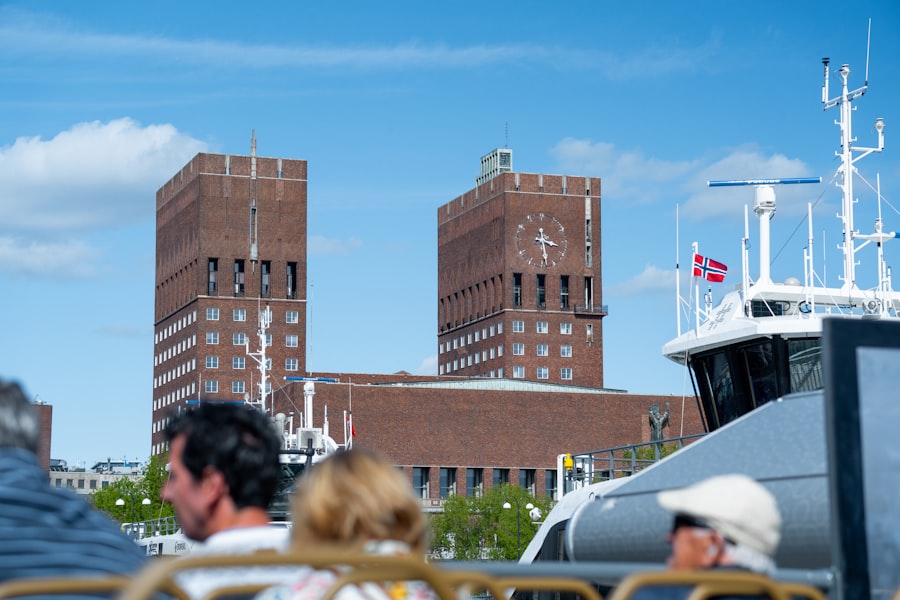
During the summer months, many of Oslo’s museums offer special discounts and promotions aimed at students, particularly those enrolled in language courses. These discounts make it more accessible for NLS students to explore the city’s rich cultural offerings without straining their budgets. By taking advantage of these summer deals, students can visit multiple museums, thereby broadening their understanding of Norwegian culture while practising their language skills.
Additionally, some museums may offer free admission on specific days or reduced rates for groups. This is particularly beneficial for NLS students who wish to visit with classmates or friends. By planning visits around these discounts, students can maximise their museum experiences while minimising costs.
It is advisable for students to check the websites of individual museums or inquire at the NLS for information on current promotions and special offers.
Top Museums to Visit in Oslo
Oslo boasts a plethora of museums that cater to diverse interests. The Viking Ship Museum is a must-visit for anyone intrigued by Norway’s seafaring history. Here, visitors can marvel at well-preserved Viking ships and learn about the maritime culture that shaped Norway’s identity.
The museum’s engaging exhibits provide an excellent opportunity for NLS students to expand their vocabulary related to history and exploration. Another highlight is the Munch Museum, dedicated to the works of Edvard Munch, one of Norway’s most famous artists. The museum houses an extensive collection of his paintings, including the iconic “The Scream.” For students interested in art and expression, this museum offers a chance to delve into Munch’s life and artistic philosophy while practising their Norwegian language skills through guided tours and discussions about his work.
How to Take Advantage of Summer Discounts
| Museum | Regular Admission | Discounted Admission | Discount Percentage | Discount Period | Eligibility |
|---|---|---|---|---|---|
| The National Museum | 120 NOK | 60 NOK | 50% | June 1 – August 31 | Norwegian Language School Students |
| The Viking Ship Museum | 100 NOK | 50 NOK | 50% | June 1 – August 31 | Norwegian Language School Students |
| Munch Museum | 140 NOK | 70 NOK | 50% | June 1 – August 31 | Norwegian Language School Students |
| Fram Museum | 90 NOK | 45 NOK | 50% | June 1 – August 31 | Norwegian Language School Students |
| Kon-Tiki Museum | 90 NOK | 45 NOK | 50% | June 1 – August 31 | Norwegian Language School Students |
To make the most of summer discounts available at Oslo’s museums, NLS students should start by researching which institutions offer student rates or special promotions during the summer months. Many museums have dedicated sections on their websites detailing current offers, including free admission days or discounted group rates. By staying informed about these opportunities, students can plan their visits accordingly.
Additionally, students should consider forming groups with fellow classmates to take advantage of group discounts. Visiting museums as a group not only enhances the experience through shared insights but also allows for collaborative learning opportunities. Students can discuss exhibits in Norwegian, share thoughts on what they have learned, and even engage in friendly debates about various topics related to the exhibits they encounter.
Tips for Making the Most of Your Museum Visits
To fully benefit from museum visits, NLS students should approach each experience with an open mind and a willingness to engage actively with the content presented. One effective strategy is to prepare ahead of time by researching specific exhibitions or artefacts that will be on display. This preparation allows students to formulate questions and topics for discussion, making their visits more meaningful.
While at the museum, students should take advantage of audio guides or printed materials available in Norwegian. These resources can enhance comprehension and provide additional context for exhibits. Furthermore, engaging with museum staff or volunteers can lead to enriching conversations that deepen understanding of both the language and cultural significance of what is being displayed.
Special Exhibitions and Events at Oslo Museums
Throughout the summer months, Oslo’s museums frequently host special exhibitions and events that provide unique opportunities for learning and engagement. These events may include artist talks, workshops, or themed exhibitions that focus on specific aspects of Norwegian culture or history. For NLS students, attending these events can be particularly beneficial as they often encourage interaction with both the exhibits and other attendees.
Students should keep an eye on museum calendars and social media pages for announcements regarding upcoming events. Participating in these activities not only enhances language skills but also fosters a sense of community among fellow learners and locals who share similar interests in culture and history.
Cultural and Educational Value of Visiting Museums
The cultural and educational value of visiting museums cannot be overstated. For NLS students, museums serve as living classrooms where they can witness history come alive through artefacts and exhibitions. This experiential learning approach allows students to connect theoretical knowledge gained in the classroom with tangible examples found within museum walls.
Moreover, museums often reflect the values and narratives of a society, providing insights into what is deemed significant within Norwegian culture. By exploring these narratives, students gain a deeper appreciation for Norway’s heritage while simultaneously enhancing their language skills through exposure to culturally relevant vocabulary and expressions.
Connecting with Norwegian History and Culture through Museums
Museums are vital conduits for connecting with Norwegian history and culture. They offer a comprehensive overview of significant events, artistic movements, and societal changes that have shaped Norway into what it is today. For NLS students, this connection is invaluable as it enriches their understanding of the language they are learning.
By engaging with historical exhibits or cultural artefacts, students can contextualise their language studies within a broader framework of national identity and heritage. This understanding fosters a sense of belonging and appreciation for Norway’s unique contributions to global culture while simultaneously enhancing linguistic proficiency.
Engaging with Local Communities and Experts at Museums
One of the most rewarding aspects of visiting museums is the opportunity to engage with local communities and experts who are passionate about sharing their knowledge. Many museums offer programmes that encourage interaction between visitors and curators or historians. For NLS students, these interactions provide invaluable opportunities to practise speaking Norwegian in a supportive environment while gaining insights from those deeply knowledgeable about specific subjects.
Participating in workshops or discussions led by experts allows students to ask questions directly related to their interests while honing their conversational skills. This engagement not only enriches their museum experience but also fosters connections within the local community, creating lasting memories during their time in Oslo.
Enhancing Your Language Learning Experience through Museum Visits
In conclusion, visiting Oslo’s museums presents an exceptional opportunity for students at the Norwegian Language School to enhance their language learning experience while immersing themselves in Norway’s rich cultural landscape. The benefits are manifold: from practical language application in real-world contexts to deepening cultural understanding through engaging exhibits and interactions with local experts. By taking advantage of summer discounts, participating in special events, and actively engaging with museum content, NLS students can create a holistic learning experience that transcends traditional classroom boundaries.
Ultimately, these museum visits not only contribute to linguistic proficiency but also foster a profound appreciation for Norway’s heritage—an invaluable aspect of any language learning journey.