

Navigating the regulatory landscape of any nation can feel like a complex expedition, and Norway is no exception. For those planning to live, work, or even establish a business in this Nordic country, grasping its safety regulations and terminology is not merely a bureaucratic hurdle, but a fundamental step towards integration and successful operation. This article aims to illuminate the key aspects of Norwegian safety, providing a compass and a glossary for your journey.
At the heart of Norwegian safety lies a robust legal framework, built upon principles of prevention, precaution, and worker well-being. These regulations are not static pronouncements but living documents, regularly reviewed and updated to reflect technological advancements, societal changes, and evolving international standards. Understanding this foundational layer is crucial, as it underpins every specific rule and directive you will encounter. Start your 1-to-1 private Norwegian class today.
The Hierarchy of Law
The Norwegian legal system operates on a clear hierarchy, with the Constitution at its apex. Below this, we find statutes (lover) enacted by the Storting (the Norwegian Parliament). These statutes are then elaborated upon through regulations (forskrifter) issued by government ministries. It is within these forskrifter that the granular details of safety requirements are typically found. For instance, a primary law might establish the general duty of care for employers, while a specific regulation will detail the requirements for fire safety in office buildings.
Key Legislative Areas
Several core legislative areas dictate safety across various sectors:
Working Environment Act (Arbeidsmiljøloven)
This is arguably the most significant piece of legislation concerning safety. It provides a comprehensive framework for protecting the health, safety, and welfare of employees. The Arbeidsmiljøloven covers a vast array of topics, from physical working conditions and risk assessment to psychosocial factors and the prevention of workplace bullying. It places a strong emphasis on the employer’s responsibility to ensure a safe working environment and the employee’s right to refuse work that poses an immediate and serious danger.
- Employer’s Duty of Care: The law clearly delineates the employer’s overarching responsibility to identify, assess, and mitigate risks in the workplace. This is not a passive obligation; it requires proactive measures and continuous evaluation.
- Employee Participation: The legislation champions employee involvement in safety matters. Workers, often through elected safety representatives (verneombud), have a voice in identifying hazards and influencing safety procedures.
- Risk Assessment: A cornerstone of the Working Environment Act is the requirement for systematic risk assessment (risikovurdering). Employers must actively identify potential dangers, evaluate their likelihood and severity, and implement measures to control them.
Product Control Act (Produktkontrolloven) and Related Regulations
Norway, like many developed nations, has stringent regulations governing the safety of products placed on the market. The Produktkontrolloven aims to prevent hazardous substances and products from entering the market, thereby protecting consumers and the environment. This is particularly relevant for businesses importing or manufacturing goods in Norway.
- Chemical Regulations (Kjemiregler): Specific regulations within this framework address the safe use and handling of chemicals, including requirements for labeling, safety data sheets (SDS), and restrictions on certain hazardous substances.
- Consumer Product Safety: Another critical aspect is ensuring that consumer goods meet safety standards, preventing accidents and injuries to the general public.
Fire Safety Regulations (Brannvernregler)
Fire safety is a paramount concern in Norway, with detailed regulations governing building construction, fire prevention measures, and emergency procedures. These regulations are overseen by municipalities and national bodies.
- Building Codes (Byggteknisk forskrift): These codes dictate the fire-resistance requirements for building materials, escape routes, fire detection systems, and suppression equipment.
- Occupational Fire Safety: Within workplaces, specific rules apply to the storage of flammable materials, the provision of fire extinguishers, and the training of employees in fire evacuation procedures.
Governing Bodies: The Watchdogs and Guides
Numerous governmental agencies and institutions are tasked with overseeing and enforcing these safety regulations. Familiarising yourself with these bodies is akin to knowing who the park rangers are on your expedition; they are there to guide and, if necessary, to uphold the rules.
The Norwegian Labour Inspection Authority (Arbeidstilsynet)
This is the primary agency responsible for supervising the enforcement of the Working Environment Act. Arbeidstilsynet conducts inspections, investigates complaints, and provides guidance to employers and employees on occupational health and safety matters. They are a crucial resource for understanding and complying with workplace safety legislation.
- Inspections and Audits: Arbeidstilsynet has the authority to visit workplaces, examine documentation, and interview personnel to ensure compliance.
- Enforcement Powers: When violations are found, Arbeidstilsynet can issue warnings, impose fines, or even order the cessation of activities deemed unsafe.
The Directorate for Civil Protection and Emergency Planning (Direktoratet for samfunnssikkerhet og beredskap – DSB)
The DSB is responsible for a broad spectrum of safety and emergency preparedness issues, including fire safety, the safe storage and transport of hazardous materials, and the safety of electrical installations. They play a vital role in developing national strategies and providing expert advice.
- Risk Analysis and Preparedness: The DSB is instrumental in assessing national risks and developing plans for responding to emergencies, from natural disasters to industrial accidents.
- Technical Regulations: They contribute to the development and enforcement of technical regulations related to safety, such as those for high-voltage installations and the handling of explosives.
The Norwegian Environment Agency (Miljødirektoratet)
While its primary focus is environmental protection, the Miljødirektoratet also plays a significant role in safety, particularly concerning the management of hazardous substances and industrial pollution. Regulations related to chemical handling and waste disposal often fall under their purview.
- Chemical Management: The agency sets standards and monitors the use of chemicals to prevent harm to human health and the environment.
- Pollution Control: Their work on industrial emissions and waste management directly contributes to a safer environment for both workers and the general public.
Essential Norwegian Safety Terminology: The Lexicon of Prevention
Understanding the terminology used in Norwegian safety regulations is paramount to comprehending their meaning and implications. This glossary will equip you with the fundamental terms you are likely to encounter. Think of these words as the essential knots and lashings you need to know for your expedition; they secure understanding and prevent misunderstandings.
Key Terms in Workplace Safety
The Arbeidsmiljøloven is rich with specific terminology. Here are some of the most important:
- Arbeidsgiver: Employer. The individual or entity responsible for providing a safe working environment.
- Arbeidstaker: Employee. The individual employed by the employer.
- Verneombud: Safety Representative. An elected employee representative responsible for overseeing safety conditions and raising concerns.
- AMU (Arbeidsmiljøutvalg): Working Environment Committee. A committee established in larger workplaces composed of employer and employee representatives to discuss and address working environment issues.
- Risikovurdering: Risk Assessment. The systematic process of identifying, evaluating, and controlling workplace hazards.
- HMS (Helse, Miljø og Sikkerhet): Health, Environment, and Safety. A comprehensive term encompassing all aspects of workplace safety and well-being. Often used as an acronym to denote management systems and programmes.
- Arbeidstilsynet: The Norwegian Labour Inspection Authority. The government agency responsible for supervising workplace safety.
- Fagforening: Trade Union. An organisation that represents the interests of workers, often involved in safety negotiations and advocacy.
- Yrkeshygiene: Industrial Hygiene. The science and practice of anticipating, recognising, evaluating, and controlling workplace conditions that may cause worker injury or illness.
- Ergonomi: Ergonomics. The science of designing and arranging things people use so that the people and things interact most efficiently and safely.
Terms Related to Fire and Emergency Preparedness
Fire safety and emergency response are critical areas with their own specific vocabulary.
- Brannvern: Fire Protection/Fire Safety. The measures and procedures taken to prevent fires or minimise their impact.
- Brannvesen: Fire Brigade/Fire Department. The emergency service responsible for firefighting and rescue operations.
- Evakuering: Evacuation. The organised and timely movement of people from a dangerous area to a safer one.
- Nødutgang: Emergency Exit. A designated and clearly marked exit route to be used in case of emergency.
- Brannalarm: Fire Alarm. A device that alerts occupants to the presence of a fire.
- Brannslukker: Fire Extinguisher. A portable device used to put out small fires.
- Beredskap: Preparedness/Emergency Readiness. The state of being ready to respond effectively to emergencies.
Terms for Hazardous Substances and Environmental Safety
The safe management of chemicals and the protection of the environment are governed by specific terminology.
- Kjemikalier: Chemicals. Substances used in industrial and domestic settings.
- Sikkerhetsdatablad (SDS): Safety Data Sheet. A document providing information on the properties and potential hazards of a chemical substance or mixture.
- Miljøfare: Environmental Hazard. A risk or potential harm to the environment.
- Avfall: Waste. Unwanted or unusable material, often requiring specific disposal procedures.
- Utslipp: Emission/Discharge. The release of substances into the environment.
Navigating Specific Safety Regulations: Sectoral Considerations

While the overarching legislative framework provides a general safety net, specific industries and activities are subject to more granular regulations. Understanding these sector-specific requirements is like knowing the specific terrain and potential hazards of the particular region you are exploring.
Construction Industry Safety (Bygg og anlegg)
The construction sector is often cited as having higher inherent risks. Norwegian regulations in this area focus on preventing falls from heights, the safe operation of machinery, managing hazardous materials (such as asbestos), and ensuring adequate site safety management.
- Fallbeskyttelse: Fall Protection. Measures to prevent falls from exposed heights.
- Maskinsikkerhet: Machine Safety. Regulations governing the safe operation and maintenance of construction machinery.
- Stillas: Scaffolding. Requirements for the safe erection, inspection, and use of scaffolding.
Maritime and Offshore Safety (Maritim og offshore sikkerhet)
Given Norway’s extensive coastline and significant offshore oil and gas industry, maritime and offshore safety are highly regulated. These regulations cover vessel safety, crew welfare, offshore platform integrity, and emergency response in harsh environments.
- Skipssikkerhet: Ship Safety. Regulations pertaining to the structural integrity, equipment, and operational procedures of vessels.
- Plattformoperasjoner: Platform Operations. Safety measures specific to the operation of offshore installations.
- Farlige stoffer på sokkelen: Hazardous substances on the continental shelf. Regulations for the handling and storage of dangerous chemicals in offshore environments.
Food Safety Regulations (Matsikkerhet)
For businesses operating in the food industry, compliance with Mattilsynet (the Norwegian Food Safety Authority) regulations is crucial. These cover hygiene, traceability, product labelling, and the prevention of foodborne illnesses.
- Hygiene: Strict adherence to hygiene protocols in food preparation and handling.
- Sporbarhet: Traceability. The ability to track food products through all stages of production, processing, and distribution.
- Merking: Labelling. Requirements for accurate and informative labelling of food products.
Implementing Safety Measures: Proactive Engagement
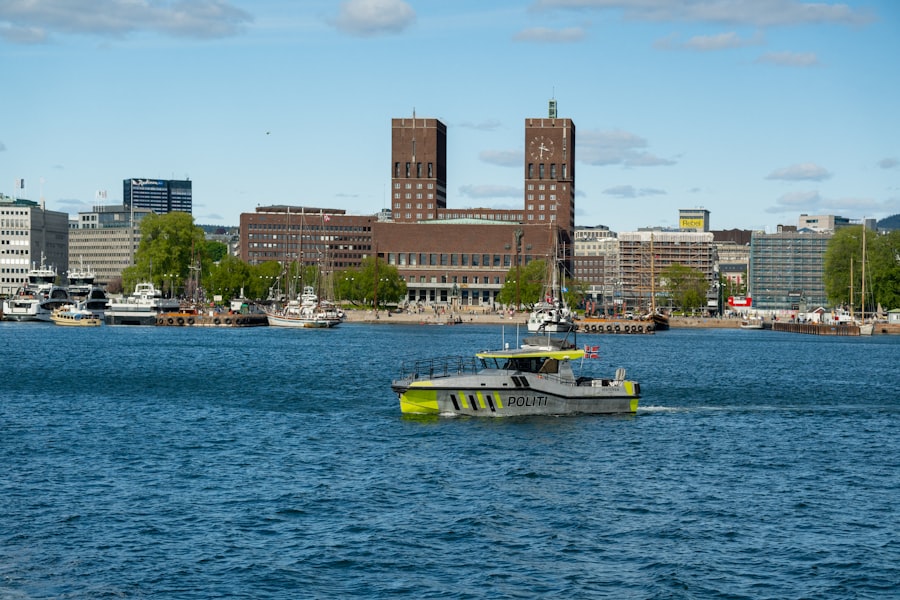
Compliance with safety regulations is not merely about avoiding penalties; it is about fostering a culture of safety that protects individuals and organisations. This requires a proactive and engaged approach.
The Role of Safety Management Systems (HMS-systemer)
Many Norwegian companies implement formal HMS-systemer (Health, Environment, and Safety Management Systems). These systems provide a structured approach to identifying, assessing, managing, and monitoring safety risks. They often include documented procedures for risk assessment, incident reporting, training, and continuous improvement.
- Policy Development: Establishing a clear safety policy that outlines the organisation’s commitment to health, environment, and safety.
- Risk Management: Implementing robust processes for identifying and mitigating risks.
- Training and Information: Ensuring that all employees receive adequate training on safety procedures and are kept informed of relevant hazards.
- Monitoring and Review: Regularly reviewing safety performance and making necessary adjustments to the management system.
Continuous Improvement and Learning from Incidents
Safety is an ongoing process, not a destination. Norwegian safety culture places a strong emphasis on continuous improvement, often spurred by learning from incidents, both minor and major.
- Incident Reporting: Encouraging the reporting of all hazards, near misses, and accidents, without fear of blame.
- Root Cause Analysis: Investigating incidents to understand their underlying causes, rather than just addressing the immediate symptoms.
- Corrective and Preventive Actions: Implementing measures to prevent similar incidents from occurring in the future.
Bridging the Language Gap: The Importance of Language Skills
| Regulation/Term | Description | Applicable Sector | Key Requirement | Enforcement Authority |
|---|---|---|---|---|
| Arbeidsmiljøloven (Working Environment Act) | Legislation ensuring safe and healthy working conditions | All workplaces | Risk assessments and employee participation | Norwegian Labour Inspection Authority |
| Forskrift om systematisk helse-, miljø- og sikkerhetsarbeid (Internal Control Regulations) | Requirements for systematic health, environment and safety work | All workplaces | Documented procedures and continuous improvement | Norwegian Labour Inspection Authority |
| HMS (Helse, Miljø og Sikkerhet) | Health, Environment and Safety practices and policies | All workplaces | Implementation of safety measures and training | Employers and Safety Representatives |
| Verneombud (Safety Representative) | Employee elected to represent workers on safety matters | Workplaces with 10+ employees | Participation in safety inspections and risk assessments | Employers and Labour Inspection Authority |
| Risikovurdering (Risk Assessment) | Process of identifying and evaluating workplace hazards | All workplaces | Regular assessments and mitigation plans | Employers |
| Arbeidstilsynet (Norwegian Labour Inspection Authority) | Government agency responsible for enforcing safety regulations | All sectors | Inspections, guidance and sanctions | Government |
For individuals not fluent in Norwegian, understanding safety regulations and engaging in safety discussions can be a significant challenge. The nuances of legal and technical language are often lost in translation, leading to potential misunderstandings and non-compliance. This is where targeted language training becomes indispensable.
The Necessity of Language Proficiency
Imagine trying to navigate complex terrain with an incomplete map. Without a clear understanding of the language used in safety documents, risk assessments, and emergency procedures, you are essentially operating with a flawed map. Errors in comprehension can lead to:
- Misinterpretation of Regulations: Leading to unintentional breaches of law.
- Ineffective Communication: Hindering the reporting of hazards or participation in safety discussions.
- Increased Risk of Accidents: When instructions and warnings are not fully understood.
- Reduced Confidence and Integration: Making it harder to feel secure and fully participate in the Norwegian workplace.
How Language Skills Enhance Safety Understanding
Developing strong Norwegian language skills directly correlates with improved safety awareness and compliance. When you can understand the precise meaning of terms like risikovurdering (risk assessment), arbeidsmiljø (working environment), and nødutgang (emergency exit), you are better equipped to:
- Comprehend the full scope of safety requirements.
- Engage actively in safety meetings and discussions.
- Understand and follow safety instructions accurately.
- Effectively communicate any safety concerns or observed hazards.
- Confidently navigate workplace safety procedures and documentation.
The Norwegian Language School (NLS) in Oslo offers a crucial pathway for individuals seeking to bridge this language gap and fully comprehend the intricacies of Norwegian safety regulations. For those who will be working in safety-critical roles, or who simply wish to integrate seamlessly and responsibly into the Norwegian professional landscape, a thorough understanding of the language is not a luxury but a necessity.
At NLS Norwegian Language School in Oslo, we recognise that understanding Norwegian safety regulations is a critical step for successful integration. This is why we place a significant emphasis on equipping our students with the linguistic tools necessary to navigate this complex terrain. Our approach moves beyond basic conversational Norwegian; we delve into the specific vocabulary and sentence structures prevalent in professional and legal contexts, including those related to health, environment, and safety (HMS).
Our 1 to 1 private Norwegian courses are meticulously designed to address the unique needs of each individual learner. Whether you are a seasoned professional new to Norway, an entrepreneur setting up a business, or an individual seeking employment in a sector with stringent safety requirements, our instructors tailor the curriculum to your specific goals. This personalised approach ensures that you gain proficiency in the precise terminology relevant to your profession and daily life in Norway.
Through our bespoke 1 to 1 private Norwegian courses at NLS in Oslo, students develop a deep and practical understanding of the language essential for comprehending Norwegian safety regulations. You will learn to decipher legal texts, understand official documentation, and articulate your thoughts and concerns clearly in safety-related discussions. This focused linguistic training is not just about learning a language; it is about empowering yourself with the knowledge and confidence to operate safely and effectively within Norway. Investing in our personalised tuition means investing in your safety, your career, and your successful integration into Norwegian society.
By mastering the language, you transform from a passive observer to an active participant in maintaining a safe environment for yourself and those around you. The journey into understanding Norwegian safety regulations is significantly smoother and more assured when guided by a robust command of the Norwegian language.