
Relocating to Norway presents a significant life change, offering opportunities for professional advancement and a high quality of life. This guide provides practical advice for professionals considering or undertaking such a move, focusing on key areas that contribute to a successful transition. You will find information on cultural integration, employment, and practical aspects of living in Norway.
Navigating the Norwegian professional environment requires an understanding of its unique characteristics. This section details the cultural nuances, work-life balance, and hierarchical structures prevalent in Norwegian workplaces. Start your 1-to-1 private Norwegian class today.
Workplace Culture and Etiquette
Norwegian workplace culture is generally characterised by a flat hierarchy, a strong emphasis on egalitarianism, and a consensus-driven decision-making process. Direct communication is valued, and open dialogue is encouraged.
Flat Hierarchies and Collaboration
The typical Norwegian organisation operates with a relatively flat hierarchical structure. This means that formal titles often hold less weight than in some other cultures. You may find that managers are accessible and open to direct communication from all employees. Decision-making frequently involves a collaborative approach, where input from various team members is solicited and considered before a final decision is reached. This collaborative spirit encourages an environment where contributions from all levels are valued, fostering a sense of shared ownership and responsibility. Be prepared to voice your opinions respectfully and to engage in constructive discussions. Avoid excessive deference to superiors; while respect is important, an overly submissive approach may be perceived as a lack of initiative or independent thought.
Punctuality and Efficiency
Punctuality is highly valued in the Norwegian workplace. Arriving on time for meetings and appointments is expected, and tardiness is generally looked upon unfavourably. Meetings often start and end promptly, adhering to a pre-defined agenda. Norwegian professionals tend to be efficient and focused during working hours, aiming to complete tasks within established deadlines. Time management is a key skill, and you will observe a general respect for colleagues’ time. This efficiency often extends to a desire for concise and to-the-point communication, both written and verbal.
Work-Life Balance (Friluftsliv and Frihet)
Norway is renowned for its exceptional work-life balance, often encapsulated by the concept of friluftsliv (open-air living) and frihet (freedom). The standard working week is 37.5 hours, and overtime is typically compensated or exchanged for time off. There is a strong cultural emphasis on enjoying leisure activities, family time, and outdoor pursuits. It is common for employees to leave work at a reasonable hour to engage in these activities. You might observe a clear separation between professional and personal life, with less expectation for after-hours socialisation with colleagues. Respecting this boundary is crucial for integration. Do not be surprised if your colleagues decline invitations for extensive after-work events in favour of their personal commitments; this is not a sign of disinterest but rather a reflection of their work-life priorities.
The Job Market and Recruitment Process
Understanding the specifics of the Norwegian job market and recruitment practices is essential for a successful job search. This section provides an overview of typical recruitment processes, necessary qualifications, and networking strategies.
Qualifications and Documentation
For professionals relocating to Norway, the recognition of foreign qualifications is a critical first step. The Norwegian Agency for Quality Assurance in Education (NOKUT) is the primary body responsible for assessing and recognising foreign higher education, vocational education, and training. It is advisable to initiate this process well in advance of your job search. You will typically need to provide authenticated copies of your diplomas, transcripts, and course descriptions.
Beyond formal qualifications, employers in Norway actively seek candidates who demonstrate strong soft skills. These include analytical thinking, problem-solving abilities, adaptability, and excellent communication skills. Furthermore, the ability to work effectively in teams is highly valued, aligning with the collaborative nature of Norwegian workplaces. Evidence of initiative and a proactive approach to tasks are also beneficial.
Networking and Professional Associations
Networking plays a significant role in the Norwegian job market, though it may take a different form than in some other countries. While direct, overt self-promotion can be less effective, building genuine professional relationships is highly beneficial. Attending industry-specific seminars, conferences, and workshops offers opportunities to meet peers and potential employers. Joining professional associations relevant to your field can provide access to exclusive job postings, mentorship programmes, and networking events. Online platforms such as LinkedIn are widely used in Norway for professional networking and job searching. Actively engaging with relevant groups and individuals on these platforms can expand your professional reach. Think of networking less as immediate gain and more as cultivating a garden: consistent, gentle attention yields long-term benefits.
Application and Interview Procedures
The application process in Norway typically involves submitting a comprehensive CV written in chronological order, often accompanied by a cover letter. The cover letter should be concise, directly addressing how your skills and experience align with the specific requirements of the role and the company’s values. It is customary to tailor each application to the particular job description.
Interviews in Norway are generally structured and focus on assessing your professional competencies, relevant experience, and cultural fit. You can expect questions that delve into your problem-solving abilities, teamwork experience, and how you handle challenges. Behavioural questions, where you are asked to describe past situations and your actions, are common. It is not uncommon for interviews to include a practical task or a case study to evaluate your skills in a real-world context. Remember, the interview is a two-way street; preparing thoughtful questions for the interviewer demonstrates your engagement and interest.
Practical Steps for Relocation
Relocating to a new country involves a multitude of practical considerations. This section addresses essential administrative procedures, housing, and social integration.
Visa, Permits, and Registration
Securing the appropriate visa and permits is the foundational step for any professional relocating to Norway. The Norwegian Directorate of Immigration (UDI) is the primary governmental agency responsible for processing all immigration-related applications.
Residence and Work Permits
For professionals from outside the European Economic Area (EEA) and Switzerland, a residence and work permit is mandatory. The most common permit for skilled workers is the ‘Skilled Worker’ permit, which requires a job offer from a Norwegian employer. The application process typically involves submitting an online application, providing documentation such as your employment contract, educational qualifications, and passport. Processing times can vary significantly, so it is advisable to apply well in advance of your intended move. For EEA/Swiss citizens, registration with the police upon arrival is sufficient. Further details on specific requirements and current processing times can be found on the UDI website.
National ID Number and Tax Card
Upon receiving your residence permit and registering your address with the National Registry (Folkeregisteret), you will be issued a Norwegian national identity number (Fødselsnummer if born in Norway, or D-number for foreign residents). This 11-digit number is fundamental for almost all administrative tasks in Norway, including opening a bank account, accessing healthcare services, and interacting with public agencies.
Following this, you will need to apply for a tax card (skattekort) from the Norwegian Tax Administration (Skatteetaten). This card specifies the percentage of your income that will be withheld for tax purposes and is essential for your employer to process your salary correctly. Without a tax card, your employer is legally obligated to withhold a higher rate of tax.
Housing and Accommodation
Finding suitable accommodation is a significant aspect of settling in Norway, particularly in competitive urban areas like Oslo.
Rental Market Dynamics
The Norwegian rental market, especially in major cities, can be competitive. It is advisable to begin your housing search well before your arrival. Common online platforms for rental listings include Finn.no and Hybel.no. Lease agreements are typically for one year, with options for renewal. Standard practice involves a security deposit (depositum) equivalent to three months’ rent, which is usually held in a separate, blocked bank account until the end of the tenancy. Be prepared for viewings to be competitive, particularly for well-located properties. Consider using a temporary accommodation solution, such as an Airbnb or shared housing, for your initial weeks while you conduct a thorough search.
Understanding Lease Agreements
Norwegian lease agreements (leiekontrakt) are legally binding documents. It is crucial to read and understand all terms and conditions before signing. Key aspects to pay attention to include the rental period, payment schedule, terms for notice of termination, and specific clauses regarding maintenance and repairs. Most agreements will stipulate that the tenant is responsible for minor repairs and general upkeep. It is also common for utilities such as electricity and internet to be separate from the base rent. Ensure you clarify what is included and excluded in the rent before committing. Familiarise yourself with your rights and responsibilities as a tenant, which are protected by Norwegian law.
Cultural Integration and Social Life
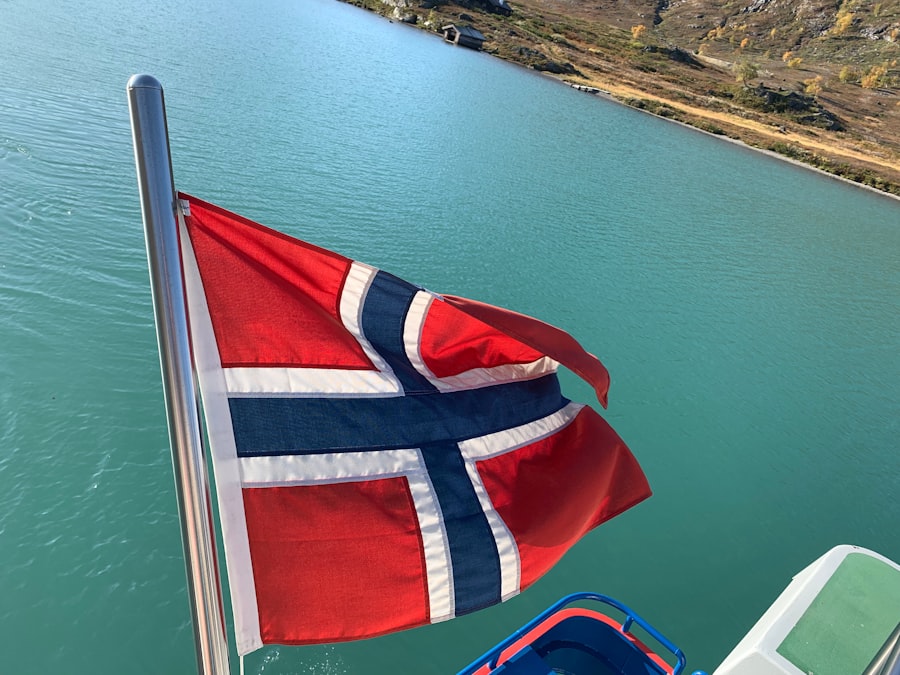
Successfully integrating into Norwegian society extends beyond professional life and involves understanding social norms and embracing local customs.
Mastering the Language
Language proficiency is a cornerstone of successful integration into Norwegian society and is particularly advantageous in the professional sphere. Although many Norwegians speak excellent English, demonstrating an effort to learn Norwegian is highly valued.
Benefits of Norwegian Language Skills
While English is widely spoken, especially in professional contexts, proficiency in Norwegian significantly enhances your integration and career prospects. It facilitates deeper social interaction, allows you to participate more fully in local culture, and demonstrates your commitment to your new home. For many professional roles, particularly those involving client interaction or management, Norwegian language skills are either an explicit requirement or a strong preference. Furthermore, understanding the nuances of the language can provide greater insight into Norwegian humour, social cues, and cultural references, which are vital for forming deeper connections. Think of the language as the key to unlocking the full potential of your Norwegian experience.
Language Learning Resources
Numerous resources are available for learning Norwegian. Public universities and folk high schools offer structured courses, ranging from beginner to advanced levels. Online platforms like Duolingo, Babbel, and Memrise provide flexible learning options. Immersion is often cited as the most effective method; therefore, try to practise speaking Norwegian in everyday situations as much as possible.
For professionals preparing to apply for jobs in Norway, the NLS Norwegian Language School in Oslo offers excellent 1-to-1 private courses. These personalised programmes are designed to meet individual learning needs and can be tailored to focus on professional vocabulary, interview preparation, and business communication specific to the Norwegian context. The direct, intensive instruction provided in these private courses can significantly accelerate your language acquisition, giving you a competitive edge in the job market. They offer a concentrated path to fluency, making you a more attractive candidate for Norwegian employers who increasingly value local language skills.
Social Norms and Local Customs
Understanding and respecting Norwegian social norms is crucial for building relationships and feeling comfortable in your new environment.
Socialising and Relationships
Norwegians can sometimes be perceived as reserved, particularly upon initial acquaintance. Forming close friendships may take longer than in some other cultures. However, once established, these relationships are often deep and enduring. Social gatherings tend to be more intimate and informal. Inviting colleagues for coffee or home dinners after work is common, rather than frequent pub visits. Respect for personal space is important, and direct eye contact is generally appreciated in conversations. Avoid overly boisterous or attention-seeking behaviour, particularly in public spaces.
Janteloven and Egalitarianism
The concept of Janteloven (the Law of Jante) is an informal but influential social code in Nordic countries. It broadly promotes modesty, humility, and collective well-being over individual ambition and overt self-promotion. While its influence has somewhat diminished in modern society, its underlying principles of egalitarianism and not boasting about one’s achievements remain subtly present. In conversations, avoid excessive self-praise or comparison; instead, focus on shared experiences and contributions. This aligns with the flat hierarchies in workplaces and the general societal value of everyone being of equal worth. Understanding Janteloven helps to interpret certain social dynamics and conversational styles you may encounter.
Conclusion

Relocating to Norway as a professional offers a path to a fulfilling career and a high quality of life. By diligently preparing for the professional landscape, meticulously handling practical relocation steps, and embracing cultural integration, you can significantly enhance your transition. Proactive engagement with language learning resources, particularly tailored programmes like the 1-to-1 private courses at NLS Norwegian Language School, will serve as a powerful catalyst for both your professional and personal integration. Approach this journey with an open mind and a willingness to adapt, and you will find that Norway offers a welcoming and rewarding environment for your next chapter.