
The Norskprøven test serves as a vital benchmark for non-native speakers seeking to demonstrate their proficiency in the Norwegian language. Among the various components of this examination, the ability to describe people and their personalities holds significant importance. This skill not only reflects one’s grasp of vocabulary and grammar but also showcases the ability to convey nuanced meanings and emotions.
In a society where interpersonal communication is key, being adept at describing individuals can enhance both personal and professional interactions. Describing people and their personalities involves more than just listing physical attributes; it requires an understanding of the subtleties that define human behaviour and character. The Norskprøven test challenges candidates to articulate these complexities, making it essential for learners to develop a rich vocabulary and a keen sense of observation.
As we delve into the various aspects of this topic, we will explore the vocabulary needed, the use of adjectives and adverbs, and the importance of body language, among other elements that contribute to effective descriptions.
Summary
- Mastering vocabulary and adjectives is essential for accurately describing people in the Norskprøven test.
- Incorporating body language and gestures can make descriptions more vivid and engaging.
- Avoiding stereotypes and biases ensures respectful and fair character portrayals.
- Using comparisons, similes, and metaphors enriches descriptions and adds creativity.
- Practising conversational scenarios helps improve fluency and confidence in describing personalities.
Understanding the Vocabulary for Describing People and Personalities
A robust vocabulary is the foundation upon which effective descriptions are built. In the context of the Norskprøven test, candidates must familiarise themselves with a range of words that pertain to physical appearance, personality traits, and emotional states. For instance, terms such as “vennlig” (friendly), “intelligent” (intelligent), and “utadvendt” (outgoing) are essential for painting a vivid picture of an individual’s character.
Additionally, understanding synonyms and antonyms can further enrich one’s descriptive capabilities, allowing for more varied and engaging language. Moreover, it is important to recognise that vocabulary extends beyond mere adjectives. Nouns that denote roles or relationships, such as “kollega” (colleague) or “venn” (friend), can provide context that enhances descriptions.
By integrating these terms into their speech or writing, candidates can create a more comprehensive portrayal of individuals. Furthermore, learners should also be aware of cultural nuances that may influence how certain traits are perceived in Norwegian society, ensuring that their descriptions are both accurate and respectful. Master the Norskprøven: Enrol in our preparation courses at NLS Norwegian Language School today.
Using Adjectives and Adverbs to Enhance Descriptions

Adjectives and adverbs play a pivotal role in enriching descriptions by adding depth and detail. Adjectives allow speakers to convey specific qualities about a person, while adverbs can modify verbs to illustrate how actions are performed. For example, one might describe someone as “en vennlig og hjelpsom person” (a friendly and helpful person), where “vennlig” and “hjelpsom” serve to highlight key personality traits.
The careful selection of adjectives can transform a simple description into a vivid portrayal that resonates with listeners or readers. In addition to adjectives, adverbs can enhance descriptions by providing context about how someone behaves or interacts with others. Phrases like “hun snakker alltid vennlig” (she always speaks kindly) or “han jobber effektivt” (he works efficiently) not only describe actions but also offer insight into the individual’s character.
By mastering the use of both parts of speech, candidates can elevate their descriptive skills, making their narratives more engaging and informative.
Incorporating Body Language and Gestures in Descriptions
While words are powerful tools for description, non-verbal communication such as body language and gestures can significantly enhance the portrayal of individuals. In the Norskprøven test, candidates should consider how these elements contribute to a person’s overall presence. For instance, someone who stands tall with an open posture may be perceived as confident, while crossed arms might suggest defensiveness or discomfort.
By incorporating observations about body language into their descriptions, candidates can provide a more holistic view of an individual. Furthermore, gestures often accompany verbal communication and can convey emotions that words alone may not fully capture. A warm smile or a firm handshake can speak volumes about a person’s character and intentions.
When describing someone in the Norskprøven test, it is beneficial to include these non-verbal cues to create a richer narrative. This approach not only demonstrates linguistic proficiency but also reflects an understanding of human interaction that is vital in both social and professional contexts.
Providing Examples and Scenarios in Descriptions
| Tip | Description | Example Phrases | Relevance to Norskprøven |
|---|---|---|---|
| Use Adjectives | Incorporate descriptive adjectives to detail physical appearance and personality traits. | snill (kind), høy (tall), morsom (funny) | Helps demonstrate vocabulary range and accuracy. |
| Include Personality Traits | Describe character traits to give a fuller picture of the person. | omtenksom (considerate), sjenert (shy), energisk (energetic) | Shows ability to express abstract qualities. |
| Use Comparisons | Compare the person to others or to common standards. | Han er høyere enn meg. (He is taller than me.) | Demonstrates understanding of comparative structures. |
| Employ Examples | Give examples of behaviour to illustrate personality traits. | Hun hjelper alltid vennene sine. (She always helps her friends.) | Enhances clarity and depth of description. |
| Use Simple Sentences | Keep sentences clear and straightforward to avoid mistakes. | Han er snill og hjelpsom. (He is kind and helpful.) | Ensures communication is effective and error-free. |
To effectively describe people and personalities, it is often helpful to provide concrete examples or scenarios that illustrate the traits being discussed. This technique allows candidates to ground their descriptions in real-life situations, making them more relatable and impactful. For instance, rather than simply stating that someone is “hardworking,” one might describe a scenario where that individual stayed late at the office to meet a deadline, showcasing their dedication through specific actions.
Additionally, using examples can help clarify abstract concepts related to personality traits. For instance, when discussing someone’s kindness, one could recount an instance where they volunteered at a local charity or helped a neighbour in need. By weaving narratives into their descriptions, candidates can engage their audience more effectively while demonstrating their ability to communicate complex ideas clearly.
Describing Personalities in Different Social and Professional Settings
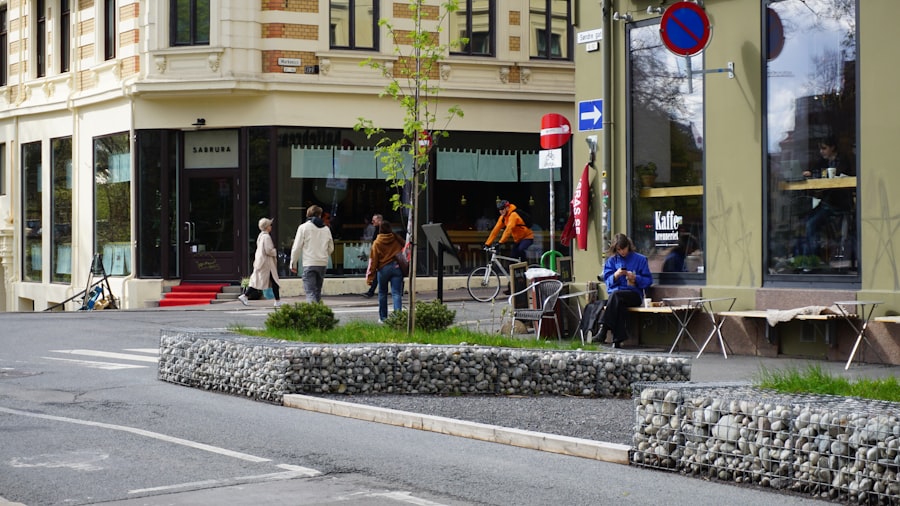
The context in which individuals operate often influences how their personalities are perceived and described. In social settings, for example, one might focus on traits such as sociability or humour when describing a friend at a gathering. Conversely, in professional environments, attributes like professionalism, reliability, and teamwork may take precedence.
Understanding these contextual differences is crucial for candidates preparing for the Norskprøven test. When describing personalities across various settings, it is important to adapt language accordingly. In a casual conversation about a friend, one might use informal language and playful adjectives like “morsom” (funny) or “spontan” (spontaneous).
However, when discussing a colleague in a work-related context, more formal descriptors such as “ansvarlig” (responsible) or “kompetent” (competent) would be appropriate. This adaptability not only showcases linguistic versatility but also reflects an understanding of social dynamics that is essential for effective communication.
Avoiding Stereotypes and Biases in Descriptions
While it is natural to draw upon common perceptions when describing people, it is crucial to avoid stereotypes and biases that can lead to oversimplified or inaccurate portrayals. In the context of the Norskprøven test, candidates should strive for descriptions that are nuanced and respectful, recognising the individuality of each person rather than relying on generalisations based on gender, ethnicity, or other characteristics. To achieve this level of sensitivity in descriptions, candidates should focus on specific behaviours and traits rather than making assumptions based on preconceived notions.
For example, instead of labelling someone as “typical” based on their background, one could highlight unique qualities that set them apart. This approach not only enriches descriptions but also fosters inclusivity and understanding in communication.
Using Comparisons and Contrasts to Enrich Descriptions
Comparisons and contrasts can serve as powerful tools for enhancing descriptions by providing context and clarity. By juxtaposing two individuals or contrasting different aspects of a single person’s personality, candidates can create more vivid images in the minds of their audience. For instance, one might describe two colleagues by highlighting how one is “mer utadvendt” (more outgoing) while the other is “mer beskjeden” (more reserved), thereby illustrating their differing approaches to teamwork.
Additionally, comparisons can be used to emphasise particular traits or behaviours by relating them to familiar concepts or experiences. For example, one might say that someone’s laughter is “som en solstråle” (like a ray of sunshine), evoking warmth and positivity through imagery that resonates with listeners. By employing these techniques thoughtfully, candidates can elevate their descriptive skills while making their narratives more engaging.
Utilizing Similes and Metaphors in Descriptions
Similes and metaphors are literary devices that can add richness and creativity to descriptions by drawing imaginative parallels between different concepts. In the context of describing people and personalities for the Norskprøven test, these figures of speech can help convey complex emotions or characteristics in an accessible manner. For instance, describing someone as “som en klippe i stormen” (like a rock in a storm) conveys strength and reliability in challenging situations.
Moreover, metaphors can encapsulate intricate ideas succinctly, allowing candidates to express themselves with flair. For example, referring to someone as “en lysende stjerne i teamet” (a shining star in the team) not only highlights their exceptional contributions but also evokes imagery that inspires admiration. By incorporating similes and metaphors into their descriptions, candidates can demonstrate linguistic creativity while enhancing the overall impact of their narratives.
Practicing Describing People and Personalities in Conversational Scenarios
To master the art of describing people and personalities effectively, practice is essential. Engaging in conversational scenarios allows candidates to apply their skills in real-time interactions while receiving immediate feedback from peers or instructors. Role-playing exercises can be particularly beneficial; for instance, participants might take turns describing fictional characters or acquaintances based on prompts provided by others.
Additionally, recording oneself while practising descriptions can offer valuable insights into areas for improvement. Listening back allows candidates to assess their use of vocabulary, sentence structure, and overall clarity in communication. By consistently practising these skills in various contexts—whether through casual conversations or structured exercises—candidates will build confidence in their ability to describe people effectively during the Norskprøven test.
Tips for Improving Descriptive Skills for the Norskprøven Test
Improving descriptive skills requires dedication and intentional practice. One effective strategy is to read extensively in Norwegian literature or media; this exposure will introduce candidates to diverse vocabulary and styles of description while enhancing their understanding of cultural nuances. Additionally, keeping a journal where one regularly describes people encountered throughout daily life can help solidify these skills over time.
Another valuable tip is to seek constructive feedback from peers or instructors who are proficient in Norwegian. Engaging in discussions about descriptions can provide fresh perspectives while highlighting areas for growth. Furthermore, participating in language exchange programmes or conversation clubs can offer opportunities for real-world practice in describing people within various contexts.
In conclusion, mastering the art of describing people and personalities is an essential skill for success in the Norskprøven test. By understanding vocabulary nuances, utilising descriptive techniques such as adjectives and adverbs, incorporating body language cues, providing examples, avoiding stereotypes, employing comparisons and metaphors, practising conversational scenarios, and seeking feedback—candidates will be well-equipped to excel in this aspect of the examination. For those aspiring to conquer the Norskprøven with confidence, consider enrolling in specialised Norwegian Test Preparation courses at the NLS Norwegian Language School in Oslo.
These courses are designed specifically for learners aiming to master the intricacies of the Norwegian language while preparing for pivotal tests like the Norskprøven. With tailored mock tests and expert guidance aligned with CEFR standards, NLS provides an invaluable resource for anyone looking to enhance their language skills effectively.