
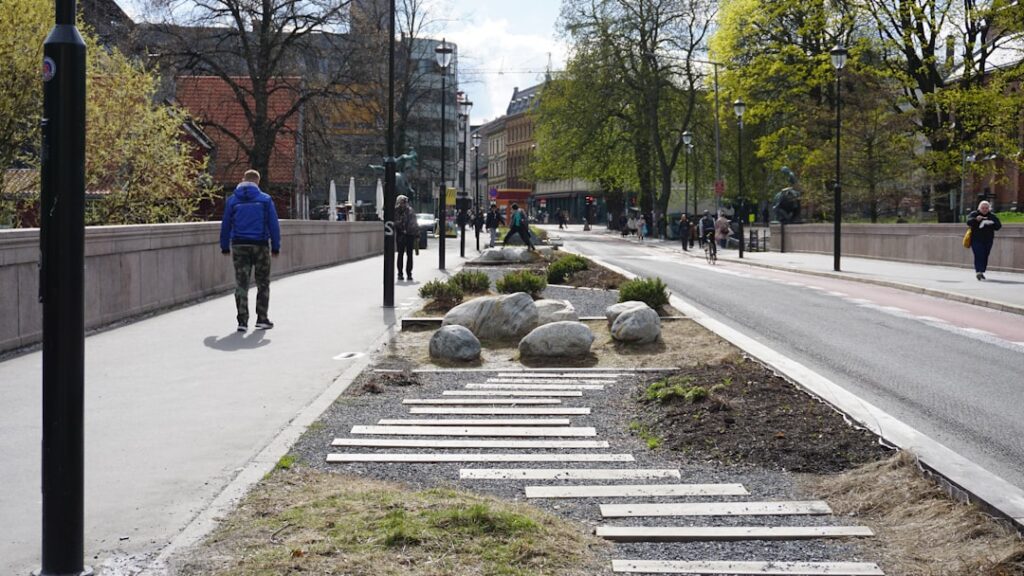
The summer months in Norway offer a unique opportunity for cultural immersion and linguistic acquisition. For individuals seeking to acquire or refine their Norwegian language skills, the NLS Norwegian Language School in Oslo presents a structured and effective pathway. This article explores the pedagogical framework and practical considerations of engaging with Norwegian summer courses in the capital, providing a comprehensive overview for prospective students.
Why Choose Oslo for Norwegian Language Acquisition?
Oslo, as the capital city of Norway, serves as a natural epicentre for language learning. The city provides an environment where the target language, Norwegian, is not merely studied but actively lived. This distinguishes it from learning environments where the language is solely academic. Ready to master the language? Secure your spot at NLS Norwegian Language School today and join the most intensive Norwegian summer courses in Oslo!
The Immersive Environment of a Capital City
Learning a language is akin to cultivating a garden; while theoretical knowledge provides the seeds, the daily interaction with native speakers and the environment provides the soil, water, and sunlight for genuine growth. In Oslo, everyday activities – from ordering coffee to navigating public transport – become practical exercises in language application. This constant exposure to Norwegian outside the classroom reinforces learning and accelerates the development of conversational fluency. The ubiquity of Norwegian in public life, including signage, media, and everyday interactions, creates a rich linguistic tapestry that learners can actively engage with. This natural, pervasive exposure acts as a powerful supplement to formal instruction, embedding the language in practical, real-world contexts.
Cultural Context and Deepened Understanding
Language is inextricably linked to culture. To truly understand Norwegian, one must also appreciate its cultural nuances. Oslo, with its rich history, vibrant arts scene, and numerous museums, offers ample opportunities for cultural immersion. Engaging with Norwegian art, literature, and social customs provides a deeper appreciation for the language itself. For instance, visiting the Viking Ship Museum or the National Gallery can provide contextual understanding of vocabulary and idioms, enriching the learning experience beyond simple lexical acquisition. This cultural immersion acts as a powerful adhesive, binding new linguistic knowledge to a broader framework of understanding, making the language more memorable and meaningful.
NLS Norwegian Language School: A Structured Approach to Learning
The NLS Norwegian Language School in Oslo employs a pedagogical approach rooted in established language acquisition theories, offering a systematic pathway for learners across various proficiency levels. The school’s curriculum is aligned with the Common European Framework of Reference for Languages (CEFR), a widely recognised international standard for describing language ability.
Alignment with the Common European Framework of Reference (CEFR)
The CEFR provides a standardised framework for assessing language proficiency across a spectrum of six levels: A1 (Beginner), A2 (Elementary), B1 (Intermediate), B2 (Upper Intermediate), C1 (Advanced), and C2 (Proficiency). The NLS Norwegian Language School structures its courses precisely according to these levels, ensuring that students are placed accurately and receive instruction appropriate to their current abilities. This methodical approach allows for incremental progress, building upon previously acquired knowledge and ensuring a cohesive learning trajectory. For instance, a student completing an A1 course will possess the foundational vocabulary and grammatical structures necessary to progress to an A2 level, where more complex sentences and communication scenarios are introduced. This adherence to an internationally recognized standard provides transparency and comparability for learners, allowing them to track their progress against a universally understood benchmark.
Intensive Course Design for Rapid Progress
The summer courses at NLS are specifically designed for an intensive learning experience. This intensity is a deliberate pedagogical choice, aiming to accelerate the language acquisition process. Intensive courses typically involve more classroom hours per week compared to standard courses, providing a concentrated period of instruction. This sustained immersion, often spanning several hours daily over a condensed period, allows for a greater density of language input and output. The principle behind this is that continuous exposure and practice in a focused environment can lead to more rapid assimilation of new linguistic material. It is akin to a deep dive into an ocean of information, where sustained exposure allows for quicker adaptation and competency development. This method is particularly effective for learners who have dedicated a specific period to language study and seek significant progress within a limited timeframe.
Flexible Scheduling and Duration Options
Recognising that learners have varying commitments and preferences, NLS offers a range of scheduling and duration options for its summer courses. This flexibility aims to accommodate diverse student needs, whether they are visiting Oslo specifically for language study or integrating it into a broader trip.
Morning and Afternoon Sessions
The availability of both morning and afternoon sessions provides students with the autonomy to choose the timetable that best suits their personal schedule. This allows for integration with other activities, such as work, tourism, or other personal engagements, without compromising the learning experience. For learners sensitive to the time of day when their cognitive faculties are most engaged, this flexibility is a considerable advantage.
Varied Course Lengths
Courses are offered in various lengths, catering to both those seeking a foundational introduction and those aiming for a more prolonged and in-depth study. This modular approach allows learners to select a course duration that aligns with their specific goals and available time. Whether a student has two weeks or two months to dedicate to language learning, there is a course structure designed to accommodate them. This adaptability enhances accessibility and ensures that the school can cater to a broad spectrum of learning intentions.
Pedagogical Methodology: Cultivating Conversational Fluency
The NLS Norwegian Language School employs a communicative approach to language teaching, prioritising the development of practical communication skills. This methodology moves beyond rote memorisation, focusing instead on fostering genuine interaction and language application in realistic contexts.
Emphasis on Practical Communication
The primary objective of language learning is often the ability to communicate effectively. Coursework at NLS therefore emphasises practical communication, integrating speaking and listening from the outset. This means lessons are not solely didactic; they involve interactive exercises, role-playing, and guided conversations designed to simulate real-life interactions. The classroom becomes a laboratory for language use, where students can experiment with new vocabulary and grammatical structures in a supportive environment. This active engagement helps to bridge the gap between theoretical knowledge and practical application, allowing learners to internalise the language through use rather than just through study. This approach helps to overcome the common phenomenon of understanding grammar rules but struggling to apply them spontaneously in conversation.
Qualified Instructors and Supportive Learning Environment
The quality of instruction is a critical determinant of a language course’s effectiveness. NLS employs qualified instructors who are native or near-native speakers of Norwegian and possess pedagogical expertise in second language acquisition. These instructors are not merely conduits of information but facilitators of learning, guiding students through the complexities of the Norwegian language. Furthermore, the school cultivates a supportive learning environment where students feel comfortable taking risks, making mistakes, and engaging openly. This psychological safety is crucial for language learners, as it reduces anxiety and encourages active participation, which are fundamental to linguistic progress. A supportive environment acts as a greenhouse, protecting nascent linguistic abilities while fostering their growth.
Benefits of Intensive Summer Language Study
Engaging in an intensive summer language course offers several distinct advantages over less concentrated forms of language study. These benefits extend beyond mere linguistic acquisition, encompassing cognitive and personal development.
Accelerated Language Acquisition
The most immediate benefit of an intensive course is the accelerated rate of language acquisition. The concentrated nature of the instruction, combined with continuous exposure and practice, allows for a more rapid assimilation of new vocabulary, grammar, and pronunciation. This sustained immersion creates a dynamic where the language becomes an integral part of the daily routine, rather than an isolated academic subject. The frequent repetition and application of learned material solidify understanding and improve retention, much like repeatedly forging metal to make it stronger. For individuals seeking to achieve a specific proficiency level within a short timeframe, intensive courses are a highly efficient pathway.
Enhanced Cognitive Engagement and Retention
Intensive language study demands and cultivates a high level of cognitive engagement. The constant processing of new linguistic information, coupled with the need for immediate application, stimulates various cognitive functions, including memory, problem-solving, and critical thinking. This persistent mental exertion not only aids in language acquisition but also enhances overall cognitive flexibility. Furthermore, the immersion aspect of intensive courses often leads to better long-term retention. When language is learned in a context of active use and repeated exposure, it tends to be stored more deeply in memory, making it more accessible for future use.
Cultural Immersion and Interpersonal Connections
Beyond the linguistic benefits, intensive summer courses often facilitate cultural immersion and the formation of interpersonal connections. Studying in Oslo provides direct access to Norwegian culture, allowing students to observe and participate in local customs, traditions, and social interactions. This firsthand experience enriches the language learning process by providing authentic contexts for linguistic application. Moreover, intensive courses often create a close-knit learning community among students from diverse backgrounds. This shared experience fosters camaraderie and provides opportunities for cross-cultural exchange, enriching the overall summer experience and potentially leading to lasting friendships. These connections often extend beyond the classroom, offering informal opportunities for language practice and cultural exploration with peers.
Practical Considerations for Prospective Students
Before enrolling in a Norwegian summer course at NLS, prospective students should consider several practical aspects to ensure a smooth and productive learning experience.
Visa Requirements and Entry into Norway
For international students, understanding Norway’s visa requirements is paramount. Depending on your nationality, you may need to apply for a student visa or a short-stay Schengen visa. It is advisable to commence the visa application process well in advance of the desired course start date, as processing times can vary. Information on visa requirements can typically be found on the Norwegian Directorate of Immigration (UDI) website or through the Norwegian embassy or consulate in your home country. Failure to secure the appropriate travel documents will preclude participation.
Accommodation Options in Oslo
Oslo offers a range of accommodation options, from student dormitories and guesthouses to private rentals and hotels. For short-term stays, particularly during the summer, securing accommodation in advance is often advisable due to increased tourism. NLS may provide guidance or recommendations regarding accommodation, but students are generally responsible for arranging their own housing. Consider proximity to the NLS campus and public transport links when making your choice. Options range from budget-friendly hostels to more upscale apartments, catering to different financial considerations.
Cost of Living and Budgeting
Norway is known for its relatively high cost of living. Prospective students should budget accordingly for tuition fees, accommodation, food, transportation, and discretionary spending. Creating a detailed budget before arriving in Oslo can help manage financial expectations and prevent unforeseen expenses. Information regarding average costs for various commodities can be found through official Norwegian statistical agencies or dedicated travel guides focusing on budgeting for Norway. Awareness of these costs is akin to understanding the currents before setting sail; it allows for better navigation and smoother passage through your stay.
Public Transportation in Oslo
Oslo boasts an efficient and comprehensive public transportation system, managed by Ruter, which includes buses, trams, metro (T-bane), and ferries. Purchasing a travel card for the duration of your stay can be a cost-effective and convenient way to navigate the city. Familiarising yourself with the public transport network before your arrival will facilitate ease of movement between your accommodation, the school, and various cultural sites. The public transport system is a well-oiled machine, allowing swift and reliable movement across the city, essential for maximising your time in Oslo.
Conclusion
Engaging in a Norwegian summer course at the NLS Norwegian Language School in Oslo offers a comprehensive and efficient pathway to language acquisition. The school’s structured curriculum, aligned with CEFR standards, combined with its intensive course design and emphasis on practical communication, provides a robust framework for learning. Situated in the vibrant capital, students benefit from an immersive environment that accelerates linguistic and cultural understanding. With careful consideration of practical aspects such as visa requirements, accommodation, and budgeting, prospective students can ensure a productive and enriching summer experience, transforming a period of leisure into an opportunity for significant personal and linguistic growth. The journey of language acquisition is a marathon, but an intensive summer course at NLS in Oslo provides a powerful sprint towards proficiency.