
In an increasingly interconnected world, the capacity to communicate effectively in a language is essential. For Norway, a nation which values its substantial cultural heritage and social cohesion, the requirement for standardised testing in Norwegian language proficiency has become more urgent than previously. Standardised tests function as a benchmark for evaluating language skills, ensuring that individuals possess the requisite competencies to participate meaningfully in society.
This is particularly vital in a country where language is not simply a method of communication but also a vehicle for cultural identity and social integration. Standardised testing, such as the Norskprøven, provides a structured framework for assessing language proficiency across different levels. It offers a clear set of criteria against which learners can measure their progress and identify areas requiring improvement.
Furthermore, these assessments are essential for institutions, employers, and government agencies, as they provide a reliable measure of an individual’s language abilities. In a multicultural society such as Norway, where immigrants and refugees are increasingly becoming part of the fabric of daily life, standardised testing plays a crucial role in facilitating integration and promoting mutual understanding amongst diverse communities.
Summary
- Norskprøven was developed to standardise assessment of Norwegian language proficiency, crucial for integration and citizenship.
- Immigration policies have significantly shaped the exam’s role and requirements.
- The exam’s format and content have evolved to stay relevant with language and cultural changes.
- Collaboration between language experts and government bodies ensures the exam’s quality and applicability.
- Norskprøven remains vital for language education, integration programmes, and recognition in academic and professional contexts.
The Influence of Immigration and Integration Policies
Norway’s immigration policies have undergone significant transformations over the years, reflecting the country’s evolving stance on multiculturalism and integration. As the nation has welcomed an influx of immigrants from various parts of the world, the need for effective integration strategies has become paramount. Language acquisition is at the heart of these strategies, as proficiency in Norwegian is essential for social participation, employment opportunities, and access to public services.
Consequently, the government has placed a strong emphasis on language education as a cornerstone of its integration policies. The influence of these policies is evident in the increasing demand for language courses tailored to immigrants. The Norskprøven has emerged as a key component of this framework, serving not only as a measure of language proficiency but also as a tool for promoting social cohesion.
By requiring newcomers to demonstrate their language skills through standardized testing, Norway aims to encourage active participation in society and foster a sense of belonging among its diverse population. This approach underscores the importance of language as a bridge between cultures and highlights the role of education in shaping a more inclusive society. Master the Norskprøven: Join Our Intensive Prep Course Today by visiting Master the Norskprøven: Join Our Intensive Prep Course Today.
The Development of Norskprøven as a Language Proficiency Exam
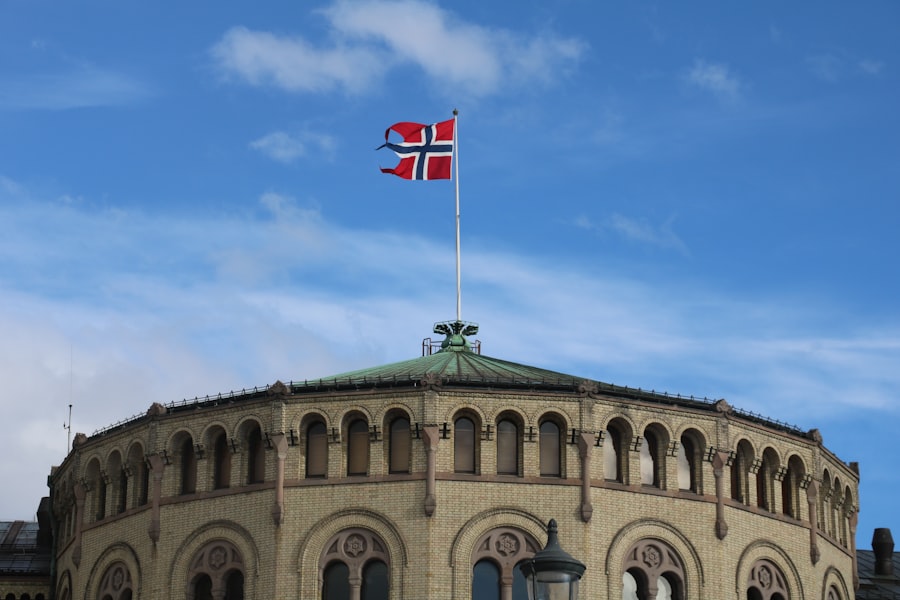
The Norskprøven was developed in response to the growing need for a comprehensive assessment of Norwegian language skills among non-native speakers. Launched in 2013, this exam was designed to evaluate proficiency across four key areas: reading, writing, listening, and speaking. The development process involved collaboration between language experts, educators, and policymakers to ensure that the exam accurately reflects the linguistic demands faced by learners in real-life situations.
As a result, the Norskprøven has become an essential tool for both learners and institutions alike. It provides a clear pathway for individuals seeking to improve their language skills while also offering educational institutions a reliable means of assessing student progress. The exam’s structure is aligned with the Common European Framework of Reference for Languages (CEFR), ensuring that it meets international standards for language assessment.
This alignment not only enhances the credibility of the exam but also facilitates recognition of Norwegian language proficiency on a global scale.
The Role of Norskprøven in Immigration and Citizenship Processes
Norskprøven plays a pivotal role in Norway’s immigration and citizenship processes, serving as a critical requirement for those seeking to establish their residency or gain citizenship. The Norwegian government has made it clear that proficiency in the Norwegian language is essential for successful integration into society. As such, passing the Norskprøven is often a prerequisite for obtaining permanent residency or citizenship status.
This requirement underscores the importance placed on language skills as a means of fostering social cohesion and ensuring that newcomers can actively participate in their communities. By mandating language proficiency assessments, Norway aims to promote not only linguistic competence but also cultural understanding among its residents. The Norskprøven thus serves as both a gateway to citizenship and a tool for encouraging engagement with Norwegian culture and values.
The Evolution of the Exam’s Format and Content
| Year | Event | Reason for Creation | Key Metrics |
|---|---|---|---|
| 1970s | Initial Development of Norskprøven | Need for standardised Norwegian language proficiency test for immigrants | Test levels established: A1 to C2 (CEFR aligned) |
| 1980 | Official Introduction of Norskprøven | Facilitate integration and assess language skills for work and education | First official exam administered to 1,000 candidates |
| 1990s | Expansion of Test Usage | Growing immigrant population required reliable language assessment | Annual test takers increased to 10,000 |
| 2000 | Alignment with CEFR Standards | Ensure international recognition and consistency | Test levels fully aligned with CEFR A1 to C2 |
| 2010 | Digitalisation of Norskprøven | Improve accessibility and efficiency of testing | Online testing platforms introduced, 30% of tests taken digitally |
| 2020 | Current Status | Support integration, education, and employment for immigrants | Over 50,000 annual test takers, recognised by Norwegian authorities |
Since its inception, the Norskprøven has undergone several revisions to enhance its relevance and effectiveness as a language proficiency exam. The format and content have evolved in response to feedback from test-takers, educators, and stakeholders within the community. This iterative process ensures that the exam remains aligned with contemporary language usage and reflects the diverse contexts in which Norwegian is spoken.
The exam’s structure has been designed to assess not only linguistic competence but also practical communication skills. For instance, the inclusion of real-life scenarios in listening and speaking components allows test-takers to demonstrate their ability to navigate everyday situations effectively. Additionally, ongoing research into language acquisition informs updates to the exam’s content, ensuring that it remains relevant to current trends in language use and cultural practices.
The Collaboration Between Language Experts and Government Agencies

The successful development and implementation of the Norskprøven can be attributed to the collaborative efforts between language experts and government agencies. This partnership has been instrumental in creating an exam that meets both educational standards and societal needs. Language specialists contribute their expertise in linguistics and pedagogy, while policymakers provide insights into the practical implications of language proficiency within the context of immigration and integration.
This collaboration extends beyond the initial development phase; it continues to inform ongoing improvements to the exam. Regular consultations with educators and community representatives ensure that the Norskprøven remains responsive to the needs of learners from diverse backgrounds. By fostering an inclusive approach to language assessment, Norway demonstrates its commitment to supporting all individuals in their journey towards language mastery.
The Impact of Norskprøven on Language Education and Integration Programs
The introduction of the Norskprøven has had a profound impact on language education and integration programs across Norway. Educational institutions have adapted their curricula to align with the competencies assessed by the exam, ensuring that learners are adequately prepared for success. This alignment not only enhances the quality of language instruction but also provides students with clear goals to work towards.
Moreover, integration programs have increasingly incorporated Norskprøven preparation into their offerings. By providing targeted support for individuals preparing for the exam, these programs help learners build confidence in their language skills while also fostering connections within their communities. The emphasis on practical communication skills within these programs further reinforces the importance of language proficiency as a means of facilitating social integration.
The Recognition of Norskprøven in Academic and Professional Settings
The recognition of Norskprøven extends beyond immigration and citizenship processes; it is also acknowledged within academic and professional settings. Many educational institutions require proof of Norwegian language proficiency as part of their admission criteria for non-native speakers. Similarly, employers often seek candidates who can demonstrate their ability to communicate effectively in Norwegian, making the Norskprøven an invaluable asset for job seekers.
This recognition underscores the significance of language skills in both academic success and career advancement. As Norway continues to attract international talent, proficiency in Norwegian becomes increasingly important for individuals seeking to thrive in their chosen fields. The Norskprøven thus serves as a vital credential that opens doors to educational opportunities and professional pathways.
The Adaptation of Norskprøven to Reflect Changes in Language Usage and Culture
Language is dynamic; it evolves over time in response to cultural shifts and societal changes. The Norskprøven has been designed with this understanding in mind, allowing it to adapt to reflect contemporary language usage and cultural practices. Regular updates to the exam’s content ensure that it remains relevant to current trends while also addressing emerging linguistic challenges faced by learners.
This adaptability is particularly important in a multicultural society like Norway, where diverse influences shape everyday communication. By incorporating elements from various dialects and cultural contexts into the exam, the Norskprøven acknowledges the richness of Norway’s linguistic landscape while promoting inclusivity among test-takers from different backgrounds.
The Influence of Globalization and Multilingualism on the Exam’s Relevance
In an era marked by globalization and multilingualism, the relevance of Norskprøven extends beyond national borders. As individuals from diverse linguistic backgrounds converge in Norway, there is an increasing need for assessments that accurately reflect their unique experiences and challenges in learning Norwegian. The Norskprøven addresses this need by providing a comprehensive evaluation that considers various aspects of language acquisition.
Furthermore, globalization has led to greater awareness of linguistic diversity within educational frameworks worldwide. As such, the Norskprøven serves as an example of how standardized testing can be adapted to meet the needs of an increasingly globalised society while still maintaining its focus on promoting proficiency in Norwegian.
The Continued Importance of Norskprøven in Promoting Language Proficiency and Cultural Understanding
As Norway continues to evolve as a multicultural society, the importance of Norskprøven cannot be overstated. It serves not only as a measure of language proficiency but also as a catalyst for cultural understanding among diverse communities. By encouraging individuals to engage with the Norwegian language, the exam fosters connections between people from different backgrounds while promoting social cohesion.
In this context, specialized courses such as those offered at NLS Norwegian Language School play an essential role in preparing learners for success on the Norskprøven. The Norwegian Test Preparation course at NLS is specifically designed for those aspiring to master the Norwegian language and conquer this pivotal test. Tailored for students at various stages of language mastery, this course aligns with CEFR standards while providing mock tests that help students prepare effectively.
In conclusion, as we navigate an increasingly interconnected world where language skills are highly valued, standardized testing like Norskprøven remains crucial for promoting proficiency and fostering cultural understanding within Norway’s diverse population. Through continued collaboration between educators, policymakers, and learners themselves, we can ensure that this vital assessment evolves alongside our changing society while empowering individuals on their journey towards mastering the Norwegian language.
Pass the Norskprøven with Confidence: Register for Prep Courses Now