
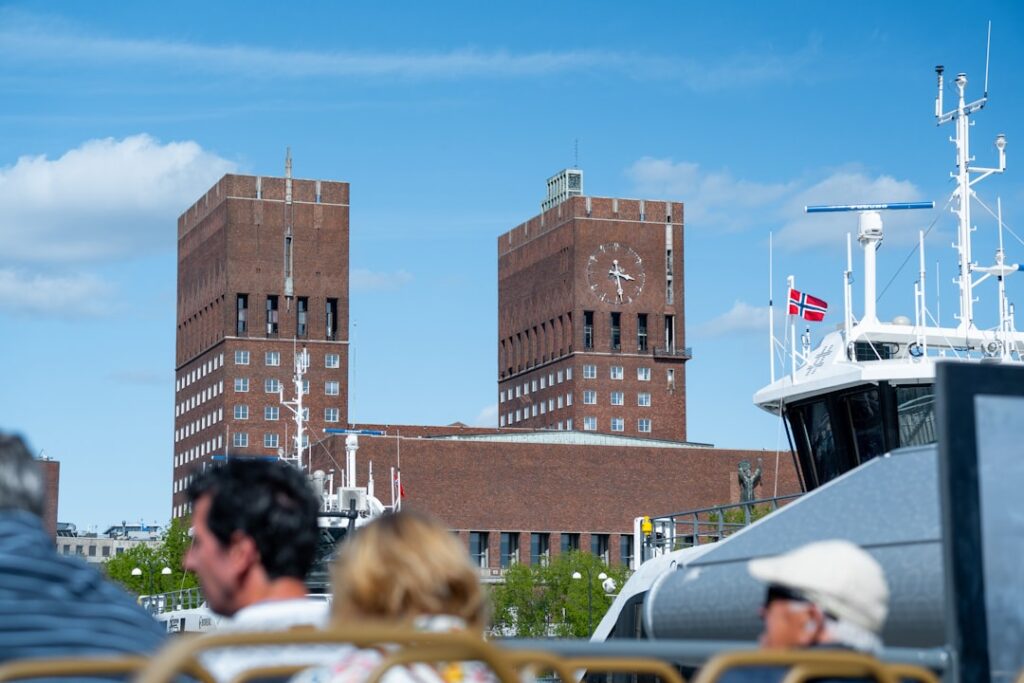
The Norwegian Language School (NLS) in Oslo provides structured language programmes for individuals seeking to develop proficiency in Norwegian whilst experiencing Norwegian culture. The institution operates seasonal courses during summer and winter periods, accommodating learners across all proficiency levels from absolute beginners through to advanced speakers. The school designs its programmes to meet varied learning requirements, ensuring students can select courses appropriate to their linguistic objectives.
Summer programmes at NLS benefit from Oslo’s extended daylight hours and temperate weather conditions during the warmer months. Conversely, winter courses operate within Norway’s distinctive seasonal environment, characterised by reduced daylight and snow coverage. Each seasonal programme presents distinct learning conditions and practical considerations that prospective students should evaluate when selecting their preferred study period.
This analysis examines the structural components of NLS summer and winter programmes, including curriculum content, student composition, and educational outcomes. The comparison addresses practical factors such as accommodation availability, living costs, and cultural activities to assist potential students in making informed decisions regarding their language study timing.
Summary
- The Norwegian Language School offers distinct summer and winter courses tailored to different learning experiences and student needs.
- Seasonal changes significantly influence the curriculum, cultural activities, and social life, providing unique opportunities in each session.
- Student demographics vary between summer and winter, affecting class dynamics and community engagement.
- Accommodation and facilities differ by season, impacting comfort and resources available to students.
- Cost considerations vary, with financial implications depending on the chosen season for study.
Course Offerings: Comparing the Curriculum for Summer and Winter Sessions
The curriculum at NLS is meticulously designed to align with the Common European Framework of Reference for Languages (CEFR), ensuring that students receive a comprehensive education tailored to their proficiency levels. During the summer months, the school offers a range of intensive courses that focus on immersive learning experiences. These courses are structured to facilitate rapid language acquisition, allowing students to engage with the language in a dynamic and interactive manner.
With options available for all levels—A0 through C1—students can choose from various course lengths and intensities, accommodating their individual schedules and learning preferences. In contrast, winter courses at NLS tend to be slightly less intensive, allowing for a more relaxed pace of learning. While still maintaining a high standard of education, these courses often incorporate more cultural elements into the curriculum, providing students with a broader understanding of Norwegian society and traditions.
The winter sessions also offer unique opportunities for students to engage with local customs during the festive season, enriching their language learning experience. Ultimately, both summer and winter courses provide valuable educational opportunities, but the choice between them may depend on a student’s preferred learning style and desired level of intensity. Secure your spot: Enroll in our Norwegian summer courses in Oslo today!
Student Demographics: Examining the Differences in the Student Body for Summer and Winter Courses

The student demographics at NLS vary significantly between summer and winter sessions, reflecting the distinct appeal of each season. Summer courses tend to attract a more diverse group of learners, including tourists, students on holiday, and individuals seeking a short-term language immersion experience. This influx of international students creates a vibrant and multicultural atmosphere within the classroom, fostering an environment where learners can share their backgrounds and experiences while practising their Norwegian skills.
Conversely, winter courses often attract a different demographic, including those who may be more serious about long-term language acquisition or individuals who have specific academic or professional goals in mind. Many winter students are often enrolled in longer-term programmes or are seeking to enhance their language skills for work-related purposes. This difference in student body can influence classroom dynamics, as summer classes may be more casual and social, while winter sessions may foster a more focused and goal-oriented environment.
Weather and Environment: Describing the Impact of Seasonal Changes on the Learning Experience
The weather in Oslo plays a significant role in shaping the learning experience at NLS. During the summer months, students benefit from extended daylight hours and mild temperatures, which encourage outdoor activities and exploration. The pleasant weather allows for language practice beyond the classroom, as students can engage in conversations with locals in parks, cafes, and other public spaces.
This outdoor immersion not only enhances language skills but also fosters a sense of community among learners. In contrast, winter brings its own unique challenges and advantages. The cold weather and shorter days may limit outdoor activities; however, they also create an opportunity for students to engage in cosy indoor gatherings and cultural events.
The enchanting winter landscape transforms Oslo into a picturesque setting that inspires creativity and reflection. Students can take advantage of this serene environment to focus on their studies while also enjoying seasonal festivities that enrich their understanding of Norwegian culture.
Cultural Activities: Highlighting the Unique Opportunities Available During Summer and Winter Sessions
| Aspect | Summer Courses | Winter Courses |
|---|---|---|
| Duration | 4-6 weeks | 8-12 weeks |
| Class Size | Smaller groups (8-12 students) | Larger groups (15-20 students) |
| Course Intensity | Intensive daily classes | Regular paced classes |
| Start Dates | June to August | January to March |
| Focus | Conversational skills and practical usage | Comprehensive grammar and writing |
| Extracurricular Activities | Outdoor cultural excursions | Indoor workshops and seminars |
| Tuition Fees | Moderate | Standard |
| Student Demographics | Tourists and short-term learners | Long-term students and professionals |
Cultural activities are an integral part of the learning experience at NLS, with each season offering distinct opportunities for students to engage with Norwegian culture. During summer courses, students can participate in various outdoor events such as music festivals, art exhibitions, and local markets. These activities not only provide a fun way to practise language skills but also allow students to connect with the local community and gain insights into contemporary Norwegian life.
Winter courses at NLS offer a different set of cultural experiences that highlight Norway’s rich traditions during the festive season. Students can partake in holiday celebrations, traditional food tastings, and winter sports activities such as skiing or ice skating. These experiences provide valuable context for language learning, as students can learn vocabulary related to seasonal customs while enjoying the warmth of shared experiences with fellow learners.
Both summer and winter sessions at NLS ensure that cultural immersion is an essential component of language education.
Language Immersion: Discussing the Benefits of Learning Norwegian in Different Seasons
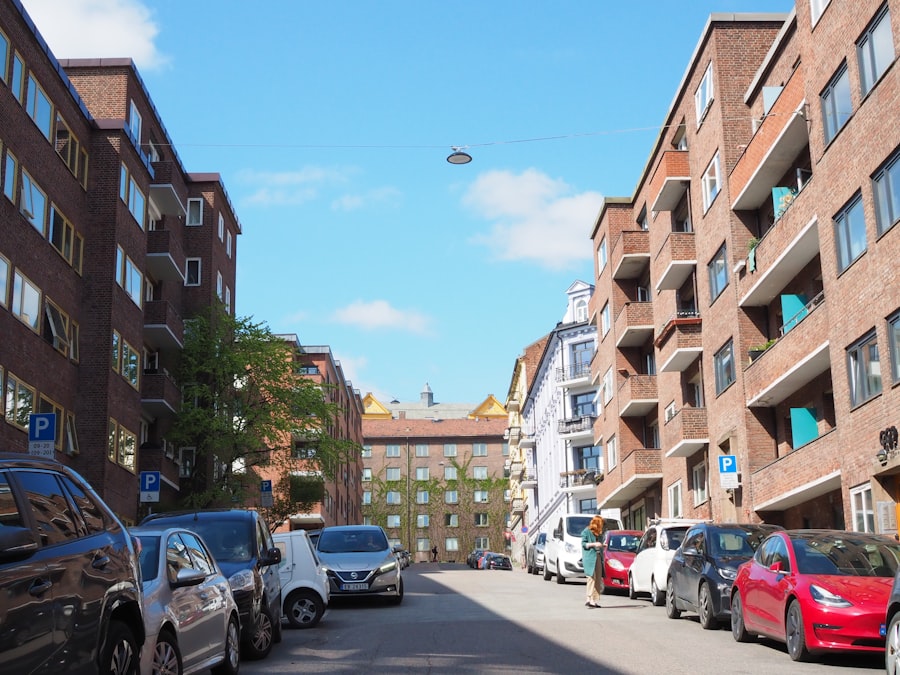
Language immersion is a key aspect of the educational philosophy at NLS, with both summer and winter courses designed to maximise exposure to the Norwegian language. In summer, the immersive environment is enhanced by the lively atmosphere of Oslo, where students can easily interact with native speakers in various settings. The abundance of outdoor activities encourages spontaneous conversations and real-life practice, which is invaluable for language acquisition.
During winter sessions, immersion takes on a different form as students navigate the unique linguistic challenges presented by seasonal vocabulary and expressions. The opportunity to learn about Norwegian traditions during this time allows students to deepen their understanding of cultural nuances while practising their language skills in context. Both seasons offer distinct advantages for language immersion; however, students may find that their personal preferences for social interaction or cultural engagement influence their overall experience.
Accommodation and Facilities: Contrasting the Housing and Resources Available for Summer and Winter Students
Accommodation options at NLS vary between summer and winter sessions, reflecting the differing needs of students during these times. In summer, many students opt for shared housing arrangements that foster social interaction among peers. These accommodations are often located near the school or within easy reach of public transport, allowing students to explore Oslo conveniently while building friendships with fellow learners.
Winter students may have different accommodation preferences due to the colder weather and shorter days. Many choose private rooms or apartments that offer more comfort during this season. Additionally, NLS provides access to various facilities such as study rooms, libraries, and recreational areas that cater to both summer and winter students.
Regardless of the season, NLS ensures that all learners have access to resources that support their educational journey.
Teaching Methods: Exploring the Approach to Language Instruction in Summer and Winter Courses
The teaching methods employed at NLS are designed to be adaptable to the needs of students across both summer and winter sessions. In summer courses, instructors often utilise interactive techniques that encourage active participation and collaboration among learners. This approach fosters a lively classroom environment where students feel comfortable practising their language skills through group activities, discussions, and role-playing exercises.
In contrast, winter courses may incorporate more structured lessons that focus on grammar and vocabulary development alongside cultural insights. While still maintaining an interactive element, instructors may place greater emphasis on academic rigor during this season to accommodate students’ specific goals. Regardless of the season, NLS prioritises effective teaching methods that promote language acquisition while ensuring that students remain engaged and motivated throughout their learning experience.
Social Life: Comparing the Social Scene and Community Engagement for Summer and Winter Students
The social life at NLS varies significantly between summer and winter sessions due to differences in student demographics and seasonal activities. Summer courses tend to foster a vibrant social scene characterised by outdoor gatherings, group excursions, and cultural events that encourage interaction among students from diverse backgrounds. The warm weather creates an inviting atmosphere for socialising, allowing learners to forge connections while practising their Norwegian skills in informal settings.
In contrast, winter courses may offer a more intimate social experience as students bond over shared interests in language learning amidst the cosy indoor environment. While outdoor activities may be limited due to weather conditions, winter students often engage in group study sessions or participate in cultural events that promote community engagement. Both seasons provide valuable opportunities for social interaction; however, students may find that their experiences differ based on seasonal dynamics.
Cost and Financial Considerations: Analyzing the Differences in Expenses for Summer and Winter Courses
When considering enrolment at NLS, prospective students should also take into account the financial implications associated with summer versus winter courses. Generally speaking, summer courses may come with higher tuition fees due to increased demand for intensive programmes during this peak season. Additionally, accommodation costs may vary depending on location and type of housing chosen by students.
Winter courses may present more affordable options as demand tends to be lower during this time; however, students should still budget for potential expenses related to seasonal activities or excursions that enhance their learning experience. Ultimately, careful financial planning is essential for prospective learners as they weigh their options between summer and winter sessions at NLS.
Reflecting on the Overall Experience of Summer and Winter Courses at the Norwegian Language School
In conclusion, both summer and winter courses at the Norwegian Language School offer unique advantages that cater to different learning styles and preferences. The vibrant atmosphere of summer provides an engaging environment for immersive language practice while winter courses offer a more focused approach enriched by cultural traditions. Regardless of when students choose to enrol, they can expect high-quality instruction tailored to their individual needs.
Ultimately, whether one opts for the sunlit streets of Oslo in summer or the enchanting winter wonderland during colder months, NLS ensures an enriching educational experience that extends beyond mere language acquisition. With opportunities for cultural engagement, social interaction, and personal growth available year-round, students are sure to leave NLS with not only improved language skills but also cherished memories of their time spent in Norway.