
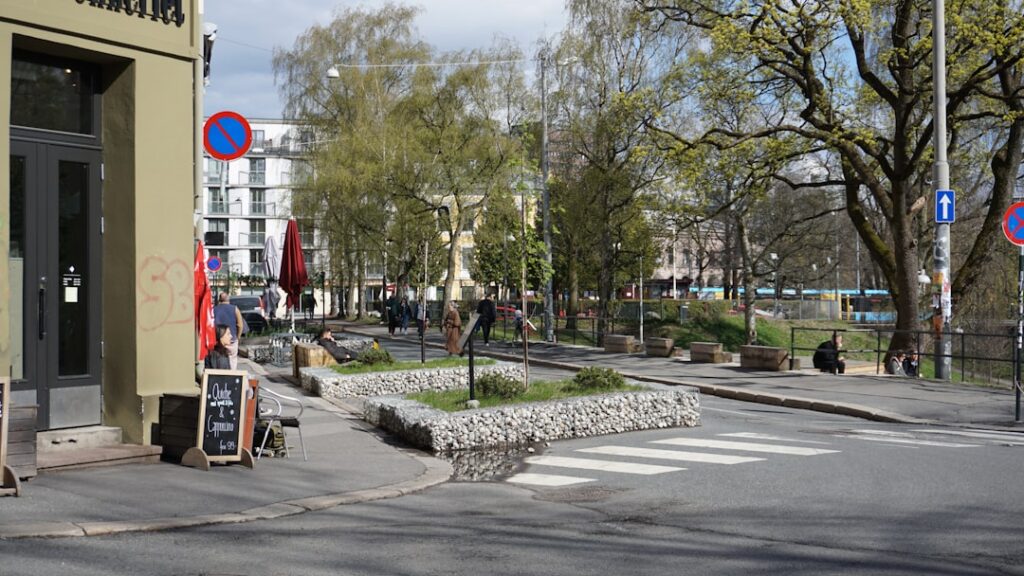
Immerse Yourself in Norwegian This Summer
The pursuit of linguistic proficiency, especially in a language as distinctive as Norwegian, can be a rewarding undertaking. For those seeking an accelerated path to fluency, particularly during the warmer months, intensive summer courses present a compelling opportunity. This article examines the offerings of the NLS Norwegian Language School in Oslo, focusing on its intensive summer courses, and aims to provide a comprehensive overview for prospective students. Ready to master the language? Secure your spot at NLS Norwegian Language School today and join the most intensive Norwegian summer courses in Oslo!
The NLS Norwegian Language School, situated in the vibrant capital city of Oslo, is dedicated to providing high-quality Norwegian language instruction. Established with the goal of equipping individuals with the necessary tools to communicate effectively in Norwegian, the school caters to a diverse international student body. Its location in Oslo provides students with an immediate immersion environment, allowing them to practice their newly acquired skills outside the classroom in authentic settings. The school’s approach is characterised by its commitment to effective pedagogy, focusing on practical communication skills alongside grammatical accuracy and cultural understanding.
Mission and Educational Philosophy
At its core, NLS operates on a philosophy that prioritises student-centred learning. The curriculum is designed not merely to impart knowledge but to foster confidence and independence in language use. The emphasis is on creating an engaging and supportive learning environment where students feel encouraged to experiment with the language, make mistakes, and learn from them. This approach is particularly vital in an intensive setting, where rapid progress is the primary objective. The school believes that effective language acquisition is a journey of discovery, and their role is to act as guides, providing the necessary direction and resources.
Framework of Learning
The school’s commitment to a structured yet flexible learning framework is evident in its alignment with the Common European Framework of Reference for Languages (CEFR). This internationally recognised standard provides a clear delineation of language proficiency levels, allowing students to accurately assess their current standing and identify appropriate courses for their progression. The CEFR levels, ranging from A0 (beginner) to C1 (advanced), serve as a scaffold upon which the NLS curriculum is built, ensuring that learning objectives are measurable and that students can track their progress with tangible milestones.
Location and Facilities
Oslo, as Norway’s capital, offers a unique backdrop for language study. The city is a hub of activity, boasting a rich cultural heritage, modern infrastructure, and a welcoming atmosphere for international visitors. NLS capitalises on this environment by situating its school in a convenient and accessible part of the city. While specific details regarding the school’s physical facilities might vary, it is typical for such institutions to offer modern classrooms, likely equipped with audio-visual aids, and perhaps areas for student interaction and self-study. The urban environment itself serves as an extended classroom, encouraging students to explore museums, attend cultural events, and engage with local communities, thereby reinforcing their learning in a practical context.
Proximity to Amenities
The strategic placement of NLS in Oslo means that students are likely to be in close proximity to essential amenities such as public transport, student accommodation options, and various recreational and cultural sites. This convenience contributes significantly to the overall student experience, minimising logistical challenges and maximising opportunities for both academic pursuits and personal exploration.
Intensive Summer Courses: The NLS Approach
The NLS Norwegian Language School’s intensive summer courses are specifically designed for learners who wish to make substantial progress in Norwegian within a compressed timeframe. These programmes are structured to maximise learning efficiency, blending focused classroom instruction with opportunities for practical application. The summer period, often associated with more relaxed schedules, is leveraged by NLS to offer an immersive linguistic experience that can be both productive and enjoyable. The intensity of the courses necessitates a dedicated approach from both instructors and students, fostering a dynamic learning environment.
Curriculum Design and Pedagogy
The curriculum for the intensive summer courses is meticulously crafted around the CEFR framework, ensuring that each level of instruction is comprehensive and progressive. This structural integrity means that students embarking on a beginner course will build a solid foundation, while those at higher levels will refine their existing skills and tackle more complex linguistic challenges. The pedagogical methods employed are varied, incorporating communicative tasks, interactive exercises, role-playing, and authentic language materials. The aim is to move beyond rote memorisation and encourage spontaneous language production.
Communicative Language Teaching
A cornerstone of the NLS teaching methodology is communicative language teaching. This approach prioritises the development of practical communication skills, focusing on what students can do with the language. Classroom activities are often designed to simulate real-life situations, such as ordering food, asking for directions, or engaging in conversations with native speakers. This ensures that learners are not only acquiring grammatical knowledge but also developing the confidence and fluency to use it effectively in everyday interactions.
Role of Grammar and Vocabulary
While the emphasis is on communication, a thorough understanding of grammar and an expanding vocabulary are integral to achieving fluency. NLS strategically integrates grammar instruction, presenting rules within a functional context rather than in isolation. Similarly, vocabulary acquisition is approached through thematic units and practical application, ensuring that new words and phrases are learned in a memorable and usable way. The intensive nature of the summer courses allows for frequent reinforcement of these foundational elements.
Proficiency Levels Catered For
NLS demonstrates a commitment to inclusivity by offering intensive summer courses designed to cater to a wide spectrum of language learners. This is achieved through a clear segmentation of the curriculum according to the CEFR levels, ensuring that each student is placed in a course that is both challenging and appropriate for their current proficiency.
A0: Absolute Beginners
For individuals with no prior exposure to the Norwegian language, the A0 level courses provide a gentle yet thorough introduction. These courses focus on fundamental pronunciation, basic greetings, essential vocabulary for everyday situations, and simple sentence structures. The goal is to equip absolute beginners with the confidence to navigate initial interactions and build a solid base for future learning.
A1: Beginner
The A1 level builds upon the foundation laid at A0, further developing basic conversational skills. Students learn to introduce themselves and others, ask and answer simple questions about personal details, and understand and use familiar everyday expressions and very basic phrases. The intensive format allows for consistent practice of these fundamental building blocks.
A2: Elementary
At the A2 level, learners begin to expand their communicative abilities. They can understand sentences and frequently used expressions related to areas of most immediate relevance (e.g., very basic personal and family information, shopping, local geography, employment). They can communicate in simple and routine tasks requiring a simple and direct exchange of information on familiar and routine matters.
B1: Intermediate
The B1 level marks a significant step towards B2. Students at this stage can understand the main points of clear standard input on familiar matters regularly encountered in work, school, leisure, etc. They can deal with most situations likely to arise whilst travelling in an area where the language is spoken. They can produce simple connected text on topics which are familiar or of personal interest and describe experiences and events, dreams, hopes & ambitions and briefly give reasons and explanations for opinions and plans.
B2: Upper Intermediate
The B2 level signifies a greater degree of independence and fluency. Learners at this level can understand the main ideas of complex text on both concrete and abstract topics, including technical discussions in their field of specialisation. They can interact with a degree of fluency and spontaneity that makes regular interaction with native speakers quite possible without strain for either party. They can produce clear, detailed text on a wide range of subjects and explain a viewpoint on a topical issue giving the advantages and disadvantages of various options.
C1: Advanced
The C1 level courses are geared towards learners who have achieved a high level of proficiency. They can understand a wide range of demanding, longer texts, and recognise implicit meaning. They can express themselves fluently and spontaneously without much obvious searching for expressions. They can use language flexibly and effectively for social, academic and professional purposes. They can produce clear, well-structured, detailed text on complex subjects, showing controlled use of organisational patterns, connectors and cohesive devices.
Advantages of an Intensive Summer Format
The intensive nature of the summer courses offers several distinct advantages for learners. The compressed timeframe necessitates focused engagement, leading to a potentially faster acquisition of language skills. Consistent daily exposure and practice, as afforded by an intensive schedule, can significantly accelerate the learning curve. This concentrated approach allows students to immerse themselves more deeply in the language, making it a more pervasive element of their daily lives during the course duration.
Rapid Skill Development
The primary advantage of an intensive course is the potential for rapid skill development. By dedicating significant time each day to learning and practising Norwegian, students can achieve a level of proficiency that might take considerably longer in a less concentrated format. This is akin to sprinting rather than a leisurely walk; the pace is faster, but the distance is covered more quickly.
Overcoming Learning Plateaus
Intensive learning can also be instrumental in overcoming common learning plateaus. The constant engagement and varied activities within an intensive programme can help to break through mental barriers and prevent learners from becoming stagnant in their progress. The novelty introduced by the immersive summer experience can reignite motivation and foster a renewed sense of momentum.
Course Structure and Flexibility
NLS acknowledges that learners have diverse needs and circumstances, particularly during the summer months. To accommodate this, the intensive summer courses are structured with a degree of flexibility, allowing students to select options that best suit their schedules and learning preferences.
Course Length Options
Prospective students can typically choose from various course lengths, enabling them to tailor their engagement with the NLS programme to their available time and learning goals. Whether seeking a short, impactful introduction or a more extended period of intensive study, options are usually available to meet these requirements.
Intensity Variations
Beyond course length, NLS often provides variations in intensity. This might refer to the daily or weekly hours of instruction and practice, allowing learners to select a pace that aligns with their capacity for focused study. Some might prefer a more demanding daily schedule for maximum immersion, while others might opt for a slightly less intensive but still concentrated programme.
Morning or Afternoon Sessions
To further enhance flexibility, courses are frequently offered in both morning and afternoon sessions. This allows students to plan their day around their studies, whether they prefer to tackle their language lessons early in the day or dedicate their afternoons to linguistic immersion. This consideration is particularly valuable for students who may have other commitments or wish to combine their studies with sightseeing and exploration in Oslo.
Immersion and Cultural Integration
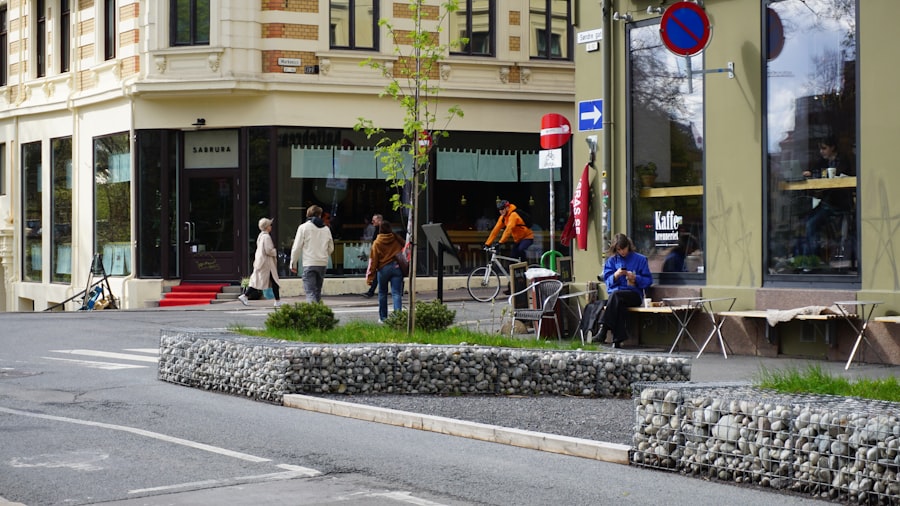
A significant benefit of undertaking a Norwegian language course in Oslo during the summer is the unparalleled opportunity for immersion and cultural integration. The city transforms during the summer months, offering a vibrant backdrop for both linguistic and personal growth. NLS capitalises on this by encouraging students to step outside the classroom and actively engage with the Norwegian way of life.
Experiencing Norwegian Culture Firsthand
Beyond the structured curriculum, the summer in Oslo provides a living laboratory for language learners. The longer daylight hours, pleasant weather, and various festivals and outdoor activities create an environment where Norwegian culture is readily accessible. Students are encouraged to explore local cafes, attend public events, and interact with the local population, thereby applying their language skills in authentic scenarios. This practical application solidifies learning in a way that classroom instruction alone cannot replicate.
The Oslo Summer Scene
Summer in Oslo is characterised by a lively atmosphere. Parks are filled with people, outdoor concerts are common, and the fjords beckon. This offers students numerous informal opportunities to practice their Norwegian, from striking up conversations with locals at a park picnic to navigating public transport or ordering from street food vendors. These seemingly small interactions accumulate to build fluency and confidence.
Engaging with Local Communities
NLS often facilitates or encourages engagement with local communities. This could involve participation in organised cultural excursions, language exchange meet-ups, or simply independent exploration that leads to interactions with Norwegians. The aim is to move beyond the role of a tourist and become an active participant in the local fabric, however temporarily.
Language Practice Beyond the Classroom
The intensive summer programme inherently fosters language practice beyond the confines of the classroom. The immersion in an Oslo setting means that every day presents new opportunities to hear and use Norwegian. This constant exposure acts as a powerful reinforcement mechanism.
Practical Application Scenarios
From navigating grocery stores and public transportation to ordering meals in restaurants and engaging in casual conversations, the everyday life in Oslo provides a multitude of practical application scenarios for the language skills being developed. This constant need to communicate in Norwegian drives learning and cements new vocabulary and grammatical structures.
The Power of Everyday Conversations
Even simple everyday conversations can be incredibly beneficial. A brief chat with a shopkeeper about the weather, asking for directions, or participating in a casual exchange with fellow students outside of class all contribute to a learner’s fluency and comfort with the language.
Building Confidence Through Immersion
The combination of structured learning and real-world immersion is a potent formula for building confidence. As students successfully navigate increasingly complex interactions in Norwegian, their self-assurance grows. This confidence is crucial for continued language learning and for individuals to feel comfortable using their newly acquired skills in future endeavours.
From Hesitation to Fluency
The journey from hesitant utterance to confident expression is a significant milestone. The intensive summer courses at NLS, coupled with the immersive Oslo experience, are designed to accelerate this transition, empowering students to become more fluent and self-assured communicators.
Tailored Courses for Every Learner: A Closer Look
The commitment of the NLS Norwegian Language School to providing individually relevant learning experiences is clearly demonstrated through its “Tailored Courses for Every Learner” initiative. This principle underpins the entire structure of their intensive summer programmes, ensuring that a diverse range of students, from those taking their very first steps in Norwegian to advanced learners honing their skills, can find a course that precisely matches their needs. The flexibility offered is not merely a matter of convenience but a cornerstone of effective language acquisition.
CEFR Alignment for Precision
The foundational element of NLS’s tailored approach is its rigorous adherence to the Common European Framework of Reference for Languages (CEFR). This internationally recognised standard acts as a universal compass, providing a clear and objective measure of language proficiency. By aligning its curriculum with the CEFR, NLS ensures that its courses are not only comprehensive but also accurately calibrated. This means that students can embark on their learning journey with the confidence of knowing that their chosen course is precisely suited to their current abilities and that their progression will be clearly defined and measurable.
Understanding the CEFR Levels
Each CEFR level represents a distinct stage of language mastery, characterised by specific competencies in understanding, speaking, reading, and writing. NLS has meticulously designed its course content and learning objectives to correspond directly with these defined competencies.
A0: The Blank Canvas
For individuals who have never encountered Norwegian before, the A0 level is akin to providing a blank canvas. The curriculum at this stage focuses on introducing the most fundamental elements of the language: pronunciation, basic greetings, essential vocabulary for immediate survival needs (such as introductions and simple requests), and the construction of elementary sentences. The aim is to paint the initial strokes, establishing a user-friendly starting point that minimises intimidation and maximises engagement. This stage is crucial for building a foundation, ensuring that essential building blocks are firmly in place before moving on to more complex structures.
A1: Laying the First Bricks
Building upon the A0 foundation, the A1 level is where the initial construction begins. Students at this stage start to develop rudimentary conversational skills. They learn how to introduce themselves and others, ask and answer basic questions about personal details (like name, origin, profession), and begin to understand and use common, everyday expressions and very basic phrases. This level is like laying the first bricks of a structure, establishing the basic framework for communication. The intensive summer format allows for consistent repetition and practice, reinforcing these initial linguistic building blocks.
A2: Constructing the Walls
The A2 level signifies the learner’s ability to begin constructing the walls of their linguistic edifice. At this stage, students develop the capacity to understand sentences and frequently used expressions related to areas of immediate relevance. These areas typically include very basic personal and family information, shopping, understanding local geography, and basic aspects of employment. Furthermore, they gain the ability to communicate in simple and routine tasks that necessitate a straightforward and direct exchange of information on familiar and everyday matters. This level is where the learner starts to see their communication abilities taking discernible shape.
B1: Adding the Roof and Interior
Reaching the B1 level indicates a significant step towards intermediate proficiency, akin to adding the roof and beginning the interior work on a dwelling. Students at this stage can comprehend the main points of clear, standard input on familiar matters that are regularly encountered in their work, school, or leisure activities. They can also effectively handle most situations that are likely to arise while travelling in an area where Norwegian is spoken. Crucially, they gain the ability to produce simple, connected text on topics that are either familiar or of personal interest. This includes the capacity to describe experiences and events, articulate dreams, hopes, and ambitions, and provide brief reasons and explanations for their opinions and plans. This is a crucial stage where the learner can begin to articulate more nuanced thoughts and ideas.
B2: Furnishing and Decorating the Space
The B2 level represents a higher degree of independence and fluency, comparable to furnishing and decorating a well-constructed space. Learners at this level can grasp the main ideas of complex texts on both concrete and abstract topics, including technical discussions within their specialised field. They can engage in interactions with a degree of fluency and spontaneity that allows for regular interaction with native speakers without undue strain for either party. Furthermore, they can produce clear, detailed text on a wide range of subjects and are capable of explaining a viewpoint on a topical issue, articulating the advantages and disadvantages of various options. This level demonstrates a robust command of the language, allowing for sophisticated communication.
C1: The Master Architect
The C1 level is for learners who have achieved a high, sophisticated level of proficiency, acting as master architects of the language. They can understand a wide range of demanding and longer texts, and importantly, they can recognise implicit meaning – the nuances and subtleties that lie beneath the surface of the language. They can express themselves fluently and spontaneously without obvious searching for expressions, demonstrating a natural command. They can also utilise language flexibly and effectively for social, academic, and professional purposes. This is demonstrated through their ability to produce clear, well-structured, detailed text on complex subjects, showcasing controlled use of organisational patterns, connectors, and cohesive devices.
Customisable Learning Paths
The flexibility offered by NLS extends beyond mere level placement. The school allows students to tailor their learning paths through a variety of course length and intensity options, as well as scheduling choices. This adaptability ensures that the intensive summer experience is not a one-size-fits-all proposition but a personalised journey.
Modular Course Lengths
Prospective students typically have the opportunity to select from a range of modular course lengths. This allows individuals to align their linguistic aspirations with their available time during the summer. Whether a student is looking for a brief, high-impact introduction to Norwegian or a more extended period of deep immersion, the modular structure provides the necessary flexibility. For instance, a student with limited time might opt for a two-week intensive module, while another might choose a six-week programme for more profound progress.
Variable Intensity Programmes
In addition to the duration of study, NLS often provides options for varying the intensity of the courses. This can refer to the number of instructional hours per day or per week. Some learners thrive in a highly concentrated, immersion-style schedule, dedicating a significant portion of their day to language study. Others might prefer a slightly less demanding, yet still intensive, pace that allows for a more balanced integration of study with other summer activities. The availability of these variable intensity programmes ensures that learners can choose a pace that best suits their personal learning style and capacity for focused study.
AM/PM Session Choices
Further enhancing this customisation is the provision of morning or afternoon session choices. This practical consideration acknowledges that individuals have different daily routines and preferences. A student who is a natural early riser might opt for morning classes to dedicate their afternoons to exploring Oslo and practising their Norwegian in real-world settings. Conversely, someone who prefers to start their day at a slower pace might choose afternoon sessions and use their mornings for personal exploration or study. This flexibility is invaluable in making language learning an integral and manageable part of a summer in Oslo.
Intensive Learning Methodologies: Accelerating Fluency
| Course Name | Duration | Level | Average Rating | Number of Reviews | Class Size | Price | Location |
|---|---|---|---|---|---|---|---|
| Oslo Intensive Norwegian Summer Course | 4 weeks | Beginner to Advanced | 4.8 / 5 | 150 | 10-15 students | 1200 | Central Oslo |
| Norwegian Language Immersion | 3 weeks | Intermediate | 4.7 / 5 | 95 | 8-12 students | 1000 | Oslo City Centre |
| Summer Norwegian Crash Course | 2 weeks | Beginner | 4.6 / 5 | 80 | 12-18 students | 850 | Oslo East |
The efficacy of any intensive language programme hinges on the methodologies employed. NLS Norwegian Language School understands that to achieve rapid progress, a dynamic and multifaceted approach to teaching is essential. Their intensive summer courses are therefore built upon a foundation of methodologies designed to accelerate fluency and embed linguistic knowledge effectively.
Communicative Language Teaching (CLT) in Action
Central to NLS’s pedagogical strategy is the principle of Communicative Language Teaching (CLT). This approach moves beyond traditional, grammar-centric instruction and instead prioritises the development of practical communication skills. The core idea is that language is primarily a tool for communication, and therefore, learning should focus on using the language to convey meaning and achieve communicative goals. In an intensive summer course, CLT is particularly powerful because it immediately immerses students in situations where they must use Norwegian to function.
Simulated Real-World Scenarios
Classroom activities are meticulously crafted to mimic real-world situations. Students engage in role-playing exercises that simulate common scenarios, such as checking into a hotel, ordering food in a restaurant, asking for directions, participating in a job interview, or simply engaging in casual conversation with native speakers. These activities provide a safe and structured environment for learners to practice using new vocabulary and grammatical structures in a functional context.
The Art of Conversational Practice
The emphasis on conversational practice is paramount. NLS fosters an environment where students are encouraged to speak as much as possible, even if they make mistakes. The instructors provide guidance and correction, but the primary goal is to build fluency and confidence through consistent verbal interaction. This is akin to learning to swim; you can read about swimming all day, but you only truly learn by getting into the water and practising.
Task-Based Learning (TBL)
Task-Based Learning (TBL) is another key methodology employed to foster active learning. In TBL, the focus is on completing a specific task that requires the use of language. This could involve planning an event, solving a problem, or creating a presentation. The language learning occurs organically as students work collaboratively to achieve the task’s objective.
Problem-Solving Through Language
TBL encourages learners to use their existing linguistic resources to solve problems and achieve a goal. This approach not only reinforces learned material but also motivates students by providing a clear purpose for their language use. The challenge of completing a task often pushes learners to acquire new vocabulary or grammatical structures they might not have encountered otherwise.
Authentic Materials for Real-World Relevance
NLS recognises the importance of exposing students to authentic language as it is used by native speakers. This means incorporating real-world materials into the curriculum, such as Norwegian news articles, song lyrics, movie clips, podcasts, and social media content.
Bridging the Gap Between Classroom and Reality
Using authentic materials helps to bridge the gap between the controlled environment of the classroom and the reality of using Norwegian in everyday life. It exposes students to a wider range of vocabulary, idiomatic expressions, and different registers of language, preparing them for the diverse linguistic situations they will encounter in Oslo.
Deconstructing Media and Text
Students learn to analyse and deconstruct these authentic materials, enhancing their reading comprehension and listening skills. This process also provides insights into Norwegian culture, values, and current affairs, enriching the overall learning experience beyond pure linguistic acquisition.
Why Choose NLS for Your Intensive Summer Norwegian Course?
When considering an intensive Norwegian language course, the choice of institution is a crucial one. The NLS Norwegian Language School in Oslo distinguishes itself through its comprehensive approach to language education, its student-centred methodologies, and its prime location within a vibrant capital city. For individuals seeking to immerse themselves in the Norwegian language during the summer months, NLS offers a compelling proposition.
Proven Track Record and Experienced Instructors
While specific accreditation details would need to be verified, institutions like NLS typically boast a team of experienced and dedicated instructors. These educators are often native or near-native speakers who possess not only linguistic expertise but also a deep understanding of pedagogical best practices. Their experience in teaching Norwegian to a diverse international audience allows them to adapt their teaching styles to meet the varied needs of students. A proven track record, often evidenced by student testimonials and successful learning outcomes, underpins the school’s credibility. The intensive format requires instructors to be highly skilled in managing classroom dynamics and motivating students towards rapid progress.
Expertise in Language Pedagogy
The instructors at NLS are not merely language speakers; they are language educators. This means they are trained in effective teaching methodologies, understand how language is acquired, and are adept at diagnosing and addressing student learning challenges. Their expertise in language pedagogy ensures that the learning experience is structured, effective, and enjoyable.
Comprehensive Support for Students
Beyond the classroom instruction, NLS typically provides comprehensive support to its students. This can encompass academic guidance, assistance with navigating life in Oslo, and fostering a sense of community among learners. Creating a supportive environment is essential for the success of intensive programmes, as it helps students to overcome challenges and stay motivated.
Navigating Life in Oslo
For international students, adjusting to a new city can be daunting. NLS often assists with practical aspects, such as providing information on accommodation, student visas (if applicable), and general advice for settling into Oslo. This helps to reduce stress and allows students to focus their energy on their language studies.
Fostering a Student Community
Intensive courses can be demanding, and having a strong support network can make a significant difference. NLS typically encourages the formation of a student community through social events, group activities, and informal gatherings, allowing students to connect with one another, share experiences, and practice their Norwegian in a relaxed social setting.
The Oslo Advantage: An Unrivalled Immersion Environment
The decision to study Norwegian in Oslo during the summer months is, in itself, a strategic choice for accelerated learning. The NLS Norwegian Language School capitalises on this advantage, integrating the urban environment into the learning experience. The city of Oslo is not merely a backdrop; it is an active participant in the student’s linguistic journey.
A Living Laboratory for Language Acquisition
Oslo offers a unique opportunity to apply learned concepts in real-time. From ordering coffee at a local café to asking for directions or discussing current events with locals, every interaction becomes a practical language lesson. The summer months, with their extended daylight hours and numerous outdoor activities, provide an abundance of informal opportunities to engage with the language and culture. This constant exposure is instrumental in solidifying knowledge and building fluency.
Seamless Integration of Study and Lifestyle
The school’s location within Oslo allows for a seamless integration of study and lifestyle. Students can easily transition from formal classroom instruction to spontaneous practice in the city’s many accessible public spaces, cultural institutions, and social hubs. This continuous engagement with the language reinforces what is learned in class and fosters a more natural and intuitive understanding of Norwegian.
The intensive summer courses at the NLS Norwegian Language School in Oslo present a robust and well-structured pathway for individuals seeking to master the Norwegian language. Through its commitment to CEFR alignment, its tailored course offerings, and its embrace of communicative and task-based learning methodologies, NLS provides a fertile ground for language acquisition. When combined with the unparalleled immersion opportunities afforded by studying in Oslo during the summer, these courses offer a highly effective and enriching experience for learners of all levels.