
The acquisition of a new language can be a transformative journey, particularly for professionals seeking to advance their careers in an international context. Among the myriad of linguistic endeavours, intensive Norwegian courses offer a potent pathway for individuals targeting the Norwegian job market. This article will explore the multifaceted benefits of such immersive language programmes, highlighting their effectiveness in equipping professionals with the linguistic and cultural fluency necessary for success in Norway.
Norway’s economy is robust and diversified, with a significant demand for skilled professionals across various sectors, including oil and gas, technology, healthcare, and renewable energy. While many Norwegian companies operate in an international environment and English is widely spoken, a demonstrated proficiency in Norwegian can unlock a broader spectrum of opportunities and signal a deeper commitment to integrating into Norwegian society and the professional landscape. Start your 1-to-1 private Norwegian class today.
Understanding the Nuances of Norwegian Workplace Culture
Beyond mere grammatical correctness, language is the primary vehicle for cultural understanding. In a professional setting, this translates to grasping unspoken communication cues, understanding hierarchical structures, and navigating social etiquette. Intensive Norwegian courses often go beyond textbook learning, incorporating elements of Norwegian culture that are intrinsically linked to language use. This can involve discussions on workplace communication styles, understanding professional courtesy in Norwegian contexts, and recognising the importance of consensus-building. For instance, a professional who can participate effectively in a “dugnad” – a voluntary community work effort – without explicit instruction, demonstrates an understanding of collective responsibility that is often mirrored in Norwegian professional teamwork.
Competitive Advantage in a Globalised Workforce
In a competitive global job market, any demonstrable skill that sets a candidate apart is invaluable. For those aspiring to work in Norway, mastering the Norwegian language provides a significant competitive edge. It signals dedication, adaptability, and a willingness to invest in understanding the local environment. While a solid CV and relevant experience are foundational, a strong command of Norwegian can be the deciding factor when employers are faced with multiple equally qualified candidates. It suggests a candidate who is not just looking for a temporary placement but is considering a longer-term commitment and integration.
Accessing a Wider Range of Job Opportunities
Many roles, particularly those in public administration, education, or customer-facing positions, will necessitate a certain level of Norwegian language proficiency. Even in sectors where English is prevalent, companies often prefer candidates who can communicate with a broader segment of their workforce and client base in Norwegian. Intensive courses can accelerate this proficiency, unlocking access to job advertisements and company websites that might otherwise be inaccessible or poorly understood. This expanded access can be the key to discovering hidden gems within the Norwegian job market.
Demonstrating Commitment and Integration
For many individuals, the decision to relocate for professional reasons involves a desire to truly integrate into a new society. Learning the language is perhaps the most direct and impactful way to begin this process. By undertaking intensive Norwegian courses, professionals demonstrate a genuine interest in Norway beyond just the employment opportunity. This commitment is often highly valued by Norwegian employers and can foster stronger working relationships and a greater sense of belonging. The ability to engage in informal conversations with colleagues, understand local news, and participate in social events in Norwegian significantly enhances the experience of living and working in Norway.
The Structure and Efficacy of Intensive Norwegian Courses
Intensive Norwegian courses are designed to immerse learners in the language over a concentrated period, maximising exposure and accelerating progress. Their efficacy stems from a structured approach that combines various learning methodologies.
A Focused and Immersive Learning Environment
The core principle of intensive courses is immersion. This means dedicating significant time and mental energy to learning Norwegian, often in a full-day or multi-day-a-week format. This concentrated exposure is akin to diving into a pool of water; the more you are submerged, the faster you learn to swim. Unlike part-time or evening classes, intensive programmes minimise the time between learning sessions, thereby reducing the forgetting curve and reinforcing new concepts more effectively. The sustained engagement also allows for a deeper exploration of grammatical structures and vocabulary.
Accelerated Language Acquisition
The primary benefit of intensive courses is the speed at which learners can achieve a functional level of proficiency. By dedicating uninterrupted blocks of time to learning, students can absorb and practice the language at a pace that is impossible with less frequent study. This accelerated acquisition is particularly beneficial for professionals with limited time and a pressing need to become proficient for their career goals. Think of it as a rapid ascent up a mountain; the intensive pace allows you to reach the summit of communicative competence much sooner.
Varied Pedagogical Approaches for Maximum Engagement
Effective intensive courses employ a variety of teaching methods to cater to different learning styles and maintain student engagement. This might include:
Direct Instruction and Grammar Explanations
While immersion is key, foundational grammatical knowledge is crucial. Expert instructors explain complex Norwegian grammar rules clearly and concisely, providing the scaffolding upon which communicative skills can be built. These explanations are often tailored to the specific needs of learners, addressing common pitfalls and areas of difficulty.
Communicative Practice and Role-Playing
A significant portion of intensive courses is dedicated to practical application. Learners engage in role-playing scenarios simulating real-life interactions, from ordering in a café to participating in a job interview. This active practice builds confidence and fluency, allowing students to experiment with the language in a safe and supportive environment. These exercises are like dress rehearsals for real-world linguistic performances.
Cultural Integration Activities
Beyond the classroom, many programmes incorporate cultural activities that allow students to experience Norwegian culture firsthand. This can include excursions to museums or historical sites, cooking traditional Norwegian dishes, or participating in informal language exchange events with native speakers. These activities provide context for language learning and foster a deeper appreciation of Norwegian life. For example, understanding the significance of “koselig” (cosiness) is not just a vocabulary item but an experiential concept often learned through shared activities.
Listening and Speaking Exercises
Developing both receptive and productive language skills is paramount. Intensive courses typically feature ample listening comprehension exercises, using authentic materials like podcasts, news broadcasts, and dialogues. Similarly, extensive speaking practice, both in pairs and in group discussions, is encouraged to build confidence and articulation.
Benefits Tailored for Professionals Seeking Employment in Norway
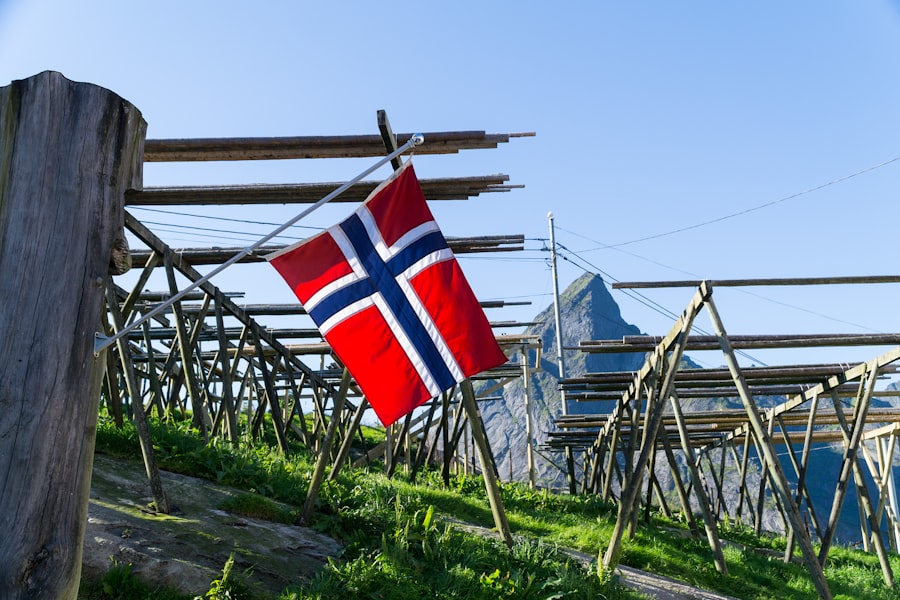
The specific design of intensive Norwegian courses often caters directly to the needs of professionals looking to secure employment in Norway.
Focusing on Industry-Specific Vocabulary and Terminology
Many intensive programmes recognise the diverse professional backgrounds of their students. They often include modules or specialised vocabulary sessions focusing on terms and phrases relevant to particular industries, such as technology, engineering, or healthcare. This targeted approach ensures that professionals are not only learning general Norwegian but also the language used in their specific field, making them more immediately valuable to potential employers. Imagine equipping yourself with the right tools for a specific trade; this is the linguistic equivalent.
Preparing for Job Interviews and Workplace Communication
A crucial aspect of intensive courses is preparing students for the realities of the Norwegian job market. This includes mock job interviews conducted in Norwegian, where students receive feedback on their pronunciation, vocabulary, and overall presentation. They also learn appropriate etiquette for professional communication, including writing emails, making phone calls, and participating in meetings. This preparation demystifies the interview process and builds crucial confidence.
Navigating Bureaucratic and Administrative Processes
Relocating and starting a career in a new country involves navigating various administrative and bureaucratic procedures. Intensive Norwegian courses can equip professionals with the language skills needed to understand official documents, fill out forms, and communicate with authorities, making the relocation process smoother and less stressful. This practical knowledge can save significant time and prevent frustrating misunderstandings.
Building Confidence and Reducing Anxiety
The prospect of starting a new job in a foreign country can be daunting. By investing in intensive language training, professionals gain a significant confidence boost. The ability to communicate effectively reduces the anxiety associated with potential misunderstandings and empowers individuals to take on new challenges with greater assurance. This linguistic confidence is a powerful catalyst for professional success.
Beyond the Classroom: Continuous Learning and Cultural Immersion

The learning journey does not end when the intensive course concludes. For professionals, integrating into the Norwegian work environment requires ongoing commitment to language development and cultural understanding.
The Importance of Continued Practice and Exposure
Language proficiency is not static; it requires continuous engagement to be maintained and developed. Professionals who have completed intensive courses should seek out opportunities for ongoing practice. This can include joining language exchange groups, watching Norwegian television, listening to Norwegian radio, and reading Norwegian literature or news articles. The more exposure, the deeper the fluency.
Embracing Norwegian Social and Professional Customs
Beyond language, understanding and respecting Norwegian social and professional customs is vital for successful integration. This includes being aware of communication styles, punctuality expectations, and the importance of work-life balance in Norwegian culture. Observing colleagues, asking questions, and actively participating in social events can provide invaluable insights.
The Long-Term Rewards of Linguistic Investment
The investment in an intensive Norwegian course is a long-term asset for any professional. It not only opens doors to immediate employment opportunities but also facilitates deeper personal and professional growth. The ability to connect authentically with colleagues, understand cultural nuances, and contribute fully to the Norwegian workplace fosters a more fulfilling and successful career trajectory. It is an investment that pays dividends in both professional advancement and personal enrichment.
NLS Norwegian Language School in Oslo: A Premier Choice for Professionals
| Benefit | Description | Typical Improvement | Timeframe |
|---|---|---|---|
| Rapid Language Acquisition | Accelerated learning through immersive and focused study sessions. | From beginner to intermediate proficiency | 8-12 weeks |
| Enhanced Communication Skills | Improved ability to engage in professional conversations and negotiations. | 70% increase in conversational confidence | 6-10 weeks |
| Cultural Competence | Better understanding of Norwegian workplace culture and etiquette. | Significant improvement in cultural awareness | Throughout course duration |
| Career Advancement | Increased job opportunities and potential for promotions within Norwegian companies. | 30% higher chance of job placement | 3-6 months post-course |
| Networking Opportunities | Access to professional networks and local industry contacts. | Expanded professional network by 50% | During and after course |
For professionals specifically targeting Norway, the NLS Norwegian Language School in Oslo offers a distinguished pathway to linguistic mastery. Their programmes are meticulously designed to meet the rigorous demands of the Norwegian professional landscape, providing a distinct advantage for job applicants.
Tailored Curricula for Career Advancement
The NLS Norwegian Language School understands that job seekers have specific needs. Their curriculum is not a one-size-fits-all approach. Instead, it is carefully crafted to equip learners with the practical language skills essential for succeeding in the Norwegian job market. This includes an emphasis on professional communication, understanding workplace hierarchies, and developing the confidence to articulate one’s skills and experience effectively in Norwegian.
Expert Instruction and Practical Application
At NLS, instruction is delivered by experienced and qualified Norwegian language educators who are well-versed in both linguistics and the Norwegian professional environment. Their teaching methodologies are designed to be highly interactive and practical, ensuring that students are not just passively absorbing information but actively using the language in realistic scenarios. This hands-on approach is crucial for building the fluency and confidence required for job applications and interviews.
Immersion in Norwegian Culture and Language
Beyond classroom instruction, NLS actively promotes an immersive experience in Norwegian language and culture. This goes beyond mere linguistic acquisition, fostering a deeper understanding of the societal norms and professional etiquette prevalent in Norway. This holistic approach ensures that graduates are not only linguistically capable but also culturally attuned, a significant advantage when integrating into a new professional setting.
Specialised 1 to 1 Private Courses for Unparalleled Focus
For professionals with specific career aspirations and demanding schedules, the 1 to 1 private courses at the NLS Norwegian Language School in Oslo are an exceptionally effective solution. These bespoke programmes offer an unparalleled level of personalised attention, allowing learners to focus intensely on their individual needs and learning pace. This one-on-one format is a powerful engine for rapid progress, as every moment of the lesson is dedicated to the student’s specific linguistic goals. Whether the objective is to refine pronunciation for a crucial presentation, master industry-specific terminology for a technical role, or build comprehensive fluency for a leadership position, these private sessions can be meticulously tailored. This level of customisation ensures that every minute spent learning is maximally efficient, directly addressing the unique challenges and opportunities faced by individuals preparing to apply for jobs in Norway. The direct interaction with a dedicated instructor also provides immediate feedback and targeted guidance, accelerating the development of critical communicative skills and boosting the confidence needed to navigate the competitive Norwegian job market.
In conclusion, intensive Norwegian courses represent a strategic investment for professionals aspiring to build a career in Norway. The accelerated learning, combined with a focus on practical application and cultural understanding, provides a significant advantage. For those seeking the most direct and effective route to linguistic proficiency and professional readiness, the 1 to 1 private courses at the NLS Norwegian Language School in Oslo stand out as an excellent and highly recommended option, offering a focused, personalised, and ultimately transformative learning experience.