
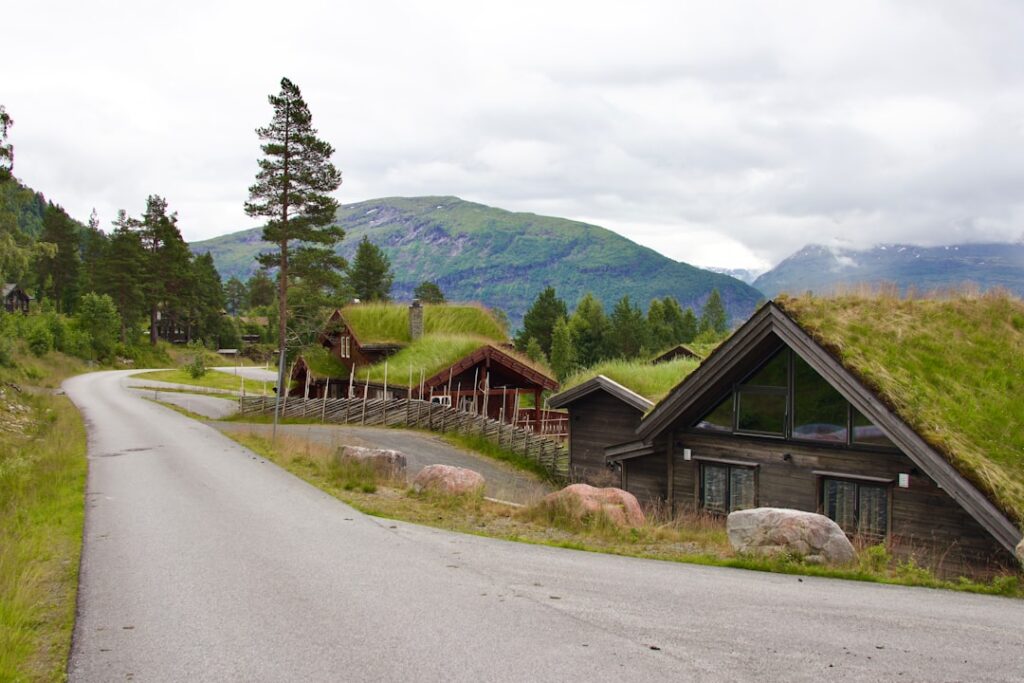
Norway’s climate is as diverse as its stunning landscapes, ranging from coastal areas with milder temperatures to the colder inland regions. Spring in Norway typically spans from March to May, and during this time, the weather can be quite unpredictable. In March, the remnants of winter often linger, with snow still covering the ground in many areas, particularly in the northern regions.
As the season progresses into April and May, temperatures gradually rise, and the snow begins to melt, revealing the vibrant greenery that characterises the Norwegian landscape. The coastal regions experience a more temperate climate due to the influence of the Gulf Stream, whilst the inland areas can still be quite chilly, especially at night. It is not uncommon to experience a mix of rain, sunshine, and even occasional snowfall during spring.
Understanding these climatic nuances is essential for anyone planning to visit or live in Norway during this season, as it will help in making informed decisions about clothing and activities.
Summary
- Norway’s climate varies greatly; dress in layers to stay comfortable.
- Prepare for limited daylight in winter and extended daylight in summer.
- Embrace outdoor activities to fully experience Norway’s natural beauty.
- Learn local customs and etiquette to connect respectfully with Norwegians.
- Take advantage of spring festivals to engage with culture and community.
Dressing for the Weather
Dressing appropriately for the Norwegian spring is crucial for comfort and enjoyment. Layering is key; it allows you to adapt to the fluctuating temperatures throughout the day. A typical outfit might include a thermal base layer, a warm sweater or fleece, and a waterproof jacket to protect against rain or unexpected snow showers.
Accessories such as scarves, gloves, and hats are also advisable, particularly in early spring when temperatures can still dip significantly. Footwear is another important consideration. Waterproof boots are ideal for navigating wet or muddy paths, especially if you plan to explore the great outdoors.
As spring progresses and the weather becomes milder, you may find yourself transitioning to lighter shoes, but always keep a pair of sturdy boots handy for those unpredictable days. By dressing in layers and choosing appropriate footwear, you can ensure that you remain comfortable while enjoying all that Norway has to offer during this beautiful season. Secure your spot: Register for Norwegian spring courses in Oslo.
Preparing for Daylight Hours
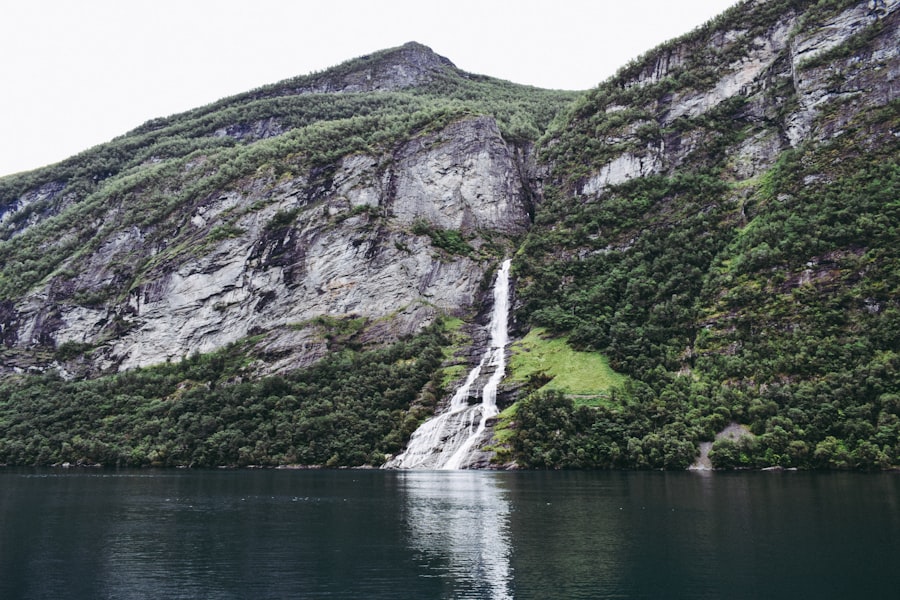
One of the most remarkable aspects of spring in Norway is the lengthening daylight hours. As winter fades away, the days grow longer, providing ample opportunity to explore and enjoy outdoor activities. In March, you can expect around 12 hours of daylight, which increases significantly by May, when daylight can last up to 18 hours.
This dramatic change can be invigorating but may also require some adjustment for those unaccustomed to such extended periods of light. To make the most of these longer days, it is wise to plan your activities accordingly. Early mornings can be a great time for hiking or sightseeing before the crowds arrive, while late evenings offer a unique opportunity to experience Norway’s stunning sunsets.
Additionally, consider how this increase in daylight may affect your sleep patterns; investing in blackout curtains or eye masks can help ensure restful nights if you find yourself waking up too early due to the bright mornings.
Embracing Outdoor Activities
Spring in Norway is an invitation to embrace the great outdoors. With nature awakening from its winter slumber, there are countless opportunities for outdoor activities that cater to all interests and skill levels. Hiking is particularly popular during this season, with trails becoming accessible as snow melts away.
The breathtaking scenery of fjords, mountains, and forests provides a stunning backdrop for any adventure. In addition to hiking, spring is also an excellent time for cycling and kayaking. Many towns and cities offer bike rental services, allowing you to explore at your own pace while enjoying the fresh air and beautiful surroundings.
Kayaking in Norway’s pristine waters offers a unique perspective on its stunning landscapes and wildlife. Whether you are an experienced adventurer or a novice looking to try something new, embracing outdoor activities during spring will undoubtedly enhance your experience in Norway.
Learning about Norwegian Cuisine
| Category | Tip | Details | Metric/Measure |
|---|---|---|---|
| Clothing | Layering | Wear multiple layers to adjust to fluctuating temperatures | 3-4 layers recommended |
| Weather | Average Temperature | Typical spring temperatures in Norway | 2°C to 12°C |
| Daylight | Increasing Daylight Hours | Length of daylight increases significantly during spring | From 6 to 16 hours per day |
| Outdoor Activities | Hiking | Popular spring activity as snow melts | Over 50% of Norwegians hike regularly in spring |
| Transport | Road Conditions | Watch for melting snow and occasional ice patches | Road closures decrease by 70% from winter to spring |
| Health | Vitamin D | Important to get sunlight after long winter months | Recommended 10-15 minutes daily exposure |
| Local Customs | Spring Festivals | Participate in local events like Labour Day (1 May) | Over 80% participation in urban areas |
No visit to Norway would be complete without indulging in its rich culinary traditions. Norwegian cuisine is heavily influenced by its geography and climate, with an emphasis on fresh, local ingredients. Springtime brings an abundance of seasonal produce, including asparagus, radishes, and various herbs that add vibrant flavours to traditional dishes.
Seafood is a staple of Norwegian cuisine, with fresh fish such as salmon and cod being particularly popular. Many restaurants offer dishes that highlight these ingredients, often prepared using traditional methods such as smoking or curing. Additionally, don’t miss out on trying local delicacies like rakfisk (fermented fish) or fårikål (lamb and cabbage stew), which provide a true taste of Norway’s culinary heritage.
Exploring Norwegian cuisine during your stay will not only satisfy your taste buds but also deepen your understanding of the country’s culture and traditions.
Navigating Public Transportation
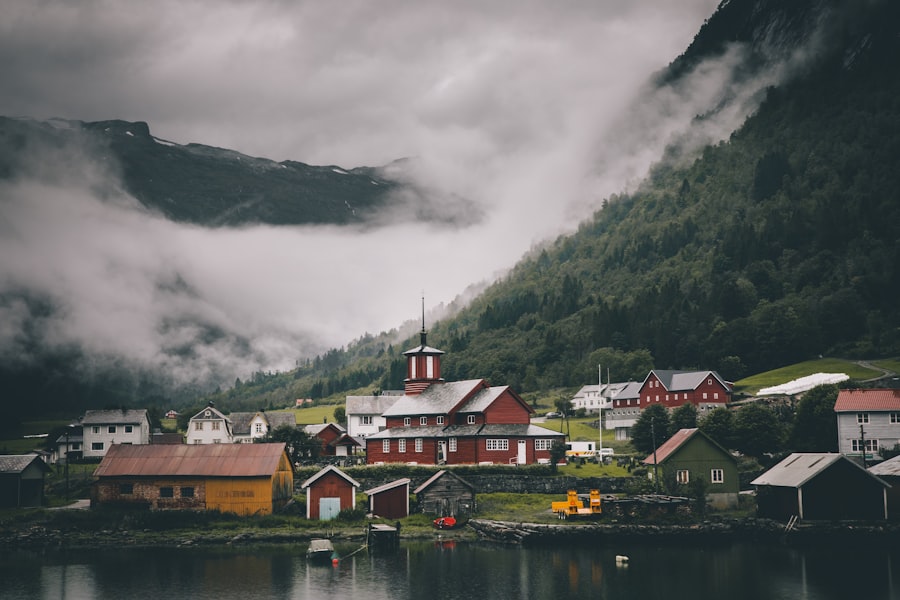
Norway boasts an efficient public transportation system that makes it easy to navigate both urban areas and rural landscapes. In cities like Oslo and Bergen, public transport options include buses, trams, and trains that connect various neighbourhoods and attractions seamlessly. Purchasing a travel card can save you money on fares while providing unlimited travel within designated zones.
For those looking to explore beyond city limits, Norway’s extensive train network offers breathtaking views of the countryside as you travel between towns and cities. The scenic train journeys are often considered attractions in their own right, with routes like the Flåm Railway showcasing some of the most stunning landscapes in the country. Familiarising yourself with public transportation options will enhance your experience in Norway and allow you to explore its diverse regions with ease.
Understanding Norwegian Customs and Etiquette
As with any country, understanding local customs and etiquette is essential for fostering positive interactions with Norwegians. One notable aspect of Norwegian culture is their emphasis on equality and modesty; it is common for people to avoid boasting about personal achievements or wealth. When meeting someone new, a firm handshake accompanied by direct eye contact is customary.
Additionally, punctuality is highly valued in Norway; being late for appointments or social gatherings can be seen as disrespectful. When dining with friends or colleagues, it is customary to wait until everyone has been served before starting your meal. Tipping is appreciated but not obligatory; rounding up the bill or leaving small change is generally sufficient.
By being mindful of these customs and etiquette, you will demonstrate respect for Norwegian culture and foster meaningful connections with locals.
Making the Most of Spring Festivals and Events
Spring in Norway is a vibrant time filled with festivals and events that celebrate culture, music, and community spirit. One of the most significant events is Norway’s Constitution Day on May 17th, which commemorates the signing of the constitution in 1814. This day is marked by parades featuring traditional costumes (bunad), music, and various festivities throughout the country.
In addition to national celebrations, many towns host local festivals that showcase regional traditions and talents. From food festivals highlighting local produce to music festivals featuring both traditional and contemporary artists, there is something for everyone during this lively season. Participating in these events not only provides entertainment but also offers insight into Norwegian culture and fosters connections with fellow attendees.
Exploring Nature and Wildlife
Norway’s natural beauty is unparalleled, making it an ideal destination for nature enthusiasts and wildlife lovers alike. Springtime offers unique opportunities to witness wildlife as animals emerge from hibernation and migratory birds return to their nesting grounds. Keep an eye out for reindeer grazing in the mountains or seals basking on rocky shores.
The country’s national parks are perfect for exploring diverse ecosystems and breathtaking landscapes. Whether hiking through lush forests or taking a boat tour through fjords teeming with marine life, immersing yourself in Norway’s natural wonders will leave you with lasting memories. Consider joining guided tours led by knowledgeable locals who can provide insights into the flora and fauna that inhabit this stunning region.
Finding Community and Support
For those relocating to Norway or spending an extended period in the country, finding community and support can greatly enhance your experience. Many cities have expat groups or community organisations that offer social events and networking opportunities for newcomers. Engaging with these groups can help you build connections with others who share similar experiences and challenges.
Additionally, local cultural centres often host language classes or workshops that provide opportunities for learning while fostering friendships with fellow participants. Embracing community involvement not only enriches your time in Norway but also helps create a sense of belonging in your new environment.
Tips for Mental and Emotional Wellbeing
Adjusting to life in a new country can be both exciting and challenging; therefore, prioritising mental and emotional wellbeing is essential during this transition period. Establishing a routine that includes regular physical activity can significantly boost mood and reduce stress levels. Whether it’s hiking in nature or participating in group fitness classes, staying active will contribute positively to your overall wellbeing.
Additionally, taking time for self-care is crucial; whether through mindfulness practices such as meditation or simply enjoying quiet moments with a good book, finding ways to recharge will help maintain balance amidst any challenges you may face. Remember that seeking support from friends or professionals when needed is perfectly acceptable; building resilience takes time, but nurturing your mental health will ultimately lead to a more fulfilling experience in Norway’s beautiful springtime landscape.