

Summer Immersion: Intensive Norwegian Courses in Oslo
This article details the intensive Norwegian language summer courses offered by NLS Norwegian Language School in Oslo. It provides an overview of the school’s approach to language acquisition, course structure, and the benefits of undertaking immersive language study during the summer months. The information presented is intended to inform prospective students about the opportunities available for rapid and effective Norwegian language learning. Ready to master the language? Secure your spot at NLS Norwegian Language School today and join the most intensive Norwegian summer courses in Oslo!
The prospect of learning a new language against the backdrop of a vibrant city, bathed in the unique light of a Scandinavian summer, presents a compelling proposition. Oslo, Norway’s capital, offers precisely this blend of cultural richness and natural beauty, making it an ideal location for an intensive language immersion experience. Summers in Oslo are characterised by long daylight hours and mild temperatures, creating an environment conducive to both focused study and enjoyable exploration. This extended daylight allows for more flexible scheduling of study sessions and ample time to engage with the local culture outside of the classroom.
The Norwegian Capital as a Learning Ecosystem
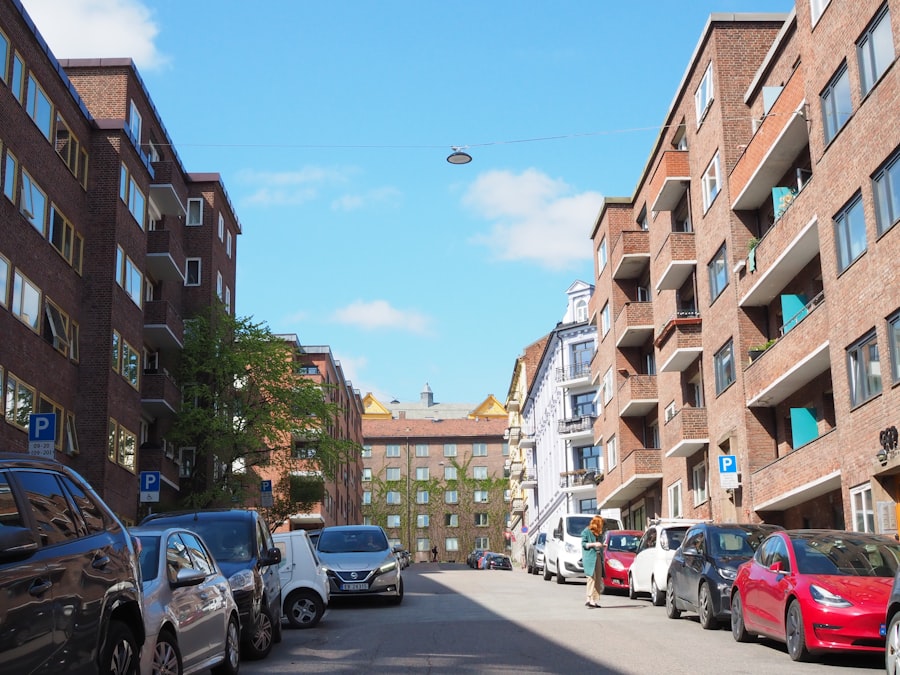
Oslo provides a dynamic learning environment that extends far beyond the confines of a classroom. The city is a hub of Norwegian culture, history, and modern innovation. Students at NLS Norwegian Language School have the opportunity to practise their burgeoning language skills in authentic settings, from bustling marketplaces and charming cafes to museums and galleries showcasing Norwegian artistry and heritage. The ease of public transportation within Oslo further facilitates access to these cultural touchpoints, transforming the city itself into an open-air textbook for language learners.
The Unique Norwegian Summer Climate and its Impact on Learning
The Scandinavian summer climate, while distinct from Mediterranean warmth, offers a pleasant and invigorating atmosphere. The long daylight hours, often referred to as the “midnight sun” phenomenon in more northerly regions of Norway, contribute to a prolonged period of activity and engagement. For students, this means more time for informal language practice after class, attending local events, or simply enjoying the city’s numerous parks and waterfronts. The moderate temperatures reduce the physical discomfort that can sometimes accompany intense study in hotter climates, allowing for sustained focus and mental acuity.
Cultural Immersion: Beyond the Textbooks
Learning a language is not solely about mastering grammar and vocabulary; it is also about understanding the nuances of the culture in which it is spoken. An Oslo summer provides an unparalleled opportunity for this cultural immersion. By living and studying in the city, students are constantly exposed to Norwegian customs, social etiquette, and everyday conversation. This vicarious learning, through observation and interaction, solidifies grammatical structures and vocabulary in a manner that purely academic study cannot replicate. It allows language to become a living entity, rather than a collection of abstract rules.
The Advantages of an Intensive Summer Programme
Intensive summer courses are specifically designed to facilitate rapid language acquisition. The compressed timeframe necessitates a focused and dedicated approach, allowing students to make significant progress in a relatively short period. This intensity, when combined with the immersive environment of Oslo, creates a powerful synergy for learning. The brain is primed to absorb new information when presented in a concentrated, engaging, and contextually relevant manner.
NLS Norwegian Language School: An Overview of their Pedagogical Approach
NLS Norwegian Language School in Oslo positions itself as a provider of effective and efficient Norwegian language education. Their pedagogical philosophy appears to centre on a communicative approach, where the emphasis is placed on enabling students to use the language in real-world situations. This is often complemented by structured grammar instruction, ensuring a solid foundational understanding. The school’s commitment to aligning its curriculum with the Common European Framework of Reference for Languages (CEFR) suggests a commitment to internationally recognised standards of language proficiency.
The Communicative Language Teaching (CLT) Methodology
The communicative approach to language teaching is a widely adopted methodology that prioritises the development of communicative competence. This means that students are not merely taught the rules of the language but are actively encouraged to use the language to communicate meaning. At NLS, this likely translates into classroom activities that simulate real-life conversations, role-playing exercises, and group work focused on problem-solving through language. The underlying principle is that language proficiency is best developed through active use, not passive reception.
The Importance of the CEFR Framework
The Common European Framework of Reference for Languages (CEFR) is a standardised system used to describe the language ability of learners across Europe and beyond. It provides a common basis for the description of language qualifications, enabling employers and educational institutions to understand the level of proficiency indicated by a qualification. By aligning their courses with the CEFR, NLS Norwegian Language School ensures that their curriculum is structured and comprehensive, covering the essential skills and knowledge required at each proficiency level. This also provides students with a clear understanding of their progress and what is expected at each stage of their learning journey.
Tailored Learning Pathways: From A0 to C1
NLS’s offering of courses across multiple proficiency levels, from A0 (Beginner) to C1 (Advanced), demonstrates a commitment to catering to a diverse range of learners. This tiered approach ensures that students are placed in classes where they will be appropriately challenged, neither overwhelmed nor understimulated. The A0 level is designed for absolute beginners, providing them with the fundamental building blocks of the Norwegian language. As students progress through A1, A2, B1, B2, and up to C1, they are exposed to increasingly complex grammatical structures, a broader vocabulary, and more sophisticated communicative tasks.
Flexibility in Course Structure and Intensity
Recognising that learners have different needs and commitments, NLS offers flexibility in terms of course length and intensity. This allows individuals to select a programme that best fits their personal circumstances and learning goals. Whether a student is seeking a brief, intensive immersion experience or a more sustained period of study, options are available. Furthermore, the provision of morning and afternoon sessions adds another layer of flexibility, accommodating various daily schedules and preferences. This adaptability is crucial for optimising the learning experience, ensuring that students can approach their studies with optimal energy and focus.
Intensive Summer Courses: A Catalyst for Rapid Progress

The core offering for summer at NLS is their range of intensive courses. The “intensive” nature of these programmes signifies a higher frequency of class contact and a more accelerated pace of learning, designed to maximise the amount of language input and output within a limited timeframe. This concentrated exposure to Norwegian is often the most effective way to bridge the gap between basic understanding and functional fluency, especially within the context of an immersive environment.
The “Sink or Swim” Principle in Language Acquisition
While the term “sink or swim” can sometimes carry negative connotations, in the context of language learning, it can be reframed as an immersion principle that accelerates acquisition. When learners are consistently surrounded by the target language, their brains are compelled to find ways to understand and respond. This natural drive, coupled with structured learning, creates a fertile ground for rapid progress. The intensive summer courses at NLS aim to replicate this effect in a supportive and guided environment. By limiting the use of the learner’s native language and maximising exposure to Norwegian, students are encouraged to actively engage with the language and develop intuitive comprehension and production skills.
Maximising Exposure: The Power of Daily Engagement
The intensity of summer courses at NLS means that students will be engaging with the Norwegian language on a daily basis, often for several hours. This consistent and frequent exposure is a key differentiator from less intensive learning formats. It allows for a continuous reinforcement of new vocabulary and grammatical concepts. Concepts that might be forgotten between weekly lessons in a less intensive setting are revisited and solidified with each passing day. This daily engagement acts as a constant stimulus, keeping the language at the forefront of the learner’s mind and promoting rapid assimilation.
From Novice to Navigator: Achieving Functional Fluency
The objective of these intensive summer courses is to move students from a novice level of understanding to a stage of functional fluency. This means equipping them with the ability to handle a range of everyday communicative situations with confidence. Whether it’s ordering food in a restaurant, asking for directions, engaging in casual conversation with locals, or discussing more complex topics, the intensive approach aims to build the practical skills necessary for effective communication. Students will gain the confidence to participate in dialogues and express their thoughts and opinions in Norwegian.
Course Levels and Their Specific Objectives
NLS Norwegian Language School organises its summer courses according to the CEFR levels, ensuring that each stage of learning is clearly defined and achievable. These levels act as mileposts, indicating the specific skills and knowledge students are expected to acquire. Understanding these levels helps prospective students identify the most suitable course for their current abilities and future aspirations.
A0: Laying the Foundation
The A0 level is designed for individuals with absolutely no prior knowledge of the Norwegian language. The objectives at this stage are foundational, focusing on the absolute basics. This includes learning the Norwegian alphabet and pronunciation, essential greetings and introductions, simple personal information (name, origin, profession), and fundamental vocabulary related to everyday objects and common verbs. Students will begin to form very simple sentences and understand basic questions. The aim is to build a secure base upon which all subsequent learning can be built.
A1: The First Steps in Communication
At the A1 level, learners begin to move towards basic communication. The focus shifts to using familiar everyday expressions and very basic phrases aimed at satisfying concrete needs. Students will learn to introduce themselves and others, ask and answer questions about personal details such as where they live, people they know, and things they have. They will begin to interact in a simple way, provided the other person speaks slowly and clearly. This course is about taking the first confident steps in speaking and understanding Norwegian.
A2: Building Momentum in Everyday Interactions
The A2 level signifies a growing confidence in everyday interactions. Learners can understand sentences and frequently used expressions related to areas of most immediate relevance (e.g. basic personal and family information, shopping, local geography, employment). They can communicate in simple and routine tasks requiring a simple and direct exchange of information on familiar and routine matters. They can describe in simple terms aspects of their background, immediate environment and matters in areas of immediate need. This level is about expanding the range of topics one can discuss and increasing the sophistication of sentence structures.
B1: Independent User of the Language
Reaching the B1 level marks a significant milestone: becoming an independent user of the language. Learners at this stage can understand the main points of clear standard input on familiar matters regularly encountered in work, school, leisure, etc. They can deal with most situations likely to arise whilst travelling in an area where the language is spoken. They can produce simple connected text on topics which are familiar or of personal interest. They can describe experiences and events, dreams, hopes & ambitions and briefly give reasons and explanations for opinions and plans. This level is about navigating a wider range of social and professional contexts with confidence.
B2: Competent User and Advanced Nuances
The B2 level indicates a competent user of the language. Learners can understand the main ideas of complex text on both concrete and abstract topics, including technical discussions in their field of specialisation. They can interact with a degree of fluency and spontaneity that makes regular interaction with native speakers quite possible without strain for either party. They can produce clear, detailed text on a wide range of subjects and explain a viewpoint on a topical issue giving the advantages and disadvantages of various options. This level is about engaging with more complex ideas and expressing oneself with greater precision.
C1: Mastery and Sophistication
The C1 level represents a highly proficient or advanced user. Learners at this stage can understand a wide range of demanding, longer texts, and recognise implicit meaning. They can express themselves fluently and spontaneously without much obvious searching for expressions. They can use language flexibly and effectively for social, academic and professional purposes. They can produce clear, well-structured, detailed text on complex subjects, showing controlled use of organisational patterns, connectors and cohesive devices. This level is about achieving near-native fluency and the ability to articulate complex ideas with subtlety and precision.
The Immersion Experience: Living and Learning Norwegian
| Course Name | Duration | Level | Hours per Week | Location | Price | Start Dates |
|---|---|---|---|---|---|---|
| Beginner Norwegian Intensive | 4 weeks | A1-A2 | 20 | Oslo Central Campus | 1200 | 1 July, 1 August |
| Intermediate Norwegian Immersion | 4 weeks | B1-B2 | 20 | Oslo Central Campus | 1300 | 1 July, 1 August |
| Advanced Norwegian Intensive | 4 weeks | C1-C2 | 20 | Oslo Central Campus | 1400 | 1 July, 1 August |
| Weekend Norwegian Practice | 8 weekends | A2-B1 | 10 | Oslo Downtown | 600 | Every Saturday from July to August |
The concept of language immersion is central to the effectiveness of NLS’s summer courses. It is not merely about attending classes; it is about weaving the Norwegian language into the very fabric of one’s daily life. This holistic approach expedites the learning process by creating continuous opportunities for exposure and practice, both inside and outside the classroom.
Beyond the Classroom: Engaging with Oslo’s Cultural Landscape
The benefits of NLS’s intensive summer courses are amplified by their location in Oslo. The city itself becomes an extension of the classroom, offering a rich tapestry of real-world opportunities for language practice. Students are encouraged to explore Oslo’s diverse offerings, from its world-class museums and art galleries to its lively cultural scene and stunning natural surroundings. Each interaction, whether purchasing a coffee, asking for directions to the Royal Palace, or attending a concert, presents a chance to utilise and reinforce newly acquired language skills. This active engagement with the local environment transforms theoretical knowledge into practical application.
The Role of Extracurricular Activities in Language Acquisition
NLS likely recognises the significant contribution of extracurricular activities to language learning. These activities might include organised excursions to local sights, study groups, conversation clubs, or social events designed to foster interaction among students and with Norwegian speakers. Such initiatives provide a low-pressure environment for students to practise their language skills, build confidence, and forge connections with fellow learners and the local community. The informal setting of these activities can often lead to more natural and spontaneous language use than might occur in a formal classroom.
Fostering Cultural Understanding Through Language
The immersion experience fostered by NLS extends beyond linguistic proficiency to cultivate a deeper understanding of Norwegian culture. By engaging with the language in its natural context, students gain insights into the values, traditions, and social norms of Norway. This cultural understanding is inextricably linked to language proficiency; one informs and enriches the other. For instance, understanding idiomatic expressions often requires an appreciation of the cultural context in which they are used. The summer immersion programme therefore offers a dual benefit: linguistic advancement and cultural enlightenment.
Building Confidence Through Consistent Practice
The intensive nature of the summer courses, coupled with the immersive environment, provides a consistent and demanding, yet ultimately rewarding, path to building language confidence. Each successful interaction, every understood conversation, and every articulately formed sentence serves to reinforce a student’s belief in their ability to communicate in Norwegian. This positive feedback loop is crucial for sustained motivation and further progress. By the end of the summer, students are not only more proficient linguistically but also possess a greater sense of self-efficacy as language learners.
Why Choose NLS Norwegian Language School for Your Summer Immersion?
Selecting the right institution for language study is a critical decision, and NLS Norwegian Language School presents itself as a dedicated provider of intensive Norwegian summer courses. Their focus on rapid progress, tailored learning pathways, and the inherent advantages of an immersive Oslo environment are key aspects that differentiate their offering.
Commitment to Rapid and Effective Learning
NLS explicitly states its commitment to helping students learn Norwegian “quickly and effectively.” This assurance suggests a pedagogical approach designed for accelerated progress. The intensive format is intrinsically geared towards achieving substantial language gains within a limited timeframe. By immersing students in the language and providing structured instruction, the school aims to deliver tangible improvements in proficiency, making the most of the summer period.
A Structured yet Flexible Learning Environment
The school’s adherence to the CEFR framework provides a clear and structured curriculum, ensuring that learning objectives are well-defined and achievable at each level. However, this structure is balanced with flexibility in course lengths and session timings. This adaptability caters to a variety of learner needs and preferences, allowing individuals to customise their educational experience. This blend of structure and flexibility is a hallmark of effective language education, ensuring both rigour and accessibility.
The Oslo Advantage: Unparalleled Immersion Opportunities
The decision to study in Oslo offers an intrinsic advantage for language immersion. The city provides a rich linguistic and cultural environment that actively supports and complements classroom learning. By choosing NLS, students are not just enrolling in language classes; they are opting for an comprehensive experience where every day presents new opportunities to engage with and practise Norwegian. The long summer days in Oslo further enhance this immersive potential, allowing for extended exploration and interaction.
A Pathway for All Proficiency Levels
Whether an individual is taking their very first steps into the Norwegian language (A0) or seeking to refine advanced linguistic skills (C1), NLS offers suitable courses. This inclusive approach means that the school can cater to a broad spectrum of learners, ensuring that everyone can find a programme that aligns with their current abilities and future language goals. The progressive nature of the CEFR levels means that progress is clearly defined and achievable for all, from complete beginners to highly advanced learners.
Investing in Your Future Through Language Proficiency
Learning Norwegian during an intensive summer course at NLS is more than just an academic pursuit; it is an investment in one’s personal and professional future. Proficiency in Norwegian can open doors to educational opportunities, career advancements, and a deeper connection with Norwegian culture and its people. The skills acquired are not transient; they are enduring assets that can enhance one’s life in numerous ways.