

As the winter frost begins to thaw and the days grow longer, Oslo transforms into a vibrant tapestry of blooming flora. This seasonal change heralds the arrival of pollen season, a time when many residents find themselves grappling with the effects of airborne allergens. Typically spanning from late March to early September, the pollen season in Oslo is marked by the release of pollen from various plants, including trees, grasses, and weeds.
The peak periods can vary depending on the specific type of pollen, with tree pollen often dominating in spring, followed by grass pollen in early summer, and weed pollen later in the season. Understanding the dynamics of pollen season is crucial for those who suffer from allergies. The weather plays a significant role in pollen levels; warm, dry, and windy days can lead to higher concentrations of pollen in the air.
Conversely, rain can temporarily wash away pollen, providing brief relief for allergy sufferers. Awareness of these patterns can empower individuals to take proactive measures to mitigate their exposure and manage their symptoms effectively.
Summary
- Pollen season in Oslo varies, with tree, grass, and weed pollens peaking at different times.
- Common allergens include birch, grass, and mugwort pollen, which can trigger symptoms.
- Reducing exposure involves staying indoors during high pollen counts and keeping windows closed.
- Managing symptoms may require over-the-counter medications and consulting healthcare professionals.
- Maintaining a healthy lifestyle with allergy-friendly foods, hydration, exercise, and stress management supports overall wellbeing.
Identifying Common Allergens in Oslo
In Oslo, several common allergens contribute to the discomfort experienced by many during the pollen season. Tree pollen is one of the first culprits to emerge in spring, with birch trees being particularly notorious for triggering allergic reactions. The fine, lightweight pollen grains can travel considerable distances, making it difficult for individuals to avoid exposure.
Following the tree pollen phase, grass pollen takes centre stage, often peaking in June. Species such as timothy grass and ryegrass are prevalent in the region and can provoke significant allergic responses. Weed pollen also plays a role in Oslo’s allergenic landscape, with plants like mugwort and ragweed becoming more prominent as summer progresses.
Identifying these allergens is essential for those who experience seasonal allergies, as it allows them to monitor their symptoms and take appropriate precautions. By understanding which plants are responsible for their discomfort, individuals can better navigate their environment during peak pollen times. Secure your spot: Register for Norwegian spring courses in Oslo.
Minimizing Exposure to Pollen
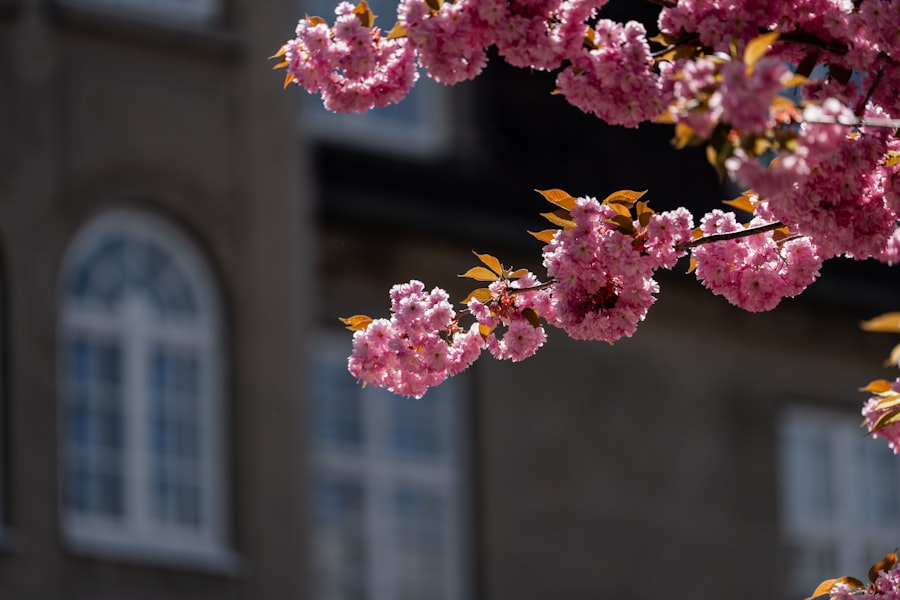
Minimising exposure to pollen is a vital strategy for managing allergy symptoms during the pollen season. One effective approach is to stay indoors during peak pollen hours, typically between 10 a.m. and 4 p.m., when pollen counts are at their highest.
Keeping windows closed and using air conditioning can help create a more controlled indoor environment, reducing the likelihood of allergens infiltrating living spaces. Additionally, using high-efficiency particulate air (HEPA) filters in homes can further purify the air and trap pollen particles. When venturing outdoors, wearing sunglasses can provide a barrier against pollen entering the eyes, while a wide-brimmed hat can help shield the face from airborne allergens.
After spending time outside, it is advisable to change clothes and shower to remove any pollen that may have clung to skin or hair. These simple yet effective measures can significantly reduce exposure and alleviate allergy symptoms.
Maintaining a Clean Living Environment
A clean living environment is paramount for individuals suffering from allergies, particularly during the pollen season. Regular cleaning routines can help minimise indoor allergens and create a more comfortable atmosphere. Vacuuming carpets and upholstery with a vacuum equipped with a HEPA filter can effectively remove dust, pet dander, and any stray pollen that may have made its way indoors.
It is also essential to dust surfaces frequently using damp cloths to prevent allergens from becoming airborne. In addition to cleaning floors and surfaces, paying attention to bedding and curtains is crucial. Washing bed linens in hot water weekly can eliminate dust mites and other allergens that accumulate over time.
Similarly, curtains should be laundered or vacuumed regularly to prevent them from harbouring dust and pollen. By maintaining a clean living environment, individuals can significantly reduce their exposure to allergens and improve their overall quality of life during the pollen season.
Managing Allergy Symptoms
| Metric | Value | Notes |
|---|---|---|
| Average Pollen Count (grains/m³) | 50 – 150 | Peak season: April to June |
| Common Allergens | Birch, Grass, Alder | Birch pollen is the most prevalent |
| Recommended Daily Antihistamine Dosage | 10 mg | Consult a healthcare professional |
| Average Number of Allergy-related Doctor Visits | 15,000 per season | Data from Oslo health services |
| Percentage of Population Affected | 20% | Individuals with pollen allergies |
| Recommended Outdoor Activity Times | Before 10 AM and after 6 PM | Lower pollen levels during these times |
| Effectiveness of Wearing Masks Outdoors | Up to 70% | Reduces inhalation of pollen particles |
| Use of Air Purifiers Indoors | Recommended | Helps reduce indoor pollen exposure |
Managing allergy symptoms effectively requires a multifaceted approach that combines lifestyle adjustments with appropriate treatments. For many individuals, recognising the early signs of an allergic reaction—such as sneezing, nasal congestion, or itchy eyes—can prompt timely interventions. Simple home remedies like saline nasal rinses can help clear nasal passages and alleviate congestion, providing immediate relief from discomfort.
In addition to home remedies, lifestyle changes can play a significant role in managing allergy symptoms. Incorporating relaxation techniques such as deep breathing exercises or yoga can help reduce stress levels, which may exacerbate allergic reactions. Furthermore, ensuring adequate sleep and rest is essential for maintaining a robust immune system that can better cope with allergens.
Utilizing Over-the-Counter Medications

For many individuals dealing with seasonal allergies in Oslo, over-the-counter medications offer a convenient solution for symptom relief. Antihistamines are among the most commonly used medications for alleviating allergy symptoms such as sneezing, runny nose, and itchy eyes. These medications work by blocking histamine receptors in the body, thereby reducing the allergic response.
Options range from non-drowsy formulations suitable for daytime use to sedating versions that may be more appropriate for nighttime relief. In addition to antihistamines, decongestants can provide temporary relief from nasal congestion by narrowing blood vessels in the nasal passages. Nasal corticosteroids are another effective option for managing inflammation in the nasal passages and reducing overall allergy symptoms.
It is essential for individuals to consult with a pharmacist or healthcare professional before starting any new medication to ensure it is appropriate for their specific needs.
Seeking Professional Medical Advice
While over-the-counter medications can be effective for many individuals, some may require professional medical advice to manage their allergies more effectively. Consulting an allergist or healthcare provider can provide valuable insights into specific allergens and tailored treatment options. Allergy testing may be recommended to identify particular sensitivities, allowing for more targeted management strategies.
In some cases, prescription medications or immunotherapy may be necessary for individuals with severe allergies that do not respond adequately to over-the-counter treatments. Immunotherapy involves gradually exposing individuals to small amounts of allergens over time, helping to desensitise their immune response. This approach can lead to long-term relief from allergy symptoms and improve overall quality of life.
Incorporating Allergy-Friendly Foods into Your Diet
Dietary choices can also play a role in managing allergy symptoms during the pollen season. Incorporating allergy-friendly foods into one’s diet may help support overall health and bolster the immune system. Foods rich in omega-3 fatty acids—such as fatty fish like salmon or walnuts—are known for their anti-inflammatory properties and may help reduce allergic reactions.
Additionally, consuming foods high in antioxidants—such as fruits and vegetables—can support immune function and combat oxidative stress caused by allergens. Citrus fruits like oranges and grapefruits are excellent sources of vitamin C, which has been shown to have antihistamine effects. By focusing on a balanced diet rich in nutrient-dense foods, individuals can enhance their resilience against seasonal allergies.
Staying Hydrated and Well-Nourished
Staying hydrated is another crucial aspect of managing allergy symptoms during the pollen season. Adequate hydration helps maintain mucous membranes in the respiratory tract, making it easier for the body to expel allergens and irritants. Drinking plenty of water throughout the day can also help thin mucus secretions, providing relief from nasal congestion.
In addition to hydration, ensuring proper nutrition is vital for overall well-being during allergy season. A well-balanced diet that includes whole grains, lean proteins, healthy fats, and a variety of fruits and vegetables can provide essential nutrients that support immune function. By prioritising hydration and nutrition, individuals can better equip their bodies to handle the challenges posed by seasonal allergies.
Engaging in Regular Exercise and Outdoor Activities
Engaging in regular exercise is beneficial not only for physical health but also for managing allergy symptoms during the pollen season. Physical activity helps improve circulation and boosts overall immune function, which can enhance the body’s ability to cope with allergens. However, it is essential to choose exercise times wisely; opting for indoor workouts during peak pollen hours can help minimise exposure while still reaping the benefits of regular activity.
Outdoor activities can still be enjoyed during the pollen season with some precautions in place. For instance, engaging in exercise early in the morning or after rainfall can reduce exposure to high pollen counts. Additionally, choosing low-pollen environments—such as parks with fewer flowering plants—can make outdoor activities more enjoyable for those with allergies.
Practicing Self-Care and Stress Management Techniques
Finally, practising self-care and stress management techniques is crucial for individuals dealing with seasonal allergies in Oslo. Chronic stress can exacerbate allergic reactions by weakening the immune system and increasing inflammation in the body. Incorporating mindfulness practices such as meditation or deep breathing exercises into daily routines can help alleviate stress levels and promote relaxation.
Furthermore, engaging in hobbies or activities that bring joy can serve as an effective distraction from allergy symptoms while enhancing overall well-being. Whether it’s reading a book, gardening (with precautions), or spending time with loved ones, prioritising self-care can significantly improve one’s quality of life during the challenging pollen season. In conclusion, navigating the challenges posed by pollen season in Oslo requires a comprehensive approach that encompasses understanding allergens, minimising exposure, maintaining a clean living environment, managing symptoms effectively, utilising appropriate medications, seeking professional advice when necessary, incorporating allergy-friendly foods into one’s diet, staying hydrated and nourished, engaging in regular exercise while being mindful of outdoor conditions, and practising self-care techniques.
By adopting these strategies, individuals can take control of their allergies and enjoy all that Oslo has to offer during this vibrant time of year.