
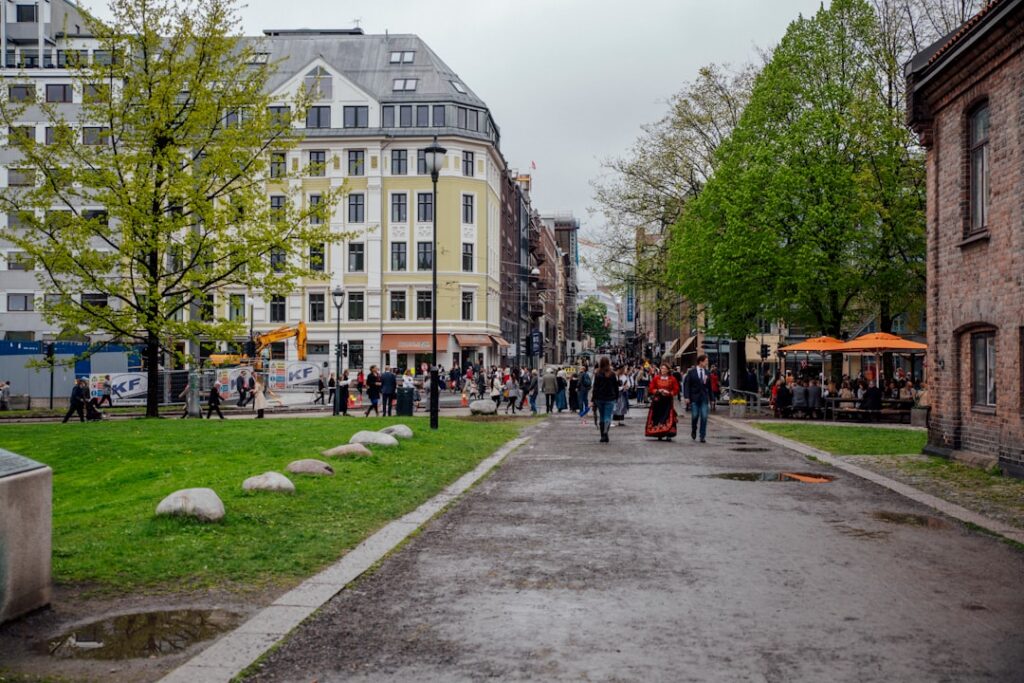
Oslo, the capital of Norway, is recognised for its distinctive landscapes, historical significance, and contemporary architecture. As the city undergoes continued development, its public transport system functions as an essential infrastructure component for both residents and visitors. Oslo’s public transport network operates with considerable efficiency whilst maintaining environmentally sustainable practices, consistent with Norway’s environmental policies.
The integrated system comprises buses, trams, and metro services, facilitating straightforward urban navigation. Oslo’s public transport system accommodates varied passenger requirements through comprehensive accessibility provisions. The network serves both local commuters and tourists visiting the city’s numerous attractions, ensuring reliable connectivity throughout the metropolitan area.
This article examines the available public transport modes, ticketing procedures, and practical guidance for utilising the city’s transport infrastructure effectively.
Summary
- Oslo offers a comprehensive public transport system including metro, trams, and buses.
- Tickets and passes can be easily purchased via apps, kiosks, or ticket machines.
- The metro and tram networks provide efficient coverage across the city and suburbs.
- Accessibility features and special services ensure transport is available for all passengers.
- Safety measures are in place, and public transport can also be used to explore areas beyond Oslo.
Types of Public Transport Available
Oslo boasts a comprehensive public transport network that includes several modes of transport, each serving a unique purpose. The primary forms of public transport in the city are buses, trams, and the metro system, collectively known as Ruter. Each mode of transport is designed to provide seamless connectivity across the city and its surrounding areas, ensuring that passengers can travel efficiently from one destination to another.
Buses are perhaps the most versatile form of public transport in Oslo, with an extensive network that covers both urban and suburban areas. They operate frequently throughout the day and into the night, making them an excellent option for late-night travel. Trams, on the other hand, offer a scenic way to traverse the city, with routes that pass through some of Oslo’s most picturesque neighbourhoods.
The metro system, known as T-bane, is particularly useful for covering longer distances quickly, connecting various parts of the city with ease. Secure your spot: Register for Norwegian spring courses in Oslo.
How to Purchase Tickets and Passes
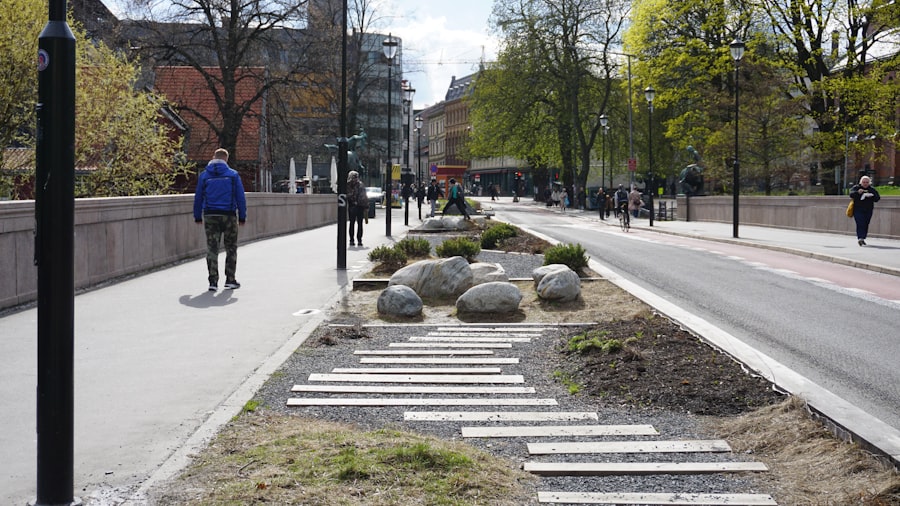
Purchasing tickets for public transport in Oslo is a straightforward process, designed to accommodate both regular commuters and occasional travellers. Tickets can be bought at various locations, including ticket machines found at metro stations and tram stops, as well as through the Ruter app available on smartphones. The app not only allows users to purchase tickets but also provides real-time information on schedules and routes, making it an invaluable tool for navigating the public transport system.
For those who plan to use public transport frequently during their stay in Oslo, it may be worth considering a travel pass. Ruter offers several options for passes that provide unlimited travel within specified zones for a set period. These passes can be purchased for durations ranging from 24 hours to a month, allowing for flexibility depending on individual travel needs.
Additionally, discounts are often available for students and seniors, making public transport an affordable option for all.
Understanding the Public Transport Network
The public transport network in Oslo is meticulously organised into zones, which helps passengers understand their travel options more clearly. The city is divided into several zones, with Zone 1 covering the central area and additional zones extending outward into the suburbs. When planning a journey, it is essential to be aware of which zones you will be travelling through, as ticket prices vary based on the number of zones crossed.
Ruter provides comprehensive maps and guides that outline the various routes and connections available within the network. These resources are invaluable for both newcomers and seasoned travellers alike, as they offer insights into the most efficient ways to reach your destination. Furthermore, real-time updates on service disruptions or delays are readily available through the Ruter app or website, ensuring that passengers can plan their journeys with confidence.
Navigating the Metro System
| Transport Type | Average Frequency | Operating Hours | Ticket Price (Single Journey) | Student Discount | Coverage Area |
|---|---|---|---|---|---|
| Tram | Every 7-10 minutes | 05:00 – 01:00 | 38 NOK | 50% off with valid student ID | City centre and suburbs |
| Bus | Every 10-15 minutes | 05:00 – 01:00 | 38 NOK | 50% off with valid student ID | City and greater Oslo area |
| Metro (T-bane) | Every 5-10 minutes | 05:00 – 01:00 | 38 NOK | 50% off with valid student ID | Oslo metropolitan area |
| Ferry | Every 30 minutes | 06:00 – 23:00 | 38 NOK | 50% off with valid student ID | Oslo fjord islands |
| Night Bus | Every 30-60 minutes | 01:00 – 05:00 | 38 NOK | 50% off with valid student ID | City centre and suburbs |
The metro system in Oslo is one of the most efficient ways to traverse the city and its suburbs. With five lines serving 101 stations, the T-bane connects key areas such as the city centre, major shopping districts, and popular attractions like the Vigeland Sculpture Park and Holmenkollen Ski Jump. The trains run frequently throughout the day, with reduced service during late-night hours.
Navigating the metro system is relatively straightforward due to its clear signage and intuitive layout. Each line is colour-coded, making it easy to identify your route at a glance. Additionally, announcements are made in both Norwegian and English, ensuring that non-Norwegian speakers can follow along without difficulty.
For those unfamiliar with the system, it is advisable to consult a map or use the Ruter app to plan your journey ahead of time.
Utilizing the Tram System

Oslo’s tram system is not only an efficient means of transportation but also a delightful way to experience the city’s charm. The trams operate on several lines that weave through picturesque neighbourhoods and past iconic landmarks. Riding the tram offers passengers a unique perspective of Oslo’s vibrant street life and stunning architecture.
The tram stops are conveniently located near many popular attractions, making them an ideal choice for tourists looking to explore the city. The trams are equipped with modern amenities such as free Wi-Fi and comfortable seating, ensuring a pleasant journey for all passengers. As with other forms of public transport in Oslo, trams operate on a fixed schedule, so it is advisable to check timetables in advance to avoid long waits.
Taking Advantage of the Bus Network
The bus network in Oslo complements the tram and metro systems by providing access to areas that may not be directly served by these modes of transport. With numerous routes operating throughout the city and its suburbs, buses are an essential component of Oslo’s public transport infrastructure. They are particularly useful for reaching destinations that are further afield or less accessible by tram or metro.
Buses in Oslo are equipped with modern technology that enhances passenger convenience. Many buses feature real-time displays showing upcoming stops and estimated arrival times, allowing passengers to plan their journeys more effectively. Additionally, bus drivers are generally friendly and helpful, often willing to assist passengers with directions or information about routes.
Tips for Using Public Transport in Oslo
To make the most of your experience using public transport in Oslo, there are several tips worth considering. Firstly, always ensure that you have a valid ticket before boarding any form of transport; ticket inspections are common and fines can be steep for those caught without one. Familiarising yourself with the Ruter app can also enhance your travel experience by providing real-time updates on schedules and potential delays.
Another useful tip is to plan your journeys during off-peak hours whenever possible. Public transport can become crowded during rush hours, particularly in the mornings and late afternoons when commuters are travelling to and from work. By travelling during quieter times, you can enjoy a more comfortable experience while also having more space to move around.
Accessibility and Special Services
Oslo’s public transport system is committed to ensuring accessibility for all passengers, including those with disabilities or reduced mobility. Many metro stations are equipped with elevators and ramps to facilitate easy access for wheelchair users or those with strollers. Additionally, buses and trams are designed with low floors to make boarding easier for everyone.
For individuals requiring additional assistance, Ruter offers special services such as travel training programmes that help people learn how to navigate the public transport system confidently. These programmes are particularly beneficial for those who may feel apprehensive about using public transport independently. Furthermore, information regarding accessibility features is readily available on Ruter’s website and app.
Safety and Security on Public Transport
Safety is a top priority within Oslo’s public transport system. The city has implemented various measures to ensure passenger security while travelling on buses, trams, and metro trains. Surveillance cameras are installed at many stations and vehicles to deter criminal activity and enhance passenger safety.
Passengers are encouraged to remain vigilant while using public transport by keeping personal belongings secure and being aware of their surroundings. In case of emergencies or suspicious behaviour, passengers can easily contact staff or authorities through emergency buttons located on vehicles or at stations. Overall, Oslo’s public transport system is considered safe and reliable for all users.
Exploring Beyond Oslo with Public Transport
One of the significant advantages of Oslo’s public transport network is its ability to connect passengers with destinations beyond the city limits. The regional train services operated by Vy allow travellers to explore nearby towns and attractions such as Drammen or Lillehammer with ease. These trains offer comfortable seating and scenic views of Norway’s stunning landscapes.
Additionally, ferries operate from various points in Oslo, providing access to nearby islands such as Hovedøya and Bygdøy. These islands are perfect for day trips filled with outdoor activities or cultural experiences at museums like the Viking Ship Museum or the Norwegian Museum of Cultural History. By utilising public transport options beyond Oslo’s borders, passengers can fully immerse themselves in Norway’s natural beauty and rich heritage while enjoying a seamless travel experience.