
As the spring term concludes at the NLS Norwegian Language School in Oslo, students have completed a comprehensive programme designed to develop Norwegian language proficiency across multiple skill areas. The curriculum follows the Common European Framework of Reference for Languages (CEFR) standards, providing structured progression through established proficiency levels from beginner to advanced. The spring course incorporated practical language application through interaction with native Norwegian speakers, participation in cultural immersion activities, and systematic study of grammatical structures and vocabulary.
Students engaged with authentic Norwegian materials and participated in communicative exercises designed to develop speaking, listening, reading, and writing competencies. The programme structure accommodated learners at different proficiency levels, with differentiated instruction methods employed to address individual learning requirements. Course participants completed modules covering essential language functions, Norwegian cultural contexts, and practical communication skills applicable to academic, professional, and social situations.
Assessment methods throughout the term measured progress against CEFR benchmarks, providing quantifiable evidence of language development and areas for continued improvement.
Summary
- Reflect on past experiences to improve future summer plans.
- Set clear, achievable goals for the summer period.
- Research and budget carefully for activities and travel.
- Balance work commitments with leisure and self-care.
- Use the summer to explore new interests and build networks.
Setting Summer Goals
With the conclusion of the spring course, it is essential to set clear and achievable goals for the summer months. These objectives can serve as a guiding light, helping individuals to focus their efforts and make the most of their time. Whether it is improving language skills further, exploring new cultural experiences, or even embarking on personal development projects, having well-defined goals can provide motivation and direction.
When setting summer goals, it is important to consider both short-term and long-term aspirations. Short-term goals might include dedicating a certain number of hours each week to language practice or participating in local cultural events. Long-term goals could involve planning a trip to Norway to fully immerse oneself in the language and culture or even pursuing advanced language courses.
By establishing a balanced mix of goals, individuals can ensure that their summer is both productive and fulfilling. Secure your spot: Register for Norwegian spring courses in Oslo.
Researching Summer Opportunities
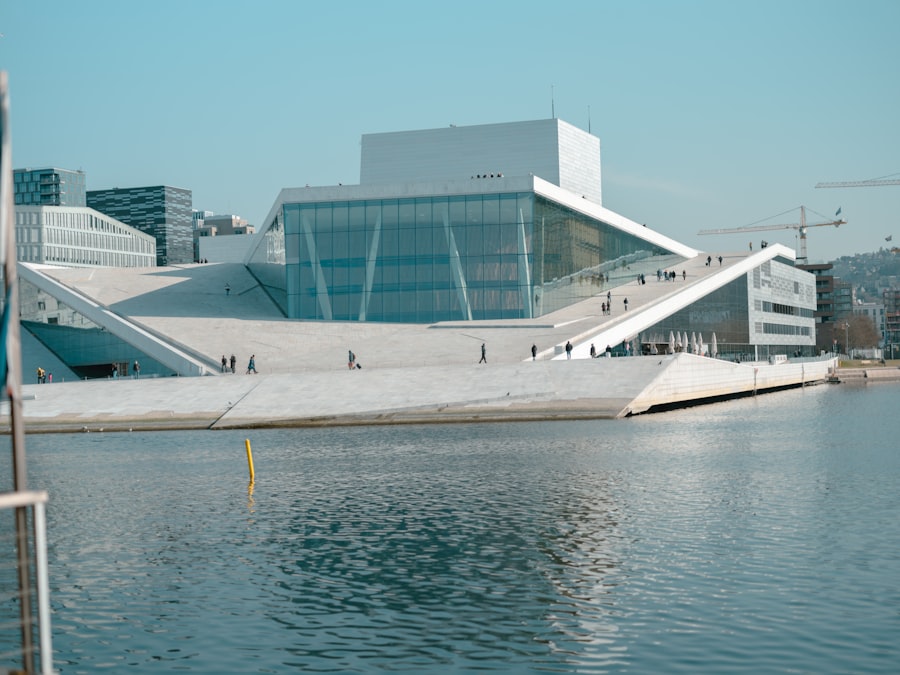
As summer approaches, the next step is to research opportunities that align with the goals set earlier. This could involve looking into language exchange programmes, cultural workshops, or even internships that allow for practical application of language skills. The beauty of summer lies in its potential for exploration and growth, and there are countless avenues available for those eager to expand their horizons.
In addition to formal programmes, informal opportunities abound as well. Engaging with local communities, attending festivals, or joining clubs centred around Norwegian culture can provide invaluable experiences. Online platforms also offer a wealth of resources, from virtual language exchanges to webinars on Norwegian traditions.
By actively seeking out these opportunities, individuals can create a summer filled with enriching experiences that complement their learning journey.
Budgeting for Summer Activities
As with any plan, budgeting plays a crucial role in ensuring that summer activities are both enjoyable and feasible. It is essential to assess financial resources and allocate funds accordingly to avoid any unwelcome surprises later on. This involves not only considering the costs associated with courses or workshops but also factoring in travel expenses, accommodation, and leisure activities.
Creating a detailed budget can help individuals prioritise their spending and make informed decisions about which opportunities to pursue. It may be beneficial to explore scholarships or grants that could alleviate some financial burdens associated with language courses or cultural events. By being proactive in budgeting, individuals can enjoy a summer filled with enriching experiences without the stress of financial constraints.
Creating a Summer Schedule
| Metric | Description | Recommended Value/Range | Notes |
|---|---|---|---|
| Course Completion Date | The date when the spring course ends | Late May to Early June | Helps in scheduling summer activities |
| Available Summer Weeks | Number of weeks free after course completion | 8 to 12 weeks | Time available for internships, travel, or study |
| Internship Applications | Number of internships to apply for | 3 to 5 | Increases chances of securing a position |
| Travel Budget | Estimated budget for summer travel | £500 to £1500 | Depends on destination and duration |
| Skill Development Hours | Hours dedicated to learning new skills | 5 to 10 hours per week | Can include online courses or workshops |
| Reading List | Number of books or articles planned | 3 to 6 | Focus on personal or professional growth |
| Physical Activity | Hours per week for exercise or sports | 3 to 5 hours | Maintains health and well-being |
| Networking Events | Number of events to attend | 2 to 4 | Helps build professional connections |
With goals set and opportunities identified, the next step is to create a structured summer schedule that balances learning, leisure, and personal time. A well-organised schedule can help individuals stay focused and ensure that they make the most of their summer months. It is important to allocate specific times for language practice, cultural activities, and relaxation to maintain a healthy balance.
In crafting this schedule, flexibility should also be considered. While it is essential to have a plan in place, allowing for spontaneity can lead to unexpected adventures and learning experiences. Whether it’s joining a last-minute cultural event or taking an impromptu trip to explore Norway’s stunning landscapes, embracing flexibility can enrich one’s summer experience significantly.
Balancing Work and Leisure

As summer unfolds, finding a balance between work commitments and leisure activities becomes paramount. For many individuals, summer may involve part-time jobs or internships that provide valuable experience while also supporting financial goals. However, it is crucial not to let work overshadow the opportunity for relaxation and exploration that summer offers.
To achieve this balance, individuals should set boundaries around work hours and make a conscious effort to carve out time for leisure activities. Engaging in hobbies, spending time with friends and family, or simply enjoying nature can rejuvenate the mind and spirit. By prioritising both work and leisure, individuals can create a fulfilling summer that nurtures personal growth while also allowing for necessary responsibilities.
Exploring New Hobbies and Interests
Summer presents an ideal opportunity to delve into new hobbies and interests that may have been set aside during the busier months of the year. Whether it’s picking up a musical instrument, trying out a new sport, or exploring creative pursuits such as painting or writing, engaging in new activities can provide a refreshing break from routine while also fostering personal development. Exploring new hobbies can also serve as an excellent way to meet like-minded individuals who share similar interests.
Joining clubs or community groups centred around these activities can lead to new friendships and connections that enrich one’s social life. Embracing new experiences not only broadens one’s skill set but also contributes to a more fulfilling summer filled with joy and discovery.
Planning Summer Travel
For many, summer is synonymous with travel and adventure. Planning trips—whether they are short getaways or longer excursions—can be an exciting aspect of the season. When considering travel plans, it is essential to think about destinations that align with personal interests as well as language learning goals.
For instance, visiting Norway could provide an immersive experience where one can practice language skills while exploring the country’s breathtaking landscapes. In addition to international travel, local explorations should not be overlooked. Discovering hidden gems within one’s own region can be just as rewarding as venturing abroad.
Weekend trips or day excursions can offer a refreshing change of scenery without the need for extensive planning or budgeting. By thoughtfully planning travel experiences, individuals can create lasting memories while furthering their understanding of different cultures.
Networking and Building Relationships
Summer is an excellent time for networking and building relationships that can benefit both personal and professional growth. Engaging with fellow students from the spring course or connecting with individuals met during cultural events can lead to valuable friendships and collaborations. These connections may open doors to future opportunities in language learning or career advancement.
Attending workshops, seminars, or social gatherings related to language and culture can also facilitate networking efforts. By actively participating in discussions and sharing experiences with others who share similar interests, individuals can expand their professional network while also enriching their social circles. Building relationships during the summer can create a supportive community that encourages continued learning and growth.
Staying Productive and Engaged
Maintaining productivity during the summer months is essential for personal development and achieving set goals. While it is tempting to indulge in relaxation during this season, finding ways to stay engaged can lead to a more fulfilling experience overall. This could involve setting aside time each week for language practice or dedicating specific days for cultural exploration.
Incorporating structured activities into one’s routine can help maintain focus while still allowing for leisure time. For instance, creating a weekly plan that includes language study sessions alongside fun outings can strike a balance between productivity and enjoyment. By staying engaged throughout the summer, individuals can ensure they continue progressing towards their goals while also making the most of their time off.
Recharging and Self-Care
Amidst all the excitement of summer activities, it is crucial not to overlook the importance of recharging and self-care. Taking time for oneself allows for reflection and rejuvenation, ensuring that individuals remain balanced both mentally and physically. This could involve simple practices such as meditation, reading for pleasure, or spending time in nature—activities that promote relaxation and well-being.
Incorporating self-care into one’s summer routine can enhance overall productivity and enjoyment of experiences. By prioritising mental health alongside learning objectives, individuals can approach their summer adventures with renewed energy and enthusiasm. Ultimately, taking care of oneself is not just beneficial; it is essential for making the most of this vibrant season filled with opportunities for growth and exploration.