
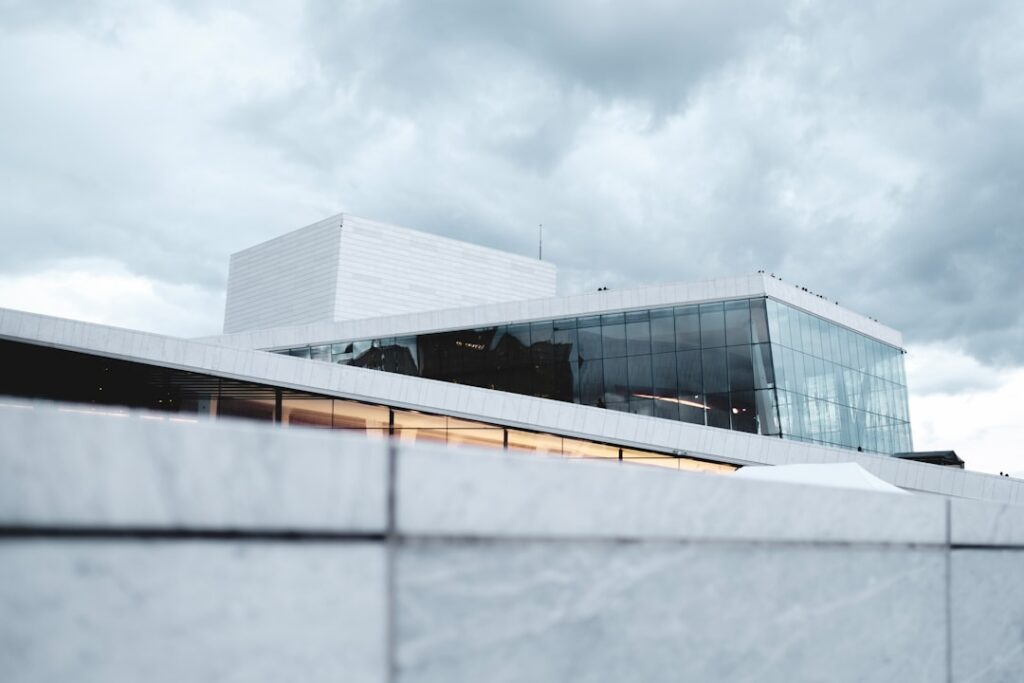
Norwegian workplace culture is distinguished by egalitarianism, transparency, and a pronounced commitment to work-life balance. Norwegian workplaces function as collaborative communities where teamwork receives considerable emphasis. Organisational hierarchies are notably flatter than those found in many other nations, creating an environment in which employees readily contribute ideas and express opinions.
This cultural framework enhances productivity whilst fostering employee engagement and organisational commitment. The Norwegian work ethic is fundamentally influenced by the concept of “dugnad,” which denotes collective effort directed towards shared objectives. This cooperative approach extends beyond professional settings and manifests in social activities, including summer gatherings.
Such events provide opportunities for colleagues to develop relationships outside formal work structures, strengthening interpersonal connections and cultivating workplace cohesion.
Summary
- Norwegian summer parties are a key aspect of workplace culture, fostering team spirit and relaxation.
- Planning these events involves careful organisation, including traditional foods, drinks, and appropriate dress codes.
- Understanding etiquette and social norms is essential for respectful and enjoyable interactions.
- Games and activities play a significant role in encouraging socialising and networking among colleagues.
- Foreigners are advised to embrace cultural differences and follow local customs to fully enjoy Norwegian workplace celebrations.
Importance of Summer Parties in Norwegian Workplaces
Summer parties hold a significant place in Norwegian workplace culture, serving as a vital tool for team building and employee engagement. These gatherings provide an informal setting where colleagues can interact without the constraints of their professional roles. The relaxed atmosphere encourages open communication and strengthens interpersonal relationships, which can lead to improved collaboration and productivity in the workplace.
Additionally, summer parties are an opportunity for organisations to express appreciation for their employees’ hard work and dedication. By hosting these events, companies demonstrate their commitment to fostering a positive work environment and valuing their employees’ contributions. This recognition not only boosts morale but also enhances employee loyalty, making them more likely to remain with the company long-term. Secure your spot: Enroll in our Norwegian summer courses in Oslo today!
Planning and Organising a Summer Party in Norway
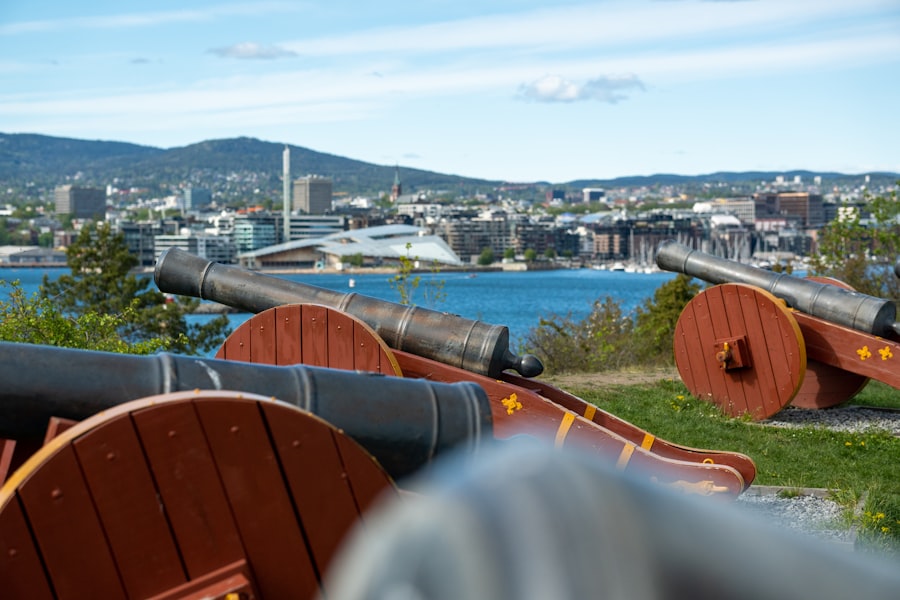
Planning a summer party in Norway requires careful consideration of various factors to ensure its success. The first step is to establish a budget, which will dictate the scale and scope of the event. Once the budget is set, organisers should choose a suitable venue that can accommodate all employees comfortably.
Popular options include outdoor spaces, parks, or even company premises if they have adequate facilities. Next, it is essential to consider the activities and entertainment that will be offered during the party. Engaging activities such as team-building games, live music, or even outdoor sports can enhance the overall experience and encourage participation.
Additionally, catering is a crucial aspect of planning; selecting traditional Norwegian foods and beverages can add a cultural touch that resonates with employees and creates a memorable experience.
Etiquette and Social Norms at Norwegian Summer Parties
Understanding etiquette and social norms at Norwegian summer parties is vital for ensuring a smooth and enjoyable experience for all attendees. One key aspect is punctuality; Norwegians value being on time, so arriving promptly is essential. Additionally, it is customary to greet everyone upon arrival with a friendly smile and perhaps a handshake, as this sets a positive tone for the event.
During the party, it is important to engage in conversations with colleagues from different departments or teams. This not only fosters networking but also helps break down silos within the organisation. However, it is advisable to avoid discussing work-related topics too extensively; instead, focus on light-hearted conversations that allow everyone to relax and enjoy the festivities.
Traditional Norwegian Foods and Drinks at Summer Parties
| Aspect | Description | Typical Practice | Etiquette Tips |
|---|---|---|---|
| Event Timing | Summer parties usually held in June or July | Often scheduled on Fridays or weekends | Arrive on time; punctuality is valued |
| Dress Code | Casual to smart casual | Light clothing suitable for warm weather | Avoid overly formal attire; neat and tidy preferred |
| Food and Drink | Traditional Norwegian dishes and beverages | Seafood, salads, and local beers or aquavit | Wait for a toast before drinking; moderate alcohol consumption |
| Social Interaction | Informal and friendly atmosphere | Colleagues mingle and engage in light conversation | Respect personal space; avoid controversial topics |
| Gift Giving | Not customary but small tokens appreciated | Flowers or chocolates occasionally given | If bringing a gift, keep it modest and thoughtful |
| Activities | Outdoor games and team-building exercises | Barbecues, hiking, or boat trips common | Participate actively but respectfully |
| Language | Norwegian is primary, English widely understood | Conversations often bilingual | Use simple English if unsure; learn basic Norwegian greetings |
Food plays a central role in Norwegian summer parties, with traditional dishes often taking centre stage. One popular option is “rakfisk,” which consists of fermented fish served with flatbread and sour cream. Another favourite is “grillmat,” or grilled food, which includes sausages, burgers, and various vegetables cooked over an open flame.
These dishes not only reflect Norway’s culinary heritage but also encourage sharing and communal dining. In terms of beverages, Norwegians often enjoy “øl,” or beer, particularly during summer gatherings. Local breweries produce a variety of craft beers that showcase the country’s brewing traditions.
Additionally, non-alcoholic options such as “brus,” a sweet soda, are widely available for those who prefer not to drink alcohol. Offering a selection of traditional foods and drinks can enhance the overall experience and create a sense of cultural pride among attendees.
Dress Code for Norwegian Summer Parties
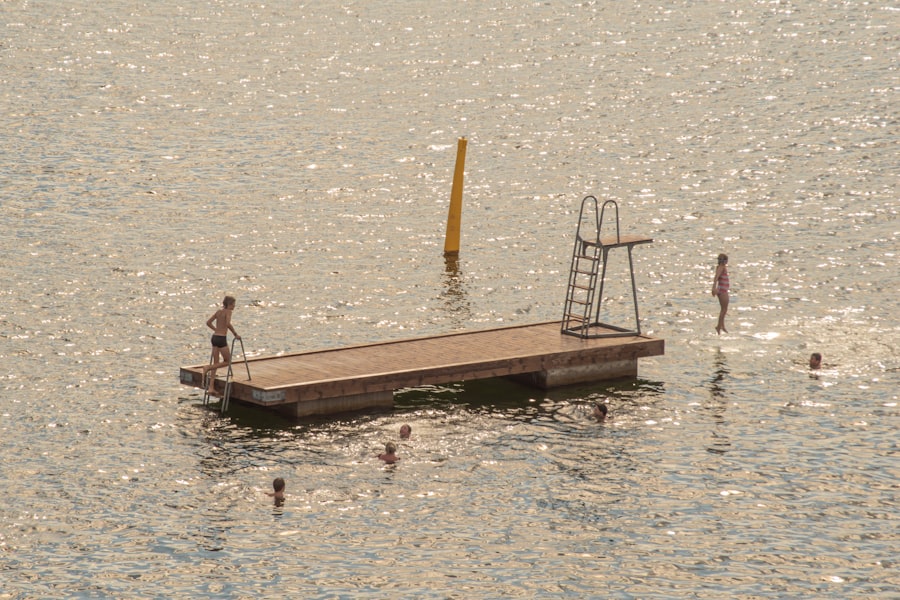
The dress code for Norwegian summer parties tends to be casual yet smart, reflecting the laid-back nature of these gatherings. While formal attire is generally not expected, it is advisable to dress neatly and appropriately for the occasion. For men, smart-casual attire such as polo shirts or button-up shirts paired with chinos or tailored shorts is common.
Women may opt for sundresses or blouses paired with skirts or trousers. It is also important to consider the weather when choosing an outfit for a summer party in Norway. Given the unpredictable nature of Norwegian summers, layering is often recommended.
A light jacket or cardigan can be useful for cooler evenings, ensuring that attendees remain comfortable throughout the event.
Games and Activities at Norwegian Summer Parties
Incorporating games and activities into summer parties can significantly enhance the overall experience for attendees. Traditional Norwegian games such as “kubb,” a lawn game involving wooden blocks, are popular choices that encourage friendly competition and teamwork. These activities not only provide entertainment but also foster interaction among colleagues who may not typically engage with one another in the workplace.
Additionally, organisers may consider incorporating team-building exercises that promote collaboration and communication skills. Activities such as scavenger hunts or relay races can be both fun and beneficial for strengthening team dynamics. By offering a variety of games and activities, organisers can ensure that there is something for everyone, catering to different interests and preferences.
Socialising and Networking at Norwegian Summer Parties
Summer parties present an excellent opportunity for socialising and networking among colleagues in a relaxed setting. Unlike formal work events where interactions may be limited to specific agendas, summer parties allow for more organic conversations to unfold. Attendees are encouraged to mingle freely, making it easier to connect with colleagues from different departments or levels within the organisation.
Networking at these events can lead to valuable professional relationships that extend beyond the summer party itself. Engaging in casual conversations can help break down barriers and foster collaboration on future projects. Moreover, these informal interactions often lead to friendships that enhance workplace morale and contribute to a positive organisational culture.
Cultural Differences in Workplace Etiquette between Norway and Other Countries
When comparing Norwegian workplace etiquette with that of other countries, several cultural differences become apparent. For instance, while many cultures place significant emphasis on hierarchy and formalities in professional settings, Norway tends to favour egalitarianism and informality. This difference can be particularly noticeable during social events like summer parties, where Norwegians may feel more comfortable engaging with their superiors on equal footing.
Additionally, communication styles vary across cultures; Norwegians are known for their directness and honesty in conversations. This straightforward approach may come across as blunt or rude to individuals from cultures that prioritise indirect communication or politeness. Understanding these cultural nuances can help foreigners navigate social situations more effectively and foster positive interactions with their Norwegian colleagues.
Tips for Foreigners Attending Norwegian Summer Parties
For foreigners attending Norwegian summer parties, there are several tips that can enhance their experience and help them integrate more smoothly into the social environment. Firstly, embracing the local customs and traditions is essential; showing interest in Norwegian culture can go a long way in building rapport with colleagues. Asking questions about traditional foods or games can spark engaging conversations and demonstrate genuine curiosity.
Secondly, being open to participating in activities is crucial; whether it’s joining in on games or engaging in discussions about shared interests, active participation can help break down barriers and foster connections. Lastly, maintaining a friendly demeanour and being approachable will encourage others to engage with you, making it easier to form new relationships within the workplace.
Embracing and Enjoying Norwegian Workplace Culture
In conclusion, embracing Norwegian workplace culture involves understanding its unique characteristics and participating in social events like summer parties that strengthen bonds among colleagues. These gatherings provide an invaluable opportunity for team building, networking, and celebrating achievements in an informal setting. By appreciating traditional foods, engaging in activities, and adhering to local etiquette, both locals and foreigners can enjoy these events while fostering positive relationships within the workplace.
Ultimately, embracing this culture not only enhances individual experiences but also contributes to a more cohesive organisational environment where collaboration thrives. As employees come together to celebrate their shared successes during summer parties, they reinforce the values of teamwork and community that are central to Norwegian workplace culture.