
Norwegian beach slang constitutes a distinctive linguistic phenomenon that emerges from the coastal communities of Norway during the summer season. These informal expressions develop within the social context of beach environments, where both residents and visitors congregate for recreational activities including sunbathing, swimming, and socialising. Familiarity with this specialised vocabulary enables more effective communication and cultural integration within these coastal settings.
This examination presents a systematic analysis of Norwegian beach slang across multiple categories, offering practical guidance for linguistic navigation in Norway’s seaside environments. Norwegian beach slang demonstrates characteristics of informal register and seasonal variation, adapting to the social dynamics prevalent during warmer months. The terminology encompasses various communicative functions, from social greetings and beverage requests to discussions of recreational activities.
Competence in these expressions facilitates both practical communication and cultural participation within local beach communities.
Summary
- Norwegian beach slang offers unique phrases for greetings, weather, and small talk.
- There are specific terms for ordering food, drinks, and discussing beach activities.
- Slang includes expressions for complimenting, flirting, and even insults to be cautious of.
- Fashion, wildlife, and local nature have their own distinct beach-related vocabulary.
- Understanding this slang enhances the beach experience and helps connect with locals.
Common Phrases for Greeting and Small Talk
When you arrive at a Norwegian beach, the first step to blending in is mastering the common greetings and small talk phrases. A simple “Hei!” (Hi!) is a great way to start a conversation, but you can also use “God dag!” (Good day!) for a more formal approach. Norwegians are known for their friendliness, and a warm smile accompanied by these greetings can set a positive tone for any interaction.
Small talk is an essential part of socialising at the beach. You might hear phrases like “Hvordan har du det?” (How are you?) or “Hva synes du om været i dag?” (What do you think of the weather today?). These questions not only show your interest in the other person but also open up opportunities for further conversation.
Engaging in small talk about shared experiences at the beach can lead to lasting connections and memorable moments. Secure your spot: Enroll in our Norwegian summer courses in Oslo today!
Slang for Describing the Weather and Beach Conditions
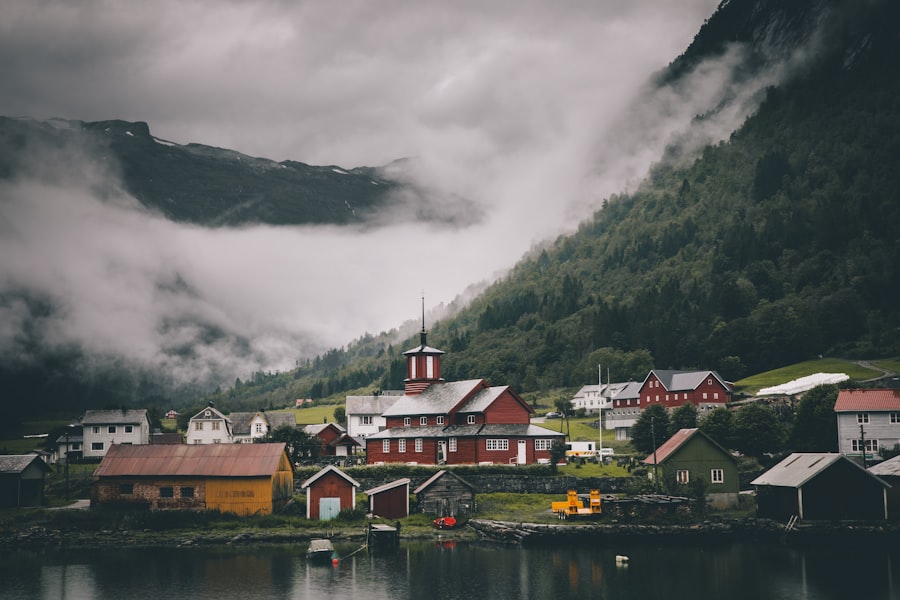
The weather plays a crucial role in shaping beach experiences, and Norwegians have developed a rich vocabulary to describe it. Phrases like “Det er knallvær!” (It’s fantastic weather!) or “Det er litt kjølig i dag” (It’s a bit chilly today) are commonly used to express opinions about the current conditions. The term “solfylt” (sunny) is often thrown around when discussing perfect beach days, while “overskyet” (cloudy) might be used when the sun decides to take a break.
Additionally, slang terms such as “bølger” (waves) and “sand” (sand) are frequently used in conversations about beach conditions. You might hear someone say, “Bølgene er perfekte for surfing!” (The waves are perfect for surfing!), indicating that the conditions are just right for water sports. Understanding these expressions will help you engage in discussions about the weather and make informed decisions about your beach activities.
Expressions for Ordering Food and Drinks
No beach day is complete without indulging in delicious food and refreshing drinks. When it comes to ordering at beachside cafes or kiosks, knowing some key phrases can enhance your experience. For instance, “Kan jeg få en iskrem, vær så snill?” (Can I have an ice cream, please?) is a polite way to request a treat on a hot day.
Similarly, “En kald øl, takk!” (A cold beer, please!) is a popular order among those looking to relax with a drink. In addition to these basic requests, you may encounter specific slang related to popular beach foods. Terms like “pølse” (sausage) or “fiskekake” (fish cake) are often used when discussing local delicacies.
You might hear someone say, “La oss ta en pølse før vi går til stranden!” (Let’s grab a sausage before we head to the beach!), highlighting the casual nature of dining at seaside spots. Familiarising yourself with these expressions will not only make ordering easier but also allow you to appreciate Norway’s culinary offerings.
Terms for Activities and Sports on the Beach
| Slang Term | Meaning | Example Usage | Region |
|---|---|---|---|
| Stranda | The beach | “Vi møtes på stranda senere.” (We’ll meet at the beach later.) | Nationwide |
| Solbrent | Sunburnt | “Jeg ble solbrent i går.” (I got sunburnt yesterday.) | Nationwide |
| Iskald | Ice cold (usually referring to drinks) | “Vil du ha en iskald brus?” (Do you want an ice-cold soda?) | Nationwide |
| Sandkasse | Sandpit or sandbox | “Barna leker i sandkassa.” (The kids are playing in the sandbox.) | Nationwide |
| Havbris | Sea breeze | “Det er deilig med havbris på varme dager.” (The sea breeze is lovely on hot days.) | Coastal areas |
| Badetøy | Swimwear | “Husk badetøy til stranden.” (Remember your swimwear for the beach.) | Nationwide |
| Strandliv | Beach life or lifestyle | “Jeg elsker strandliv om sommeren.” (I love beach life in the summer.) | Nationwide |
Norwegian beaches are bustling with various activities and sports that cater to all ages and interests. From volleyball to paddleboarding, there is no shortage of fun ways to enjoy the sun and sea. Knowing the right terms can help you join in on the excitement.
For example, “volleyball” is simply referred to as “volleyball,” while “bading” means swimming. You might hear someone exclaim, “Skal vi spille volleyball?” (Shall we play volleyball?), inviting others to join in on the fun. Water sports are also popular among beachgoers, with terms like “surfing,” “kitesurfing,” and “seiling” (sailing) frequently mentioned in conversations.
If you’re feeling adventurous, you might hear someone say, “La oss prøve kitesurfing i dag!” (Let’s try kitesurfing today!). Understanding these terms will not only help you participate in activities but also connect with fellow enthusiasts who share your passion for beach sports.
Slang for Complimenting or Flirting with Someone
The beach is often a place where new connections are made, and compliments or flirtations can add an exciting element to your interactions. In Norwegian culture, compliments are typically straightforward yet sincere. Phrases like “Du ser fantastisk ut!” (You look fantastic!) or “Den badedrakten kler deg!” (That swimsuit suits you!) are common ways to express admiration.
Flirting can also be playful and light-hearted at the beach. You might hear someone say, “Er du en solstråle? For du lyser opp hele stranden!” (Are you a ray of sunshine?
Because you light up the whole beach!). Such expressions not only convey interest but also create a fun atmosphere for conversation. Embracing this aspect of Norwegian beach slang can lead to delightful exchanges and perhaps even new friendships.
Insults and Swear Words to Watch Out For
While it’s essential to know how to compliment others, being aware of insults and swear words is equally important for navigating social situations at the beach. Norwegian slang can be quite colourful when it comes to expressing frustration or annoyance. Terms like “idiot” (idiot) or “duster” (fool) may be thrown around in jest among friends but can also be taken seriously if used inappropriately.
Swear words such as “faen” (damn) or “helvete” (hell) are commonly used in moments of exasperation or surprise. It’s crucial to understand the context in which these words are used; while they may be acceptable among friends, they could offend others if used carelessly. Being mindful of language will help you navigate social dynamics more effectively and avoid any unintended misunderstandings.
Slang for Discussing Fashion and Style on the Beach
Fashion plays a significant role in beach culture, with many individuals keen on showcasing their personal style while enjoying the sun and sand. Norwegian slang related to fashion often revolves around casual yet trendy attire suitable for beach outings. Terms like “badedrakt” (swimsuit) and “shorts” are commonly used when discussing what to wear.
You might hear someone say, “Den bikinien er så stilig!” (That bikini is so stylish!), highlighting their appreciation for another’s fashion choice. Additionally, phrases like “strandhatt” (beach hat) or “solbriller” (sunglasses) are frequently mentioned as essential accessories for a day at the beach. Understanding this slang will not only help you engage in conversations about style but also allow you to express your own fashion preferences confidently.
Phrases for Asking for Directions or Recommendations
As you explore different beaches or seaside towns in Norway, knowing how to ask for directions or recommendations can greatly enhance your experience. Phrases like “Hvor er nærmeste strand?” (Where is the nearest beach?) or “Kan du anbefale en god restaurant her?” (Can you recommend a good restaurant here?) are invaluable when seeking local insights. Norwegians are generally helpful and willing to share their knowledge about their favourite spots.
You might hear responses such as “Ta til venstre ved krysset” (Turn left at the intersection) or recommendations like “Prøv den restauranten ved havet; de har fantastisk sjømat!” (Try that restaurant by the sea; they have fantastic seafood!). Being equipped with these phrases will not only help you navigate your surroundings but also foster connections with locals who are eager to share their favourite places.
Local Slang for Talking about Wildlife and Nature on the Beach
Norwegian beaches are often teeming with wildlife and natural beauty, making them ideal locations for nature enthusiasts. Understanding local slang related to wildlife can enrich your conversations about what you see around you. Terms like “fugler” (birds) and “fisk” (fish) are commonly used when discussing marine life or birdwatching opportunities.
You might hear someone excitedly point out, “Se på de måkene!” (Look at those seagulls!) or discuss fishing with phrases like “Jeg så en stor fisk i dag!” (I saw a big fish today!). Additionally, terms related to flora such as “strandgress” (beach grass) or “klipper” (cliffs) can come up when admiring the natural landscape. Familiarising yourself with this vocabulary will allow you to engage more deeply with nature enthusiasts and appreciate Norway’s stunning coastal environment.
Embracing and Understanding Norwegian Beach Slang
In conclusion, embracing Norwegian beach slang opens up a world of opportunities for connection and enjoyment during your time at Norway’s beautiful beaches. From greetings and small talk to expressions related to food, activities, fashion, and wildlife, understanding this vibrant language enhances your overall experience. It allows you to engage more meaningfully with locals and fellow beachgoers while immersing yourself in the unique culture that defines Norway’s coastal lifestyle.
As you navigate conversations using these phrases and expressions, remember that language is not just about words; it’s about building relationships and creating memories. So whether you’re complimenting someone’s style, ordering a refreshing drink, or discussing the weather, let your newfound knowledge of Norwegian beach slang guide you towards unforgettable experiences along Norway’s stunning shores. Embrace this linguistic adventure, and you’ll find that every interaction becomes an opportunity for connection and joy amidst the sun-soaked sands of Norway’s beaches.