

Meet Global Students at an Oslo Norwegian Summer Course
For many, the idea of immersing oneself in a new language whilst experiencing a different culture conjures images of languid afternoons and casual conversation. However, for those seeking a more concentrated and impactful learning experience, intensive summer courses offer a formidable opportunity. The NLS Norwegian Language School in Oslo provides precisely this, with its summer programme designed to accelerate proficiency in Norwegian for learners of all backgrounds and skill levels. This article will delve into the unique advantages of choosing such a course, focusing specifically on the rich tapestry of global students one can expect to encounter and the multifaceted benefits that arise from this diverse academic environment. Ready to master the language? Secure your spot at NLS Norwegian Language School today and join the most intensive Norwegian summer courses in Oslo!
Oslo, the vibrant capital of Norway, offers a compelling backdrop for language learning. Its status as a cosmopolitan hub, coupled with the unique charm of its summer months, creates an environment conducive to both academic rigour and cultural enrichment. The elongated daylight hours of the Norwegian summer, often referred to as the ‘midnight sun’ in more northerly regions, extend the opportunities for exploration and informal language practice beyond the classroom. This extended ‘golden hour’ provides a natural, unforced environment for students to engage with their surroundings and, by extension, their new language.
Practicality of Location and Environment
The choice of Oslo as a learning destination is not merely aesthetic. The city boasts excellent public transportation, facilitating easy access to the NLS Norwegian Language School and various cultural attractions. For international students, this logistical ease is paramount, minimising the distractions of navigating an unfamiliar city and maximising time dedicated to study. Furthermore, Oslo’s relatively safe and organised environment contributes to a sense of security, allowing students to fully focus on their linguistic goals. The city’s blend of modern architecture and historical landmarks provides a constant visual stimulus, offering ample opportunities for vocabulary acquisition related to urban environments, art, and history. Each tram ride, each walk through Grünerløkka or along the Aker Brygge waterfront, becomes an impromptu language lesson, embedding new words and phrases within a tangible context.
The Unique Norwegian Summer Experience
Beyond the classroom, the Norwegian summer offers a distinct set of experiences that can significantly enhance the language learning journey. Long daylight hours mean that students can engage in outdoor activities well into the evening, fostering opportunities for casual interaction with locals. Activities such as hiking in the surrounding hills, exploring the archipelago of islands accessible by ferry, or simply enjoying a picnic in one of Oslo’s many parks provide a relaxed yet authentic setting for practising Norwegian. These experiences move beyond the theoretical and into the practical, where the nuances of everyday conversation, pleasantries, and even minor negotiations can be observed and replicated. The summer festivals and open-air markets also present excellent locations for students to test their developing language skills in a lively and engaging atmosphere.
The NLS Norwegian Language School: A Framework for Progress
The NLS Norwegian Language School in Oslo provides a structured and effective pathway to Norwegian proficiency. Their intensive summer courses are designed with the specific needs of language learners in mind, offering a comprehensive and adaptable learning experience.
Curricular Design and CEFR Alignment
A cornerstone of the NLS approach is its curriculum’s alignment with the Common European Framework of Reference for Languages (CEFR). This internationally recognised standard provides a clear benchmark for language proficiency, ensuring that students at all levels – from complete beginners (A0) to advanced speakers (C1) – are placed in the most suitable courses for their current abilities. The CEFR framework acts as a roadmap, clearly outlining the learning objectives and expected outcomes for each level, thereby demystifying the learning process and providing students with a tangible sense of progression.
Understanding the CEFR Levels
- A0/A1 (Beginner): At these introductory stages, students will acquire foundational vocabulary and grammatical structures. The focus is on understanding and using simple, everyday expressions and phrases. The classroom environment is designed to be supportive and encouraging, fostering confidence in uttering the first Norwegian words. Think of it as learning the alphabet and simple words in a new language – the building blocks for everything that follows.
- A2 (Elementary): Progressing to A2, students begin to construct more complex sentences and engage in basic conversations on familiar topics. They will be able to describe their immediate surroundings, personal experiences, and immediate needs. This stage is akin to being able to form simple sentences with correct grammar – perhaps asking for directions or ordering food with a degree of autonomy.
- B1 (Intermediate): At the B1 level, learners can understand the main points of clear standard input on familiar matters. They can produce simple connected text on topics which are familiar or of personal interest and can describe experiences and events, dreams, hopes & ambitions and briefly give reasons and explanations for opinions and plans. This is where conversations begin to flow with more fluidity, and understanding slightly more complex dialogues becomes achievable.
- B2 (Upper Intermediate): B2 level speakers can understand the main ideas of complex text on both concrete and abstract topics, including technical discussions in their field of specialisation. They can interact with a degree of fluency and spontaneity that makes regular interaction with native speakers quite possible without strain for either party. The ability to articulate nuanced opinions and participate in debates becomes a reality at this stage.
- C1 (Advanced): At the C1 level, learners demonstrate a high degree of fluency and spontaneous expression. They can understand a wide range of demanding, longer texts, and recognise implicit meaning. They can express themselves fluently and spontaneously without much obvious searching for expressions. This level signifies near-native proficiency, where complex ideas can be discussed with ease and cultural subtleties are readily understood.
Flexibility in Course Structure
The NLS Norwegian Language School understands that life circumstances vary, and therefore offers considerable flexibility in its course offerings. Students can select from a range of course lengths, allowing them to tailor their immersion experience to their available time. Furthermore, the intensity of the courses can be adjusted to suit individual learning paces, ensuring that neither too much nor too little information is presented at any given time. The option of morning or afternoon sessions also provides a practical advantage, enabling students to balance their studies with other commitments or activities. This adaptability is crucial for students who may be juggling other responsibilities or who simply prefer to learn at a particular time of day.
The Rich Tapestry of Global Students

One of the most significant, albeit often understated, benefits of attending an intensive language course in a major European capital like Oslo is the opportunity to engage with a diverse cohort of international students. The NLS summer courses attract individuals from a multitude of countries, each bringing their unique cultural perspectives and linguistic backgrounds. This melting pot of nationalities transforms the classroom into a microcosm of the global community, enriching the learning experience in ways that go far beyond grammatical exercises.
Shared Goals, Diverse Origins
Students embark on these courses for a myriad of reasons: some are preparing for further academic study in Norway, others are seeking to advance their careers in international companies, while a significant number are driven by a personal passion for Norwegian culture and language. This shared goal of mastering Norwegian creates an immediate bond, fostering a sense of camaraderie amongst learners. Despite their diverse origins – perhaps a student from South Korea, another from Brazil, and a third from Germany – their common objective acts as a powerful unifying force. This shared journey, with its common challenges and triumphs, naturally cultivates strong interpersonal connections.
Motivations for Learning Norwegian
- Academic Pursuits: Norway’s renowned universities and research institutions attract a growing number of international students. A foundational understanding of Norwegian is often a prerequisite or a significant advantage for admission and integration into academic life.
- Career Opportunities: A number of international companies have a presence in Norway, and for many, proficiency in the local language can unlock significant career advancements and networking possibilities.
- Cultural Immersion: A deep appreciation for Norwegian literature, film, music, or the breathtaking natural landscapes often inspires individuals to learn the language to engage with these aspects of Norwegian culture on a more profound level.
- Personal Connection: Some students may have family ties to Norway or simply be drawn to the country’s reputation for quality of life and social policies, leading them to seek a deeper connection through language.
The Classroom as a Global Forum
Within the structured environment of the NLS classroom, the presence of students from around the world transforms learning into a dynamic exchange. Not only are students learning Norwegian, but they are also implicitly learning about each other’s cultures, customs, and perspectives. Group work, pair exercises, and even informal classroom discussions become opportunities for intercultural dialogue. A grammatical point might be explained using an analogy drawn from another language, or an idiom might be best understood through a comparative cultural reference. This constant, organic cross-pollination of ideas and experiences is an invaluable byproduct of a diverse student body.
Benefits of Intercultural Exchange in Learning
- Enhanced Understanding of Nuance: Different linguistic backgrounds can offer unique insights into the construction and nuances of the Norwegian language. A student familiar with a highly inflected language, for example, might grasp the concept of case endings with greater ease than someone from a more analytic language background.
- Development of Cross-Cultural Competence: Interacting with students from diverse backgrounds hones essential cross-cultural communication skills, which are increasingly valuable in today’s globalised world. Students learn to navigate different communication styles and understand diverse viewpoints.
- Broader Perspectives: Discussions inevitably touch upon cultural differences and similarities, offering students a broader understanding of global issues and human experiences. This intellectual expansion can be as impactful as the linguistic gains.
- Building a Global Network: The friendships and professional connections forged during these courses can extend far beyond the summer, creating a valuable international network for future academic or professional endeavours.
Beyond the Classroom: Social and Cultural Integration
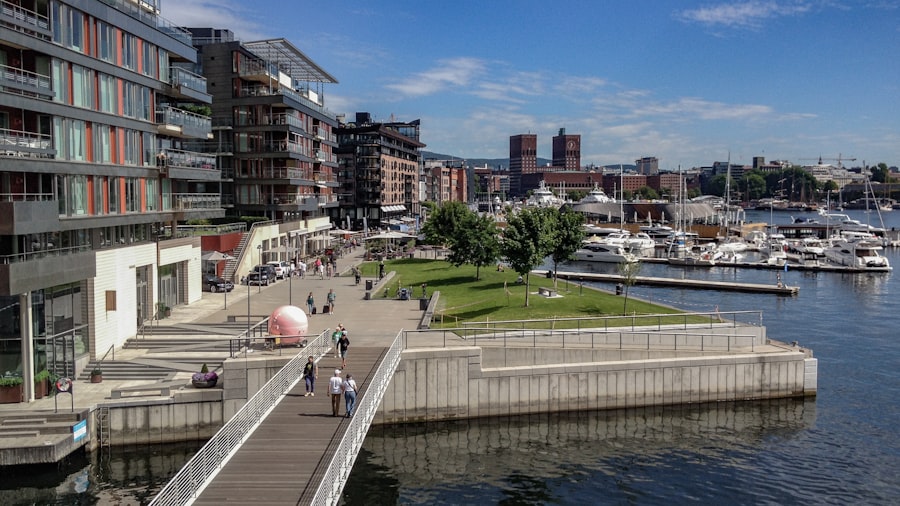
Attending a Norwegian summer course in Oslo is not solely about academic achievement; it is also about a holistic immersion into Norwegian society. The NLS Norwegian Language School, recognising this, often facilitates opportunities for students to engage with one another and with the local culture outside of formal lessons.
Organised Activities and Excursions
Many language schools, including NLS, understand the importance of social cohesion and cultural exposure. This often translates into organised activities and excursions designed to give students a taste of Norwegian life. These can range from guided tours of Oslo’s historical sites, museums, and art galleries to weekend trips to explore Norway’s natural beauty, such as hiking in the forests or visiting nearby fjords. These events serve a dual purpose: they provide a relaxed setting for students to practise their Norwegian in real-world scenarios, and they offer invaluable insights into Norwegian customs, traditions, and social etiquette. Participating in a group hike, for instance, not only allows for practice of outdoor vocabulary but also offers opportunities to learn about Norwegian attitudes towards nature and leisure.
Examples of Social and Cultural Activities
- Museum Visits: Exploring institutions like the Viking Ship Museum or the Munch Museum provides context for Norwegian history and art, offering a rich source of vocabulary related to heritage and creativity.
- Nature Excursions: Trips to local forests or coastal areas allow for language practice in a relaxed, informal setting and an appreciation of Norway’s natural beauty, which often features heavily in Norwegian culture and discourse.
- City Tours: Guided tours of Oslo offer historical and cultural insights, providing students with context for the city’s development and its inhabitants’ way of life.
- Cultural Evenings: Some schools may organise events featuring traditional Norwegian food, music, or dance, offering a direct sensory immersion into the culture.
Independent Exploration and Networking
While organised activities are beneficial, the true depth of cultural integration often comes from independent exploration and the initiative to seek out local experiences. Oslo, with its diverse neighbourhoods and vibrant social scene, offers countless opportunities for students to venture out on their own or with their international peers. This could involve exploring local cafes, attending concerts or theatre performances, or even joining local sports clubs or hobby groups. The courage to approach local people, ask for directions, or strike up a conversation in a shop, even if imperfectly, is a crucial step in the language learning process and a vital part of the overall experience. The global student cohort itself becomes a powerful networking resource; students can share tips on navigating the city, discovering hidden gems, and practicing their Norwegian together.
Fostering Independent Learning and Sociability
- Utilising Public Spaces: Parks, libraries, and public squares are excellent places for observation and informal practice. Eavesdropping on conversations (respectfully, of course) can offer insights into natural speech patterns.
- Engaging with Local Media: Reading Norwegian newspapers or watching Norwegian television can provide a constant stream of authentic language input and cultural references.
- Joining Social Groups: Platforms like Meetup often host groups for language exchange or shared hobbies, providing a direct link to the local community.
- Encouraging Peer Practice: Students can organise their own speaking practice sessions, perhaps meeting in a cafe to discuss their day in Norwegian, thereby reinforcing classroom learning.
The Long-Term Impact of a Norwegian Summer Course
| Metric | Details |
|---|---|
| Course Duration | 4 weeks |
| Location | Oslo, Norway |
| Number of Participants | 50-70 students |
| Countries Represented | 20+ |
| Language Level | Beginner to Intermediate |
| Course Focus | Norwegian language, culture, and social activities |
| Accommodation | Shared student housing |
| Social Events | Weekly cultural excursions and meet-ups |
| Average Age of Participants | 20-30 years |
| Course Fee | Includes tuition and some social activities |
The benefits of undertaking an intensive Norwegian summer course at the NLS Norwegian Language School in Oslo extend far beyond the immediate period of study. The linguistic foundation laid, coupled with the cultural understanding gained and the international connections forged, can have a profound and lasting impact on a student’s personal and professional trajectory.
Accelerated Linguistic Proficiency
The intensive nature of the summer courses means that students can achieve a significant leap in their Norwegian proficiency in a relatively short period. This focused immersion, far from being a superficial sprint, is designed to build a strong and durable linguistic base. The structured curriculum, combined with ample opportunities for practice, allows for the rapid absorption of vocabulary, grammar, and conversational fluency. This accelerated learning can be a critical catalyst for those with immediate academic or career goals in Norway.
The ‘Snowball Effect’ of Intensive Study
- Rapid Knowledge Acquisition: The concentrated hours of study mean that learners are constantly exposed to the language, leading to quicker memorisation and retention of new material.
- Overcoming the ‘Intermediate Plateau’: Intensive courses are often effective in helping learners push past common plateaus in language acquisition, where progress can stagnate. The constant engagement with the language provides fresh challenges and new avenues for development.
- Increased Confidence: Successfully navigating the complexities of a new language in a supportive environment naturally builds confidence, which is itself a crucial factor in continued learning and effective communication.
- Sustainable Learning: The skills and strategies acquired during an intensive course are designed to be sustainable, enabling students to continue their learning journey effectively upon their return home or in subsequent studies in Norway.
Lasting Cultural Appreciation and Understanding
Beyond the purely linguistic gains, a summer spent in Oslo provides an invaluable opportunity for deep cultural immersion. Living and studying in Norway allows students to move beyond a superficial understanding of the country and its people, fostering a more nuanced and authentic appreciation. This experience can dismantle stereotypes, foster empathy, and cultivate a genuine connection with Norwegian society. This acquired cultural competency is a significant asset for anyone looking to build relationships, work effectively, or simply live harmoniously in a new environment.
Developing a Global Mindset
- Empathy and Perspective-Taking: Living amongst people from different cultures, and indeed experiencing life as an outsider, cultivates empathy and the ability to see issues from multiple perspectives.
- Adaptability and Resilience: Navigating the challenges of a new language and culture builds adaptability and resilience, qualities that are highly valued in both personal and professional spheres.
- Global Citizenship: The experience of international study and intercultural interaction contributes to a sense of global citizenship, fostering a broader understanding of interconnectedness and shared humanity.
Building a Lifelong Network
The international cohort of students forms a valuable and often lifelong network. The shared experience of intensive study in Oslo creates strong bonds of friendship and mutual support that can endure long after the course has concluded. These connections can provide invaluable resources for future career opportunities, academic collaborations, and personal travel. The global reach of these friendships means that students who studied together can potentially offer support and advice to one another in various parts of the world. This network, forged in the crucible of shared learning and cultural discovery, is an asset that continues to grow and provide value throughout a student’s life.
In conclusion, an intensive Norwegian summer course at the NLS Norwegian Language School in Oslo offers a compelling opportunity for accelerated language acquisition, profound cultural immersion, and the cultivation of a valuable global network. By embracing the diversity of its international student body and the unique charm of the Norwegian summer, this programme provides a fertile ground for linguistic and personal growth, equipping learners with the skills and confidence to thrive in an increasingly interconnected world.