
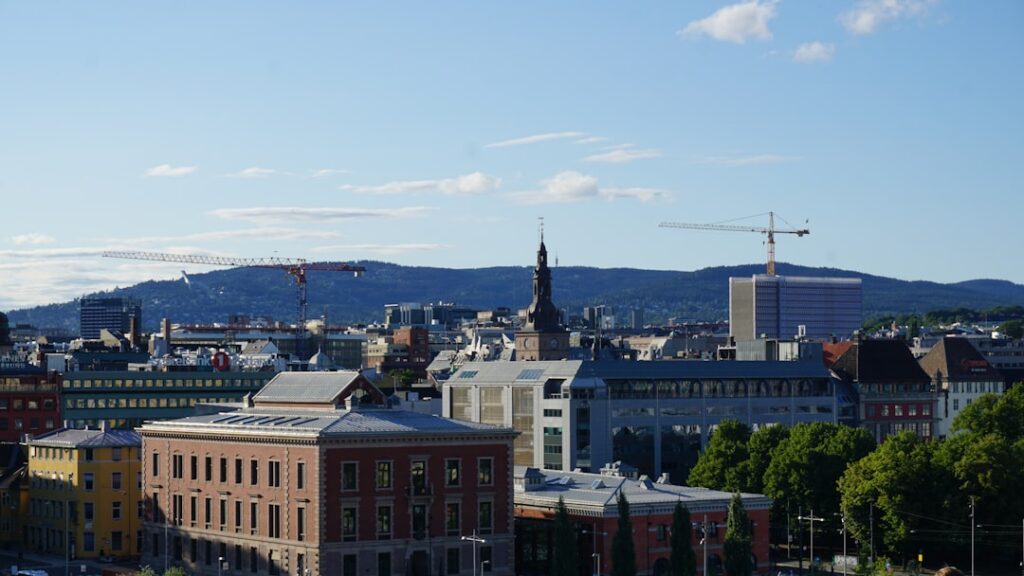
The Oslo Fjord, a remarkable natural feature, contains a multitude of islands awaiting discovery. Extending over 100 kilometres, this scenic fjord encompasses more than 1,000 islands, each with its distinctive appeal and atmosphere. From peaceful retreats to bustling cultural centres, island hopping in the Oslo Fjord offers visitors the chance to experience the magnificent beauty of Norway’s coastal scenery.
The blend of verdant foliage, pristine waters and charming settlements renders this experience essential for those visiting the capital. When you set out on your island hopping expedition, you will encounter a diverse mixture of history, culture and natural environments. The islands provide not only visual splendour but also recreational opportunities for outdoor enthusiasts and those seeking leisure.
Whether you wish to relax on an isolated beach, visit historical landmarks or sample local gastronomy, the Oslo Fjord caters to all preferences. This article will provide guidance on the fundamental elements of planning your island hopping excursion, helping you to optimise your time in this captivating region.
Summary
- The Oslo Fjord offers a unique island hopping experience with diverse islands to explore.
- Careful planning is essential, including choosing the right islands and transport methods.
- Popular islands feature a range of activities, from hiking and wildlife spotting to cultural attractions.
- Pack appropriately for changing weather and bring essentials for comfort and safety.
- Accommodation and dining options vary, providing authentic local experiences throughout your trip.
Planning Your Island Hopping Adventure
When it comes to planning your island hopping adventure in the Oslo Fjord, preparation is key. Start by determining how much time you have available for your exploration. A weekend getaway may allow you to visit a couple of islands, while a week-long trip could enable you to delve deeper into the fjord’s offerings.
Consider your interests and preferences; whether you are keen on hiking, swimming, or simply soaking up the sun, there are islands that cater to every desire. Next, research the various islands and their attractions. Some islands are renowned for their natural beauty, while others boast rich historical significance or vibrant cultural scenes.
Create a rough itinerary that includes the islands you wish to visit and the activities you want to partake in. It is also wise to check ferry schedules and operating hours, as these can vary depending on the season. By planning ahead, you can ensure a seamless and enjoyable experience as you navigate the stunning waters of the Oslo Fjord. Secure your spot: Register for Norwegian spring courses in Oslo.
Must-Visit Islands in the Oslo Fjord
Among the myriad of islands in the Oslo Fjord, several stand out as must-visit destinations. One such island is Hovedøya, known for its lush greenery and historical ruins. Just a short ferry ride from Oslo, Hovedøya is home to a 12th-century Cistercian monastery and offers beautiful walking trails that wind through its scenic landscapes.
The island’s sandy beaches provide an ideal spot for sunbathing and picnicking during the warmer months. Another gem is Bygdøy, often referred to as the “Museum Peninsula.” This island is home to several of Norway’s most famous museums, including the Viking Ship Museum and the Fram Museum. Visitors can easily spend an entire day exploring Bygdøy’s cultural offerings while also enjoying its beautiful beaches and parks.
For those seeking a more tranquil experience, Langøyene is an excellent choice. This island features expansive green spaces and secluded beaches, making it perfect for relaxation and leisurely strolls.
Activities and Attractions on the Islands
The activities available on the islands of the Oslo Fjord are as diverse as the islands themselves. For those who enjoy outdoor pursuits, hiking trails abound, offering stunning views of the fjord and surrounding landscapes. Many islands have well-marked paths that cater to various skill levels, allowing everyone from casual walkers to seasoned hikers to enjoy the natural beauty of the area.
In addition to hiking, water-based activities are plentiful. Kayaking and paddleboarding are popular options for those looking to explore the fjord from a different perspective. Several rental companies operate on various islands, providing equipment for those eager to venture out onto the water.
Fishing enthusiasts will also find ample opportunities to cast their lines in search of local fish species. Furthermore, many islands host cultural events and festivals throughout the summer months, providing visitors with a chance to engage with local traditions and customs.
Getting Around: Transportation Options
| Island | Distance from Oslo (km) | Ferry Duration (minutes) | Best Time to Visit | Main Attractions | Accessibility |
|---|---|---|---|---|---|
| Hovedøya | 2.5 | 15 | April to June | Historic Monastery Ruins, Beaches, Hiking Trails | Regular ferry service from Oslo city centre |
| Lindøya | 3.0 | 20 | April to May | Secluded Beaches, Small Cafés, Nature Walks | Ferry from Oslo, limited service on weekdays |
| Gressholmen | 3.2 | 18 | May to June | Wildlife Watching, Picnic Areas, Old Fortifications | Ferry from Oslo, accessible year-round |
| Langøyene | 4.0 | 25 | April to June | Camping Sites, Beaches, Barbecue Areas | Ferry from Oslo, seasonal service |
| Bleikøya | 3.5 | 22 | April to May | Quiet Nature, Hiking, Bird Watching | Ferry from Oslo, limited weekend service |
Navigating the Oslo Fjord is relatively straightforward, thanks in large part to an efficient ferry system that connects many of the islands to Oslo and each other. Regular ferry services operate from Aker Brygge and other central locations in Oslo, making it easy for visitors to hop from one island to another. The ferries are not only a practical means of transportation but also offer stunning views of the fjord as you travel between destinations.
For those who prefer a more leisurely pace, renting a private boat or joining an organised tour can provide a unique perspective on the islands. Several companies offer guided boat trips that include stops at various islands along with informative commentary about their history and attractions. Alternatively, if you are feeling adventurous, consider renting a bicycle on some of the larger islands to explore at your own pace.
Packing Essentials for Island Hopping
When preparing for your island hopping adventure in the Oslo Fjord, packing wisely is essential to ensure a comfortable experience. Start with clothing that is suitable for varying weather conditions; layers are key in Norway’s unpredictable climate. A lightweight waterproof jacket is advisable, as sudden rain showers can occur even during summer months.
Footwear is another important consideration; comfortable walking shoes or sandals will serve you well as you explore the islands’ trails and beaches. Don’t forget essentials such as sunscreen, sunglasses, and a hat to protect yourself from the sun while enjoying outdoor activities. Additionally, bringing along a reusable water bottle will help keep you hydrated throughout your adventures.
Accommodation Options on the Islands
While many visitors choose to return to Oslo after a day of island hopping, there are also several accommodation options available on some of the islands for those wishing to extend their stay. Hovedøya offers camping facilities for those who enjoy sleeping under the stars amidst nature’s beauty. This option allows for an immersive experience in the tranquil surroundings of the island.
For those seeking more comfort, Bygdøy has several hotels and guesthouses that cater to various budgets. Staying overnight on one of these islands provides an opportunity to experience their charm after day-trippers have departed. Imagine enjoying a peaceful evening stroll along the beach or dining at a local restaurant while watching the sunset over the fjord.
Dining and Food Experiences
The culinary scene on the islands of the Oslo Fjord is as diverse as their landscapes. Many islands feature charming cafés and restaurants that serve fresh seafood and traditional Norwegian dishes. Dining al fresco while overlooking the water adds an extra layer of enjoyment to your meal.
On Hovedøya, visitors can find small eateries offering light snacks and refreshments perfect for picnics or post-hike meals. Bygdøy boasts several dining options ranging from casual cafés to more upscale restaurants where you can savour local delicacies such as reindeer stew or freshly caught fish. Be sure to sample some traditional Norwegian pastries like krumkake or skolebrød during your visit; they make for delightful treats after a day of exploration.
Wildlife and Nature Spotting
The Oslo Fjord is not only known for its stunning landscapes but also for its rich biodiversity. As you hop from island to island, keep an eye out for various wildlife species that inhabit this beautiful region. Birdwatchers will be particularly delighted by the array of avian life found throughout the fjord; migratory birds flock here during spring and autumn months.
Seals can often be spotted lounging on rocks or swimming near certain islands, while otters may be seen frolicking along shorelines. If you’re lucky, you might even catch sight of porpoises or other marine life during your boat journeys between islands. The natural beauty of the fjord provides ample opportunities for nature lovers to connect with wildlife in their natural habitats.
Weather and Climate Considerations
Understanding the weather and climate conditions in the Oslo Fjord is crucial when planning your island hopping adventure. The region experiences a maritime climate characterised by mild summers and cold winters. Summer months (June to August) are generally warm with average temperatures ranging from 15°C to 25°C (59°F to 77°F), making it an ideal time for outdoor activities.
However, it is essential to be prepared for sudden changes in weather; rain showers can occur unexpectedly even during sunny days. Spring (April to June) can also be quite variable, so layering clothing is advisable during this time as well. Always check local forecasts before heading out for your day of exploration; being informed will help ensure that you have an enjoyable experience regardless of what Mother Nature has in store.
Tips for a Memorable Island Hopping Experience
To make your island hopping experience in the Oslo Fjord truly memorable, consider these helpful tips. First and foremost, take your time; don’t rush through your itinerary but rather savour each moment spent on these beautiful islands. Allow yourself time to explore hidden corners, engage with locals, and soak up the serene atmosphere.
Additionally, embrace spontaneity; while having a plan is important, some of the best experiences come from unexpected discoveries along the way. Be open to trying new activities or visiting lesser-known islands that may not be on your original list but could offer unique experiences. Lastly, remember to capture your memories through photographs but also take moments away from your camera to fully immerse yourself in your surroundings.
The Oslo Fjord is a place where nature’s beauty meets rich culture; allow yourself to be present in each moment as you embark on this unforgettable journey through Norway’s stunning archipelago.