
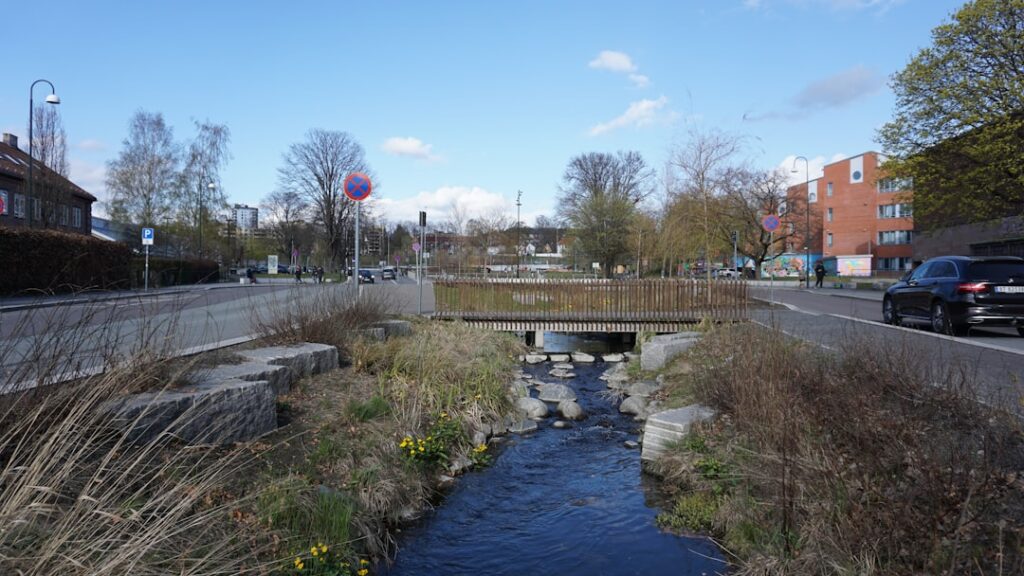
The Oslo Fjord extends approximately 100 kilometres and contains over 1,000 islands of varying sizes and characteristics. This Norwegian coastal region offers diverse opportunities for island exploration, featuring a combination of natural landscapes, historical sites, and recreational facilities. The fjord’s islands range from uninhabited nature reserves to populated areas with established cultural attractions and amenities.
Each island within the Oslo Fjord possesses distinct features and offerings. Some islands are primarily known for their natural environments and outdoor recreational opportunities, whilst others contain significant historical monuments and cultural institutions. The region accommodates various visitor preferences, from those seeking quiet natural settings to individuals interested in cultural activities and entertainment.
This guide provides practical information for planning an island-hopping itinerary within the Oslo Fjord region.
Summary
- The Oslo Fjord offers a unique island hopping experience combining nature, culture, and history.
- Planning ahead is essential for transport, accommodation, and activity bookings.
- Key islands to visit include Hovedøya, Gressholmen, and Langøyene, each with distinct attractions.
- Outdoor activities range from hiking and swimming to bird watching and exploring historical sites.
- Embracing sustainable tourism practices helps preserve the fjord’s natural beauty and wildlife.
Planning Your Island Hopping Adventure
Before setting sail on your island hopping adventure, it is crucial to plan your itinerary carefully. The first step is to determine how much time you have available for your exploration. A weekend getaway may allow you to visit a few nearby islands, while a week-long trip could enable you to venture further afield and experience a wider variety of landscapes and activities.
Consider your interests and preferences when selecting which islands to include in your journey, as this will help you create a tailored experience that suits your desires. Next, it is essential to research the various transportation options available for navigating the fjord. Ferries are the most popular means of travel between the islands, with regular services operating from Oslo to many of the more accessible destinations.
Additionally, some islands can be reached by private boat or kayak, offering a more intimate way to explore the waters. Be sure to check the ferry schedules in advance, as they can vary depending on the season and day of the week. By planning your route and transportation ahead of time, you can ensure a smooth and enjoyable island hopping experience. Secure your spot: Register for Norwegian spring courses in Oslo.
Must-Visit Islands in the Oslo Fjord

Among the myriad of islands in the Oslo Fjord, several stand out as must-visit destinations for any island hopping adventure. One such island is Hovedøya, located just a short ferry ride from Oslo’s city centre. Known for its beautiful beaches and lush forests, Hovedøya is an ideal spot for picnicking and relaxation.
The island is also home to the ruins of a 12th-century Cistercian monastery, providing a fascinating glimpse into Norway’s medieval history. Another gem in the fjord is Bygdøy, often referred to as the “Museum Peninsula.” This island is home to several renowned museums, including the Viking Ship Museum and the Norwegian Folk Museum. Visitors can immerse themselves in Norway’s rich maritime heritage while enjoying the scenic beauty of the surrounding landscape.
With its combination of cultural attractions and stunning views, Bygdøy is a perfect destination for those seeking both education and leisure during their island hopping journey.
Outdoor Activities and Nature Exploration
The Oslo Fjord is a paradise for outdoor enthusiasts, offering a plethora of activities that allow visitors to connect with nature. Hiking trails abound on many of the islands, providing opportunities for exploration and adventure. For instance, on Nordre Færder, you can traverse scenic paths that lead to breathtaking viewpoints overlooking the fjord.
The diverse flora and fauna found on these islands make hiking an enriching experience for nature lovers. In addition to hiking, kayaking is another popular activity that allows you to navigate the tranquil waters of the fjord at your own pace. Paddling through the archipelago offers a unique perspective on the islands’ landscapes and wildlife.
Many rental companies provide kayaks and guided tours for those who prefer a more structured experience. Whether you choose to hike or kayak, the outdoor activities available in the Oslo Fjord will undoubtedly leave you feeling invigorated and connected to nature.
Historical and Cultural Highlights on the Islands
| Island | Distance from Oslo (km) | Best Time to Visit | Key Attractions | Accessibility | Recommended Activities |
|---|---|---|---|---|---|
| Hovedøya | 1.6 | April to June | Monastery ruins, sandy beaches, nature trails | Ferry (20 minutes) | Hiking, picnicking, swimming |
| Lindøya | 3.5 | April to June | Small village atmosphere, quaint cafes | Ferry (30 minutes) | Exploring local culture, cycling |
| Gressholmen | 3.0 | April to June | Wildlife spotting, beaches | Ferry (25 minutes) | Bird watching, swimming |
| Langøyene | 4.0 | April to June | Camping sites, picnic areas | Ferry (35 minutes) | Camping, barbecuing, beach activities |
| Bleikøya | 2.5 | April to June | Quiet nature, hiking paths | Ferry (20 minutes) | Hiking, nature photography |
The islands of the Oslo Fjord are steeped in history and culture, making them fascinating destinations for those interested in Norway’s past. One notable site is Oscarsborg Fortress, located on two small islands in the fjord. This historic fortress played a significant role during World War II and is now a popular tourist attraction.
Visitors can explore its well-preserved buildings and learn about its strategic importance in Norway’s military history. Another cultural highlight is the island of Langøyene, which features remnants of old summer houses built by wealthy Oslo citizens in the early 20th century. These charming structures provide insight into the leisure activities of Norwegians during that era.
Additionally, many islands host art installations and cultural events throughout the summer months, allowing visitors to engage with local artists and experience contemporary Norwegian culture firsthand.
Local Cuisine and Dining Options
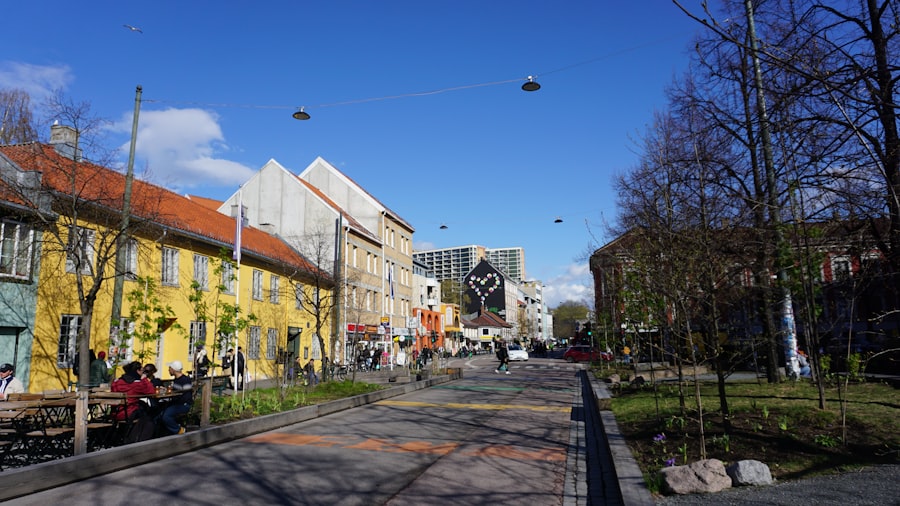
No island hopping adventure would be complete without indulging in the local cuisine. The Oslo Fjord region boasts a rich culinary heritage that reflects its maritime surroundings. Many islands feature charming cafés and restaurants where visitors can savour traditional Norwegian dishes made from fresh, locally sourced ingredients.
Seafood lovers will delight in sampling dishes such as freshly caught fish, shrimp, and crab prepared with care by skilled chefs. For those seeking a more casual dining experience, many islands offer picnic areas where you can enjoy a meal amidst nature. Local bakeries often provide delicious pastries and bread that make for perfect picnic fare.
Additionally, some islands have small grocery stores where you can purchase supplies for a delightful outdoor feast. Embracing the local cuisine not only enhances your island hopping experience but also allows you to connect with the culture of the region.
Accommodation and Camping on the Islands
When planning your island hopping adventure, it is essential to consider accommodation options that suit your needs. Many islands offer various types of lodging, ranging from cosy cabins to charming guesthouses. For those who prefer a more immersive experience with nature, camping is also an option on several islands.
Designated camping areas provide facilities for tents and campers while allowing you to wake up surrounded by stunning landscapes. Staying overnight on one of the islands allows you to fully appreciate their beauty after day-trippers have departed. The tranquillity of the evenings provides an opportunity for stargazing or enjoying a campfire by the water’s edge.
Whether you choose to stay in a comfortable cabin or pitch a tent under the stars, accommodation options on the islands cater to diverse preferences and budgets.
Transportation and Getting Around the Oslo Fjord
Navigating the Oslo Fjord is relatively straightforward thanks to its well-established transportation network. Ferries are the primary mode of transport between many of the islands, with regular services operating from Oslo’s city centre. These ferries not only provide efficient transportation but also offer stunning views of the fjord as you travel from one island to another.
Once on an island, getting around can vary depending on its size and infrastructure. Some islands are small enough to explore on foot or by bicycle, while others may have limited public transport options. Renting a bike or simply strolling along scenic paths allows you to fully immerse yourself in the natural beauty of each destination.
Regardless of how you choose to get around, exploring at your own pace will enhance your overall experience in this captivating region.
Wildlife and Bird Watching Opportunities
The Oslo Fjord is home to an abundance of wildlife, making it an excellent destination for nature enthusiasts and bird watchers alike. The diverse ecosystems found on the islands support various species of birds, including puffins, eagles, and gulls. Birdwatching enthusiasts will find plenty of opportunities to observe these magnificent creatures in their natural habitats.
In addition to avian life, marine wildlife such as seals and porpoises can often be spotted swimming in the fjord’s waters. Guided wildlife tours are available for those who wish to learn more about these fascinating animals while enjoying a boat ride through the archipelago. Whether you’re an experienced birdwatcher or simply enjoy observing wildlife in its natural environment, the Oslo Fjord offers countless opportunities for unforgettable encounters with nature.
Sustainable Tourism and Eco-Friendly Practices
As interest in sustainable tourism continues to grow, many visitors are seeking ways to minimise their environmental impact while exploring new destinations. The Oslo Fjord region has embraced eco-friendly practices that promote responsible tourism and conservation efforts. Many local businesses prioritise sustainability by sourcing ingredients locally, reducing waste, and implementing eco-friendly initiatives.
When planning your island hopping adventure, consider choosing accommodations that prioritise sustainability or participating in guided tours that focus on environmental education. Additionally, be mindful of your own actions while exploring nature—stick to marked trails, dispose of waste properly, and respect wildlife habitats. By embracing sustainable tourism practices during your visit, you can contribute positively to preserving the beauty of the Oslo Fjord for future generations.
Tips for a Memorable Island Hopping Experience
To ensure that your island hopping adventure in the Oslo Fjord is truly memorable, consider these helpful tips. First and foremost, be flexible with your plans; weather conditions can change rapidly in Norway, so having alternative options can enhance your experience if unexpected circumstances arise. Additionally, take time to engage with locals—whether through conversations at cafés or participating in community events—to gain insights into their way of life.
Lastly, don’t forget to capture your memories through photographs or journaling during your journey. The stunning landscapes and unique experiences will undoubtedly leave a lasting impression that you’ll want to remember long after your adventure has ended. By following these tips and embracing spontaneity during your travels, you’ll create cherished memories that will stay with you for years to come as you explore the enchanting islands of the Oslo Fjord.