

The Oslo Fjord, a remarkable natural feature, extends approximately 100 kilometres from Oslo to the Skagerrak strait in Norway. This fjord is characterised by its impressive landscapes, featuring numerous islands and coastal settlements. The Oslo Fjord serves as both a scenic attraction and a centre for cultural and leisure activities, attracting Norwegian residents and international visitors.
Its calm waters, surrounded by verdant vegetation and steep rock formations, provide a peaceful environment suitable for exploration and leisure. The Oslo Fjord ranks among Norway’s most frequented natural attractions, combining scenic beauty with historical significance. The area contains numerous sites reflecting Viking heritage and maritime history.
The fjord accommodates various visitor preferences, from quiet retreats to active pursuits. With its diverse marine species and ecological systems, the Oslo Fjord demonstrates Norway’s environmental conservation efforts whilst offering visitors significant experiential opportunities.
Summary
- Oslo Fjord offers a unique blend of natural beauty, culture, and history for island hopping enthusiasts.
- Accessible by various transport options, planning your route to the right islands is essential for a fulfilling visit.
- Visitors can enjoy diverse activities, from exploring historical sites to engaging in water sports and outdoor adventures.
- Sampling local cuisine and choosing suitable accommodation enhance the overall island experience.
- Emphasising safety and sustainable tourism ensures a responsible and enjoyable journey through Oslo Fjord.
Getting to Oslo Fjord
Reaching the Oslo Fjord is a straightforward endeavour, thanks to its proximity to the capital city of Oslo. The fjord is easily accessible by various modes of transportation, making it convenient for both domestic and international travellers. For those arriving by air, Oslo Gardermoen Airport serves as the main gateway, with numerous flights connecting to major cities around the world.
From the airport, visitors can take a train or bus to the city centre, where they can begin their journey to the fjord. Once in Oslo, several options are available for reaching the fjord’s stunning islands. The most popular method is by ferry, with regular services operating from the city’s harbour.
These ferries provide a scenic route across the water, allowing passengers to soak in the breathtaking views of the surrounding landscape. Alternatively, visitors can opt for private boat rentals or guided tours that offer a more personalised experience. Regardless of the chosen mode of transport, the journey to Oslo Fjord promises to be an adventure in itself. Secure your spot: Enroll in our Norwegian summer courses in Oslo today!
Choosing the Right Islands to Visit
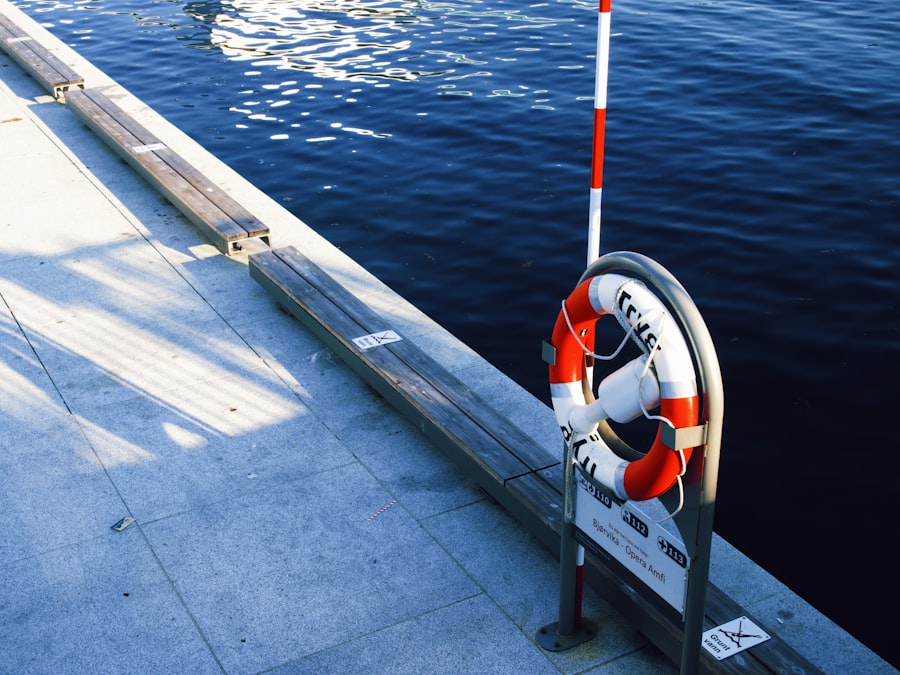
The Oslo Fjord is home to over 1,000 islands, each offering its own unique charm and attractions. With such a vast array of options, selecting the right islands to visit can be a delightful challenge. Some of the most popular islands include Hovedøya, known for its historical ruins and beautiful beaches; Bygdøy, which boasts several museums and cultural sites; and Langøyene, a tranquil spot perfect for picnics and relaxation.
Each island presents its own distinct character, catering to different interests and preferences. For those seeking a blend of history and nature, Hovedøya is an excellent choice. The island features the remains of a 12th-century Cistercian monastery and offers picturesque walking trails along its coastline.
On the other hand, Bygdøy is often referred to as the “Museum Peninsula,” housing attractions such as the Viking Ship Museum and the Norwegian Folk Museum. For families or those looking for a peaceful escape, Langøyene provides ample space for outdoor activities and sunbathing on its sandy shores. Ultimately, the choice of islands will depend on individual interests, ensuring that every visitor can curate their own unique experience in the Oslo Fjord.
Exploring the Cultural and Historical Sites
The Oslo Fjord is not only a natural paradise but also a treasure trove of cultural and historical sites that reflect Norway’s rich heritage. As visitors explore the islands, they will encounter remnants of the past that tell stories of Viking voyages and maritime traditions. One notable site is the Akershus Fortress located on the mainland near the fjord’s entrance.
This medieval castle has stood since the late 13th century and offers guided tours that delve into its fascinating history. In addition to Akershus Fortress, many islands feature historical landmarks that provide insight into Norway’s maritime legacy. For instance, on Bygdøy Island, visitors can explore the Fram Museum, dedicated to polar exploration, and learn about Norway’s significant contributions to Arctic expeditions.
The Norwegian Maritime Museum nearby further enriches this experience by showcasing Norway’s seafaring history through engaging exhibits. These cultural sites not only enhance one’s understanding of Norway’s past but also create a deeper appreciation for the country’s connection to the sea.
Outdoor Activities and Water Sports
| Island | Distance from Oslo (km) | Travel Time by Ferry (minutes) | Language Practice Opportunities | Key Attractions | Recommended Visit Duration (hours) |
|---|---|---|---|---|---|
| Hovedøya | 2.5 | 15 | Basic conversational Norwegian with locals and guides | Monastery ruins, beaches, nature trails | 3 |
| Gressholmen | 3.0 | 20 | Practice Norwegian vocabulary related to wildlife and nature | Birdwatching, hiking paths, picnic areas | 2 |
| Lindøya | 3.5 | 25 | Engage in casual conversations with island residents | Small village atmosphere, cafés, beaches | 3 |
| Langøyene | 4.0 | 30 | Use Norwegian for directions and ordering food | Swimming areas, campgrounds, nature walks | 4 |
| Bleikøya | 3.8 | 28 | Learn vocabulary related to art and history | Artist studios, historical sites, quiet nature spots | 2.5 |
The Oslo Fjord is an outdoor enthusiast’s paradise, offering a plethora of activities for those eager to embrace nature. From kayaking along serene waters to hiking scenic trails that wind through lush forests, there is no shortage of ways to immerse oneself in the fjord’s beauty. Kayaking is particularly popular among visitors, as it allows for an intimate exploration of hidden coves and secluded beaches that are often inaccessible by larger vessels.
For those seeking more adrenaline-pumping experiences, sailing and windsurfing are also available in various parts of the fjord. The gentle winds and calm waters create ideal conditions for both beginners and experienced sailors alike. Additionally, fishing enthusiasts can take advantage of the abundant marine life in the fjord by joining guided fishing tours or simply casting a line from one of the many piers scattered throughout the islands.
With such diverse outdoor activities on offer, visitors can tailor their experiences to suit their interests while enjoying the stunning surroundings.
Dining and Local Cuisine
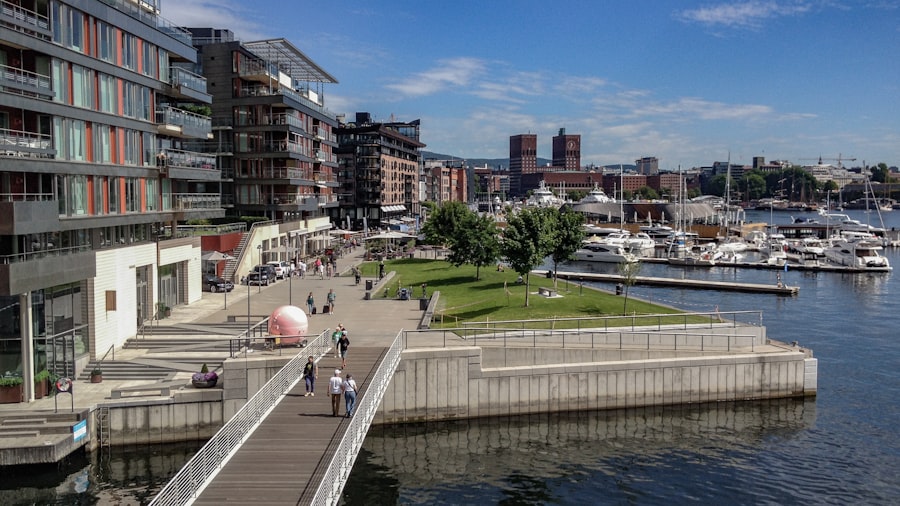
No visit to the Oslo Fjord would be complete without indulging in its culinary delights. The region boasts a vibrant food scene that celebrates local ingredients and traditional Norwegian cuisine. Many restaurants along the waterfront offer fresh seafood dishes that highlight the fjord’s bountiful catch.
From succulent salmon to delectable shrimp, diners can savour flavours that reflect Norway’s maritime heritage. In addition to seafood, visitors can also explore traditional Norwegian fare at local eateries scattered throughout the islands. Dishes such as “rakfisk” (fermented fish) and “klippfisk” (dried cod) provide a taste of Norway’s culinary history.
For those with a sweet tooth, sampling “krumkake” (a delicate waffle cookie) or “lefse” (a soft flatbread) is a must. Many establishments also offer outdoor seating with stunning views of the fjord, allowing diners to enjoy their meals while soaking in the picturesque surroundings.
Accommodation Options
When it comes to accommodation in the Oslo Fjord region, visitors are spoilt for choice. From luxurious hotels with panoramic views to charming guesthouses nestled among nature, there is something to suit every budget and preference. For those seeking a unique experience, several islands offer cosy cabins or lodges that provide an authentic taste of Norwegian island life.
In Oslo itself, numerous hotels cater to tourists looking for convenience and comfort before embarking on their island-hopping adventures. Many establishments are located near the waterfront or within walking distance of key attractions, making it easy for guests to explore both the city and the fjord. For those who prefer a more tranquil setting, staying on one of the islands allows for a peaceful retreat after a day of exploration.
Regardless of where one chooses to stay, accommodation options in the Oslo Fjord ensure that visitors can relax and recharge amidst stunning natural beauty.
Transportation between Islands
Navigating between the islands of the Oslo Fjord is both convenient and enjoyable thanks to an efficient ferry system that connects many of them. Regular ferry services operate throughout the summer months, providing easy access for island-hoppers eager to explore multiple destinations in one day. The ferries are not only practical but also offer breathtaking views of the fjord as they glide across its shimmering waters.
For those looking for more flexibility in their travel plans, private boat rentals are available at various locations around the fjord. This option allows visitors to chart their own course and discover hidden gems at their own pace. Additionally, guided boat tours are offered by several companies, providing informative commentary about each island’s history and attractions while ensuring a hassle-free experience for guests.
Whether opting for public ferries or private charters, transportation between islands enhances the overall adventure in exploring this captivating region.
Safety Tips for Island Hopping
While island hopping in the Oslo Fjord can be an exhilarating experience, it is essential for visitors to prioritise safety during their adventures. First and foremost, checking weather conditions before embarking on any water-based activities is crucial; sudden changes in weather can impact visibility and sea conditions. It is advisable to dress appropriately for changing temperatures and bring along essentials such as sunscreen and water.
When exploring remote areas or engaging in outdoor activities like hiking or kayaking, it is wise to inform someone about your plans and expected return time. Additionally, wearing life jackets while participating in water sports is highly recommended for added safety. By taking these precautions into account, visitors can fully enjoy their island-hopping experience while ensuring their well-being throughout their journey.
Sustainable Tourism in Oslo Fjord
As awareness of environmental issues continues to grow globally, sustainable tourism has become increasingly important in preserving natural wonders like the Oslo Fjord. Many local businesses are committed to eco-friendly practices that minimise their impact on the environment while promoting responsible tourism among visitors. This includes initiatives such as using renewable energy sources in accommodations and offering guided tours that educate guests about local ecosystems.
Visitors can also contribute to sustainable tourism by respecting nature during their explorations—staying on marked trails while hiking, avoiding littering on beaches or in forests, and supporting local artisans by purchasing handmade crafts rather than mass-produced souvenirs. By embracing sustainable practices during their visit, tourists can help protect this beautiful region for future generations while enjoying all that it has to offer.
Making the Most of Your Island Hopping Experience
In conclusion, exploring the Oslo Fjord through island hopping presents an unparalleled opportunity to immerse oneself in Norway’s natural beauty and rich cultural heritage. With its diverse range of islands offering unique experiences—from historical sites to outdoor adventures—there is something for everyone in this enchanting region. By carefully planning your itinerary and considering factors such as transportation options and accommodation choices, you can create an unforgettable journey through this stunning landscape.
As you embark on your adventure in the Oslo Fjord, remember to embrace sustainable tourism practices that ensure this remarkable destination remains preserved for years to come. Whether you find yourself kayaking through tranquil waters or savouring local delicacies at a seaside restaurant, each moment spent in this breathtaking fjord will leave you with cherished memories that last a lifetime. So pack your bags and set sail for an extraordinary island-hopping experience in one of Norway’s most captivating regions!