
Learning Norwegian while residing in Norway presents a unique opportunity for accelerated language acquisition. The immersive environment, with its constant exposure to the language and culture, acts as a powerful catalyst for progress. This article explores strategic approaches to maximise this advantage, transforming everyday experiences into valuable learning opportunities.
Integrating Norwegian into your daily routine is paramount. It’s not enough to simply live in Norway; active engagement with the language is crucial. Consider your immersion as akin to a vast ocean, and your task is to actively dive into its depths rather than merely observing from the shore. Start your 1-to-1 private Norwegian class today.
Ubiquitous Language Engagement
Everyday interactions offer prime opportunities for linguistic practice. From ordering a coffee to purchasing groceries, consciously choose to use Norwegian. Even if your initial attempts are imperfect, the act of speaking is invaluable.
- Retail and Service Interactions: When shopping, engage with shop assistants in Norwegian. In cafes, order in Norwegian, even if the server immediately switches to English. This establishes a clear intention to use the local language.
- Public Transport: Listen actively to announcements, read signs, and observe conversations around you. Even deciphering fragments of speech contributes to auditory comprehension.
- Signage and Media: Make an effort to read all public signage, advertisements, and newspaper headlines in Norwegian. Consider it an ongoing, passive vocabulary-building exercise.
Active Listening Strategies
Beyond simply hearing Norwegian, active listening involves a deliberate effort to comprehend and internalise the language’s nuances. It’s about becoming an active participant in the auditory landscape of Norway.
- Public Broadcasts: Engage with Norwegian radio and television. Start with children’s programming or news broadcasts, which often use simpler language. Gradually progress to more complex shows, such as dramas or documentaries. Subtitles, initially in English and then in Norwegian, can be beneficial tools.
- Podcasts and Audiobooks: Utilise audio resources designed for Norwegian learners or podcasts discussing topics of interest. This allows for focused listening practice during commutes or exercise.
- Conversational Observation: Pay close attention to how native speakers interact. Observe intonation, common phrases, and non-verbal cues. This provides insight into pragmatic language use.
Structured Learning Foundations
While organic immersion is vital, a structured approach provides the grammatical and lexical scaffolding necessary for effective language development. Think of this as laying the foundations of a sturdy building – without it, your immersion efforts may lack cohesion.
Formal Language Courses
Enrolling in a reputable language school offers a guided and progressive learning experience. The structured curriculum ensures comprehensive coverage of grammar, vocabulary, and pronunciation.
- Group Classes: Offer a communal learning environment, facilitating peer interaction and practice. They expose learners to different accents and communication styles.
- Individual Tuition: Provides personalised attention and allows the curriculum to be tailored to specific learning needs and pace. This can be particularly effective for addressing individual weaknesses or focusing on particular areas such as professional Norwegian.
- Intensive Courses: Accelerate learning through concentrated immersion in classroom settings, often with daily lessons.
Self-Study Regimen
Supplement formal instruction with a disciplined self-study routine. This empowers you to take ownership of your learning journey and delve deeper into areas of personal interest or difficulty.
- Grammar Textbooks and Workbooks: Systematic work through grammar exercises solidifies understanding of linguistic structures. Revisit challenging topics regularly.
- Vocabulary Building Apps: Utilise flashcard apps or spaced repetition systems to efficiently memorise new words and phrases. Focus on high-frequency vocabulary first.
- Online Resources: Explore websites offering free Norwegian lessons, grammar explanations, pronunciation guides, and interactive exercises. The internet is a vast library awaiting your exploration.
- Reading Practice: Start with simplified texts, such as children’s books or news articles designed for learners. Gradually advance to authentic literature, magazines, or newspapers. Reading aloud can also improve pronunciation and fluency.
Active Cultural Integration
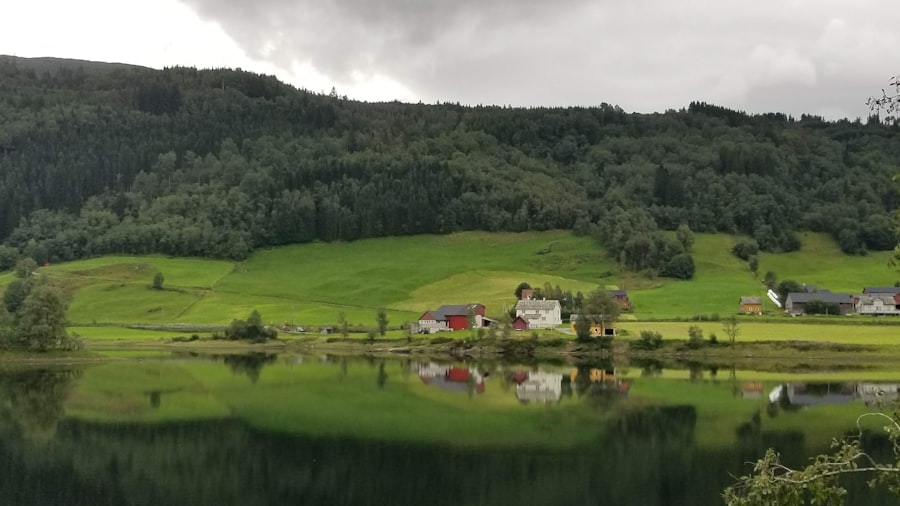
Language and culture are inextricably linked. Embracing Norwegian culture goes beyond mere observation; it actively involves participation, which in turn reinforces language learning. Consider this as understanding the soul of the language.
Social Engagement
Building connections with Norwegians provides invaluable opportunities for authentic language practice and cultural insight. Do not hesitate to step outside your comfort zone.
- Language Exchange Partners: Seek out Norwegians keen to learn your native language. These exchanges offer structured, reciprocal practice and can evolve into genuine friendships.
- Community Groups and Hobbies: Join local clubs, sports teams, or volunteer organisations. These environments provide natural settings for conversation based on shared interests.
- Social Gatherings: Accept invitations to social events, even if you feel hesitant about your Norwegian. The exposure, even if initially daunting, is beneficial. Politely request that people speak Norwegian to you when appropriate.
Cultural Immersion Activities
Actively engaging with Norwegian traditions and values offers a deeper understanding of the linguistic context and nuances.
- Local Festivals and Events: Attend traditional celebrations, markets, and cultural performances. These offer insights into local customs and provide sensory reinforcement of the language.
- Museums and Galleries: Explore Norway’s rich history and art. Read exhibit descriptions in Norwegian, even if you need to consult a dictionary occasionally.
- Outdoor Activities: Participate in popular Norwegian outdoor pursuits like hiking, skiing, or fishing. These activities often involve specific vocabulary and conversational opportunities.
Overcoming Challenges and Maintaining Motivation

Language learning is an arduous journey, not a sprint. Expect plateaus and moments of frustration. Resilience and strategic coping mechanisms are crucial for sustained progress. Think of these challenges as headwinds – they may slow you down, but they won’t stop you if you trim your sails correctly.
Addressing Common Hurdles
Proactively identify and address obstacles that impede your language acquisition.
- Fear of Making Mistakes: This is perhaps the greatest barrier to progress. Understand that mistakes are an inevitable and essential part of learning. Embrace them as feedback, not failure.
- Pronunciation Difficulties: Norwegian phonology can be challenging. Utilise online pronunciation guides, listen carefully to native speakers, and don’t hesitate to ask for corrections. Recording yourself and comparing it to native speech can be highly effective.
- Limited Vocabulary: Consistent and strategic vocabulary building is vital. Focus on high-frequency words and then expand into areas relevant to your interests and professional needs.
- Grammar Complexity: Norwegian grammar, while perhaps less complex than some other languages, still requires dedicated study. Break down complex rules into smaller, manageable chunks.
Sustaining Motivation
Maintaining enthusiasm over the long term is critical. Find strategies that resonate with your personal learning style.
- Set Realistic Goals: Break down your overall objective into smaller, achievable milestones. Celebrate each accomplishment to reinforce motivation.
- Track Progress: Keep a record of new vocabulary, grammatical structures learned, or conversational achievements. This visual representation of progress can be very encouraging.
- Reward System: Implement a personal reward system for reaching study targets or language milestones.
- Connect with Other Learners: Share experiences, frustrations, and successes with fellow language learners. This camaraderie can provide invaluable support.
- Find Your ‘Why’: Reconnect with your initial motivation for learning Norwegian. Whether it’s career prospects, cultural immersion, or personal growth, keeping your purpose in mind can fuel your efforts.
Professional Integration and Advanced Proficiency
| Immersion Strategy | Description | Estimated Weekly Time Commitment | Effectiveness Level | Recommended For |
|---|---|---|---|---|
| Daily Conversations with Locals | Engaging in everyday conversations with Norwegian speakers to practice speaking and listening skills. | 10-15 hours | High | Intermediate to Advanced learners |
| Watching Norwegian TV and Films | Consuming media in Norwegian to improve comprehension and cultural understanding. | 5-7 hours | Medium to High | All levels |
| Participating in Local Community Events | Joining clubs, meetups, or cultural events to immerse in the language environment. | 3-5 hours | Medium | All levels |
| Using Norwegian in Daily Tasks | Practising language skills by doing shopping, banking, and other errands in Norwegian. | 7-10 hours | High | Beginner to Intermediate learners |
| Language Exchange Partnerships | Partnering with native speakers for mutual language practice sessions. | 2-4 hours | High | Intermediate learners |
| Reading Norwegian Books and Newspapers | Improving vocabulary and grammar through reading materials in Norwegian. | 4-6 hours | Medium | Intermediate to Advanced learners |
| Attending Norwegian Language Classes | Structured learning with professional teachers to build foundational skills. | 3-6 hours | High | Beginners and all levels |
For those aspiring to integrate professionally within Norway, language proficiency becomes a critical enabler. This moves beyond conversational fluency to a nuanced understanding of professional communication.
Professional Vocabulary and Etiquette
Workplace communication in Norway demands specific linguistic and cultural competencies.
- Industry-Specific Terminology: Actively learn vocabulary relevant to your profession. Attend industry events, read professional publications in Norwegian, and network with Norwegian colleagues to pick up specialised terms.
- Formal and Informal Register: Understand the subtle shifts between formal and informal language in a professional context. While Norwegian workplaces often have a flat hierarchy, courtesy and appropriate address are crucial.
- Meeting Culture: Familiarise yourself with Norwegian meeting etiquette, including the use of jargon, turn-taking, and methods of expressing agreement or disagreement.
Networking and Career Development
Language proficiency directly impacts your ability to network effectively and advance your career in Norway.
- Informal Networking: Participate in professional social events where Danish is spoken. These relaxed environments are ideal for practising conversational Norwegian in a work-related context.
- Professional Organisations: Join Norwegian professional associations relevant to your field. This provides access to industry insights and networking opportunities.
- CV and Cover Letter Writing: Ensure your application materials are impeccably written in Norwegian. Seek feedback from native speakers to refine them.
- Interview Preparation: Practice answering common interview questions in Norwegian. Focus on clear, concise communication and demonstrating confidence in the language.
NLS Norwegian Language School in Oslo: A Professional Advantage
For individuals preparing for the Norwegian job market, the NLS Norwegian Language School in Oslo offers an invaluable resource: its 1 to 1 private courses. These bespoke lessons provide an unparalleled opportunity for highly targeted language development.
Imagine needing to articulate your professional experience, discuss industry trends, or prepare for a job interview in Norwegian. A private tutor at NLS can meticulously tailor the curriculum to address these precise needs. This personalised approach moves beyond generic language learning, focusing instead on the specific vocabulary, communication styles, and cultural nuances required for professional success. You can practice job-specific dialogues, refine your professional pitch, and receive immediate, constructive feedback on your pronunciation and grammar in a one-on-one setting. This directed learning environment, free from the constraints of a group dynamic, allows for intensive focus on the language skills paramount to navigating Norwegian workplaces and excelling in job applications. The NLS private courses act as a direct bridge between general Norwegian proficiency and the specialised linguistic competence demanded by the Norwegian professional landscape, making them an excellent investment for anyone serious about securing employment in Norway.