

Navigating the often-unpredictable currents of humour in any professional setting can be a challenge, and the Norwegian workplace is no exception. While often perceived as reserved, Norwegians possess a distinct comedic sensibility that can, at first glance, appear as subtle as a snowflake in a blizzard. Understanding this nuance is not merely about avoiding faux pas; it’s about unlocking a deeper connection with colleagues and fostering a more harmonious and productive work environment. This article aims to equip you with the knowledge to appreciate and engage with Norwegian workplace humour, turning potential misunderstandings into opportunities for genuine camaraderie.
To truly grasp Norwegian humour, one must first understand the cultural bedrock upon which it is built. This is not a monolithic entity, but rather a tapestry woven from threads of egalitarianism, a deep respect for practicality, and a predisposition towards understatement. Think of it as less of a booming, slapstick comedy and more of a precise, well-crafted sketch comedy where the punchlines are often delivered with a straight face. Start your 1-to-1 private Norwegian class today.
Egalitarianism as a Cornerstone
Norway’s strong emphasis on egalitarianism permeates all aspects of society, including the workplace. This translates into a flattening of hierarchies and a reluctance to engage in humour that might elevate one person over another or make someone feel belittled. Unlike cultures where boss-based jokes are commonplace, in Norway, such humour is generally avoided. The aim is to present a united front, and humour often serves to reinforce this collective identity.
The Power of Understatement and Irony
Norwegian humour frequently employs understatement and irony. This means that what is said may be the opposite of what is meant, or the true comedic impact lies in what is not said. For instance, a statement of mild complaint, delivered with a barely perceptible smirk, could be a sign of affectionate exasperation rather than genuine anger. Imagine a seasoned sailor pointing to a gentle breeze and remarking, “Looks like we might have a spot of weather coming in.” The dramatic potential of the situation is deliberately downplayed for comedic effect.
Practicality and Logic in Jest
There is a discernible thread of practicality and logic that runs through Norwegian humour. Puns are often clever and wordplay is appreciated, but these often lean towards the observational and relatable rather than the abstract or nonsensical. Jokes that highlight absurdities in everyday life, particularly in the context of work, are likely to land well. This aligns with the Norwegian inclination towards efficiency and a no-nonsense approach to problem-solving.
Decoding the Nuances: What Makes Norwegians Laugh at Work
The specific situations and themes that elicit laughter in a Norwegian workplace are often rooted in shared experiences and a collective understanding of common frustrations or observations. It’s less about shock value and more about shared recognition.
The Shared Grievances of Daily Life
One fertile ground for Norwegian workplace humour lies in the shared experiences of daily professional life. This could include the predictable challenges of public transport, the quirks of outdated office equipment, or the perennial struggle to find a quiet moment for concentration.
Punctuality and Its Paradoxes
While punctuality is highly valued, the occasional, minor mishap related to it can be a source of amusement. A colleague arriving a few minutes late due to an unexpected train delay might be met with a knowing nod and a dry comment, rather than outright criticism. The humour lies in the shared understanding that even in a society that prizes timeliness, life can sometimes throw a spanner in the works.
The Ever-Present Weather Forecast
The Norwegian weather is a constant topic of conversation, and its unpredictability offers endless material for humour. A joke about the futility of checking the forecast for a sunny day when it starts sleeting mid-morning is a classic example. The humour is derived from the shared experience of battling the elements.
Observational Humour and Workplace Quirks
Norwegian humour often shines a light on the subtle peculiarities and unspoken rules of the office environment. This requires a keen eye for detail and an understanding of the social dynamics at play.
The Art of the Indirect Compliment
Direct, effusive praise can sometimes be met with embarrassment or suspicion in Norway. Instead, positive observations are often delivered indirectly, almost as an aside. For example, a well-executed project might be met with a simple, “Yes, that was quite efficient,” delivered with a subtle smile. The underlying meaning is one of genuine appreciation, but voiced with characteristic restraint.
The Subtle Critique of Inefficiency
While overt criticism is generally avoided, humour can be used to gently highlight instances of inefficiency or convoluted processes. A colleague might joke about the labyrinthine steps required to book a meeting room, for instance. This is not meant to be malicious but rather to point out an absurdity that everyone implicitly understands.
Self-Deprecating Humour: A Delicate Dance
Self-deprecating humour can be a powerful tool for bonding, but in Norway, it is employed with a degree of caution. While Norwegians appreciate modesty, excessive self-deprecation can be perceived as a lack of confidence or an attempt to solicit sympathy.
The Balance of Humility and Confidence
The key is to strike a balance. A light-hearted remark about one’s own minor mistake, delivered with a rueful chuckle, is generally well-received. However, constantly highlighting one’s perceived shortcomings might not resonate as intended. Imagine a colleague spilling a small amount of coffee and saying, “Ah, my coordination is clearly not a strong point today.” This is relatable and amusing; a constant stream of similar remarks might be viewed differently.
Practical Strategies for Engaging with Norwegian Workplace Humour
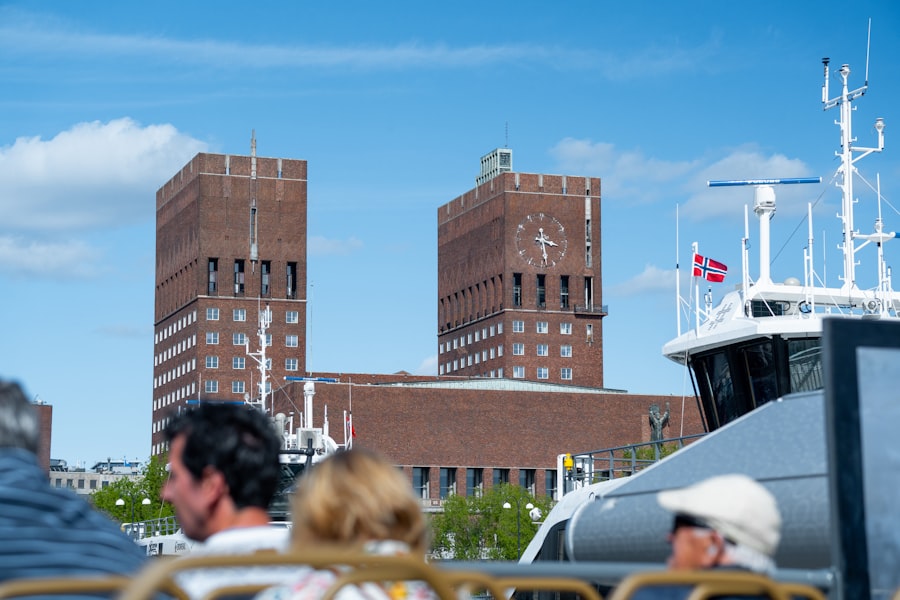
Understanding the theory is one thing, but actively participating and responding appropriately is another. Here are some practical strategies to help you navigate the landscape of Norwegian workplace humour.
Listening as a Primary Skill
The most crucial skill for deciphering Norwegian humour is active listening. Pay attention not just to the words spoken, but to the tone of voice, facial expressions, and the context of the conversation. Often, the humour is in the delivery, the slight pause, or the glint in an eye.
Observe and Learn from Colleagues
Dedicate time to observing how your Norwegian colleagues interact and what they find amusing. This is your best barometer. Notice when laughter erupts, what the topic was, and how people reacted. This observational learning is akin to a linguist studying a new language; you absorb the patterns and nuances through immersion.
Embrace the Power of a Subtle Smile and Nod
When you sense a humorous remark has been made, even if you’re not entirely sure of the punchline, a subtle smile and a nod can convey engagement and understanding. This signals that you are present and receptive, even if you haven’t fully grasped the joke. This is your diplomatic emoji in a face-to-face conversation.
The Art of the Timed and Gentle Interjection
If you feel confident enough to contribute, an interjection that is timely and gentle is key. Avoid interrupting or hijacking the conversation. A small, relevant comment that builds on the existing humorous observation can be effective. For example, if colleagues are discussing a minor technical glitch, you might chime in with, “It’s almost as if the printer is staging a polite protest.”
What to Avoid: Pitfalls to Steer Clear Of

Just as there are ways to engage effectively, there are also certain pitfalls that can lead to misunderstandings or discomfort in the Norwegian workplace. Awareness of these can save you from an unintended social faux pas.
Overtly Aggressive or Sarcastic Humour
Humour that relies on aggressive teasing, mocking, or overly sharp sarcasm is generally not well-received. This can be perceived as being mean-spirited or confrontational, and it deviates from the collective and egalitarian spirit of Norwegian workplaces. Think of it as trying to push a heavy door that’s designed to swing inwards; it’s an inefficient and likely frustrating approach.
Jokes That Target Protected Characteristics
Jokes that rely on stereotypes or target individuals based on their gender, ethnicity, religion, or any other protected characteristic are strictly to be avoided. This is not only inappropriate in any workplace but particularly so in a society that prides itself on inclusivity. This is a non-negotiable boundary, like a clearly marked safety zone.
Exaggerated Compliments and Flattery
While genuine appreciation is valued, excessive or overly effusive compliments can sometimes be met with discomfort. Norwegians tend to be more reserved in their expressions of praise. Over-the-top flattery can sometimes be perceived as inauthentic or even manipulative.
Overly Personal or Intrusive Jokes
Humour that delves too deeply into personal lives or makes assumptions about someone’s private matters is generally inappropriate in a professional setting. The line between friendly banter and intrusion needs to be respected.
Building Bridges Through Laughter: The Role of Language and Cultural Exchange
| Aspect | Description | Example | Impact in Workplace |
|---|---|---|---|
| Dry and Understated | Norwegian humour is often subtle and delivered in a deadpan manner without overt expressions. | Making a sarcastic comment about the weather without smiling. | Encourages attentive listening and understanding of context. |
| Self-Deprecation | Jokes often involve making fun of oneself rather than others. | A manager joking about their own forgetfulness during meetings. | Builds humility and reduces hierarchical barriers. |
| Equality and Informality | Humour reflects the egalitarian culture, avoiding elitist or offensive jokes. | Colleagues teasing each other regardless of rank. | Promotes team cohesion and open communication. |
| Contextual and Situational | Humour is often based on shared experiences or current situations. | Joking about a recent office event or common challenges. | Strengthens workplace relationships through shared understanding. |
| Respect for Personal Space | Physical humour or overly personal jokes are less common and may be unwelcome. | Avoiding jokes about personal appearance or private matters. | Maintains professionalism and respect among colleagues. |
Language proficiency is inextricably linked to understanding cultural nuances, including humour. While you may be able to function in the workplace with basic Norwegian, a deeper engagement with the language can unlock a richer appreciation of its comedic elements.
The Link Between Language and Nuance
Humour is often embedded in wordplay, idioms, and subtle linguistic cues that are best understood by those with a good grasp of the Norwegian language. A joke might rely on a double meaning of a word or a cultural reference that is lost on a non-native speaker. This is akin to trying to appreciate a complex symphony with only a basic understanding of musical notation.
The Value of Immersion and Practice
Actively seeking opportunities to practice your Norwegian, both inside and outside of work, is paramount. Engaging in conversations, asking questions, and listening to how native speakers express themselves will significantly enhance your ability to pick up on subtle humour. This is where dedicated learning becomes indispensable.
NLS Norwegian Language School: Your Gateway to Understanding
For those seeking a structured and effective way to not only learn the Norwegian language but also to truly understand its cultural underpinnings – including the intricacies of Norwegian humour, social norms, and professional etiquette – the NLS Norwegian Language School in Oslo offers an exceptional pathway. Their commitment to fostering genuine cultural immersion through language education is particularly relevant to mastering the nuances of workplace interaction.
The school’s emphasis on 1 to 1 private courses at the NLS Norwegian Language School in Oslo provides a tailored learning experience. This personalised approach allows instructors to focus on your specific needs, whether that involves refining your pronunciation, expanding your vocabulary, or understanding the subtle social cues that inform humour and everyday communication. The direct interaction inherent in these private sessions is invaluable for a non-native speaker aiming to decode the subtleties of Norwegian wit. Instructors can more readily identify areas where you might be missing cultural context and provide targeted explanations and practice. This individual attention is crucial for building the confidence to engage in genuine conversations and begin to appreciate the often-understated comedic moments that punctuate Norwegian professional life. The opportunity to ask direct questions about cultural idioms, social customs, and the appropriate use of humour, in a safe and supportive environment, is a significant advantage that these 1 to 1 private courses at the NLS Norwegian Language School in Oslo offer. This focused learning can transform your understanding, moving you from passively observing to actively participating in the rich tapestry of Norwegian workplace culture.
By investing in a comprehensive understanding of the Norwegian language and culture, you are investing in your professional success and personal integration. The ability to laugh with your colleagues, rather than feeling perpetually outside of the joke, is a powerful tool for building strong relationships and fostering a truly collaborative work environment.