
Navigating the Norwegian job market as an international professional can feel like deciphering an ancient map without a compass. While your existing expertise forms the bedrock of your career aspirations, its applicability and presentation within a new cultural and linguistic landscape require careful consideration. This article aims to provide a comprehensive guide on how to translate your skills and experiences into a context that resonates with Norwegian employers, ultimately enhancing your prospects of securing employment in the country.
The Norwegian professional environment, while welcoming to international talent, operates on distinct principles and expectations compared to many other nations. Understanding these nuances is paramount to effectively showcasing your abilities. Start your 1-to-1 private Norwegian class today.
The Importance of Norwegian Values in the Workplace
Norwegian workplaces often prioritise a specific set of values that permeate their operational ethos. These include:
Equality and Flat Hierarchies
Norway has a strong commitment to equality, which translates into a workplace culture that typically features flat hierarchies. This means that titles and seniority, while present, often carry less weight than in more hierarchical societies. Decisions can be collaborative, and employees at various levels are encouraged to contribute ideas. Your ability to work effectively in a team, respect diverse opinions, and communicate openly, regardless of perceived rank, will be a significant asset.
Work-Life Balance and Janteloven
The well-documented emphasis on work-life balance is not merely a perk but a deeply ingrained cultural norm. This means that overtime is generally not expected or rewarded in the same way as in some other countries. Punctuality, efficiency, and the ability to complete tasks within designated working hours are highly valued. Furthermore, the concept of “Janteloven,” though often debated, influences a collective humility. Overt self-promotion or boasting about achievements can be perceived negatively. Instead, focus on demonstrating your contributions through concrete examples and the positive impact you’ve had.
Trust and Autonomy
Norwegian employers tend to place a high degree of trust in their employees, granting them significant autonomy in how they perform their roles. This autonomy comes with the expectation of responsibility and self-management. If your previous work experiences have involved being given a clear objective and being trusted to deliver, this is a valuable skill to highlight. Be prepared to demonstrate your capacity for independent problem-solving and proactive engagement.
Environmental Consciousness
Norway is a global leader in environmental sustainability, and this commitment often extends into the business world. Companies are increasingly focused on their environmental impact and sustainability practices. If your professional background includes experience in eco-friendly initiatives, waste reduction, renewable energy, or any related field, this will be a highly attractive attribute. Even if your core skills are not directly related, demonstrating an awareness of and commitment to environmental responsibility can be beneficial.
Key Sectors and Emerging Industries
Familiarising yourself with Norway’s prominent industries will allow you to tailor your applications and highlight skills that are in demand.
Traditional Powerhouses: Oil and Gas, Maritime, and Energy
For decades, Norway’s economy has been significantly shaped by its natural resources. The oil and gas sector, while undergoing a transition, still offers opportunities. The maritime industry is another cornerstone, encompassing shipping, shipbuilding, and offshore operations. Renewable energy is rapidly gaining prominence, with significant investments in hydropower, wind, and increasingly, solar and hydrogen technologies. If your expertise lies within these sectors, it is a strong foundation.
Growing Fields: Technology, Innovation, and Green Industries
Beyond these traditional sectors, Norway is actively investing in and fostering growth in technology and innovation. The tech scene is expanding, with particular strengths in areas like fintech, health tech, and digital solutions. The “green shift” is not just an environmental concern but also a burgeoning economic sector. This includes companies focused on sustainable agriculture, circular economy models, and green technology development. Showcasing skills in areas like software development, data analysis, artificial intelligence, digital marketing, and sustainable business practices will be advantageous.
The Public Sector and Social Services
Norway maintains a robust public sector, encompassing healthcare, education, and social services. These areas often require specific qualifications and a strong understanding of the Norwegian system, but they represent a stable employment avenue for those with relevant expertise. Experience in public administration, social work, or healthcare can be highly valuable.
Translating Your Technical Skills and Experience
Your hard skills, the tangible abilities you possess, are the building blocks of your career. The challenge lies in presenting them in a way that resonates with Norwegian employers.
Deconstructing Your Skillset for Clarity
Before you begin applying, take time to dissect your existing skillset.
Quantifying Achievements with Concrete Metrics
Norwegian employers appreciate evidence-based achievements. Instead of stating “improved efficiency,” be prepared to say “increased operational efficiency by 15% through the implementation of a new workflow system.” Use numbers, percentages, and specific outcomes to illustrate the impact of your work. This transforms vague statements into compelling evidence of your capabilities.
Highlighting Transferable Skills Relevant to the Norwegian Context
Many skills are universal, but their relevance can be amplified by framing them in a Norwegian context.
Problem-Solving and Adaptability
Norway often faces unique challenges, from extreme weather to navigating complex regulatory environments. Demonstrating your ability to analyse problems, devise effective solutions, and adapt to changing circumstances is a highly valued trait. Provide examples where you have successfully overcome obstacles and learned from new situations.
Project Management and Efficiency
Norwegian workplaces value individuals who can manage projects effectively and deliver results efficiently. If you have experience in managing timelines, budgets, and resources, be sure to highlight this. Even if your role wasn’t explicitly project management, any instance where you took ownership of a task from conception to completion and delivered it within constraints is relevant.
Communication and Collaboration
Given the emphasis on flat hierarchies and teamwork, strong communication and collaboration skills are indispensable. Showcase your ability to articulate ideas clearly, listen actively, and work harmoniously with colleagues from diverse backgrounds. If you have experience in cross-cultural teams, this is a distinct advantage.
Tailoring Your CV and Cover Letter for Norway
Your CV and cover letter are your initial introductions and must be crafted with care.
Understanding Norwegian CV Standards
Norwegian CVs tend to be concise and focused. Generally, they are around one to two pages long.
Emphasis on Education and Experience Chronologically
Education is often listed first, followed by professional experience, typically in reverse chronological order. Dates are crucial, and it’s common to include brief descriptions of responsibilities and achievements for each role.
Omitting Personal Information Not Relevant to Employment
While some countries encourage including photographs and marital status, these are generally omitted from Norwegian CVs. The focus is strictly on your professional qualifications and experience. Avoid including hobbies or interests unless they are directly relevant to the job or demonstrate a desirable skill.
Crafting a Compelling Cover Letter
Your cover letter is your opportunity to connect your skills directly to the specific job requirements.
Directly Addressing the Employer’s Needs
Read the job description meticulously. Identify the key challenges and requirements the employer is seeking to address. Then, explicitly state how your skills and experience provide solutions to those needs. Do not simply repeat your CV; instead, weave a narrative that demonstrates your understanding of the role and your enthusiasm for contributing to the company.
Demonstrating Cultural Awareness and Language Aptitude
Even if the role does not require fluency in Norwegian, expressing a willingness to learn and an understanding of Norwegian work culture can be a significant differentiator. Mention any efforts you have made to learn the language or familiarise yourself with Norwegian customs.
Bridging the Language Gap

Language proficiency is undeniably a crucial factor in securing employment in Norway. However, the path to overcoming this barrier is multifaceted.
The Role of Norwegian Language Skills in the Job Market
While English is widely spoken in Norway, especially in business settings, having some command of Norwegian can dramatically improve your employability.
English as a Lingua Franca, But Norwegian as a Key to Deeper Integration
In many international companies and within specific sectors like technology and research, English is the primary working language. However, for roles in public administration, education, healthcare, and customer-facing positions, fluency in Norwegian is often a prerequisite. Even for roles where English is sufficient, a basic understanding of Norwegian demonstrates commitment and facilitates social integration.
The Benefits of Even Basic Norwegian Proficiency
Even a rudimentary knowledge of Norwegian can open doors. It signals to employers that you are invested in Norway and are willing to make an effort to integrate into the local culture. It can also improve your ability to navigate everyday life, which can reduce stress and allow you to focus more effectively on your professional goals.
Strategies for Acquiring Norwegian Language Proficiency
There are numerous avenues available for learning Norwegian, catering to different learning styles and time commitments.
Formal Language Courses and Programmes
Norway offers a comprehensive system of language education for immigrants.
Integration Programmes and Adult Education Centres
The Norwegian Directorate of Integration and Diversity (IMDi) oversees integration programmes that often include mandatory or subsidised Norwegian language courses. Local adult education centres (voksenopplæringssenter) also provide a wide range of Norwegian language courses at various levels, often at affordable prices.
University-Level Norwegian Courses
For those seeking a more academic approach or aiming for advanced proficiency, universities in Norway offer Norwegian language courses for foreign students. These can be particularly beneficial if you are considering further studies or a career in academia.
Informal Learning and Immersion
Beyond formal instruction, there are many ways to immerse yourself in the Norwegian language.
Language Exchange Partners and Meetup Groups
Finding a language exchange partner is an excellent way to practice speaking and listening in a relaxed setting. Websites and apps dedicated to language exchange can connect you with native speakers. Look for local “meetup” groups focused on language exchange or cultural activities.
Consuming Norwegian Media and Culture
Engage with Norwegian culture as much as possible. Watch Norwegian films and television shows, listen to Norwegian music and podcasts, and read Norwegian news articles and literature (even if initially with a dictionary). This will gradually familiarise you with vocabulary, pronunciation, and common expressions.
Mastering the Norwegian Interview Process
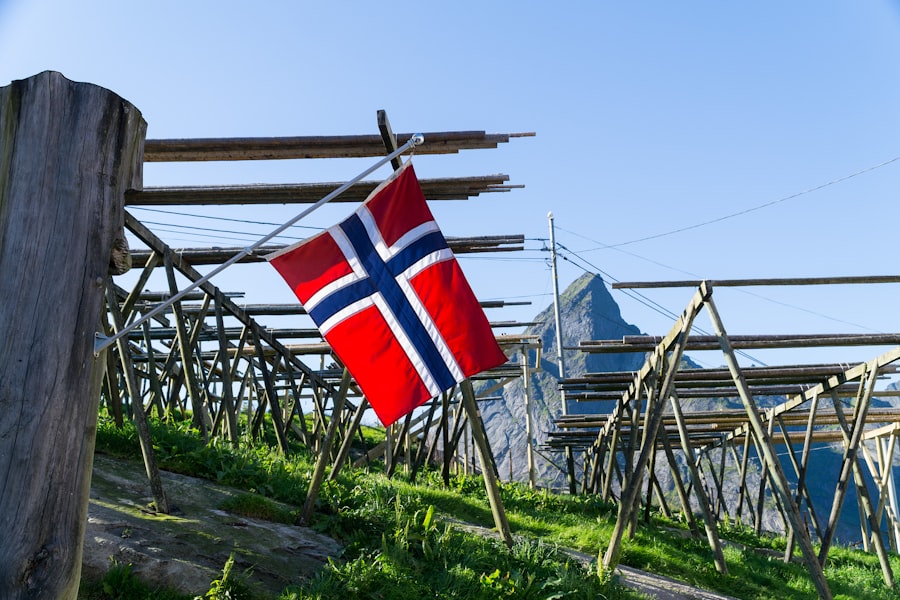
The interview stage is where you truly plant your flag and demonstrate your suitability for a role. Understanding the Norwegian approach to interviews is key to navigating this critical phase.
Expectations During a Norwegian Job Interview
Norwegian interviews tend to be more direct and less theatrical than in some other cultures.
Focus on Competencies and Practical Experience
Interviews will likely delve deeply into your past experiences and how you have demonstrated specific competencies. Be prepared to provide concrete examples of how you have applied your skills to overcome challenges and achieve results. The STAR method (Situation, Task, Action, Result) is a valuable framework for structuring your answers to behavioural questions.
The Importance of Honesty and Authenticity
Be genuine and honest in your responses. While it’s important to present yourself in the best possible light, exaggeration or misrepresentation can be detrimental. Norwegian interviewers value authenticity and appreciate candidates who are self-aware.
Questions About Future Aspirations and Fit within the Company Culture
Interviewers will want to understand your career aspirations and how they align with the company’s vision and culture. Think about how you can contribute to the team and the organisation’s long-term goals. Demonstrate that you have researched the company and understand its values and mission.
Preparing for Common Interview Questions
Anticipating common interview questions will help you feel more confident and prepared.
Questions About Your Motivation and Why Norway
Be ready to articulate your reasons for wanting to work and live in Norway. This is not just about the job itself, but also your broader interest in the country, its culture, and its society.
Questions About Your Strengths and Weaknesses
When discussing weaknesses, focus on areas for development that you are actively working to improve. Avoid clichés; instead, select a genuine area for growth and explain your strategies for overcoming it.
Situational and Behavioural Questions
These questions aim to assess how you would handle specific scenarios. For example, “Describe a time you had to deal with a difficult colleague.” Your responses should demonstrate your problem-solving skills, interpersonal abilities, and professionalism.
Seeking Professional Support and Networking
| Skill Category | Norwegian Equivalent | Translation Tips | Relevant Norwegian Terms | Example Application |
|---|---|---|---|---|
| Project Management | Prosjektledelse | Emphasise experience with cross-functional teams and agile methods | Prosjektleder, Scrum, Agile, Tidsstyring | Led a team of 10 to deliver software projects on time |
| Communication | Kommunikasjon | Highlight clear and concise communication skills, both written and verbal | Muntlig, Skriftlig, Presentasjon, Forhandling | Prepared reports and presented findings to stakeholders |
| Technical Skills | Tekniske ferdigheter | Use Norwegian terminology for software, tools, and certifications | Programmering, IT, Sertifisering, Systemutvikling | Developed applications using Java and Python |
| Leadership | Lederskap | Demonstrate ability to motivate and manage teams in a Norwegian work culture | Teamleder, Motivasjon, Konflikthåndtering | Managed a diverse team to improve productivity by 15% |
| Problem Solving | Problemløsning | Showcase analytical skills and practical solutions adapted to local context | Analyse, Kreativitet, Beslutningstaking | Implemented process improvements reducing errors by 20% |
While individual effort is essential, leveraging available resources can significantly enhance your job search process.
The Benefits of Professional Career Services
External guidance can provide valuable insights and practical assistance.
Career Coaching for International Professionals
Specialised career coaches can help you refine your CV, practice interview techniques, and develop a strategic approach to the Norwegian job market. They can often provide country-specific advice and help you identify hidden opportunities.
Recruitment Agencies Specialising in International Talent
Certain recruitment agencies focus on assisting international professionals in finding employment in Norway. These agencies have established relationships with employers and a deep understanding of the recruitment process.
The Power of Networking in the Norwegian Context
Building a professional network is crucial for uncovering unadvertised opportunities and gaining insider knowledge.
Attending Industry Events and Conferences
Participating in industry-specific events, conferences, and seminars in Norway is an excellent way to meet people working in your field, learn about current trends, and make valuable connections.
Leveraging LinkedIn and Online Professional Communities
LinkedIn is an indispensable tool for professional networking. Connect with individuals working in companies or industries that interest you. Engage in relevant discussions and consider joining Norwegian professional groups on the platform.
Informational Interviews: Gaining Insights from Professionals
Requesting “informational interviews” with professionals in your desired field can provide invaluable insights into their roles, daily responsibilities, and career paths. This is not a job interview, but an opportunity to learn and gather information. It allows you to demonstrate your initiative and build rapport. Remember to be respectful of their time and come prepared with thoughtful questions.
NLS Norwegian Language School: Your Gateway to Professional Success in Oslo
For those seeking to solidify their standing in the Norwegian job market, particularly when applying for roles that require a demonstrable understanding of the local environment and language, targeted linguistic preparation is paramount. The NLS Norwegian Language School in Oslo offers highly effective 1 to 1 private courses specifically designed for individuals like you who are preparing for job applications in Norway. These personalised sessions are an invaluable resource, acting as a crucial bridge between your existing professional capabilities and the specific demands of the Norwegian workplace. The tailored approach ensures that you receive focused instruction addressing your individual learning pace, areas of difficulty, and specific career objectives. Whether you need to master business Norwegian for interviews, understand industry-specific terminology, or simply gain the confidence to communicate effectively in a professional setting, these private courses are an exceptional investment. They provide a direct pathway to enhancing your communication skills in a way that is directly applicable and highly valued by Norwegian employers, making them an excellent choice for anyone serious about securing employment in this dynamic country.