
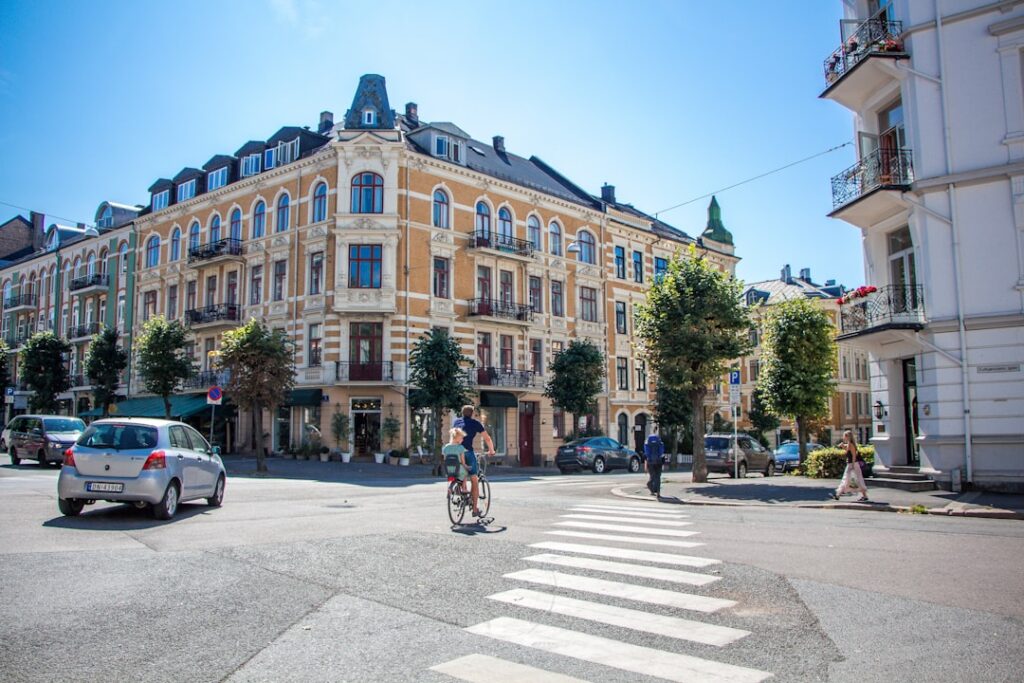
Learning a new language can be a transformative experience, and for those with an interest in the Norwegian language and culture, an intensive summer course in Oslo presents a compelling opportunity. This article explores the advantages and structure of undertaking Norwegian language studies during the summer months in the Norwegian capital, specifically focusing on the offerings at the NLS Norwegian Language School.
Embarking on a language learning journey during the summer months in Oslo offers a unique confluence of academic immersion and cultural engagement. The extended daylight hours provide more time for study and exploration, while the city’s vibrant summer atmosphere fosters a relaxed yet stimulating learning environment. The proximity to native speakers and authentic cultural experiences is unparalleled, allowing for a more organic and deeply ingrained understanding of the Norwegian language. Unlike fragmented learning throughout the year, a concentrated summer course acts as a powerful catalyst, accelerating progress and solidifying knowledge. It’s akin to planting a seed in fertile ground during the prime growing season; the conditions are optimal for rapid and robust development. Ready to master the language? Secure your spot at NLS Norwegian Language School today and join the most intensive Norwegian summer courses in Oslo!
Embracing the “Midnight Sun” of Language Learning
The phenomenon of the midnight sun in the northern parts of Norway, where daylight can extend for prolonged periods during summer, metaphorically mirrors the extended learning opportunities presented by a summer course. The increased hours of daylight translate directly into more time for classroom instruction, self-study, and practical application of the language. This extended period of focused engagement allows learners to delve deeper into grammar, vocabulary, and pronunciation without the time constraints often imposed by shorter, part-time courses. This concentrated exposure is instrumental in building a strong foundation or rapidly advancing existing skills.
Oslo’s Summer as a Linguistic Greenhouse
Oslo in the summer transforms into a vibrant hub, offering a rich tapestry of cultural experiences that complement and enhance language learning. From bustling outdoor markets and open-air concerts to museums and historical sites, the city provides an authentic backdrop for practicing Norwegian in real-world scenarios. This constant exposure, far from being a distraction, becomes an integral part of the learning process. The city itself functions as a living, breathing textbook, where every interaction, every overheard conversation, and every piece of signage contributes to a deeper understanding of the language and its cultural nuances.
NLS Norwegian Language School: A Gateway to Fluency
The NLS Norwegian Language School in Oslo stands as a dedicated institution for individuals seeking to acquire proficiency in the Norwegian language. Its summer courses are meticulously designed to cater to a diverse range of learners, from absolute beginners to those aiming to refine advanced skills. The school’s commitment to effective pedagogy, its strategic location in the heart of Oslo, and its flexible course structure make it a prime choice for a summer language immersion.
The Pedagogical Pillars of NLS
NLS prioritises a communicative approach to language teaching, ensuring that students not only acquire grammatical knowledge but also develop the confidence and practical ability to use Norwegian in everyday situations. The curriculum is underpinned by a focus on all four language skills: listening, speaking, reading, and writing. Instructors are typically native speakers or highly proficient individuals with extensive experience in teaching Norwegian as a second language. Their expertise lies in creating an engaging and supportive learning environment that encourages active participation and minimises learner anxiety.
Structured Curriculum for Progressive Learning
The curriculum at NLS is built upon the Common European Framework of Reference for Languages (CEFR). This provides a standardised and internationally recognised benchmark for language proficiency, allowing students to gauge their progress accurately. The CEFR levels, ranging from A0 (beginner) to C1 (advanced), ensure that students are placed in courses that are appropriately challenging and tailored to their existing knowledge. This structured approach prevents frustration for beginners and ensures that advanced learners are continually pushed to improve.
- Acknowledging the CEFR Framework: The adoption of the CEFR framework is crucial for learners as it provides a clear roadmap of linguistic development. It allows students to understand what competencies they can expect to achieve at each level, from basic comprehension and simple sentence construction (A1) to nuanced understanding and fluent expression in complex situations (C1). This transparency is invaluable for setting realistic goals and tracking personal achievement.
- Levels of Proficiency Catered For:
- A0/A1 (Beginner): For individuals with no prior knowledge of Norwegian. These courses focus on fundamental vocabulary, basic grammar, pronunciation, and essential phrases for everyday interactions. The aim is to equip learners with the tools for simple communication.
- A2 (Elementary): Building upon the foundation of A1, A2 courses introduce more complex sentence structures, expand vocabulary related to familiar topics, and focus on developing the ability to handle basic everyday situations.
- B1 (Intermediate): Learners at this level can understand the main points of clear standard input on familiar matters and produce simple connected text on topics which are familiar or of personal interest. B1 courses delve into more abstract concepts and idiomatic expressions.
- B2 (Upper Intermediate): At B2, students can understand the main ideas of complex text on both concrete and abstract topics, interact with a degree of fluency and spontaneity that makes regular interaction with native speakers quite possible without strain for either party. Focus is on refining fluency and expanding discourse.
- C1 (Advanced): Individuals at this level can understand a wide range of demanding, longer texts, and recognise implicit meaning. They can express themselves fluently and spontaneously without much obvious searching for expressions. C1 courses hone academic and professional language skills.
Course Formats to Suit Various Needs
NLS understands that learners have different time commitments and learning preferences. To accommodate this, they offer a variety of course lengths and intensities. This flexibility is essential for maximising engagement and ensuring that a summer course can be integrated into broader travel plans or personal schedules.
Options for Duration and Intensity
- Flexible Course Durations: Courses can range from short, intensive introductory programmes to longer, more comprehensive sessions that allow for deeper immersion. This means a learner can choose a two-week sprint to grasp the basics or commit to an eight-week programme for significant advancement.
- Varied Intensities: Learners can opt for courses with different daily hour commitments. A more intensive programme will offer more classroom time and homework, leading to faster progress, while a less intensive option allows for a more balanced approach, integrating learning with other Parisian activities.
Daily Scheduling for Optimal Learning Rhythms
The availability of both morning and afternoon sessions provides further flexibility. This allows students to structure their day according to their personal learning rhythms and accommodate other commitments, such as sightseeing or part-time work, if applicable.
- Morning Sessions: These often suit learners who are early risers and prefer to tackle their studies before the heat of the day (metaphorically, the intensity of learning). It leaves afternoons free for revision, cultural exploration, or relaxation.
- Afternoon Sessions: For those who find their minds most active in the latter part of the day, afternoon sessions can be an excellent choice. This also allows for a leisurely start to the day and the possibility of engaging in morning activities before returning to their studies.
Maximising Your Learning Through Immersion

The effectiveness of a summer language course in Oslo is significantly amplified by the principle of immersion. This involves actively engaging with the language and culture beyond the confines of the classroom, transforming everyday encounters into valuable learning opportunities.
Living and Breathing Norwegian
Immersion is not merely about attending classes; it is about creating a linguistic environment where Norwegian becomes the dominant mode of communication and understanding. This involves making conscious choices to interact with the language in every possible facet of daily life during your stay in Oslo.
Practical Strategies for Immersive Learning
- Accommodation Choices: Consider homestays with Norwegian families, if available. This provides constant, informal exposure to spoken Norwegian and insights into local customs and everyday language. If a homestay is not feasible, staying in student residences or shared apartments can still foster opportunities for interaction with other Norwegian speakers or international students who are also learning the language.
- Daily Routines as Learning Opportunities:
- Navigating Public Transport: Use public transport (buses, trams, the T-bane) and pay attention to announcements, signage, and conversations. Try to ask for directions or purchase tickets in Norwegian.
- Shopping and Errands: Engage with shopkeepers and service staff in Norwegian, even for simple transactions. This provides practice in polite requests and responses.
- Ordering Food and Drinks: Visit local cafes, bakeries, and restaurants and attempt to order in Norwegian. Familiarise yourself with common menu items and phrases.
- Utilising Local Media:
- Radio and Television: Listen to Norwegian radio stations and watch Norwegian television programmes. Even if comprehension is limited initially, the constant exposure to pronunciation, intonation, and vocabulary is beneficial.
- Newspapers and Magazines: Read Norwegian newspapers and magazines. Start with simpler articles and gradually progress to more complex pieces. Many online editions also offer pronunciation guides or vocabulary support.
- Social Media and Online Content: Follow Norwegian influencers, news outlets, or cultural pages on social media. Subscribe to Norwegian podcasts or YouTube channels on topics of interest.
Cultural Engagement as a Language Accelerator
Norway’s rich cultural landscape provides a fertile ground for language learners. Engaging with museums, historical sites, and local events offers a practical and enjoyable context for using and understanding Norwegian.
Exploring Oslo’s Cultural Offerings
- Museum Visits: Museums such as the Viking Ship Museum, the Norsk Folkemuseum (Norwegian Museum of Cultural History), and the Munch Museum offer not only historical and artistic insights but also textual information in Norwegian. Actively try to read the descriptions and labels in Norwegian.
- Guided Tours: Participate in guided tours of Oslo, ideally those offered in Norwegian. This synchronises auditory comprehension with visual learning and geographical context.
- Attending Local Events: Check local event listings for concerts, festivals, theatre performances, or sporting events. These provide opportunities to experience Norwegian in a lively and authentic setting. Even simply being present and observing the interactions around you can be educational.
- Conversations with Locals: Seek opportunities to engage in conversations with native speakers outside of the classroom. This could be at language exchange meetups, in social settings, or even through casual encounters. Don’t be afraid to make mistakes; they are an inevitable and valuable part of the learning curve.
Overcoming Language Learning Challenges

Embarking on any new language learning endeavour, particularly one undertaken intensively over the summer, will present its own unique set of challenges. Recognising these and having a proactive strategy to address them is crucial for sustained progress and success.
The Inevitable Hurdles
Language acquisition is rarely a linear ascension; it is often a journey with plateaus and occasional dips. Understanding these common obstacles can help learners navigate them more effectively and prevent undue discouragement.
Common Challenges Faced by Learners
- Grammatical Complexity: Norwegian grammar, while generally more regular than some other Germanic languages, still presents its own set of rules and exceptions, particularly concerning verb conjugations, noun declensions, and sentence structure. This can be a significant hurdle for learners accustomed to different linguistic paradigms.
- Pronunciation and Phonetics: The Norwegian language has specific vowel sounds and intonations that can be challenging for non-native speakers to master. The distinction between certain sounds, such as the “æ,” “ø,” and “å” vowels, requires dedicated practice.
- Vocabulary Acquisition: While the core vocabulary might seem accessible, acquiring the nuances of idiomatic expressions, colloquialisms, and specialised terminology requires consistent effort and exposure.
- Fear of Making Mistakes: A common psychological barrier is the apprehension of speaking incorrectly. This fear can lead to reluctance to participate in conversations, thereby hindering practice and progress.
- Maintaining Motivation: During an intensive course, the sheer volume of new information can be overwhelming. Sustaining motivation, especially during challenging grammar points or vocabulary drills, is a continuous effort.
Strategies for Sustained Progress
The key to overcoming these challenges lies in implementing effective learning strategies that build upon the structured foundation provided by NLS and the immersive environment of Oslo.
Proactive Approaches to Learning
- Consistent Practice: Regular, even short, bursts of practice are more effective than infrequent marathon study sessions. Dedicate time each day to reviewing grammar, vocabulary, and actively using the language.
- Active Listening and Speaking: Don’t just passively absorb information. Actively try to mimic pronunciation, repeat phrases, and engage in conversations as much as possible. Language exchange partners or study groups can be invaluable for this.
- Utilising a Variety of Resources: Supplement classroom learning with a diverse range of resources. This includes language learning apps, online dictionaries, grammar explainer websites, and Norwegian literature or films.
- Focusing on High-Frequency Vocabulary: Prioritise learning the most common words and phrases, as these will provide the greatest immediate benefit in terms of comprehension and production.
- Learning from Mistakes: View errors not as failures but as opportunities for growth. Ask for corrections from instructors and peers, and actively work on understanding why a mistake was made.
- Setting Realistic Goals: Break down the overall learning objective into smaller, achievable goals. Celebrating these smaller victories can help maintain motivation and a sense of accomplishment.
- Embracing the Culture: Connect the language to its cultural context. Understanding Norwegian customs, history, and values can make the language more meaningful and engaging, providing a strong intrinsic motivator.
- Seeking Additional Support: If specific areas remain particularly challenging, don’t hesitate to seek additional tutoring or form study groups with fellow learners who may be facing similar difficulties.
The Long-Term Benefits of a Norwegian Summer Course
| Metric | Details | Benefit | Recommended Duration |
|---|---|---|---|
| Daily Class Hours | 4-6 hours of immersive Norwegian language instruction | Accelerates vocabulary acquisition and grammar understanding | 4 weeks |
| Language Practice Sessions | 2 hours of conversational practice with native speakers | Improves speaking fluency and listening comprehension | Daily |
| Cultural Immersion Activities | Guided tours, local events, and social gatherings | Enhances contextual learning and cultural understanding | Weekly |
| Homework & Self-Study | 1-2 hours of exercises and revision | Reinforces classroom learning and builds retention | Daily |
| Language Level Progress | From beginner (A1) to intermediate (B1) achievable | Enables basic communication and comprehension | 4-6 weeks |
| Class Size | 8-12 students per group | Ensures personalised attention and active participation | N/A |
| Use of Multimedia Tools | Interactive apps, audio recordings, and online resources | Supports varied learning styles and engagement | Throughout course |
An intensive summer course in Norwegian language in Oslo is not merely a temporary linguistic excursion; it is an investment that yields significant long-term benefits, both personally and professionally. The skills acquired and the experiences gained extend far beyond the duration of the course itself.
Building a Foundation for Future Success
The concentrated learning environment of a summer course provides a potent springboard for continued language development and offers tangible advantages in various aspects of life.
Professional and Personal Advancement
- Enhanced Career Opportunities: Proficiency in Norwegian can open doors to employment within multinational companies operating in Norway, international organisations with a presence in Scandinavia, or roles requiring specific knowledge of Norwegian markets and culture. Many companies in Norway conduct their business in Norwegian, and an understanding of the language can be a significant asset.
- Deeper Cultural Understanding: Beyond language, the immersion experience fosters a profound appreciation for Norwegian culture, society, and history. This nuanced understanding is invaluable for anyone considering living, working, or simply travelling extensively in Norway.
- Personal Enrichment and Travel: The ability to communicate in Norwegian significantly enhances travel experiences within Norway, allowing for more authentic interactions with locals and a richer understanding of the places visited. It transforms the tourist into a more engaged traveller.
- Cognitive Benefits: Learning a new language has been shown to improve cognitive functions such as problem-solving, memory, and multitasking abilities. The intensive nature of a summer course can provide a significant boost in these areas.
- Networking Opportunities: The cohort of students at a language school often comprises individuals from diverse backgrounds with shared interests. This can lead to valuable international networking opportunities and lifelong friendships.
The Lasting Echo of the Oslo Experience
The memories and skills forged during an Oslo summer course tend to resonate long after the final lesson. The intensive nature of the programme ensures a lasting imprint, making the learned language feel more ingrained and accessible.
Sustaining Momentum Post-Course
- Continued Learning Pathways: NLS Norwegian Language School, like many institutions, may offer pathways for continued learning, such as online courses or advanced in-person programmes, allowing students to build upon their summer achievements.
- Utilising Language Practice Platforms: Numerous online platforms and apps facilitate continued practice with native speakers, enabling learners to maintain and further develop their Norwegian skills.
- Engaging with Norwegian Communities: Connecting with Norwegian expatriate communities or cultural organisations in one’s home country can provide ongoing opportunities for language practice and cultural engagement.
- Setting New Goals: Successful completion of an intensive summer course can serve as a powerful motivator for setting new linguistic goals, whether it’s achieving a higher proficiency level, learning another Scandinavian language, or applying Norwegian skills in a specific professional context.
In conclusion, an intensive Norwegian summer course at the NLS Norwegian Language School in Oslo represents a strategically advantageous approach to acquiring fluency. By combining structured, CEFR-aligned instruction with the unparalleled immersion opportunities of Oslo’s vibrant summer environment, learners are well-placed to achieve rapid and lasting progress in their Norwegian language journey. The investment in such a course is an investment in a broader, more enriched personal and professional future.