
The Norskprøven, or Norwegian Test, functions as an official assessment for individuals required to demonstrate their proficiency in the Norwegian language. This examination evaluates linguistic competency and is often mandated for citizenship applications, permanent residency, and certain employment opportunities. For immigrants and foreign nationals, successfully completing the Norskprøven represents a formal requirement for legal integration into Norwegian society and provides official documentation of language skills necessary for civic participation.
The examination assesses four core language competencies: reading comprehension, written expression, listening comprehension, and oral communication. The test is structured across multiple proficiency levels, ranging from basic to advanced, in accordance with the Common European Framework of Reference for Languages (CEFR). The Norskprøven serves as both an administrative requirement and a practical measure of one’s ability to function effectively in Norwegian-speaking environments, including workplace settings, educational institutions, and public services.
Preparation for the examination typically involves comprehensive study of Norwegian grammar, vocabulary, and cultural contexts that inform language usage.
Summary
- The Norskprøven assesses both language skills and understanding of Norwegian social values.
- Equality, gender equality, and the concept of Janteloven are central to Norwegian culture.
- The Norwegian welfare state and work-life balance reflect societal priorities.
- Nature, outdoor activities, and community cooperation through “dugnad” are highly valued.
- Grasping these cultural aspects is crucial for success in the Norskprøven exam.
Understanding Norwegian Social Values
Norwegian social values are deeply rooted in a collective ethos that prioritises equality, community, and respect for nature. These values are not only reflected in everyday interactions but also permeate the language itself. To truly grasp the nuances of Norwegian, one must appreciate the cultural context in which it is spoken.
This understanding goes beyond mere vocabulary and grammar; it involves recognising the principles that guide social behaviour and communication in Norway. One of the most prominent values in Norwegian society is egalitarianism. This principle manifests in various aspects of life, from gender equality to social welfare policies.
The emphasis on equality fosters an environment where individuals are encouraged to express themselves freely and participate actively in societal discussions. As learners prepare for the Norskprøven, they should immerse themselves in these values, as they will undoubtedly influence both the language and the interactions they will encounter in their daily lives. Master the Norskprøven: Join Our Intensive Prep Course Today to enhance your Norwegian language skills efficiently.
Importance of Cultural Understanding in Language Assessment

Cultural understanding plays a pivotal role in language assessment, particularly in a test like the Norskprøven. Language is not merely a tool for communication; it is a vessel for cultural expression. Therefore, to excel in the Norskprøven, candidates must go beyond rote memorisation of vocabulary and grammar rules.
They must engage with the cultural narratives that shape the language and its usage. Incorporating cultural understanding into language assessment allows for a more holistic evaluation of a learner’s capabilities. It enables candidates to navigate social situations with greater ease and confidence.
For instance, understanding the significance of certain idiomatic expressions or cultural references can enhance one’s ability to communicate effectively with native speakers. As such, those preparing for the Norskprøven should seek opportunities to immerse themselves in Norwegian culture, whether through literature, film, or community engagement.
Explaining Equality and Gender Equality in Norwegian Society
Equality is a cornerstone of Norwegian society, manifesting itself in various forms, including gender equality. Norway consistently ranks among the top countries globally for gender equality, reflecting a societal commitment to ensuring that all individuals have equal opportunities regardless of gender. This commitment is evident in various sectors, including politics, business, and education, where efforts are made to promote equal representation and participation.
In practical terms, this means that women and men are afforded similar rights and opportunities in both professional and personal spheres. The concept of shared parental leave is one such example, allowing both parents to take time off work to care for their children without fear of professional repercussions. This progressive approach not only supports families but also fosters a culture where gender roles are increasingly fluid.
For learners preparing for the Norskprøven, understanding these dynamics is essential, as they reflect broader societal values that influence communication and interaction.
Discussing the Concept of Janteloven
| Aspect | Description | Example | Relevance to Norskprøven |
|---|---|---|---|
| Equality | Norwegian society values equal rights and opportunities for all individuals regardless of gender, ethnicity, or background. | Equal pay for men and women in the workplace. | Important for understanding social interactions and workplace culture questions. |
| Community and Trust | High level of trust among citizens and in public institutions, fostering cooperation and social cohesion. | People often leave their doors unlocked and trust neighbours. | Relevant for comprehension and speaking sections about daily life and social norms. |
| Respect for Nature | Strong emphasis on environmental protection and sustainable living. | Recycling and outdoor activities are common and encouraged. | May appear in reading or writing tasks related to lifestyle and values. |
| Work-Life Balance | Norwegians prioritise balancing work with family and leisure time. | Generous parental leave and flexible working hours. | Useful for speaking and writing about personal experiences or societal norms. |
| Democracy and Participation | Active participation in democratic processes and respect for laws. | High voter turnout and community involvement. | Important for understanding civic responsibilities and societal expectations. |
The concept of Janteloven, or the Law of Jante, is a significant cultural phenomenon in Norway and other Nordic countries. It embodies a set of social norms that discourage individual success and promote humility and collective well-being. The tenets of Janteloven suggest that one should not think too highly of oneself or believe they are better than others.
This cultural mindset can be both liberating and constraining; while it fosters a sense of community and belonging, it can also stifle individual ambition. For those preparing for the Norskprøven, an understanding of Janteloven is crucial as it influences interpersonal dynamics within Norwegian society. It encourages individuals to approach conversations with modesty and respect for others’ contributions.
Recognising this cultural backdrop can help learners navigate social interactions more effectively and avoid potential misunderstandings that may arise from differing cultural expectations.
Exploring the Norwegian Welfare State
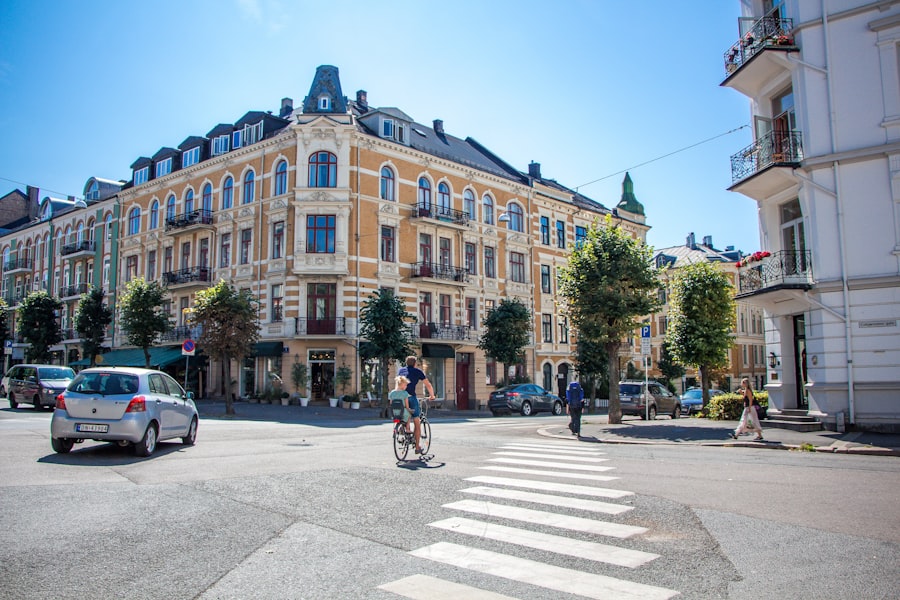
The Norwegian welfare state is another fundamental aspect of the country’s social fabric. It is characterised by comprehensive social security systems that provide citizens with access to healthcare, education, and social services. This model reflects Norway’s commitment to ensuring that all individuals have a safety net that supports their well-being and promotes social equity.
The welfare state is not merely an economic construct; it embodies the values of solidarity and mutual support that are central to Norwegian identity. For learners preparing for the Norskprøven, understanding this system is vital as it shapes public discourse and influences everyday conversations about social issues. Engaging with topics related to welfare can provide valuable context for language use and enhance one’s ability to participate in discussions about societal challenges and solutions.
Emphasizing the Importance of Work-Life Balance
In Norway, work-life balance is highly valued, reflecting a broader societal commitment to well-being and quality of life. The typical Norwegian work culture prioritises flexibility and encourages individuals to maintain a healthy equilibrium between their professional responsibilities and personal lives. This emphasis on balance is evident in policies such as generous parental leave and vacation entitlements.
For those preparing for the Norskprøven, recognising the significance of work-life balance can enhance their understanding of workplace dynamics in Norway. It informs how individuals communicate about their professional experiences and expectations. Moreover, it highlights the importance placed on leisure activities and family time within Norwegian culture, which can be useful when discussing personal interests or experiences during the test.
Addressing the Value of Nature and Outdoor Activities
Norwegians have a profound appreciation for nature, which is deeply embedded in their cultural identity. The country’s stunning landscapes offer ample opportunities for outdoor activities such as hiking, skiing, and fishing. This connection to nature not only promotes physical well-being but also fosters a sense of community among those who share these experiences.
For learners preparing for the Norskprøven, understanding this value can enrich their language skills by providing them with relevant vocabulary and expressions related to outdoor activities. Additionally, discussing one’s experiences in nature can serve as an engaging topic during conversations or written assessments. Embracing this aspect of Norwegian culture can also facilitate connections with native speakers who share similar passions for outdoor pursuits.
Discussing the Concept of “Dugnad”
Dugnad is a uniquely Norwegian concept that embodies the spirit of voluntary work for the benefit of the community. It reflects a collective effort where individuals come together to accomplish tasks that enhance their neighbourhoods or support local initiatives. Whether it involves cleaning up parks or organising community events, dugnad fosters a sense of belonging and camaraderie among participants.
For those preparing for the Norskprøven, understanding dugnad can provide valuable insights into Norwegian social dynamics. It highlights the importance placed on community involvement and cooperation, which are integral to societal functioning in Norway. Engaging with this concept can also offer learners opportunities to participate in local activities, thereby enhancing their language skills through practical experience.
Explaining the Norwegian Approach to Education
The Norwegian approach to education emphasises inclusivity, creativity, and critical thinking. The education system prioritises equal access for all students while fostering an environment where individual talents can flourish. This progressive model encourages students to engage actively with their learning processes rather than passively absorbing information.
For learners preparing for the Norskprøven, understanding this educational philosophy can inform their approach to language learning as well. It encourages them to adopt a proactive stance towards mastering Norwegian by seeking out diverse resources and engaging with peers in collaborative learning experiences. Recognising the value placed on education within Norwegian society can also enhance one’s ability to discuss academic topics during the test.
Applying Norwegian Social Values in the Norskprøven
In conclusion, preparing for the Norskprøven extends far beyond mastering vocabulary and grammar; it necessitates an understanding of the social values that underpin Norwegian culture. From concepts like equality and Janteloven to the significance of dugnad and work-life balance, these values shape not only how Norwegians communicate but also how they interact with one another within their communities. As learners embark on their journey towards passing the Norskprøven, they should embrace these cultural insights as integral components of their language acquisition process.
By doing so, they will not only enhance their linguistic abilities but also cultivate a deeper appreciation for what it means to be part of Norwegian society. For those seeking structured guidance in this endeavour, enrolling in specialised courses such as the Norwegian Test Preparation course at NLS Norwegian Language School in Oslo can provide invaluable support. This course equips students with essential skills while immersing them in the cultural context necessary for success on the Norskprøven—ultimately paving the way for meaningful integration into Norway’s vibrant community.
Pass the Norskprøven with Confidence: Register for Prep Courses Now