
The Northern Lights, or Aurora Borealis, are one of nature’s most extraordinary phenomena, observed by those fortunate enough to witness them. This remarkable light display occurs when charged particles from the sun collide with atoms in the Earth’s atmosphere, producing a striking array of colours that move across the night sky. The lights may appear in various hues, including green, pink, red, yellow, blue and violet, creating an otherworldly spectacle that has inspired numerous myths and legends throughout history.
The scientific explanation for the Northern Lights is particularly interesting. These lights are most commonly observed in high-latitude regions near the Arctic and Antarctic Circles, where the magnetic field is strongest. The optimal period for witnessing this celestial display occurs during the winter months when nights are lengthy and dark.
As the sun’s activity fluctuates in an 11-year cycle, the intensity and frequency of the Northern Lights can vary, making each observation unique. Knowledge of these factors can deepen one’s appreciation of this natural phenomenon and assist in planning an expedition to view them.
Summary
- The Northern Lights are best viewed near Oslo during the winter months when nights are longest and darkest.
- Selecting a location away from city lights significantly improves visibility of the aurora.
- Dressing warmly in layers is essential to stay comfortable during prolonged outdoor viewing.
- Guided tours offer expert knowledge and increase chances of witnessing the Northern Lights.
- Combining the experience with local cuisine and traditions enriches the overall Northern Lights adventure.
Best Time to See the Northern Lights near Oslo
When planning a trip to see the Northern Lights near Oslo, timing is crucial. The optimal period for viewing this celestial phenomenon typically spans from late September to early April. During these months, the nights are longer and darker, providing ideal conditions for spotting the Aurora Borealis.
The peak months are often considered to be December through February when the chances of clear skies are higher, and the temperatures drop significantly, creating a crisp atmosphere that enhances visibility. However, it is essential to keep in mind that while winter offers the best opportunities for viewing the Northern Lights, weather conditions can be unpredictable. Cloud cover can obstruct your view, so it is wise to monitor local forecasts and be flexible with your plans.
Additionally, solar activity plays a significant role in the intensity of the lights; therefore, checking solar activity reports can help you choose the best nights for your adventure. With a bit of luck and careful planning, you may find yourself mesmerised by this natural wonder. Enroll now at NLS Norwegian Language School: Your premier choice for Norwegian classes in Oslo.
Choosing the Right Location

Selecting the right location to witness the Northern Lights is paramount to ensuring a memorable experience. While Oslo itself offers some opportunities for viewing, venturing outside the city will significantly increase your chances of seeing the lights in all their glory. Areas with minimal light pollution, such as Nordmarka or nearby towns like Lillestrøm and Drøbak, provide excellent vantage points for observing this celestial display.
For those willing to travel further afield, destinations such as Tromsø or the Lofoten Islands are renowned for their stunning Northern Lights displays. These locations not only offer breathtaking views but also provide a range of activities and amenities for visitors. When choosing your location, consider factors such as accessibility, accommodation options, and local attractions that can enhance your overall experience while waiting for the lights to appear.
Dressing for the Occasion
Experiencing the Northern Lights often involves spending extended periods outdoors in cold temperatures, making appropriate clothing essential for comfort and enjoyment. Layering is key; start with a moisture-wicking base layer to keep sweat away from your skin, followed by insulating layers such as fleece or wool to retain warmth. A waterproof and windproof outer layer will protect you from the elements while allowing for breathability.
Accessories are equally important; invest in a good-quality hat that covers your ears, thermal gloves or mittens to keep your hands warm, and thick socks to ensure your feet stay cosy. Don’t forget sturdy footwear that provides insulation and grip for walking on potentially icy surfaces. By dressing appropriately for the occasion, you can fully immerse yourself in the experience of witnessing the Northern Lights without being hindered by discomfort from the cold.
Capturing the Northern Lights on Camera
| Location | Distance from Oslo (km) | Best Time to Visit | Visibility Chance | Recommended Activity | Notes |
|---|---|---|---|---|---|
| Oslo City Centre | 0 | Late September to March | Low | Urban light spotting | Light pollution reduces visibility |
| Tryvann Vinterpark (Oslo) | 15 | October to March | Moderate | Night skiing and aurora watching | Higher elevation improves chances |
| Hurdal | 60 | October to March | Moderate to High | Camping and hiking | Less light pollution, good accessibility |
| Gjøvik | 120 | September to March | High | Lake-side viewing | Clear skies and dark surroundings |
| Tromsø (Northern Norway) | 1,150 | November to February | Very High | Guided tours and photography | Best location in Norway for aurora |
For many, capturing the beauty of the Northern Lights on camera is an essential part of the experience. However, photographing this elusive phenomenon requires some preparation and knowledge of photography techniques. A sturdy tripod is crucial for stabilising your camera during long exposure shots, which are necessary to capture the lights’ movement and vibrancy.
When setting up your camera, use a wide-angle lens to encompass as much of the sky as possible. Adjust your settings to a high ISO (800-3200) to allow more light into the camera while keeping your aperture wide (f/2.8 or lower) to capture as much detail as possible. Experiment with exposure times ranging from 5 to 30 seconds to find what works best for your specific conditions.
Remember to take test shots and adjust your settings accordingly; patience is key when photographing such a dynamic subject.
Guided Tours and Excursions
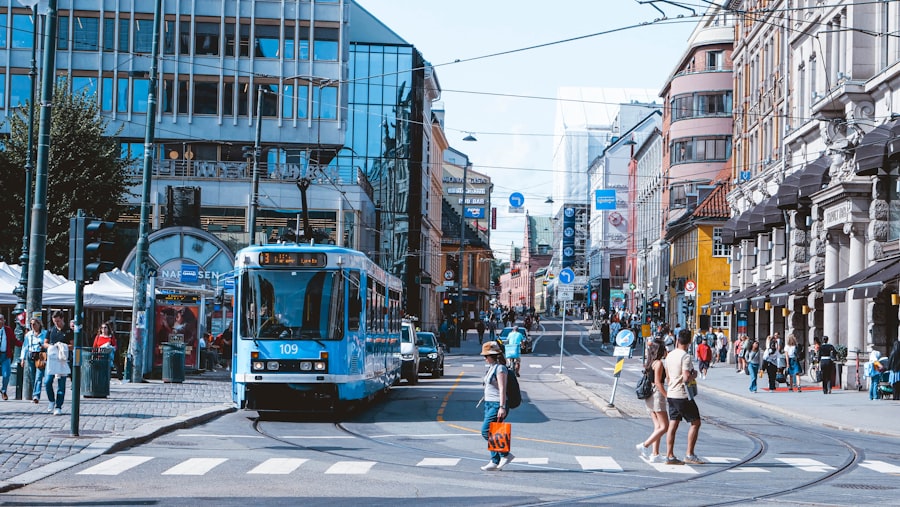
For those who prefer a more structured approach to witnessing the Northern Lights, guided tours and excursions offer an excellent option. Many local companies provide packages that include transportation to prime viewing locations away from city lights, ensuring you have the best chance of seeing this natural wonder. These tours often come with knowledgeable guides who can share insights about the science behind the lights and local folklore associated with them.
Additionally, guided tours may include other activities such as dog sledding or snowshoeing, allowing you to experience Norway’s stunning winter landscape while waiting for the lights to appear. Many tours also provide warm clothing and refreshments, making for a comfortable and enjoyable outing. By opting for a guided experience, you can relax and focus on enjoying the magic of the Northern Lights without worrying about logistics.
Alternative Ways to Experience the Northern Lights
While traditional viewing methods involve standing outside in cold weather, there are alternative ways to experience the Northern Lights that can add an extra layer of enjoyment to your adventure. For instance, some hotels and lodges offer glass-roofed accommodations or heated outdoor lounges specifically designed for Northern Lights viewing. This allows you to enjoy the spectacle from the comfort of a warm space while still being immersed in nature.
Another unique option is to embark on a Northern Lights cruise along Norway’s stunning fjords. These cruises provide an unparalleled perspective of the lights reflecting off the water while offering a serene atmosphere away from city lights. Whether you choose a traditional boat or a modern catamaran, experiencing the Aurora Borealis from the water can be an unforgettable adventure.
Local Traditions and Folklore
The Northern Lights have long been woven into the fabric of local traditions and folklore across Scandinavia. In Norway, many ancient tales describe how these ethereal lights were seen as spirits dancing in the sky or as reflections of deceased ancestors watching over their loved ones. Such stories add depth and cultural significance to your experience of witnessing this natural phenomenon.
In some regions, it was believed that pregnant women should not look at the Northern Lights as it could affect their unborn children. Conversely, others thought that seeing the lights would bring good fortune or blessings upon their families. Engaging with these local traditions can enrich your understanding of how deeply intertwined the Northern Lights are with Norwegian culture and history.
Enjoying the Northern Lights with Local Cuisine
No trip to Norway would be complete without indulging in its rich culinary offerings while experiencing the Northern Lights. Many local restaurants and eateries offer traditional Norwegian dishes that can warm you up after a night spent outdoors. Consider trying hearty meals such as reindeer stew or fresh fish dishes paired with locally sourced vegetables.
Some establishments even offer special dining experiences designed around Northern Lights viewing. Imagine enjoying a delicious meal while gazing out at a clear sky filled with dancing lights—an unforgettable combination of flavours and sights that will leave you with lasting memories of your time in Norway.
Accommodation Options for Northern Lights Viewing
When planning your trip to see the Northern Lights near Oslo, selecting suitable accommodation is vital for maximising your experience. Numerous hotels and lodges cater specifically to those seeking to witness this natural wonder, offering amenities such as large windows or outdoor viewing areas designed for optimal light visibility. For a more immersive experience, consider staying in traditional Norwegian cabins or lodges located in remote areas away from city lights.
These accommodations often provide a rustic charm that enhances your connection with nature while offering comfortable amenities for relaxation after a long day of exploration.
Safety Tips for Northern Lights Viewing
While witnessing the Northern Lights is undoubtedly an exhilarating experience, it is essential to prioritise safety during your adventure. When venturing into remote areas for viewing, always inform someone of your plans and expected return time. Carrying a fully charged mobile phone is crucial for navigation and communication in case of emergencies.
Dress appropriately for cold weather conditions and be mindful of your surroundings when walking on potentially icy terrain. If you’re participating in guided tours or excursions, follow your guide’s instructions closely to ensure a safe and enjoyable experience. By taking these precautions into account, you can fully immerse yourself in the magic of witnessing one of nature’s most awe-inspiring displays without compromising your safety.
In conclusion, experiencing the Northern Lights near Oslo is an adventure filled with wonder and excitement. From understanding this natural phenomenon to choosing optimal viewing locations and immersing yourself in local culture, every aspect contributes to creating unforgettable memories. Whether you opt for guided tours or venture out on your own, ensure you are well-prepared for this extraordinary journey into Norway’s winter landscape.
And if you’re looking to master Norwegian while exploring this enchanting country, consider enrolling in our interactive Norwegian courses at NLS Norwegian Language School in Oslo—where we help you build a solid foundation in language skills that will enhance your overall experience in Norway!