
The Norskprøven, an essential examination for non-native speakers seeking to demonstrate their proficiency in the Norwegian language, consists of several components, including the oral test. This section evaluates a candidate’s capacity to communicate effectively in spoken Norwegian, assessing vocabulary, grammar, fluency, and pronunciation. The oral test typically incorporates various tasks such as picture descriptions, discussions, and question responses, all designed to measure the candidate’s comprehensive command of the language.
The oral test structure enables candidates to demonstrate their language abilities within a practical framework. Rather than simply testing memorised phrases or vocabulary, it requires candidates to participate in spontaneous conversation and express their thoughts with clarity. This component of the Norskprøven holds particular importance, as it mirrors real-world situations where effective communication proves essential.
Consequently, comprehending the intricacies of the oral test remains crucial for anyone preparing to sit the Norskprøven.
Summary
- The Norskprøven oral test includes a picture description task requiring detailed observation and description.
- Focus on noting key details, setting, people, actions, and emotions in the picture.
- Use rich descriptive language and varied vocabulary to enhance your description.
- Practise regularly and seek feedback to improve fluency and accuracy.
- Comment on the overall impression to provide a well-rounded response.
Preparing for the Picture Description Task
One of the key components of the Norskprøven oral test is the picture description task. This exercise challenges candidates to observe an image and articulate their observations in Norwegian. Preparation for this task involves not only familiarising oneself with the language but also developing a systematic approach to analysing visual stimuli.
Candidates should practice describing various types of images, from simple scenes to more complex narratives, to build confidence and fluency. To excel in this task, it is beneficial for candidates to engage in regular practice sessions where they describe pictures aloud. This can be done alone or with a study partner who can provide constructive feedback.
Additionally, utilising resources such as online platforms or language exchange groups can enhance one’s ability to articulate thoughts clearly and coherently. The more exposure candidates have to different images and scenarios, the better equipped they will be to tackle this aspect of the oral test. Master the Norskprøven: Join Our Intensive Prep Course Today to enhance your Norwegian language skills efficiently.
Observing the Picture
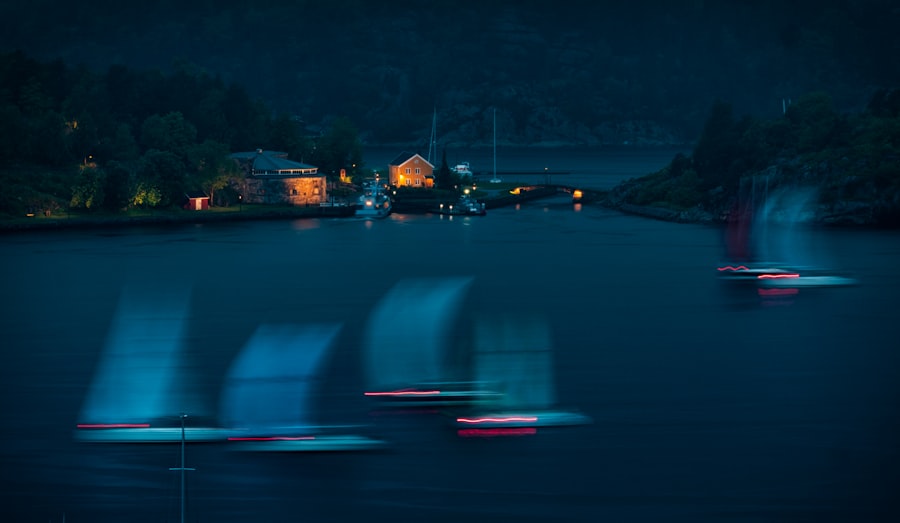
When faced with a picture during the Norskprøven oral test, the first step is careful observation. Candidates should take a moment to absorb the details of the image before beginning their description. This initial observation phase is crucial, as it allows candidates to gather their thoughts and identify key elements that will form the basis of their narrative.
It is important to look beyond the obvious and consider various aspects of the picture, including colours, shapes, and spatial relationships. In addition to visual details, candidates should also pay attention to the overall composition of the image. What story does it tell?
What emotions does it evoke? By engaging with the picture on a deeper level, candidates can enrich their descriptions and provide a more comprehensive account during their oral test. This level of engagement not only demonstrates language proficiency but also critical thinking skills, which are highly valued in any language assessment.
Noting Key Details and Elements
Once candidates have observed the picture thoroughly, the next step is to note key details and elements that stand out. This could include specific objects, people, or actions depicted in the image. By identifying these elements, candidates can create a structured outline for their description, ensuring that they cover all relevant aspects without becoming overwhelmed by the visual information presented.
It is advisable for candidates to categorise their observations into different themes or sections. For instance, they might focus on describing the foreground first before moving on to the background or vice versa. This methodical approach not only aids in organisation but also helps maintain clarity during the oral presentation.
Furthermore, by highlighting significant details, candidates can engage their listeners more effectively, making their descriptions more vivid and memorable.
Describing the Setting and Environment
| Aspect | Description | Example | Tips |
|---|---|---|---|
| Introduction | Briefly introduce the picture and its general theme. | “This picture shows a busy street in a Norwegian city.” | Start with a simple sentence to set the context. |
| Setting | Describe the location, time of day, and weather. | “It appears to be daytime, and the weather is sunny.” | Use clear vocabulary related to time and weather. |
| People | Describe the people in the picture, their actions, and emotions. | “There are several people walking, some are smiling and talking.” | Use verbs and adjectives to describe actions and feelings. |
| Objects | Mention important objects or items visible in the picture. | “There are bicycles parked near the sidewalk.” | Include details that add to the scene’s understanding. |
| Colours and Atmosphere | Describe colours and the overall mood of the picture. | “The colours are bright, creating a cheerful atmosphere.” | Use descriptive adjectives to convey mood. |
| Personal Opinion | Give a brief opinion or interpretation of the picture. | “I think this picture shows a lively and friendly environment.” | Express your thoughts clearly and simply. |
| Language Use | Use simple sentences, correct grammar, and relevant vocabulary. | “People are enjoying the nice weather.” | Practice common phrases and sentence structures. |
| Time Management | Spend about 2-3 minutes describing the picture. | N/A | Keep your description concise but detailed enough. |
A critical component of any picture description is articulating the setting and environment depicted in the image. Candidates should aim to paint a vivid picture with their words, allowing listeners to visualise the scene as if they were experiencing it themselves. This involves using descriptive language that captures not only what is present but also the atmosphere of the setting.
For example, if the image portrays a bustling city street, candidates might describe the sounds of traffic, the vibrant colours of shopfronts, or the energy of pedestrians moving about. Conversely, if the scene is set in a tranquil countryside landscape, they could evoke feelings of peace by mentioning gentle breezes or chirping birds. By effectively conveying the setting and environment, candidates can create an immersive experience for their audience while demonstrating their linguistic capabilities.
Discussing the People or Characters
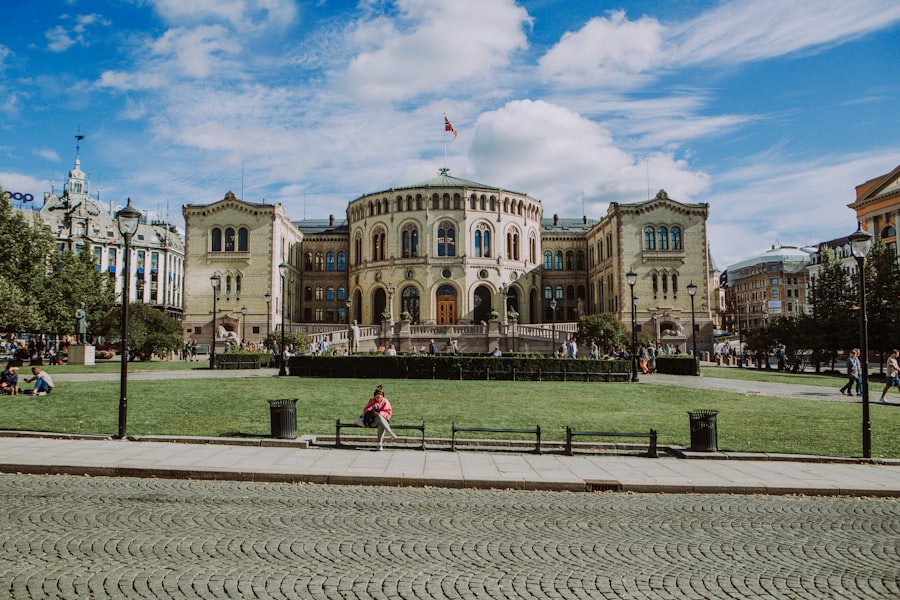
In many images used for the Norskprøven oral test, people or characters play a significant role in conveying meaning and emotion. Candidates should take care to describe these individuals thoughtfully, considering their expressions, postures, and interactions with one another. This not only adds depth to their description but also allows them to showcase their ability to interpret social cues and dynamics within a visual context.
When discussing people in an image, candidates might consider questions such as: What are they doing? How do they appear to feel? Are there any relationships or interactions that stand out?
By addressing these aspects, candidates can provide a richer narrative that goes beyond mere physical descriptions. This level of analysis demonstrates a higher degree of language proficiency and an understanding of human behaviour.
Explaining Actions and Interactions
Another vital aspect of picture descriptions involves explaining actions and interactions taking place within the image. Candidates should strive to convey not only what is happening but also why it might be significant. This requires them to think critically about the context of the scene and articulate their thoughts clearly in Norwegian.
For instance, if an image depicts children playing in a park, candidates could describe not just their activities but also the joy and camaraderie evident in their interactions. They might discuss how these actions reflect cultural values or social norms within Norwegian society. By providing this level of insight, candidates can elevate their descriptions from simple observations to thoughtful analyses that engage listeners on multiple levels.
Expressing Emotions and Reactions
An essential part of effective communication is the ability to express emotions and reactions related to what one observes. In the context of picture descriptions for the Norskprøven oral test, candidates should aim to convey not only what they see but also how it makes them feel. This personal touch can make their descriptions more relatable and impactful.
Candidates might consider using phrases that express emotions such as joy, sadness, nostalgia, or excitement when describing elements within the image. For example, if an image evokes feelings of nostalgia due to its depiction of childhood memories, candidates could articulate this sentiment by sharing personal reflections or connections to similar experiences. By weaving emotions into their descriptions, candidates can create a more engaging narrative that resonates with listeners.
Commenting on the Overall Impression
After detailing specific elements within the picture, candidates should take a moment to comment on their overall impression of the scene. This final reflection allows them to synthesise their observations and articulate a cohesive understanding of what they have described. It also provides an opportunity for candidates to express personal opinions or insights that may not have been covered in previous sections.
When commenting on overall impressions, candidates might consider questions such as: What message does this image convey? How does it relate to broader themes or issues? By addressing these questions, candidates can demonstrate critical thinking skills while showcasing their ability to articulate complex ideas in Norwegian.
Using Descriptive Language and Vocabulary
Throughout their picture descriptions, candidates should strive to employ rich descriptive language and varied vocabulary. The use of precise adjectives and adverbs can significantly enhance the quality of their narratives, making them more engaging and vivid for listeners. Candidates should aim to avoid repetitive phrases and instead explore synonyms or alternative expressions that convey similar meanings.
Additionally, incorporating idiomatic expressions or culturally relevant references can further enrich descriptions and demonstrate a deeper understanding of the language. For instance, using phrases that are commonly understood within Norwegian culture can help establish rapport with listeners while showcasing linguistic proficiency. Ultimately, effective use of descriptive language contributes significantly to a candidate’s overall performance in the oral test.
Practicing and Receiving Feedback
Preparation for the Norskprøven oral test is incomplete without regular practice and feedback sessions. Candidates should seek opportunities to rehearse their picture descriptions aloud, whether through self-practice or with peers who can provide constructive criticism. Engaging in mock tests or study groups can create a supportive environment where learners can refine their skills and gain confidence.
Receiving feedback is crucial for improvement; it allows candidates to identify areas where they excel as well as aspects that may require further development. Constructive criticism from teachers or fellow learners can provide valuable insights into pronunciation, fluency, and content organisation. By actively seeking feedback and incorporating it into their practice routines, candidates can enhance their performance on test day significantly.
In conclusion, mastering the Norskprøven oral test requires a multifaceted approach that encompasses observation skills, descriptive language use, emotional expression, and critical analysis. By preparing thoroughly for each component—especially tasks like picture descriptions—candidates can build confidence in their abilities while demonstrating their proficiency in Norwegian effectively. For those seeking structured guidance in this preparation process, enrolling in specialised courses such as those offered at NLS Norwegian Language School in Oslo can be immensely beneficial.
The Norwegian Test Preparation course at NLS equips learners with essential skills through tailored instruction and mock tests designed specifically for success in passing the Norskprøven.
Pass the Norskprøven with Confidence: Register for Prep Courses Now