

High-Quality Norwegian Summer Courses for Internationals in Oslo
This article serves as a factual overview of the Norwegian language summer courses offered to internationals in Oslo, with a particular focus on the programmes provided by NLS Norwegian Language School. It aims to provide potential students with comprehensive information regarding curriculum, structure, and learning outcomes, enabling them to make informed decisions about their language acquisition journey. Ready to master the language? Secure your spot at NLS Norwegian Language School today and join the most intensive Norwegian summer courses in Oslo!
For individuals seeking to immerse themselves in a new language and culture during the summer months, Oslo presents a compelling proposition. As the capital city of Norway, it offers a vibrant urban environment alongside access to stunning natural landscapes, providing a rich tapestry of experiences for international students. The extended daylight hours characteristic of Scandinavian summers, often referred to as the “midnight sun” in more northerly regions, create an extended period for cultural exploration and practical application of language skills outside of the classroom. This unique temporal aspect can significantly enhance the learning experience, allowing for more extensive interaction with the local community and a deeper understanding of Norwegian society.
The city itself boasts a diverse range of attractions, from its world-class museums and galleries, such as the Munch Museum and the National Museum, to its picturesque waterfront, the Aker Brygge, and its verdant parks, like Vigeland Sculpture Park. Furthermore, Oslo’s efficient public transportation system makes it easy to navigate the city and its surrounding areas, facilitating day trips to nearby fjords or hiking trails. This accessibility is crucial for international students who wish to maximise their experience beyond the confines of the language school. The presence of a significant international community, coupled with a generally welcoming attitude towards foreigners, also contributes to making Oslo an approachable and supportive environment for those embarking on a new linguistic and cultural adventure.
Historical and Cultural Significance of Oslo
Oslo’s history stretches back over a thousand years, with its origins as a Viking settlement. This rich past is evident in its architecture, its museums, and its traditions. For a student of the Norwegian language, understanding this historical context can provide valuable insights into the evolution of the language and the formation of Norwegian identity. Learning about significant historical periods, such as the Kalmar Union or Norway’s independence in 1905, can illuminate cultural nuances and linguistic developments. The city’s museums, such as the Viking Ship Museum (currently undergoing renovations but with significant online resources available) and the Historical Museum, offer tangible links to this past, allowing students to connect their classroom learning with real-world artefacts and narratives.
The cultural landscape of Oslo is equally diverse and dynamic. It is a hub for contemporary Norwegian arts, music, and literature. Attending local concerts, theatre performances, or literary events can provide students with immersive language practice and a deeper appreciation for modern Norwegian culture. The emphasis on “koselig” – a concept often translated as cosy, but encompassing a sense of warmth, comfort, and togetherness – is a pervasive element of Norwegian social life and understanding this cultural value can be significantly enhanced through direct observation and participation. Summer is a particularly opportune time for such engagement, with numerous festivals and outdoor events taking place.
The Role of Language Schools in International Student Life
Language schools are instrumental in facilitating the integration of international students into a new society. They provide a structured and supportive environment for language acquisition, which is often the primary barrier to full immersion. Beyond the formal curriculum, reputable language schools often act as conduits for cultural exchange and social integration. They can organise excursions, social events, and opportunities for students to interact with native Norwegian speakers, thereby accelerating the learning process and fostering a sense of community. For students arriving in Oslo with minimal existing connections, a language school can serve as an initial point of contact and a crucial support network.
The pedagogical approach employed by these institutions is paramount. Effective language teaching goes beyond rote memorisation of grammar rules and vocabulary. It involves developing communicative competence, equipping students with the confidence and skills to use the language in real-world situations. This includes fostering an understanding of pragmatics, cultural appropriateness, and non-verbal communication. The best summer courses will seamlessly blend theoretical knowledge with practical application, ensuring that students are not only proficient in understanding Norwegian but also capable of speaking it fluently and confidently.
Norwegian Language Summer Courses: Structure and Curriculum
The NLS Norwegian Language School in Oslo offers intensive summer courses designed to facilitate rapid progress in learning the Norwegian language. These courses cater to a spectrum of proficiency levels, as defined by the Common European Framework of Reference for Languages (CEFR). The CEFR provides a standardised benchmark for assessing language abilities across Europe, ensuring a predictable progression of learning outcomes. Students have the opportunity to select courses aligning with their current level, ranging from beginner (A0, A1, A2) to intermediate (B1, B2) and advanced (C1) stages of language proficiency.
The curriculum at NLS Norwegian Language School is structured to provide a comprehensive and balanced approach to language learning. This typically encompasses the development of all four core language skills: reading, writing, listening, and speaking. Emphasis is placed on communicative competence, enabling students to engage in meaningful dialogues and express themselves effectively in various social and professional contexts. The courses are meticulously designed to ensure that learners acquire not only grammatical accuracy and a robust vocabulary but also an understanding of the cultural nuances embedded within the Norwegian language.
CEFR Alignment and Proficiency Levels
The Common European Framework of Reference for Languages (CEFR) serves as the guiding principle for the curriculum offered at NLS. This framework organises language proficiency into six levels: A1 (Beginner), A2 (Elementary), B1 (Intermediate), B2 (Upper Intermediate), C1 (Advanced), and C2 (Proficient). Each level represents a progressively higher degree of language mastery, with clear descriptors for what a learner at that level can understand, speak, read, and write.
For individuals who have no prior exposure to the Norwegian language, the A0 and A1 levels are the starting points. A0 courses typically focus on an initial acclimatisation to the sound system of Norwegian, basic greetings, introducing oneself, and understanding very simple phrases. The A1 level builds upon this foundation, enabling learners to understand and use familiar everyday expressions and very basic phrases aimed at satisfying concrete needs. They can introduce themselves and others and can ask and answer basic questions about personal details, such as where they live and people they know.
The A2 level signifies the ability to understand sentences and frequently used expressions related to areas of most immediate relevance (e.g. very basic personal and family information, shopping, local geography, employment). They can communicate in simple and routine tasks requiring a simple and direct exchange of information on familiar and routine matters. Moving into the B levels, B1 signifies an ability to understand the main points of clear standard input on familiar matters regularly encountered in work, school, leisure, etc. They can deal with most situations likely to arise whilst travelling in an area where the language is spoken. At the B2 level, learners can understand the main ideas of complex text on both concrete and abstract topics, including technical discussions in their field of specialisation. They can interact with a degree of fluency and spontaneity that makes regular interaction with native speakers quite possible without strain for either party. The C1 level signifies the ability to understand a wide range of demanding, longer texts, and to recognise implicit meaning. They can express themselves fluently and spontaneously without much obvious searching for expressions. Finally, the C2 level represents near-native proficiency, where individuals can understand with ease virtually everything heard or read.
Flexibility in Course Design: Intensity and Duration
NLS Norwegian Language School recognises that learners have diverse needs and time constraints. Consequently, their summer courses are designed with considerable flexibility in terms of intensity and duration. Students can opt for intensive programmes, which provide a more concentrated learning experience over a shorter period, or for more extended courses that allow for a gradual assimilation of the language. This flexibility is crucial for individuals who may be juggling other commitments alongside their language studies, such as part-time work or personal explorations of Oslo.
The intensity of the courses is often reflected in the number of teaching hours per week. More intensive courses will typically involve a greater number of hours dedicated to instruction, practice, and homework, thus accelerating the pace of learning. Conversely, less intensive options offer a more relaxed learning schedule, which can be beneficial for students who prefer to absorb information at a more leisurely pace or who wish to dedicate more time to extracurricular activities in Oslo. This adaptability ensures that the learning experience is tailored to individual learning styles and external circumstances.
The duration of the courses also varies, allowing students to select a programme that best fits their summer schedule. Options can range from a few weeks to several months, providing a scalable approach to language acquisition. This allows for learners to make significant progress within a single summer break, or to establish a solid foundation for continued learning upon their return home. The availability of different course lengths is a key feature that differentiates well-designed language programmes, acknowledging that learning is not a one-size-fits-all endeavour.
Session Scheduling: Morning and Afternoon Options
To further accommodate the diverse schedules of international students, NLS Norwegian Language School offers both morning and afternoon session options for their summer courses. This pragmatic approach acknowledges that individuals have varying daily routines and preferences for when they are most receptive to learning. Morning sessions can be ideal for those who prefer to dedicate their afternoons to exploring the city, engaging in cultural activities, or pursuing personal interests. Conversely, afternoon sessions might suit individuals who prefer to dedicate their mornings to independent study, revision, or other appointments, and who find their cognitive faculties peak later in the day.
This dual scheduling allows students to integrate their language studies seamlessly into their broader summer experience in Oslo. It minimises potential conflicts with other planned activities and contributes to a more balanced and enjoyable learning journey. By providing these choices, the school demonstrates a commitment to student-centric learning, recognising that optimal learning occurs when environmental factors are conducive to individual success. The ability to choose between morning and afternoon learning windows is a practical consideration that can significantly impact a student’s overall satisfaction and the effectiveness of their studies.
Learning Methodology and Teaching Approaches

The effectiveness of any language programme hinges on its underlying teaching methodology. NLS Norwegian Language School employs a communicative approach, which prioritises the development of practical language skills for real-world interactions. This is often supplemented by a range of pedagogical tools and techniques designed to engage learners and facilitate comprehension and retention. The goal is to move beyond sterile grammatical exercises and foster genuine fluency and confidence in using the Norwegian language.
The curriculum is not static; it evolves to incorporate effective teaching practices. This includes a focus on authentic materials and tasks that mirror real-life scenarios. The instructors are typically experienced educators who possess a deep understanding of the Norwegian language and effective language acquisition strategies. Their role extends beyond simply imparting knowledge; they act as facilitators, motivators, and guides, creating an encouraging learning atmosphere.
Focus on Communicative Competence
At the core of the teaching methodology at NLS is a strong emphasis on communicative competence. This means that the primary objective is not merely to teach grammar rules and vocabulary lists in isolation, but rather to equip students with the ability to use the language effectively in a variety of interactional contexts. This involves developing an understanding of how language is used in everyday conversations, professional settings, and social situations.
The curriculum is structured around authentic tasks and scenarios that learners are likely to encounter. This could include role-playing everyday situations such as ordering food in a restaurant, asking for directions, making a phone call, or participating in a casual conversation with a Norwegian speaker. By practicing these simulated interactions, students build confidence and develop the fluency and spontaneity needed to communicate effectively. Instructors actively encourage speaking and listening, providing ample opportunities for students to practice their skills and receive constructive feedback. The learning process is thus driven by the need to communicate, making it an engaging and relevant endeavour. This approach ensures that students are not just learning about Norwegian, but learning to speak Norwegian.
Integration of Authentic Materials
A crucial element in fostering genuine language acquisition is the integration of authentic materials into the learning process. These are resources created for native speakers, rather than being specifically designed for language learners. Examples include newspaper articles, magazine features, excerpts from Norwegian literature, radio programmes, podcasts, and short films. By engaging with these materials, students are exposed to how the language is used in natural, unscripted contexts.
This exposure helps learners develop their listening and reading comprehension skills by encountering a wider range of vocabulary, idiomatic expressions, and grammatical structures as they are naturally employed. It also provides valuable insights into contemporary Norwegian culture, current affairs, and societal norms. For instance, reading a Norwegian newspaper article about a local event or listening to a popular Norwegian podcast can offer a more nuanced understanding of the country than textbook examples alone. The instructors at NLS utilise these materials to create dynamic and relevant lessons, bridging the gap between classroom learning and real-world language use. This approach transforms language learning from an academic exercise into a lived experience, akin to a traveller navigating a new city with a local guidebook rather than a tourist map.
The Role of Qualified and Experienced Instructors
The success of any language programme is inextricably linked to the quality of its instructors. NLS Norwegian Language School comprises a team of qualified and experienced teachers who are dedicated to guiding students on their linguistic journey. These instructors possess a profound understanding of the Norwegian language, its structure, and its cultural context. More importantly, they are adept at employing effective pedagogical strategies tailored to the needs of international learners.
Their role extends beyond that of a traditional educator. They act as facilitators, creating a supportive and interactive classroom environment where students feel encouraged to participate, ask questions, and take risks with their language production. They provide constructive feedback, identify areas for improvement, and offer personalised guidance to help each student progress at their own pace. The instructors are also often a valuable resource for cultural information, helping students navigate the intricacies of Norwegian society. Their experience allows them to anticipate common challenges faced by learners and to provide targeted support, ensuring that students receive the best possible instruction. This ensures that the learning experience is not merely about acquiring a set of linguistic tools, but about developing the confidence and competence to use them effectively.
Immersion and Cultural Experience in Oslo
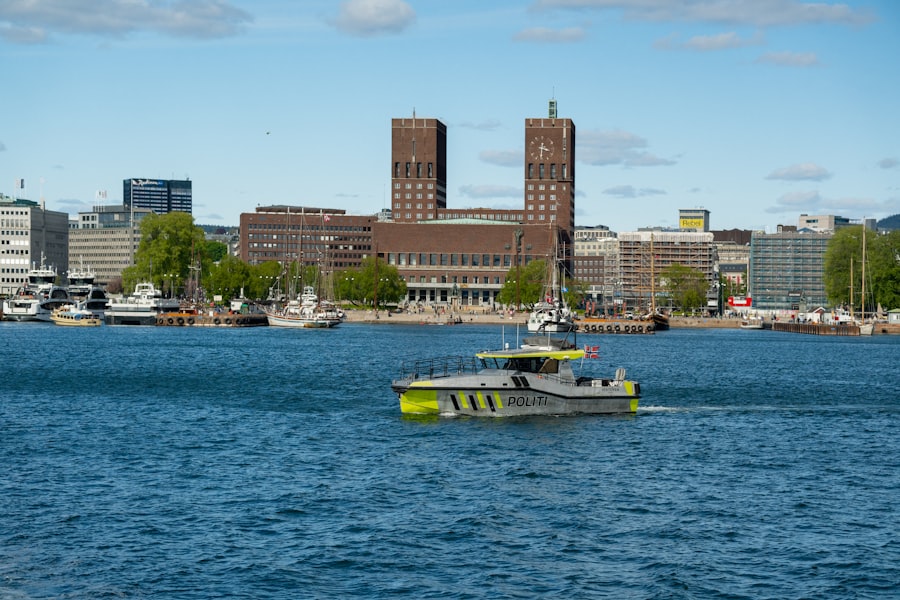
Summer courses at NLS Norwegian Language School in Oslo offer more than just linguistic instruction; they provide a unique opportunity for cultural immersion. Oslo serves as a vibrant backdrop for this experience, with its rich history, diverse cultural offerings, and welcoming atmosphere. By living and studying in the city, students are naturally exposed to the Norwegian way of life, fostering a deeper understanding and appreciation of the culture.
The intensive nature of the summer courses, coupled with the extended daylight hours of the Scandinavian summer, creates an ideal environment for both focused study and extensive exploration. This dual aspect allows students to make significant academic progress while also experiencing the best that Oslo has to offer. The integration of language learning with cultural discovery is a cornerstone of effective international education programmes.
Beyond the Classroom: Exploring Oslo’s Cultural Landscape
While the classroom provides the foundational linguistic knowledge, the true immersion into Norwegian culture occurs outside of its walls. Oslo offers a plethora of opportunities for students to engage with the city and its inhabitants, thereby enhancing their language learning and cultural understanding. Museums, galleries, historical sites, and vibrant public spaces all serve as living classrooms, where the language learned in textbooks can be observed and applied in real-time.
Visiting institutions like the Viking Ship Museum, the Folk Museum (Norsk Folkemuseum), or the Kon-Tiki Museum provides historical context that enriches the understanding of Norwegian identity and the evolution of its language. The Holmenkollen Ski Jump offers not only panoramic views of the city but also insights into Norway’s deep-rooted connection with winter sports. Exploring areas like Aker Brygge, with its waterfront restaurants and boutiques, allows students to practice ordering food, engaging in small talk, and observing everyday social interactions. The city’s numerous parks, such as the aforementioned Vigeland Sculpture Park, are spaces for relaxation and informal encounters, offering opportunities to hear and use Norwegian in a more casual setting. Summer in Oslo is also a time for festivals, concerts, and outdoor markets, providing students with a dynamic calendar of events to attend and integrate themselves into the local community. These experiences are not merely recreational; they are integral to the language learning process, providing context and motivation.
Opportunities for Social Interaction and Networking
A significant benefit of attending a language school in Oslo is the built-in opportunity for social interaction and networking. The NLS Norwegian Language School acts as a hub, bringing together individuals from diverse backgrounds who share a common goal: to learn Norwegian. This creates a natural environment for forming friendships and connections with fellow students, fostering a supportive peer group for language practice and cultural exchange.
Beyond the student cohort, the school often facilitates interactions with the local community. This can include organised social events, tandem language exchange partners, or connections with volunteer organisations. Engaging with native Norwegian speakers is paramount for accelerating language acquisition and gaining a deeper cultural understanding. These interactions move beyond the purely academic, allowing students to experience the nuances of everyday conversation, understand cultural norms, and build confidence in their speaking abilities. Networking opportunities can also extend to professional contexts, if students are in Oslo for study abroad programmes with potential career implications. Building these connections can be as valuable as the language skills acquired, creating a foundation for future academic or professional pursuits in Norway or internationally.
Understanding Norwegian Society and Customs
Learning a language is intrinsically linked to understanding the society and customs of its speakers. Oslo provides an ideal environment for this dual learning process. As students navigate daily life, they encounter a range of social norms, etiquette, and cultural values that are specific to Norway. This can include understanding the importance of punctuality, the concept of “dugnad” (community work), the role of outdoor activities (“friluftsliv”), and the general social demeanour of Norwegians.
The NLS summer courses, through their curriculum and extracurricular activities, aim to provide insights into these cultural aspects. Instructors often incorporate discussions on social customs and provide guidance on navigating Norwegian society. Moreover, direct observation and participation in daily life in Oslo offer invaluable lessons in cultural understanding. Simple acts, such as observing how people interact in public spaces, participating in local events, or engaging in conversations with shopkeepers, all contribute to a more comprehensive grasp of Norwegian culture. This ethnographic dimension of language learning is crucial for those seeking not just linguistic proficiency, but a truly holistic international experience.
Practical Considerations for International Students
| Course Name | Institution | Duration | Start Date | Level | Tuition Fee | Language of Instruction | Location |
|---|---|---|---|---|---|---|---|
| Norwegian Language and Culture | University of Oslo | 6 weeks | 1 July 2024 | Beginner to Intermediate | 1200 | English/Norwegian | Oslo Campus |
| Scandinavian Studies Summer Course | Oslo Metropolitan University | 5 weeks | 8 July 2024 | Intermediate | 1100 | English | Oslo City Centre |
| Norwegian for International Students | Norwegian School of Economics (NHH) | 4 weeks | 15 July 2024 | Beginner | 1000 | English/Norwegian | Oslo Campus |
| Norwegian Culture and Society | BI Norwegian Business School | 3 weeks | 1 August 2024 | All levels | 900 | English | Oslo Campus |
| Advanced Norwegian Language Course | University of Oslo | 6 weeks | 1 July 2024 | Advanced | 1300 | Norwegian | Oslo Campus |
For international students planning to enrol in a Norwegian summer course, several practical considerations are essential to ensure a smooth and productive experience. These range from visa and accommodation arrangements to understanding the cost of living and the general administrative processes involved in studying abroad. NLS Norwegian Language School, understanding these needs, provides a supportive framework to help students navigate these aspects.
The academic rigour of the courses, combined with the logistical demands of living in a new country, necessitates careful planning. It is akin to assembling a sturdy ship before embarking on a transatlantic voyage; all necessary components must be in place for a successful journey. By addressing these practicalities in advance, students can focus their energy on their language studies and making the most of their time in Oslo.
Visa and Entry Requirements
International students intending to study in Norway, even for short summer courses, may be subject to visa and entry requirements depending on their nationality. It is imperative for prospective students to research and understand the specific regulations applicable to them well in advance of their intended travel dates. The Norwegian Directorate of Immigration (UDI) is the primary authority for information regarding visas and residence permits.
Typically, for short-term courses (generally up to 90 days), citizens of certain countries may not require a visa to enter Norway. However, this is not a universal rule and varies significantly based on bilateral agreements and the student’s country of origin. For longer stays or for individuals who do fall under visa requirements, an application process will be necessary. This often involves providing documentation such as proof of enrolment at a recognised educational institution (like NLS Norwegian Language School), proof of sufficient financial resources to cover living expenses and tuition fees, and a valid passport. It is strongly advised to consult the official UDI website or the nearest Norwegian embassy or consulate for the most up-to-date and accurate information pertaining to visa requirements. Early application is crucial, as processing times can vary considerably.
Accommodation Options in Oslo
Securing suitable accommodation is a vital aspect of any student’s stay in Oslo. For summer courses, a range of options are typically available, catering to different budgets and preferences. NLS Norwegian Language School may offer guidance or assistance in finding accommodation.
Student housing, often managed by organisations like SiO (Student Welfare Organisation in Oslo), is a popular choice for students. This can include dormitory-style rooms, shared apartments, or studio apartments. These options are generally well-located and offer a community atmosphere, which can be beneficial for international students. However, availability can be competitive, especially during peak summer months.
Alternatively, private rentals, including rooms in shared apartments or studios, can be found through various online platforms and real estate websites. These may offer more flexibility but require independent research and negotiation. For shorter stays, temporary accommodation options such as hostels or Airbnb rentals might also be considered, although these can be more expensive on a nightly basis. It is advisable to begin the accommodation search as early as possible to secure the most appropriate and affordable options. Planning accommodation is like choosing the right anchorage; it provides a secure base for your explorations.
Cost of Living and Budgeting
Oslo is recognised as a city with a relatively high cost of living compared to many other European capitals. Therefore, prospective students must create a realistic budget to cover their expenses during their summer stay. This includes tuition fees, accommodation, food, transportation, personal expenses, and any planned excursions or leisure activities.
Tuition fees for the summer courses will vary depending on the programme’s duration and intensity. Accommodation costs will depend on the type of housing chosen and its location within the city. Daily expenses for food can be managed by cooking at home, which is generally more economical than dining out regularly. Public transportation in Oslo, provided by Ruter, is efficient and well-connected, with various pass options available for students, which can be more cost-effective than single tickets.
It is advisable to research the average costs of these various categories prior to arrival. Budgeting tools and apps can be helpful in tracking expenses. Being mindful of spending habits and seeking out cost-effective options, such as student discounts and local markets, can help manage the overall expenditure. A well-structured budget serves as a roadmap, guiding financial decisions and ensuring that students can fully enjoy their experience in Oslo without undue financial stress.
Conclusion: A Strategic Investment in Language and Culture
Enrolling in a summer Norwegian language course at NLS Norwegian Language School in Oslo represents a strategic investment for individuals seeking to acquire proficiency in the Norwegian language and immerse themselves in its culture. The school’s commitment to high-quality instruction, its CEFR-aligned curriculum, and its flexible course structures offer a robust framework for effective learning. The choice of Oslo as a study destination further enhances this experience, providing a vibrant and historically rich environment that complements academic pursuits with unparalleled cultural exploration.
The convergence of focused linguistic training with the enriching experience of living in a cosmopolitan Scandinavian capital creates a unique synergy. Students not only gain tangible language skills but also develop a deeper understanding of Norwegian society, customs, and values. This holistic approach equips individuals with the confidence and competence to navigate the complexities of the Norwegian language and culture, whether for academic advancement, professional opportunities, or personal enrichment. The summer months, with their extended daylight and vibrant cultural calendar, offer an exceptionally conducive period for this multi-faceted educational endeavour.
The commitment of NLS Norwegian Language School to communicative competence, the use of authentic materials, and the guidance of experienced instructors ensures that students receive an education that is both academically rigorous and practically applicable. By addressing the practical considerations of visas, accommodation, and budgeting, the school, in conjunction with prospective students’ own diligent planning, facilitates a seamless transition into life in Oslo. Ultimately, a summer spent learning Norwegian in Oslo with NLS is an endeavour that promises not only linguistic mastery but also a profound and enriching cultural journey, laying a solid foundation for future engagement with Norway and its people.