
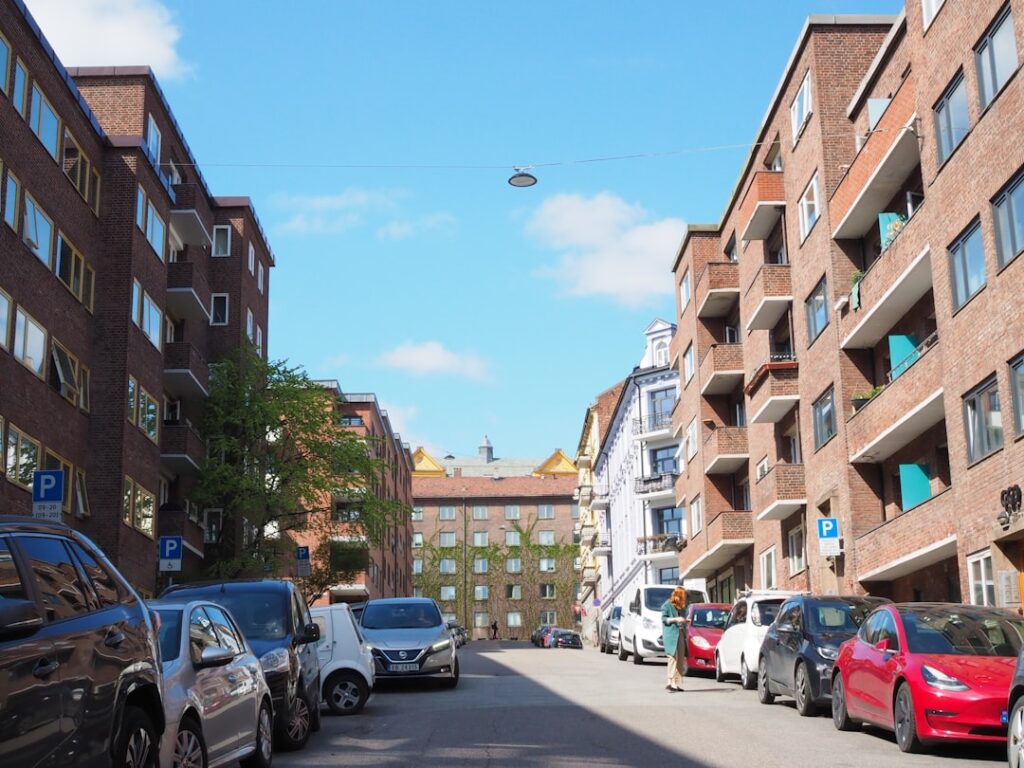
The pursuit of language proficiency can be a rewarding endeavour, opening doors to new cultures, professional opportunities, and personal growth. For those seeking to acquire or enhance their Norwegian language skills, the summer months present an ideal window for intensive study, particularly at dedicated institutions like the NLS Norwegian Language School in Oslo. This article explores the benefits and structure of NLS’s intensive summer courses, providing a factual overview for prospective students considering an immersive linguistic experience in the Norwegian capital.
Summer courses often serve as a concentrated period of learning, allowing individuals to dedicate uninterrupted time to acquiring a new skill or knowledge base. For language acquisition, intensity is a key factor, and summer intensive programmes are specifically designed to capitalise on this. By removing the usual distractions of a full-time job or academic year, learners can fully engage with the language, fostering a more rapid and profound understanding. Ready to master the language? Secure your spot at NLS Norwegian Language School today and join the most intensive Norwegian summer courses in Oslo!
Accelerated Learning Trajectories
One of the primary advantages of an intensive summer course is the accelerated learning trajectory it offers. Unlike part-time or spread-out learning, an intensive programme front-loads the learning process, exposing students to a significant volume of linguistic material in a shorter timeframe. This concentrated exposure can lead to quicker assimilation of vocabulary, grammar, and pronunciation. Think of it as forging steel: the intense heat and deliberate hammering shape the metal more rapidly than a slow, gradual cooling. The structured environment of an intensive course provides the necessary “heat” and “hammering” to rapidly imbue learners with linguistic fluency.
Deeper Cultural Understanding
Language is inextricably linked to culture. By immersing oneself in a new linguistic environment, one inevitably begins to absorb the cultural nuances that accompany it. A summer course in Oslo provides not only linguistic instruction but also a tangible opportunity to experience Norwegian culture firsthand. Daily interactions with native speakers, exploration of the city, and engagement with local customs enrich the learning process, transforming it from a purely academic exercise into a holistic cultural experience. Understanding idiomatic expressions, social etiquette, and historical context elevates language learning beyond mere memorisation of words and grammar rules.
Focused Cognitive Engagement
The human brain is remarkably adept at learning, but attention and focus are crucial variables. An intensive summer course demands and cultivates a high level of cognitive engagement. Learners are stimulated by constant exposure and application of the language, forging new neural pathways dedicated to Norwegian. This focused engagement can lead to a more robust and lasting retention of learned material. It is akin to water carving a new riverbed; consistent, concentrated flow carves a deeper, more defined channel than sporadic trickles. The intensive nature of these courses ensures that the “flow” of linguistic input is consistent and impactful.
Practical application and immediate feedback
A significant benefit of in-person intensive courses is the opportunity for immediate practical application of learned material and instant feedback. In a classroom setting with a qualified instructor, learners can practice speaking, listening, reading, and writing in real-time, receiving constructive corrections and guidance. This interactive environment is invaluable for building confidence and overcoming common learning hurdles. The ability to ask questions and receive immediate clarification prevents misunderstandings from solidifying and allows for swift correction of errors, a critical component of effective language acquisition.
NLS Norwegian Language School: An Overview
The NLS Norwegian Language School, situated in Oslo, positions itself as a provider of high-quality language education. The school’s philosophy appears to be rooted in facilitating rapid and effective learning, particularly during the summer months, by offering structured yet flexible programmes. Their approach aims to cater to a diverse student body, encompassing individuals with varying prior knowledge and learning objectives.
Location and Accessibility
Oslo, as the capital of Norway, offers a vibrant and accessible setting for language study. The city’s infrastructure provides ample opportunities for students to engage with the local environment, complementing their classroom learning. Proximity to public transportation, cultural attractions, and amenities makes Oslo a practical and enjoyable location for an extended period of study. For students travelling from abroad, Oslo’s Gardermoen Airport (OSL) is a well-connected international hub, facilitating ease of arrival.
Pedagogical Approach
While specific pedagogical methodologies can vary, NLS’s emphasis on “intensive” and “rapid progress” suggests an approach that prioritises active learning, communicative competence, and practical language use. The mention of alignment with the Common European Framework of Reference for Languages (CEFR) indicates a commitment to internationally recognised standards of language proficiency, providing learners with a clear benchmark for their progress and recognised certification upon completion. This framework itself is a robust system for evaluating language skills, offering a structured pathway for learners to ascend through different levels of ability.
Target Audience and Inclusivity
The school explicitly caters to “all proficiency levels,” from absolute beginners (A0) to advanced learners (C1). This inclusivity is a crucial aspect, as it allows individuals at any stage of their Norwegian language journey to find a suitable programme. Whether one is starting from scratch or aiming to refine existing skills, NLS aims to provide a tailored educational experience.
Intensive Summer Courses at NLS: Structure and Content

The core offering for students interested in rapid language acquisition during the summer months are the intensive courses at NLS. These programmes are designed to maximise learning efficiency within a concentrated timeframe.
Curriculum Alignment with CEFR Standards
A cornerstone of effective language education is a well-defined curriculum that provides a clear progression of learning. NLS’s commitment to aligning its curriculum with the CEFR is a significant advantage. The CEFR is a widely respected international standard that describes language proficiency in a structured manner, categorising learners into six levels: A1 (Beginner), A2 (Elementary), B1 (Intermediate), B2 (Upper Intermediate), C1 (Advanced), and C2 (Proficient). By adhering to this framework, NLS ensures that its courses are comprehensive, logical, and that learners achieve demonstrable progress that is recognised globally. This means that upon completion of a course at a particular CEFR level, a student will possess a defined set of communicative abilities that are understood and valued internationally.
Levels of Proficiency: A Comprehensive Ladder
NLS offers courses catering to a broad spectrum of linguistic abilities, ensuring that every prospective student can find an appropriate starting point. The levels provided are:
- A0 (Beginner/Pre-A1): This level is for individuals with absolutely no prior knowledge of Norwegian. The focus is on foundational elements: the alphabet, basic pronunciation, essential greetings, simple vocabulary for everyday objects and situations, and fundamental grammatical structures. The aim is to build a secure base upon which further learning can be constructed.
- A1 (Beginner): Building on A0, A1 courses introduce more common phrases, personal information exchange, and basic social interactions. Students begin to understand and use simple sentences and participate in very basic conversations.
- A2 (Elementary): At this stage, learners can understand sentences and frequently used expressions related to areas of most immediate relevance (e.g. very basic personal and family information, shopping, local geography, employment). They can communicate in simple and routine tasks requiring a simple and direct exchange of information on familiar and routine matters.
- B1 (Intermediate): This level marks a significant step up. Learners can understand the main points of clear standard input on familiar matters regularly encountered in work, school, leisure etc. They can deal with most situations likely to arise whilst travelling in an area where the language is spoken. They can produce simple connected text on topics which are familiar or of personal interest and can describe experiences and events, dreams, hopes & ambitions and briefly give reasons and explanations for opinions and plans.
- B2 (Upper Intermediate): Individuals at this level can understand the main ideas of complex text on both concrete and abstract topics, including technical discussions in their field of specialisation. They can interact with a degree of fluency and spontaneity that makes regular interaction with native speakers quite possible without strain for either party. They can produce clear, detailed text on a wide range of subjects and explain a viewpoint on a topical issue giving the advantages and disadvantages of various options.
- C1 (Advanced): This level signifies a high degree of proficiency. Learners can understand a wide range of demanding, longer texts, and recognise implicit meaning. They can express themselves fluently and spontaneously without much obvious searching for expressions. They can use language flexibly and effectively for social, academic and professional purposes. They can produce clear, well-structured, detailed text on complex subjects, showing controlled use of organisational patterns, connectors and cohesive devices.
This hierarchical structure ensures that learning is progressive and manageable, preventing overwhelm for novices and offering challenges for more experienced learners.
Course Lengths and Intensities: Tailoring Your Study
Understanding that learners have different time commitments and learning paces, NLS offers flexibility in course duration and intensity.
Varied Course Durations
The duration of an intensive summer course is a critical factor in determining the scope of material that can be covered and the depth of immersion possible. NLS likely offers courses ranging from a few weeks to several months, allowing students to choose a commitment that aligns with their availability and learning goals. A shorter, high-intensity course might be ideal for those with limited time who wish to gain fundamental conversational skills or reinforce existing knowledge. Conversely, a longer course provides more opportunity to delve into complex grammatical structures, expand vocabulary across a wider range of topics, and achieve a higher CEFR level of proficiency. This flexibility is akin to choosing the right chisel for a particular carving task; different durations allow for different levels of detail and completion.
Intensity Levels
Beyond duration, the intensity of a course refers to the number of hours of instruction per day or week. Intensive courses are characterised by a high volume of contact hours with instructors and a significant amount of independent study time dedicated to practice and reinforcement. NLS’s offering of varying intensities means that students can select a pace that best suits their learning style and capacity for absorbing information. Some learners thrive in a highly demanding environment where they are constantly pushed, while others may prefer a slightly less demanding pace to ensure thorough consolidation of material.
Scheduling Options: Morning and Afternoon Sessions
To further accommodate diverse schedules and preferences, NLS provides options for morning or afternoon sessions. This logistical consideration is vital for students who may have other commitments in Oslo, such as part-time work, internships, or personal appointments. By offering both morning and afternoon slots, NLS maximises accessibility and ensures that learners can integrate their language studies seamlessly into their summer plans without undue disruption. This modular approach to scheduling allows learners to “fit” their education into the broader tapestry of their summer experiences.
Benefits of Intensive Study for Specific Goals

The structured and concentrated nature of NLS’s summer courses lends itself well to achieving specific language-related objectives.
Rapid Acquisition of Conversational Skills
For many, the primary goal of learning a new language is to be able to communicate effectively in everyday situations. Intensive courses are particularly well-suited for the rapid acquisition of conversational skills. The high frequency of interaction, coupled with focused practice on pronunciation, vocabulary, and common sentence structures, allows learners to build confidence and fluency in speaking and listening much faster than with less intensive methods. The constant immersion in spoken and written Norwegian, within a supportive classroom environment, acts as a powerful catalyst for developing practical communication abilities.
Preparation for Further Academic or Professional Pursuits
Individuals planning to study in Norway, or to seek employment in a Norwegian-speaking environment, often require a specific level of language proficiency. Intensive summer courses offer a targeted approach to achieving these pre-requisite levels. By dedicating a concentrated period to study, learners can efficiently work towards a CEFR level that meets the requirements for university admissions or professional accreditation. This focused effort can be the crucial turning point, transforming a distant aspiration into an achievable reality.
Enhanced Cultural Integration for Expats and Long-Term Residents
For individuals who are already in Norway, whether as expatriates or long-term residents, an intensive summer course can significantly enhance their integration into Norwegian society. Beyond basic communication, language proficiency unlocks deeper cultural understanding, facilitates social connections, and improves daily life interactions. The immersive nature of the course, combined with the opportunity to practice in real-world settings within Oslo, accelerates this process of cultural and social assimilation. It is about moving from being an observer to becoming an active participant within the cultural landscape.
A Solid Foundation for Lifelong Learning
Even for those not immediately embarking on academic or professional Norwegian-language pathways, an intensive summer course provides an invaluable foundation for continued learning. The structured learning environment, effective study techniques acquired, and the confidence gained in speaking the language can empower individuals to pursue Norwegian independently long after the course concludes. It sows the seeds of lifelong learning, providing the tools and motivation to continue the journey of language mastery.
Embracing the Oslo Experience: Beyond the Classroom
| Course Feature | Details |
|---|---|
| Course Duration | 4 weeks (Intensive) |
| Location | Oslo, Norway |
| Language Level | Beginner to Intermediate |
| Class Hours per Week | 20 hours |
| Maximum Class Size | 12 students |
| Course Start Dates | June 3, July 1, August 5 |
| Tuition Fee | £1,200 |
| Included Materials | Textbooks, Online Resources, Language Apps |
| Additional Activities | Cultural Excursions, Conversation Clubs |
| Certification | Certificate of Completion |
While the primary focus of the NLS summer courses is linguistic development, the location in Oslo offers a wealth of opportunities to enrich the learning experience.
Cultural Immersion and Exploration
Oslo is a city rich in history, culture, and natural beauty. Students attending NLS courses have ample opportunity to explore its many attractions. This can include visiting world-class museums such as the Munch Museum and the Viking Ship Museum, experiencing the architectural marvel of the Oslo Opera House, or enjoying the tranquillity of Vigeland Sculpture Park. Even simple activities like navigating public transport, ordering food in restaurants, or engaging in small talk with locals provide invaluable practical language application and cultural insight. These experiences transform language learning from a purely academic pursuit into a vibrant, lived experience.
Networking and Social Opportunities
Attending an intensive language course in a new city also presents significant social and networking opportunities. Students will be interacting with a diverse group of learners from various backgrounds, all united by a common goal. This shared experience can foster strong bonds and create international friendships. Furthermore, interacting with instructors and school staff can offer insights into Norwegian professional and social circles. Such connections can be invaluable for future academic or career ventures.
Practical Application in Daily Life
The true test of language acquisition lies in its practical application. Oslo provides a living laboratory for students to test their skills. Every interaction, from buying groceries at a local market to asking for directions, becomes a mini-lesson and a confidence booster. The Norwegian penchant for outdoor activities also offers opportunities to engage with the language in natural settings, perhaps during a hike in the Nordmarka forest or a visit to the city’s many islands. This constant, low-stakes practice is crucial for solidifying learned material and building fluency.
Conclusion: Maximising Your Summer with NLS
The NLS Norwegian Language School in Oslo offers a compelling proposition for individuals seeking to immerse themselves in the Norwegian language during the summer months. Their emphasis on intensive, CEFR-aligned courses, combined with flexible scheduling and a broad range of proficiency levels, provides a well-structured pathway for rapid linguistic advancement. By investing in a summer course, learners not only gain valuable language skills but also the opportunity to engage with Norwegian culture and potentially unlock new personal and professional horizons. The concentrated nature of these programmes, coupled with the vibrant backdrop of Oslo, makes it a strategic choice for anyone serious about mastering the Norwegian language.