
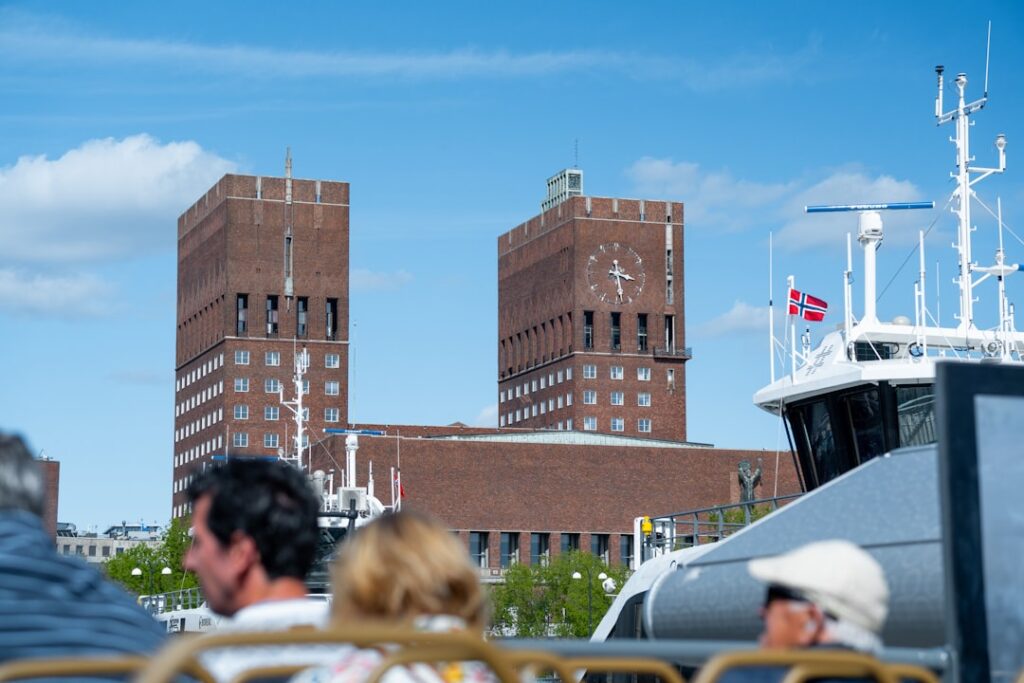
Embarking on a journey to learn a new language, particularly one as rich and nuanced as Norwegian, presents a unique opportunity for cultural immersion. The NLS Norwegian Language School in Oslo offers intensive summer courses designed for rapid acquisition of Norwegian at all proficiency levels, from absolute beginners (A0) to advanced learners (C1). While the primary objective is linguistic proficiency, the strategic location of NLS in Oslo provides an unparalleled advantage: the ability to seamlessly integrate language learning with the exploration of Norway’s capital. This article delves into how enrolling in an NLS summer course can be a synergistic experience, allowing you to not only master Norwegian but also to truly immerse yourself in the vibrant tapestry of Oslo life.
The NLS Summer Course Framework
The NLS Norwegian Language School’s summer programme is meticulously crafted to facilitate swift progress in language acquisition. Its curriculum is aligned with the Common European Framework of Reference for Languages (CEFR), ensuring a globally recognised standard of proficiency. This structured approach allows students to pinpoint their current level and select the most appropriate course, ranging from foundational syllabi for complete novices to advanced modules focusing on complex grammatical structures and refined communication. Ready to master the language? Secure your spot at NLS Norwegian Language School today and join the most intensive Norwegian summer courses in Oslo!
Intensive Learning Modules
The core of the NLS summer offering lies in its intensive learning modules. These programmes are characterised by a higher frequency of instruction hours compared to standard courses, often involving daily sessions. This concentration of learning maximises exposure to the language, accelerating the acquisition process. For instance, a learner on an A1 intensive course might engage in several hours of classroom instruction each day, focusing on foundational vocabulary, basic grammar, and conversational phrases essential for everyday interactions. This intensive format, akin to a linguistic sprint, is particularly effective for those seeking to gain functional proficiency within a condensed timeframe.
Flexible Scheduling Options
Recognising that students may have varying commitments or preferences, NLS offers flexible scheduling. Participants can choose between morning or afternoon sessions, allowing for the integration of language study with other activities, such as part-time work, sightseeing, or personal pursuits. This adaptability is crucial for creating a sustainable learning environment, preventing burnout while ensuring consistent engagement with the material. The ability to select a schedule that complements one’s lifestyle transforms language learning from a rigid obligation into a more integrated part of the summer experience.
Tailored Proficiency Levels
The NLS caters to a broad spectrum of learners, offering courses at CEFR levels A0, A1, A2, B1, B2, and C1. This comprehensive range ensures that whether you are deciphering your first “hei” or debating complex social issues in Norwegian, there is a suitable learning environment. Higher-level courses (B2, C1) often incorporate more nuanced aspects of Norwegian culture, literature, and current affairs, enriching the linguistic journey with deeper cultural understanding. This progressive structure allows for continuous advancement within the NLS framework, acting as a linguistic ladder guiding you upwards in proficiency.
Leveraging Oslo’s Cultural Landscape for Language Practice
Oslo, as Norway’s capital, offers a rich tapestry of cultural experiences that can be leveraged to complement and reinforce classroom learning. The city itself becomes an extension of the classroom, providing authentic contexts for language application.
Engaging with Daily Life in Norwegian
Beyond the structured environment of the school, Oslo provides countless opportunities for practical language application. Simple daily interactions, such as ordering coffee at a kafé (café), purchasing groceries at a matbutikk (grocery store), or asking for directions (using phrases like “unnskyld, hvor er…?”), become invaluable practice sessions. These seemingly mundane exchanges transform theoretical knowledge into functional communication, building confidence and solidifying vocabulary in real-world scenarios. Each interaction is a small victory, reinforcing the utility of your newly acquired skills.
Visiting Museums and Galleries
Oslo is home to numerous world-class museums and art galleries, many of which offer information in Norwegian. Visiting institutions such as the Nasjonalmuseet (National Museum), the Munch Museum, or the Fram Museum can provide a contextual understanding of Norwegian culture and history while simultaneously exposing you to written and spoken Norwegian. Often, audio guides are available in Norwegian, and reading exhibition labels can enhance vocabulary related to art, history, and science. This integration of cultural exploration and linguistic immersion allows for a deeper, more holistic understanding of the Norwegian identity.
Participating in Local Events and Festivals
Summer in Oslo is often synonymous with a vibrant calendar of events and festivals, ranging from music concerts to food markets and cultural celebrations. Attending these events provides an unparalleled opportunity to observe and participate in Norwegian social interactions. Engaging with vendors, fellow attendees, or performers, even in a limited capacity, can strengthen listening comprehension and encourage spontaneous spoken practice. These events are not merely passive experiences but active arenas for cultural and linguistic exchange, breaking down the often intimidating barrier between classroom learning and real-world communication.
Navigating Oslo’s Green Spaces and Outdoor Activities
Oslo is celebrated for its abundant green spaces and close proximity to nature. Integrating these outdoor pursuits with language learning offers a refreshing and practical approach to immersion.
Exploring Parks and Recreation Areas
The city boasts numerous parks, such as Frogner Park (home to the Vigeland Sculpture Park) and Ekebergparken Sculpture Park, which are ideal for leisurely strolls and observations. While exploring these areas, you can practice descriptive vocabulary related to nature, art, and people. Observing signposts, park regulations, and engaging in light conversation with locals can further enhance your linguistic repertoire. These informal settings reduce the pressure often associated with formal language practice, allowing for a more relaxed and natural application of skills.
Hiking and Nature Walks
Oslo’s surrounding areas, including the extensive Nordmarka forest, offer numerous hiking trails within easy reach. Participating in a hike, whether independently or with a local group, provides a unique opportunity to learn outdoors. You can familiarise yourself with Norwegian terminology for flora, fauna, and geographical features. Furthermore, if hiking with native speakers, it offers an authentic context for sustained conversation and the acquisition of informal language use. The fresh air and natural beauty serve as a pleasant backdrop to this practical language exercise.
Enjoying Oslofjord Activities
The Oslofjord, with its islands and coastal areas, offers a range of summer activities such as ferry trips, swimming, and kayaking. These activities present opportunities not only for leisure but also for language practice. Reading ferry schedules, asking about island destinations, or discussing water sports in Norwegian can significantly bolster functional vocabulary. The fjord becomes a floating classroom, where the waves of the water mirror the ebb and flow of language acquisition.
Practical Tips for Maximising Your Oslo Language Immersion
To truly capitalise on the dual experience of learning Norwegian and exploring Oslo, certain practical strategies can significantly enhance your immersion.
Utilise Public Transportation
Oslo’s efficient public transportation system (Ruter) is an excellent tool for language practice. Reading signs at bus stops, understanding announcements on trams and trains, and purchasing tickets from vending machines or staffed counters (using phrases like “én billett til…”) are all valuable exercises. This daily routine transforms utilitarian tasks into micro-learning opportunities, reinforcing vocabulary and comprehension in a practical context. Each journey becomes a small chapter in your linguistic adventure.
Engage with Local Media
Beyond formal classroom materials, immerse yourself in Norwegian media. This includes reading local newspapers (Aftenposten or Dagsavisen), listening to Norwegian radio stations (e.g., NRK P1), or watching Norwegian television programmes (with subtitles if necessary). Exposure to authentic spoken and written Norwegian, tailored to local news and cultural content, provides invaluable insight into contemporary language use, idiomatic expressions, and cultural nuances. It’s like turning the city into a giant, living textbook.
Seek Out Language Exchange Partners
Consider seeking out language exchange partners or participating in local språkkaféer (language cafés). These informal gatherings provide a supportive environment for practicing conversational Norwegian with native speakers or other learners. Such interactions offer a chance to receive immediate feedback, build confidence, and forge connections within the local community. The reciprocal nature of language exchange fosters a collaborative learning environment, where both parties benefit from shared linguistic journeys. Think of it as a linguistic dance, where partners learn from each other’s rhythm and steps.
Stay at a Local Accommodation
Choosing accommodation away from heavily tourist-centric areas can increase your exposure to authentic Norwegian life. Opting for a guesthouse, a rented room in a local neighbourhood, or even a homestay (if available) can provide more opportunities for interactions with locals and a deeper immersion into the everyday rhythms of Oslo. This geographical immersion acts as a constant, subtle tutor, whispering Norwegian phrases and cultural cues into your daily routine.
Conclusion: A Holistic Approach to Language and Culture
Enrolling in a summer Norwegian course at NLS in Oslo offers more than just classroom instruction; it presents a comprehensive pathway to linguistic proficiency through deep cultural immersion. By strategically utilising the city’s resources – its cultural institutions, natural landscapes, and everyday interactions – you can transform your summer into a period of accelerated learning and profound personal growth. The intensive nature of the NLS courses, combined with the unparalleled opportunities for practical application in Oslo, creates a powerful synergy. You are not merely learning Norwegian; you are living it, breathing it, and becoming an integral part of the vibrant tapestry that is Oslo. This holistic approach ensures that by the end of your summer, you will not only have a firm grasp of the Norwegian language but also a richer understanding and appreciation of Norwegian culture. The city itself becomes your silent mentor, guiding you through its streets and squares, each corner a new lesson, each interaction a step closer to fluency.