
Oslo, the capital of Norway, is recognised for its fjords and cultural heritage as well as its efficient emergency services. The city maintains comprehensive emergency response capabilities to address various incidents, ensuring the safety of residents and visitors. Knowledge of how to access these services is essential, particularly for newcomers or tourists who may encounter unexpected situations.
This article provides a detailed overview of emergency services available in Oslo, including contact procedures and response protocols for different scenarios. Emergency services in Oslo are organised to respond promptly and effectively to incidents ranging from medical emergencies to fires and criminal activities. The city employs trained personnel dedicated to maintaining public safety and providing assistance when required.
The established system ensures that help is accessible through telephone contact. This article examines emergency contact numbers, police services, fire and rescue operations, medical assistance, and additional resources available in Oslo.
Summary
- Dial 112 for police, 110 for fire, and 113 for medical emergencies in Oslo.
- Police services are accessible for urgent matters, with clear guidance on what to expect when contacting them.
- Fire and rescue services provide specific locations and instructions for fire-related emergencies.
- Medical emergencies require prompt contact with ambulance services and knowledge of nearby emergency medical facilities.
- Non-emergency incidents have designated contacts, and language assistance is available to support effective communication.
Emergency Numbers in Oslo: Who to Call
In Oslo, as in the rest of Norway, there are specific emergency numbers that residents and visitors should be aware of. The primary emergency number is 112, which connects callers to the police. This number should be dialled in situations where immediate police assistance is required, such as witnessing a crime or being involved in an accident.
It is essential to remain calm when calling this number and provide clear information about your location and the nature of the emergency. For medical emergencies, the number to call is 113. This line connects you directly to ambulance services, which are equipped to handle urgent medical situations.
Whether it’s a severe injury, a heart attack, or any other life-threatening condition, calling 113 ensures that trained medical personnel will be dispatched promptly. Additionally, for fire-related emergencies, you should call 110. This number will connect you with the fire department, who can respond quickly to extinguish fires and assist with rescue operations if necessary. Enroll now at NLS Norwegian Language School: Your premier choice for Norwegian classes in Oslo.
Police Services in Oslo: How to Contact and What to Expect
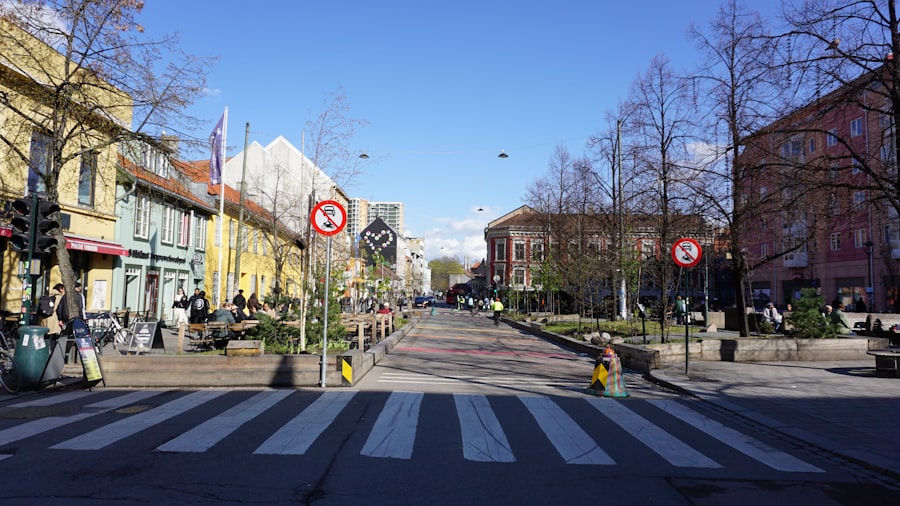
The police services in Oslo are highly professional and trained to handle a wide range of incidents. In addition to the emergency number 112, you can also contact the police through their non-emergency number, which is 02800. This line is useful for reporting non-urgent matters such as thefts that have already occurred or providing information about suspicious activities.
When contacting the police, it is important to provide as much detail as possible regarding the incident, including your location and any relevant descriptions of individuals or vehicles involved. When you call the police in an emergency situation, you can expect a swift response. Officers are trained to assess the situation quickly and take appropriate action.
In many cases, they will arrive at the scene within minutes. It is advisable to remain at the location until help arrives unless it is unsafe to do so. The police will ask questions to gather information about the incident and may provide instructions on what you should do while waiting for their arrival.
Oslo Fire and Rescue Services: Where to Go in Case of a Fire
In the unfortunate event of a fire, knowing how to contact the fire services can be crucial. As mentioned earlier, the emergency number for fire-related incidents is 110. When you call this number, you will be connected to the fire department, which will dispatch firefighters to your location immediately.
It is vital to provide clear information about the fire’s location and any potential hazards that may be present. In addition to responding to fires, the Oslo Fire and Rescue Services also offer assistance in various emergency situations, such as rescuing individuals trapped in vehicles or buildings. If you find yourself in a situation where you need to evacuate due to a fire, it is essential to remain calm and follow established evacuation routes if available.
Fire exits are typically marked clearly in public buildings, and it is advisable to familiarise yourself with these routes when visiting new places.
Medical Emergencies in Oslo: Contacting Ambulance Services
| Service | Emergency Number | Non-Emergency Number | Location / Address | Operating Hours | Notes |
|---|---|---|---|---|---|
| Police | 112 | 02800 | Oslo Police Headquarters, Grønlandsleiret 44, 0190 Oslo | 24/7 | Call 112 for immediate danger or crime in progress |
| Fire and Rescue | 110 | N/A | Oslo Fire Station, Schweigaards gate 44B, 0191 Oslo | 24/7 | For fires, accidents, and rescue operations |
| Ambulance / Medical Emergency | 113 | 116 117 (Medical advice) | Oslo University Hospital, Kirkeveien 166, 0450 Oslo | 24/7 | Call 113 for life-threatening medical emergencies |
| Poison Information | N/A | 22 59 13 00 | Norwegian Poison Information Centre, Oslo | 24/7 | For advice on poisoning and toxic substances |
| Crisis Hotline (Mental Health) | N/A | 116 123 | Oslo Crisis Centre | 24/7 | Confidential support for mental health crises |
| Emergency Dental Services | N/A | 23 49 11 00 | Oslo Dental Emergency Clinic, Storgata 40, 0182 Oslo | Weekdays 16:00-22:00, Weekends 10:00-22:00 | For urgent dental care outside regular hours |
Medical emergencies can arise unexpectedly, making it essential to know how to contact ambulance services in Oslo. As previously mentioned, the number for medical emergencies is 113. When you call this number, trained operators will assess your situation and dispatch an ambulance if necessary.
It is crucial to provide accurate information about your condition and location so that help can arrive as quickly as possible. In addition to calling for an ambulance, it is also important to understand what to expect when medical personnel arrive on the scene. Paramedics are trained professionals who will assess your condition upon arrival and provide immediate care as needed.
They may ask questions about your medical history or any medications you are taking, so having this information readily available can be helpful during an emergency.
Emergency Medical Facilities in Oslo: Where to Seek Medical Help
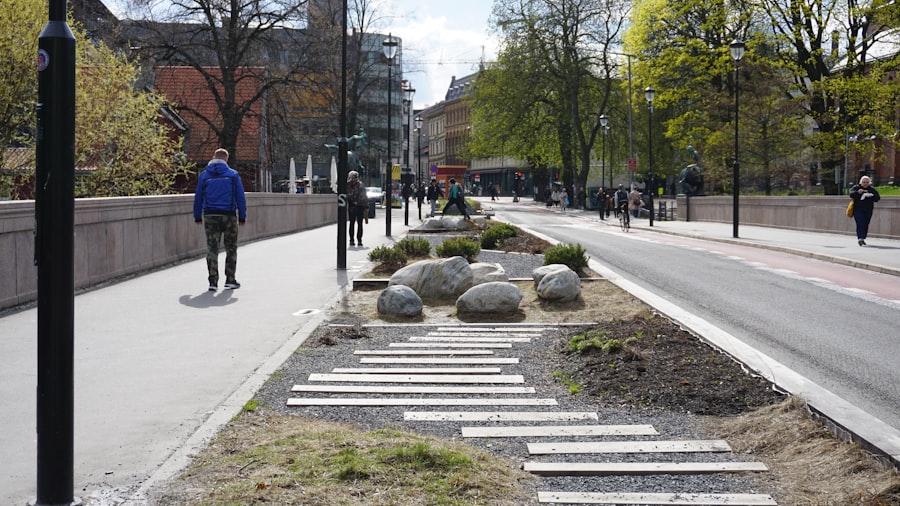
Oslo is home to several hospitals and medical facilities equipped to handle emergencies. The largest hospital in the city is Oslo University Hospital (Oslo universitetssykehus), which has multiple locations throughout Oslo. This facility offers comprehensive medical services, including emergency care for serious injuries and illnesses.
If you require immediate medical attention after calling for an ambulance, it is likely that you will be taken to one of these hospitals. In addition to hospitals, there are also numerous clinics and healthcare centres throughout Oslo that can provide assistance for less urgent medical issues. If you find yourself needing medical help but it is not an emergency situation, visiting a local clinic may be more appropriate.
Many clinics offer walk-in services or appointments for non-urgent care, ensuring that you receive the attention you need without overwhelming emergency services.
Reporting Non-Emergency Incidents in Oslo: Who to Contact
While emergencies require immediate attention, there are also situations that may not necessitate urgent intervention but still require reporting. For non-emergency incidents such as minor thefts or vandalism, you can contact the police using their non-emergency number 02800. This line allows you to report incidents that do not pose an immediate threat but still require police attention.
When reporting a non-emergency incident, it is important to provide as much detail as possible about what occurred. This includes information such as the time and location of the incident, descriptions of any individuals involved, and any other relevant details that may assist law enforcement in their investigation. By providing thorough information, you help ensure that the police can take appropriate action.
Emergency Preparedness in Oslo: What to Do in Case of an Emergency
Being prepared for emergencies can make a significant difference in how effectively you respond when faced with a crisis. In Oslo, it is advisable for residents and visitors alike to familiarise themselves with local emergency procedures and resources. This includes knowing how to contact emergency services and understanding what steps to take during various types of emergencies.
One key aspect of emergency preparedness is having a plan in place for different scenarios. For instance, if there is a fire in your building or home, know where the nearest exits are located and establish a meeting point outside where everyone can gather safely. Additionally, consider keeping an emergency kit on hand that includes essential items such as water, non-perishable food, first aid supplies, and any necessary medications.
Language Assistance in Emergency Situations in Oslo
Language barriers can pose challenges during emergencies; however, Oslo’s emergency services are equipped to assist individuals who may not speak Norwegian fluently. Many operators on emergency lines are trained to communicate effectively with non-Norwegian speakers or can access translation services if needed. When calling for help, it is advisable to speak clearly and slowly while providing essential information about your situation.
If you find yourself in an emergency situation where language assistance is required but not readily available through phone services, consider asking bystanders for help or seeking out individuals who may speak English or other languages fluently. In many cases, locals are willing to assist those in need during emergencies.
Mental Health Emergencies in Oslo: Where to Seek Help
Mental health emergencies are just as important as physical health crises and should be addressed promptly. In Oslo, there are resources available for individuals experiencing mental health emergencies or crises. If you or someone you know requires immediate support due to mental health issues such as suicidal thoughts or severe anxiety attacks, it is crucial to seek help right away.
One resource available for mental health emergencies is the Norwegian National Suicide Prevention Helpline (Kirkens SOS), which can be reached at 116 123. This helpline offers confidential support from trained professionals who can provide guidance and assistance during difficult times. Additionally, many hospitals have psychiatric units that can offer immediate care for individuals experiencing severe mental health crises.
Conclusion and Resources for Emergency Services in Oslo
In conclusion, understanding how to navigate emergency services in Oslo is essential for both residents and visitors alike. With dedicated police forces, fire departments, ambulance services, and mental health resources available at your fingertips, help is always within reach when needed most. Familiarising yourself with emergency numbers such as 112 for police assistance, 113 for medical emergencies, and 110 for fire-related incidents can significantly enhance your ability to respond effectively during crises.
Moreover, being prepared by knowing where local medical facilities are located and having an emergency plan in place can make all the difference when faced with unexpected situations. Remember that language assistance is available if needed; do not hesitate to reach out for help if language barriers arise during emergencies. By taking these steps and remaining informed about available resources, you can ensure your safety and well-being while navigating life in Oslo.
Whether you’re living here or just visiting this beautiful city, knowing how to access emergency services will empower you with confidence during challenging times.