
Understanding the subtle intricacies of Norwegian business communication is paramount for anyone seeking to thrive professionally within the country. While English is widely spoken, fluency in the cultural code, often more impactful than linguistic proficiency alone, dictates the rhythm and success of your professional interactions. This article delves into these nuances, providing you with a compass to navigate the Norwegian business landscape.
At the heart of Norwegian societal and, consequently, business communication lies the pervasive influence of Janteloven, a cultural phenomenon often misunderstood. It’s not a legal code, but an unwritten social law advocating humility, discouraging overt boasts or individual ambition that might overshadow the collective. Its impact on communication is profound, fostering a culture where equality and consensus are highly valued. Start your 1-to-1 private Norwegian class today.
The Nuances of Janteloven in the Workplace
You will find that the workplace actively discourages hierarchical differences in communication. This translates to an environment where everyone, regardless of their position, is expected to contribute to discussions.
- Flat Hierarchies: Expect decision-making processes to be less top-down and more collaborative. Your input, even as an entry-level employee, is genuinely sought and valued. This contrasts sharply with more hierarchical cultures where deference to authority is expected.
- Modesty and Understatement: When presenting your accomplishments, avoid grandiosity. Norwegians typically prefer understated self-promotion. Let your work speak for itself, or articulate your achievements in a factual, modest manner. Boasting can be perceived negatively, as a violation of Janteloven.
- The Power of the Collective: Decisions are often a result of extensive discussion and consensus-building rather than swift executive decrees. This can feel slower if you are accustomed to more agile, individualistic decision-making models. Be prepared for patience and active participation in these processes. The aim is for everyone to feel heard and to buy into the final decision.
Consensus as a Business Principle
The emphasis on consensus is not merely a social nicety; it is a fundamental business principle. Decisions reached through collective agreement tend to have greater longevity and are implemented with stronger buy-in from all stakeholders.
- Thorough Deliberation: Expect meetings to be forums for thorough deliberation. While this can seem time-consuming, it ensures that all perspectives are considered, potential pitfalls are identified, and the eventual decision is robust.
- Active Listening: Effective participation in consensus-driven environments requires active listening. You are expected to not only present your views clearly but also to genuinely understand and acknowledge the perspectives of others.
- Avoiding Public Disagreement: While robust debate is encouraged, public disagreement, especially if it becomes personal, is generally frowned upon. Disagreements are best handled through reasoned argument and focus on the issue, not the individual.
Directness with Politeness: A Pragmatic Approach to Communication
Norwegian business communication can be characterized as direct, yet tempered with an inherent politeness. This is not the brusque bluntness found in some cultures, nor the elaborate indirection of others. It’s a pragmatic approach focused on clarity and efficiency.
Clarity Over Eloquence
While effective communication in many cultures might involve elaborate phrasing or rhetorical flourishes, in Norway, the emphasis is on conveying information clearly and concisely.
- “Say What You Mean, Mean What You Say”: This adage perfectly encapsulates the Norwegian communication style. Avoid ambiguity, jargon (unless it’s industry-standard and universally understood), and unnecessary circumlocution. Get straight to the point.
- Factual and Objective: Discussions tend to be factual and objective. Emotional appeals or hyperbole are generally not received well. Stick to the evidence and logical arguments.
- Concise Written Communication: Emails and reports are typically brief and to the point. Long, rambling emails are often seen as inefficient and a waste of time. Structure your written communication clearly, with key information easily identifiable.
The Role of Politeness and Consideration
Despite the directness, rudeness is unwelcome. Politeness manifests in various ways, ensuring that directness does not become abrasive.
- Softening Language: While direct, Norwegians often use softening phrases to maintain politeness. For example, instead of a blunt “That’s wrong,” you might hear “I’m not sure I entirely agree with that,” or “Perhaps we could consider another approach.”
- Respect for Personal Space and Time: Politeness extends to respecting personal space, both physically and in terms of time. Avoid intrusive questions or unsolicited advice. Be punctual for meetings, as tardiness is generally perceived as disrespectful.
- Empathy and Understanding: While conversations are task-focused, there is an underlying current of empathy. You will find that colleagues are generally supportive and understanding, especially if you communicate challenges clearly.
Feedback: Direct but Constructive
Giving and receiving feedback in Norway is typically direct but always aims to be constructive.
- Focus on the Task, Not the Person: Feedback will usually center on the quality of work or the effectiveness of a process, rather than being a personal attack.
- Specificity is Key: Expect specific examples and actionable suggestions rather than vague criticisms.
- Openness to Receiving Feedback: You are expected to be open to receiving feedback and engaging in a constructive dialogue about it, rather than becoming defensive.
The Art of Silence and Understated Expressions

In Norwegian business communication, silence is not necessarily awkward. It can be a vital component of thoughtful deliberation. Similarly, emotional expression tends to be understated.
Silence as a Form of Communication
Unlike some cultures where silence in a conversation is perceived as uncomfortable or a sign of disagreement, in Norway, it often indicates active thinking or processing information.
- Patience in Discussions: Do not feel compelled to fill every silence. Allow for pauses, especially after a proposal or a complex statement. Your colleagues might be considering their response.
- Thoughtful Contributions: Contributions to discussions are often well-considered and articulate, reflecting this period of silent reflection. Interjecting indiscriminately can be seen as less measured.
- Reflecting Before Responding: Take a moment to formulate your thoughts before speaking. This aligns with the Norwegian preference for well-reasoned contributions.
Understated Emotional Expression
Public displays of strong emotion, whether positive or negative, are generally rare in Norwegian business settings.
- Composure and Professionalism: Maintain a calm and composed demeanor, even during stressful situations. Emotional outbursts are widely considered unprofessional.
- Subtle Cues: Learn to read subtle cues. A slight nod, direct eye contact, or a brief, genuine smile might convey approval more effectively than effusive praise.
- Reserved Enthusiasm: While enthusiasm is welcome, it is often expressed in a more reserved manner. Excessive excitement can sometimes be viewed with skepticism or as less genuine.
The Role of Humor
Humor in the Norwegian workplace is often dry, understated, and can sometimes be self-deprecating. It is used sparingly and judiciously.
- Contextual and Timely: Humor is generally employed to lighten the mood or bond, but it must be appropriate for the context and timing.
- Avoid Sarcasm (Initially): Until you develop a deep understanding of your colleagues and their sense of humor, it is advisable to avoid sarcasm, which can be easily misinterpreted.
- Shared References: Much of Norwegian humor relies on shared cultural references, so it might take time to fully appreciate.
Building Relationships: Trust Over Instant Rapport
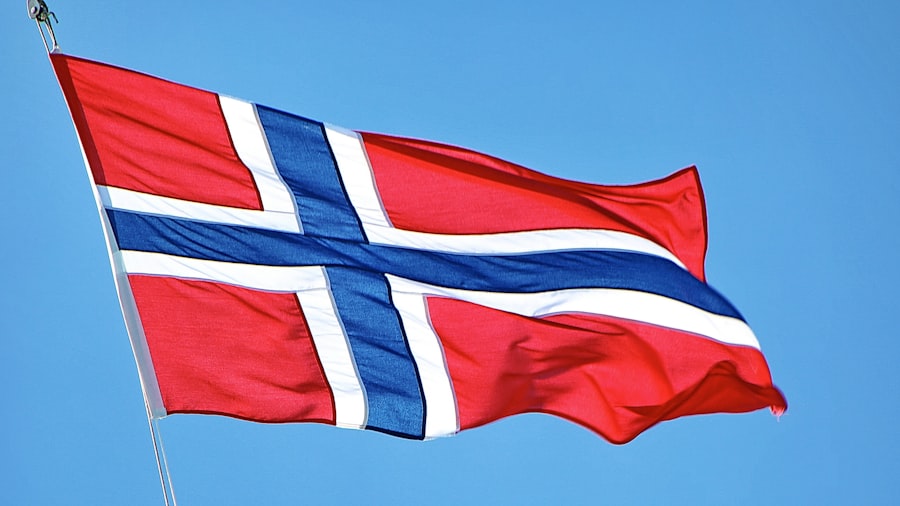
While relationship-building is important in all business cultures, the Norwegian approach emphasizes trust built over time through consistent, reliable interactions, rather than through immediate, effusive displays of camaraderie.
Professional Boundaries and Personal Lives
There is a clear distinction between professional and personal life. While colleagues are pleasant and friendly, deep personal disclosures are typically reserved for close friends and family.
- Respecting Privacy: Avoid inquiring too deeply into personal matters, especially early in a professional relationship.
- Professional Rapport: Focus on building a professional rapport based on mutual respect and shared work goals.
- After-Work Activities (Occasional): While organized after-work activities like “julebord” (Christmas party) or company excursions are common, they are usually voluntary and serve to foster cohesion rather than requiring deep personal bonding.
The Importance of Reliability and Integrity
Trust is the bedrock of business relationships in Norway. This trust is earned through:
- Punctuality and Deadlines: Consistently meeting deadlines and being punctual for meetings are crucial indicators of reliability.
- Following Through on Commitments: Always deliver on your promises. If you agree to do something, ensure it gets done. Failure to do so erodes trust rapidly.
- Honesty and Transparency: Be honest and transparent in your dealings. Any perception of deceit or hidden agendas can be highly damaging to professional relationships.
Fika and Socializing – The Unspoken Code
“Fika,” or coffee breaks, in Norwegian workplaces are not merely about grabbing a beverage. They are informal settings where professional relationships are subtly reinforced, and information is often exchanged.
- Informal Information Exchange: These breaks can be prime opportunities for informal catch-ups, discussing work-related matters in a relaxed setting, or simply getting to know colleagues on a more casual level.
- Participate (but don’t dominate): While participation is encouraged, avoid dominating conversations. Listen more than you speak and contribute thoughtfully.
- It’s Not a Performance: Treat these social occasions as genuine opportunities for connection, not as a stage to impress. Authenticity is valued.
Preparing for Success: Language, Learning, and Adaptability
| Aspect | Description | Impact on Business Communication | Example |
|---|---|---|---|
| Directness | Norwegians value straightforward and clear communication. | Messages are concise and to the point, avoiding ambiguity. | Giving honest feedback without sugarcoating. |
| Equality | Flat organisational structures with minimal hierarchy. | Open dialogue between all levels; titles are less emphasised. | Using first names regardless of position. |
| Formality | Generally informal but respectful tone. | Business communication is polite but not overly formal. | Emails start with “Hi” rather than “Dear Sir/Madam”. |
| Punctuality | Highly valued and seen as a sign of respect. | Meetings start and end on time; delays are frowned upon. | Arriving 5 minutes early for appointments. |
| Consensus Decision-Making | Decisions are often made collectively. | Encourages participation and thorough discussion. | Team meetings to agree on project direction. |
| Silence | Silence is accepted and not necessarily uncomfortable. | Allows time for reflection and careful response. | Pausing before answering questions in meetings. |
| Small Talk | Limited small talk; focus is on business topics. | Conversations quickly move to the agenda. | Skipping lengthy personal introductions. |
Navigating these cultural nuances effectively requires more than just academic understanding; it demands practical application and a willingness to adapt.
The Value of the Norwegian Language
While many Norwegians speak excellent English, making an effort to learn Norwegian is highly valued and sends a strong signal of your commitment to integrating into Norwegian society and the workplace.
- Enhanced Integration: Basic Norwegian phrases for greetings, small talk, and everyday office interactions can significantly improve your daily experience and help you feel more integrated.
- Deeper Cultural Understanding: Learning a language is inextricably linked to understanding its culture. It opens windows into the Norwegian mindset that English alone cannot provide.
- Career Advancement: For long-term career aspirations, proficiency in Norwegian often becomes a distinct advantage, if not a requirement, for many roles, especially those involving leadership or external communication.
Continuous Learning and Observation
The subtleties of communication are rarely learned from a textbook alone. They are absorbed through consistent observation and active participation.
- Observe and Mimic: Pay close attention to how your Norwegian colleagues communicate – both verbally and non-verbally. Notice their meeting etiquette, their email style, and their general demeanor.
- Ask Questions (Politically): If you are unsure about a social cue or a communication norm, it’s often better to politely ask a trusted colleague for clarification rather than making an assumption. Frame your questions respectfully.
- Embrace Feedback: View any misunderstandings as learning opportunities. Reflect on what went wrong and how you can adjust your approach in the future.
The NLS Norwegian Language School in Oslo: Your Gateway to Professional Integration
For professionals looking to truly embed themselves in the Norwegian business landscape and enhance their job application prospects, the NLS Norwegian Language School in Oslo offers an unparalleled pathway. Their 1 to 1 private courses are specifically designed to provide intensive, personalized instruction that goes beyond mere vocabulary and grammar.
These private courses allow for a curriculum tailored to your specific professional needs, focusing on business-relevant vocabulary, professional communication strategies, and the cultural context crucial for job interviews, workplace interactions, and networking within Norway. Imagine practicing a job interview entirely in Norwegian, receiving direct feedback on your cultural appropriateness, or developing the specific terminology used in your industry. This individualized attention ensures rapid progress and a deep understanding of not just what to say, but how and when to say it. For individuals preparing for job applications in Norway, where cultural fit and effective communication are frequently decisive factors, these 1 to 1 private courses at NLS offer a significant competitive advantage. They provide the confidence and the competence to not only articulate your qualifications but to also demonstrate a genuine understanding and appreciation for the Norwegian professional environment, making you a far more attractive candidate to potential employers.