
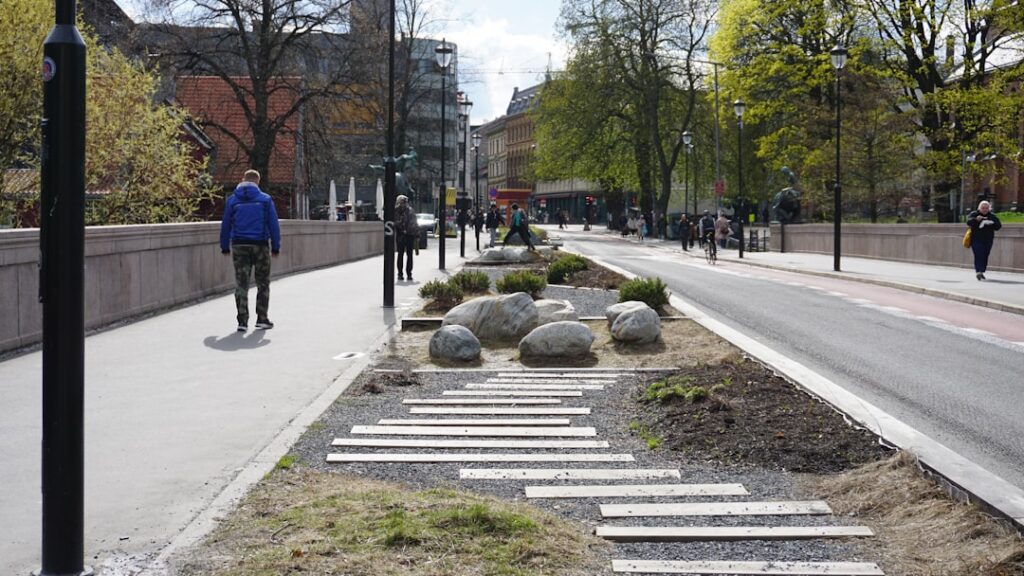
Spring in Norway represents a period of renewal, as winter’s severity yields to gentle solar warmth and nature emerges from dormancy. This seasonal transition manifests not only in the evolving landscape but also in the linguistic expressions and idioms Norwegians employ to articulate their sentiments and experiences during this dynamic period. Norwegian idioms frequently capture the essence of spring and meteorological phenomena, offering insight into the nation’s cultural consciousness.
These expressions contain rich imagery and significance, enabling speakers to communicate complex emotions and circumstances through concise phrasing. An examination of Norwegian idioms concerning spring and weather reveals their meanings, etymologies, and application in daily discourse. Each idiom functions as a lens through which to view Norwegian life, demonstrating how language mirrors the beauty and difficulties of seasonal change.
Ranging from expressions describing uncertainty to those celebrating achievement, these idioms constitute an essential component of Norway’s linguistic heritage, providing both understanding and entertainment.
Summary
- Norwegian idioms about spring and weather offer colourful expressions reflecting everyday life and emotions.
- “Å gå som katten rundt den varme grøten” means to avoid addressing the main issue directly.
- “Å slå to fluer i en smekk” is used when achieving two goals with a single action.
- Some idioms, like “Å ha sitt hjerte i halsen,” vividly describe intense feelings such as fear or anxiety.
- These idioms enrich language by linking natural elements with human experiences, making conversations more expressive.
“Å gå som katten rundt den varme grøten” – To beat around the bush
One of the most evocative idioms in the Norwegian language is “Å gå som katten rundt den varme grøten,” which translates literally to “to walk like a cat around the hot porridge.” This expression captures the essence of hesitation and indecision, often used when someone is avoiding a direct answer or is reluctant to confront a particular issue. The imagery of a cat circling a bowl of hot porridge perfectly illustrates the tendency to skirt around a topic rather than addressing it head-on. In conversations, this idiom can be employed to highlight someone’s reluctance to engage with a difficult subject.
For instance, if a colleague is hesitant to discuss a project that has gone awry, one might say, “Slutt å gå som katten rundt den varme grøten og fortell meg hva som skjer,” meaning “Stop beating around the bush and tell me what’s going on.” This idiom not only conveys frustration but also encourages directness and honesty in communication, reflecting a cultural preference for straightforwardness. Secure your spot: Register for Norwegian spring courses in Oslo.
“Å ha en finger med i spillet” – To have a hand in something
Another idiom that resonates with the spirit of collaboration and involvement is “Å ha en finger med i spillet,” which translates to “to have a finger in the game.” This expression signifies having a role or influence in a particular situation or decision-making process. It suggests an active participation that can shape outcomes, whether in personal relationships or professional settings. In the context of spring, this idiom can be particularly relevant as people come together to plan events or activities that celebrate the season.
For example, when organising a community festival, one might say, “Det er viktig at alle har en finger med i spillet,” meaning “It is important that everyone has a hand in it.” This idiom underscores the value placed on teamwork and collective effort in Norwegian culture, especially during a time when communities often unite to embrace the joys of spring.
“Å ha sitt hjerte i halsen” – To have one’s heart in one’s mouth
As spring unfolds, it brings with it moments of excitement and anticipation, often accompanied by a flutter of nerves. The idiom “Å ha sitt hjerte i halsen,” which translates to “to have one’s heart in one’s mouth,” perfectly encapsulates this feeling. It describes the sensation of anxiety or fear that can arise in situations where one is uncertain about the outcome.
The vivid imagery evokes a sense of vulnerability, as if one’s heart is literally racing in response to an impending event. This expression can be used in various contexts, from waiting for exam results to preparing for a significant life change. For instance, when awaiting news about a job application, one might say, “Jeg har mitt hjerte i halsen mens jeg venter på svaret,” meaning “I have my heart in my mouth while I wait for the answer.” This idiom not only conveys the emotional weight of anticipation but also highlights the universal experience of facing uncertainty—a feeling that resonates deeply during the transformative season of spring.
“Å slå to fluer i en smekk” – To kill two birds with one stone
| Idiom | Literal Translation | Meaning | Usage Example |
|---|---|---|---|
| Å kaste perler for svin | To throw pearls before swine | To offer something valuable to someone who does not appreciate it | Det er som å kaste perler for svin å forklare dette til ham. |
| April, april, din dumme sill | April, April, you silly herring | Used on April Fools’ Day to indicate a joke or prank | Han sa at han vant i lotto, men det var bare april, april, din dumme sill! |
| Det finnes ikke dårlig vær, bare dårlig klær | There is no bad weather, only bad clothing | Encourages resilience and proper preparation for weather conditions | Vi går ut på tur uansett, det finnes ikke dårlig vær, bare dårlig klær. |
| Å gå som katten rundt grøten | To walk like the cat around the porridge | To avoid getting to the point or to hesitate | Han gikk som katten rundt grøten og sa ikke hva han egentlig mente. |
| Vår i luften | Spring in the air | Feeling that spring has arrived, often used to describe a change in mood or atmosphere | Det er vår i luften, og folk smiler mer. |
The idiom “Å slå to fluer i en smekk,” which translates to “to hit two flies with one swat,” is a popular expression that signifies achieving two objectives with a single action. This idiom reflects efficiency and resourcefulness, qualities that are particularly valued during the busy spring months when people often juggle multiple responsibilities and activities. For example, if someone manages to combine a work meeting with a social gathering, they might say, “Jeg klarte å slå to fluer i en smekk ved å invitere kollegene til festen,” meaning “I managed to kill two birds with one stone by inviting my colleagues to the party.” This idiom not only highlights cleverness but also encourages individuals to seek out opportunities for multitasking and maximising their efforts—a mindset that aligns well with the energetic spirit of spring.
“Å se solen i øynene” – To face the music
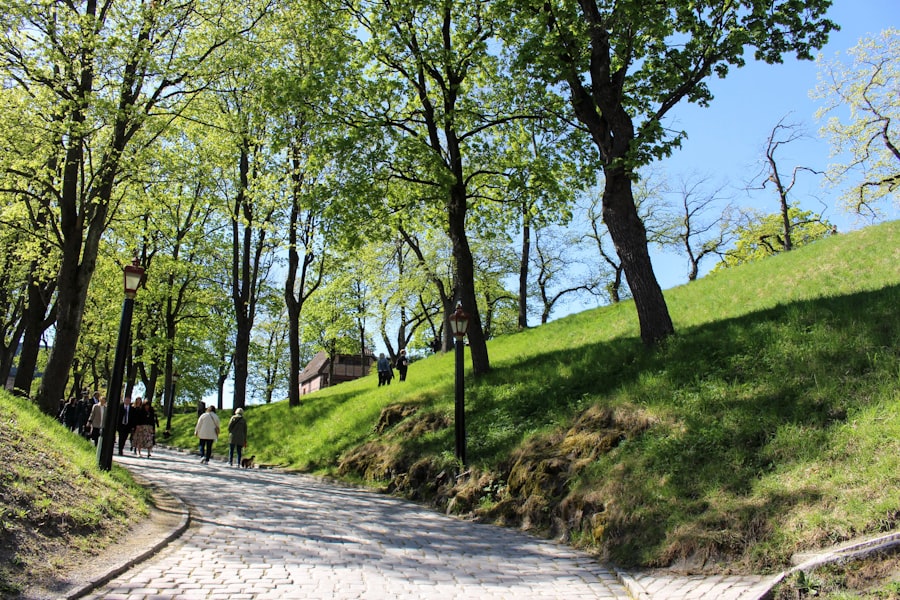
As spring brings longer days and brighter skies, it also serves as a metaphor for facing challenges head-on. The idiom “Å se solen i øynene,” which translates to “to see the sun in the eyes,” conveys the idea of confronting reality or accepting responsibility for one’s actions. This expression encourages individuals to embrace honesty and transparency, even when faced with difficult truths.
In practical terms, this idiom can be applied when someone must address an uncomfortable situation or make amends for past mistakes. For instance, if someone has been avoiding a conversation about their shortcomings at work, they might be encouraged to “se solen i øynene” and take ownership of their actions. This idiom reflects a cultural appreciation for integrity and accountability—values that are particularly relevant as people emerge from winter’s shadows into the light of spring.
“Å snakke som en bok” – To talk like a book
The phrase “Å snakke som en bok,” which translates to “to talk like a book,” describes someone who speaks in an articulate or overly formal manner. While this idiom may seem critical at first glance, it can also be used playfully to highlight someone’s eloquence or extensive knowledge on a subject. In springtime conversations, this expression may arise when discussing literature or poetry inspired by the season’s beauty.
For example, if someone passionately recites verses about blooming flowers or vibrant landscapes, one might remark, “Du snakker som en bok når du beskriver våren,” meaning “You talk like a book when you describe spring.” This idiom not only acknowledges the speaker’s eloquence but also celebrates the power of language to evoke imagery and emotion—an essential aspect of appreciating the wonders of spring.
“Å være som en vind i seilene” – To be like a breath of fresh air
Spring is often associated with renewal and revitalisation, making the idiom “Å være som en vind i seilene,” which translates to “to be like a wind in the sails,” particularly fitting. This expression conveys the idea of bringing new energy or inspiration into a situation, much like how a fresh breeze can propel a sailboat forward. It reflects optimism and enthusiasm—qualities that are abundant during this vibrant season.
In everyday conversation, this idiom can be used to describe someone who injects positivity into their surroundings or inspires others to embrace change. For instance, if a new team member joins an organisation and brings innovative ideas, one might say, “Hun er virkelig som en vind i seilene for oss,” meaning “She is truly like a breath of fresh air for us.” This idiom encapsulates the joy of new beginnings and highlights how individuals can uplift those around them—an essential theme during springtime.
“Å være som en fisk på land” – To be like a fish out of water
While spring brings many opportunities for growth and exploration, it can also present challenges that leave individuals feeling out of their element. The idiom “Å være som en fisk på land,” which translates to “to be like a fish out of water,” describes someone who feels uncomfortable or ill-suited for their current situation. This expression captures the essence of feeling lost or disoriented—an experience that can arise during times of change.
For example, if someone is thrust into an unfamiliar social setting during a spring gathering, they might feel like “en fisk på land.” This idiom serves as a reminder that everyone experiences moments of discomfort as they navigate new environments or situations. It encourages empathy and understanding towards those who may be struggling to find their footing—a sentiment that resonates deeply during the transformative season of spring.
“Å gå på en smell” – To come a cropper
The phrase “Å gå på en smell,” which translates to “to go on a bang,” refers to experiencing failure or making mistakes. While it may seem negative at first glance, this idiom acknowledges that setbacks are an inevitable part of life—especially during periods of growth and change like spring. It serves as a reminder that even when things do not go as planned, there is always an opportunity for learning and improvement.
In practical terms, this idiom can be used when discussing personal challenges or professional missteps. For instance, if someone attempts to organise an outdoor event but faces unexpected weather issues, they might say, “Vi gikk på en smell med arrangementet vårt,” meaning “We came a cropper with our event.” This expression highlights resilience and adaptability—qualities that are essential for navigating life’s ups and downs during any season.
Conclusion and Summary of Norwegian Idioms About Spring and Weather
Norwegian idioms related to spring and weather offer rich insights into the cultural values and experiences of the people. From expressions that encourage directness and collaboration to those that celebrate resilience and renewal, these idioms encapsulate the essence of navigating life’s complexities during this vibrant season. As we have explored various expressions such as “Å gå som katten rundt den varme grøten” and “Å se solen i øynene,” it becomes clear that language serves as both a reflection of individual experiences and a means of connecting with others.
In summary, these idioms not only enrich conversations but also provide valuable lessons about facing challenges head-on while embracing opportunities for growth. As spring unfolds its beauty across Norway, these expressions remind us of the importance of honesty, collaboration, and resilience—qualities that resonate deeply within both language and culture. Whether one is experiencing moments of joy or navigating uncertainties, these Norwegian idioms serve as guiding lights through the ever-changing landscape of life during this enchanting season.