
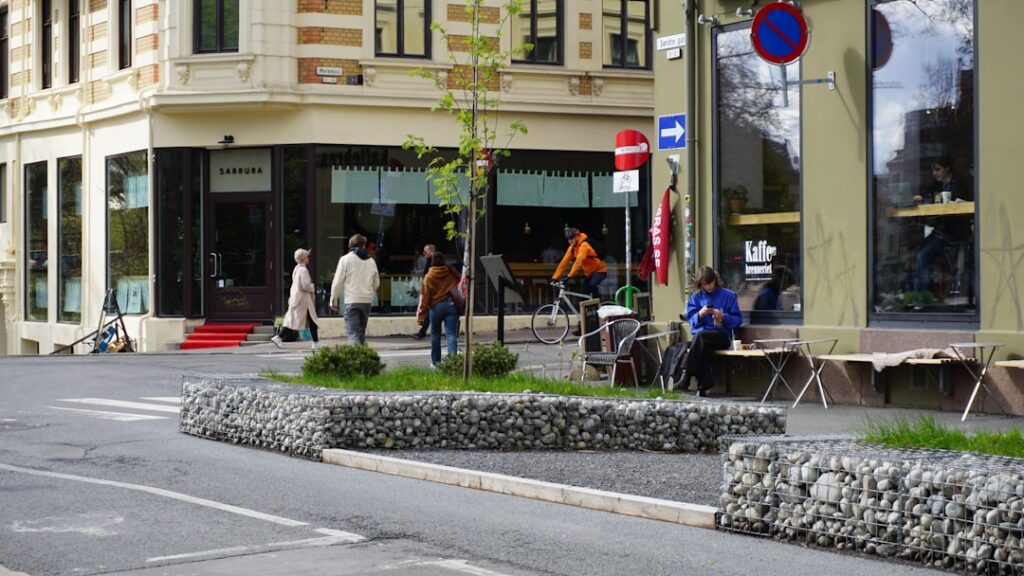
This is a good start for emphasizing the Norwegian summer courses. To expand this into a 1,500-word article with a factual, Wikipedia-like tone and the requested structure, we need to flesh out each section significantly and add more detail about the learning experience, the school, and Oslo itself.
Here’s a draft focusing on achieving fluency faster with Oslo Norwegian Summer Courses, adhering to your specifications: Ready to master the language? Secure your spot at NLS Norwegian Language School today and join the most intensive Norwegian summer courses in Oslo!
Achieve Fluency Faster with Oslo Norwegian Summer Courses
The pursuit of language acquisition is a journey that can be significantly accelerated through concentrated study, particularly during dedicated periods. For individuals seeking to gain proficiency in Norwegian, the summer months present an opportune window for intensive learning. The Norwegian Language School (NLS) in Oslo offers a structured and immersive approach to Norwegian language education through its summer courses, designed to facilitate rapid progress for learners across all existing proficiency levels. This article examines the benefits, pedagogical approaches, and logistical considerations of engaging with NLS’s summer offerings in Oslo, highlighting their potential to foster swift and effective language development.
Understanding the Principles of Accelerated Learning
Intensive language courses, particularly those offered during extended breaks such as summer holidays, leverage several key principles of accelerated learning. The core concept revolves around immersing oneself in the target language for a sustained period. This focused exposure, when combined with a structured curriculum and pedagogical expertise, can significantly shorten the time required to reach specific language milestones. Unlike sporadic learning spread over a longer duration, intensive study creates a continuous learning environment, minimising the ‘forgetting curve’ and reinforcing new grammatical structures and vocabulary with greater regularity. The brain, when presented with consistent input and opportunities for active recall, is more adept at forming robust neural pathways associated with language. This sustained engagement acts as a constant mental workout, akin to an athlete training for a specific event, where consistent effort leads to peak performance in a defined timeframe.
The Critical Role of Immersion
Immersion, whether through a dedicated language school or through extended stays in a target language environment, is widely recognised as a cornerstone of rapid language acquisition. NLS’s summer courses in Oslo provide a dual form of immersion. Firstly, the intensive classroom environment itself fosters a degree of immersion, as learners are consistently exposed to Norwegian through instruction, exercises, and peer interaction. This creates a micro-environment where the target language is the primary medium of communication and learning. Secondly, by choosing to study in Oslo, learners are presented with the broader opportunity for cultural immersion. Engaging with native speakers in daily activities outside the classroom, navigating the city, and experiencing Norwegian culture all contribute to reinforcing classroom learning and providing practical application of acquired linguistic skills. This constant interaction with the language in its natural habitat is crucial for developing authentic pronunciation, understanding idiomatic expressions, and internalising the nuances of communication.
Benefits of a Summer Study Period
The summer period offers a unique confluence of advantages for language learners. For many, it represents a period of reduced professional or academic commitments, allowing for a dedicated focus on learning that might be challenging to achieve during the academic year. This dedicated time can be channelled into the intensive structure of a summer course, where long hours of study are more feasible. Furthermore, the warmer climate and extended daylight hours in Norway during the summer can contribute to a more positive and engaging learning experience. The opportunity to combine rigorous academic study with cultural exploration and leisure activities in and around Oslo makes the summer an attractive proposition for learners seeking a holistic educational and personal growth experience. This period, often seen as a time for relaxation, can be transformed into a highly productive phase of skill development, yielding significant academic and personal dividends.
NLS Oslo: A Foundation for Fluency
The NLS Pedagogical Approach
The Norwegian Language School (NLS) in Oslo distinguishes itself through a pedagogical framework that prioritises effective and efficient language acquisition. Their curriculum is designed to be learner-centric, employing a blend of communicative language teaching methodologies. This approach emphasises the development of all four core language skills: reading, writing, listening, and speaking, with a strong inclination towards practical application. The communicative methodology aims to equip learners with the ability to use Norwegian in real-world situations from the outset, rather than focusing solely on theoretical grammatical knowledge. This is achieved through interactive exercises, role-playing scenarios, group discussions, and authentic language materials. The emphasis is on fostering confident communication, even in the early stages of learning, recognising that making mistakes is an integral part of the learning process.
CEFR Alignment and Structured Progression
A key strength of NLS’s summer courses lies in their alignment with the Common European Framework of Reference for Languages (CEFR). This internationally recognised standard provides a clear and consistent measure of language proficiency. By adhering to CEFR levels, NLS ensures that their courses are transparent and that learners can accurately gauge their progress. The framework outlines specific learning outcomes and competencies for each level, from A0 (Beginner) to C1 (Advanced). This structured progression acts as a roadmap for learners, providing a clear sense of direction and achievable goals.
A0: Introduction to Norwegian Basics
For absolute beginners, the A0 level at NLS provides a gentle yet comprehensive introduction to the fundamental building blocks of the Norwegian language. This stage is akin to laying the foundation of a building; without a solid base, subsequent construction would be unstable. The focus is on acquiring essential vocabulary for everyday situations, basic greetings, introductions, and understanding simple sentence structures. Phonetic awareness is also a significant component, ensuring learners develop accurate pronunciation from the outset. The goal at this level is to build confidence and remove the initial apprehension often associated with starting a new language.
A1: Navigating Everyday Situations
At the A1 level, learners begin to engage with more practical conversational scenarios. They develop the ability to understand and use familiar everyday expressions and very basic phrases, aimed at satisfying concrete needs. This includes introducing oneself and others, asking and answering basic questions about personal details such as where one lives, people one knows, and things one has. The curriculum at this stage focuses on common topics such as family, shopping, and local geography. The emphasis on practical application ensures that learners can immediately begin to utilise their newly acquired knowledge, transforming abstract learning into tangible communication.
A2: Expanding Communication Horizons
The A2 level signifies a step towards more independent communication. Learners can understand sentences and frequently used expressions related to areas of most immediate relevance (e.g. very basic personal and family information, shopping, local geography, employment). The course at this level encourages learners to engage in simple and direct exchange of information on familiar and routine matters. This involves describing in simple terms aspects of their background, immediate environment, and matters in areas of immediate need. The building blocks of A1 are expanded upon to allow for more complex sentence formation and a broader range of topics.
B1: Towards Independent Usage
Reaching the B1 level marks a significant milestone, signifying the ability to understand the main points of clear standard input on familiar matters regularly encountered in work, school, leisure etc. Learners can deal with most situations likely to arise whilst travelling in an area where the language is spoken. They can produce simple connected text on topics which are familiar or of personal interest. This level encourages learners to express opinions and emotions with a degree of fluency. The curriculum at B1 begins to delve deeper into more abstract concepts and nuanced expressions.
B2: Proficient User of the Language
At the B2 level, learners are considered competent users of the language. They can understand the main ideas of complex text on both concrete and abstract topics, including technical discussions in their field of specialisation. They can interact with a degree of fluency and spontaneity that makes regular interaction with native speakers quite possible without strain for either party. They can produce clear, detailed text on a wide range of subjects and explain a viewpoint on a topical issue giving the advantages and disadvantages of various options. This level indicates a strong command of the language, approaching native-like proficiency.
C1: Mastery and Nuance
The C1 level represents a high degree of proficiency, where learners can understand a wide range of demanding, longer texts, and recognise implicit meaning. They can express themselves fluently and spontaneously without much obvious searching for expressions. They can use language flexibly and effectively for social, academic and professional purposes. This level involves understanding subtle humour, idiomatic expressions, and cultural references with ease. The learning at C1 focuses on refining the nuances of the language and achieving a sophisticated level of expression.
Flexible Course Structures and Durations
Recognising that learners have diverse needs and time constraints, NLS offers a variety of course lengths and intensities. This flexibility is a crucial aspect of making intensive study accessible. Learners can opt for shorter, more concentrated courses or longer programmes that allow for more gradual, yet still accelerated, assimilation of the language.
Morning and Afternoon Sessions
The provision of both morning and afternoon sessions further enhances the adaptability of the summer courses. This allows learners to structure their day according to their personal rhythms and other commitments, whether it be exploration of Oslo, part-time work, or personal projects. This dual scheduling ensures that access to intensive instruction is maximised without unduly disrupting other aspects of a learner’s summer experience. This consideration reflects a pragmatic understanding of the varied lives of students, aiming to integrate learning seamlessly into their broader summer plans.
The Oslo Learning Environment
Beyond the Classroom: Cultural Immersion
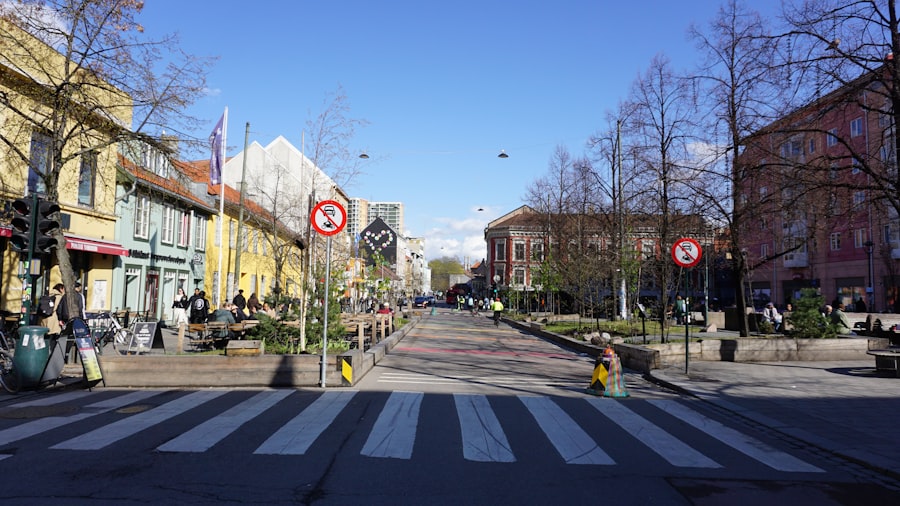
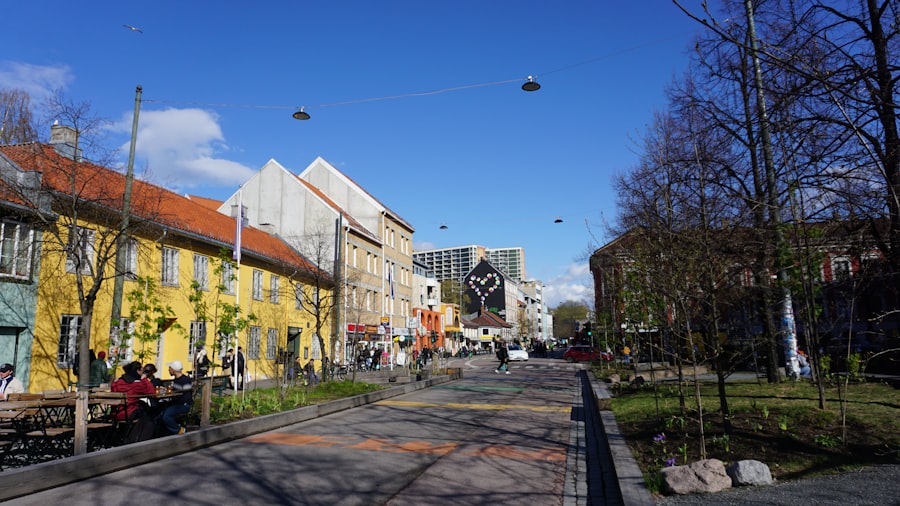
While the classroom instruction at NLS provides the core of language acquisition, the city of Oslo itself serves as an invaluable extension of the learning environment. Engaging with the Norwegian language in its natural context is an essential component of achieving fluency. Daily interactions, whether ordering coffee, navigating public transport, or visiting museums, offer constant opportunities for practice and reinforcement. This form of immersion moves beyond linguistic exercises to encompass cultural understanding, helping learners to grasp the social cues, politeness conventions, and everyday pragmatics of Norwegian communication.
Exploring Oslo’s Cultural Landscape
Oslo is a city rich in history, art, and natural beauty, offering a stimulating backdrop for language learners. From the iconic Vigeland Sculpture Park to the historic Akershus Fortress, and the modern opera house, the city provides ample venues for cultural exploration. These excursions can be integrated into the language learning experience, with learners encouraged to research locations, read interpretive signs, and discuss their experiences in Norwegian. This active engagement transforms tourist activities into valuable learning opportunities, solidifying vocabulary and sentence structures related to history, art, and daily life.
Interacting with Native Speakers
The opportunity to interact with native Norwegian speakers is paramount for developing authentic language skills. Living, studying, and socialising in Oslo provides learners with this invaluable exposure. Casual conversations with shopkeepers, asking for directions from locals, or participating in language exchange events can significantly enhance speaking and listening comprehension. NLS often facilitates connections with local communities or language partners, further enriching the immersive experience. This real-world practice is crucial; it is not merely about understanding grammar rules, but about feeling comfortable and confident in spontaneous communication, akin to a diver becoming at ease with the pressure and currents of the ocean.
Maximising Your Summer Course Experience
Active Participation and Engagement
The effectiveness of any intensive language course is directly proportional to the active participation of the learner. At NLS, this translates to consistent attendance, full engagement in classroom activities, and a willingness to contribute to discussions. Learners are encouraged to ask questions, seek clarification, and actively employ new vocabulary and grammatical structures in practice. Embracing mistakes as learning opportunities is also vital; a hesitant learner often progresses slower than one who is willing to experiment with the language, even if inaccurately at times. The classroom is a safe space for such experimentation.
Supplementary Learning Strategies
While NLS provides a robust curriculum, learners can further expedite their progress by supplementing their classroom learning with independent study. This can include:
Utilising Digital Resources
A wealth of digital resources is available for Norwegian language learners. Online dictionaries, translation tools, language learning apps (such as Duolingo, Memrise, or Babbel), and grammar websites can all be used to reinforce classroom learning. Many of these tools offer interactive exercises and vocabulary builders that can be accessed at any time, allowing for flexible revision.
Consuming Norwegian Media
Regular exposure to authentic Norwegian media plays a significant role in developing listening comprehension and understanding the natural flow of the language. This can include watching Norwegian television shows and films, listening to Norwegian radio stations and podcasts, and reading Norwegian newspapers, magazines, and books. Starting with content geared towards learners and gradually progressing to more complex authentic materials is a recommended strategy.
Practicing Outside the Classroom
Beyond structured language exchange events, learners can create their own practice opportunities. This might involve forming study groups with fellow students to discuss topics in Norwegian, engaging in online forums related to Norwegian culture or language, or even keeping a personal journal in Norwegian. The key is to find consistent ways to integrate the language into daily life, creating a personal ecosystem of linguistic practice.
Conclusion
| Course Feature | Details | Benefits | Duration | Level |
|---|---|---|---|---|
| Intensive Language Immersion | Daily Norwegian language classes with native speakers | Accelerated fluency through constant practice | 4 weeks | Beginner to Advanced |
| Cultural Activities | Guided tours, traditional cooking classes, and local events | Enhanced understanding of Norwegian culture and context | Weekly | All levels |
| Small Class Sizes | Maximum 8 students per class | Personalised attention and faster progress | Throughout course | All levels |
| Language Labs | Access to audio-visual materials and interactive exercises | Improved listening and speaking skills | Available daily | All levels |
| Progress Assessment | Weekly tests and feedback sessions | Track improvement and tailor learning | Weekly | All levels |
| Accommodation Options | Host families, student residences, or private apartments | Immersive living experience to practise language | Course duration | All levels |
The intensive Norwegian summer courses offered by NLS Norwegian Language School in Oslo present a compelling pathway for individuals seeking to achieve fluency rapidly and effectively. By combining a scientifically grounded pedagogical approach with the unparalleled benefits of an immersive learning environment in one of Europe’s most vibrant capitals, NLS provides a structured and supportive framework for language acquisition. The CEFR-aligned curriculum ensures clear progression across all proficiency levels, from A0 to C1, while flexible course structures cater to diverse learner needs. The opportunity to engage with the Norwegian language both within the classroom and within the rich cultural tapestry of Oslo allows for a holistic and deeply rewarding learning experience. For those ready to commit to an intensive period of study, NLS Oslo offers the tools, environment, and expertise to transform linguistic aspirations into tangible fluency.