
The Oslo Fjord, a remarkable natural feature, defines Norway’s capital city, Oslo. Extending approximately 100 kilometres from the city to the Skagerrak strait, this fjord serves as both a geographical landmark and a cultural and recreational centre for residents and tourists. The fjord contains numerous islands, each presenting distinctive landscapes and activities, making it a favoured location for sailing, kayaking and boat excursions.
The encompassing hills and forests create a scenic backdrop, enhancing the water’s beauty and establishing a tranquil environment that impresses all visitors. Upon observing the Oslo Fjord, one recognises that this waterway represents more than merely a picturesque view; it constitutes an integral component of Oslo’s character. The fjord has historically been significant to the city, functioning as a trade route and providing sustenance for its population.
In contemporary times, it remains a fundamental aspect of Oslo’s culture, with numerous events and festivals honouring its natural splendour. The reflection of light on the water, the gentle movement of waves against the shoreline, and the rich colours of the surrounding terrain create a captivating experience that encourages exploration of its diverse elements.
Summary
- The Oslo Fjord offers stunning natural scenery and is central to the city’s charm.
- Key viewpoints include cultural landmarks like the Oslo Opera House and Ekebergparken Sculpture Park.
- Historical sites such as Akershus Fortress and The Royal Palace provide panoramic city views.
- Outdoor attractions like Holmenkollen Ski Jump and Hovedøya Island combine nature with spectacular vistas.
- Visiting Tjuvholmen and Bygdøy Peninsula enriches the experience with art, history, and waterfront perspectives.
The Importance of Viewpoints
In a city as picturesque as Oslo, viewpoints are essential for capturing the breathtaking beauty of the fjord and its surroundings. These vantage points offer not only stunning panoramas but also a deeper appreciation for the city’s unique geography and architecture. From elevated hills to modern structures, each viewpoint provides a different perspective on the landscape, allowing visitors to immerse themselves in the natural splendour that defines Oslo.
The importance of these viewpoints cannot be overstated; they serve as gathering places for locals and tourists alike, fostering a sense of community and connection to the environment. Moreover, viewpoints in Oslo often become sites for reflection and relaxation. Whether perched atop a hill or standing on a waterfront promenade, these locations invite individuals to pause and take in their surroundings.
The act of simply observing the beauty of the fjord can be a meditative experience, offering respite from the hustle and bustle of city life. As one stands at these viewpoints, it is easy to understand why they have become integral to Oslo’s cultural landscape, providing spaces for contemplation, social interaction, and artistic inspiration. Enroll now at NLS Norwegian Language School: Your premier choice for Norwegian classes in Oslo.
Ekebergparken Sculpture Park
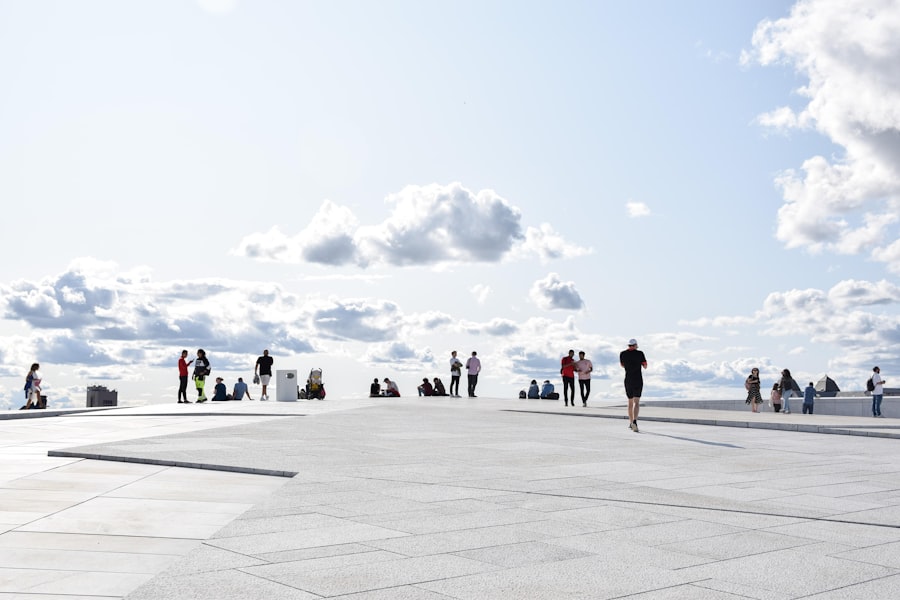
Ekebergparken Sculpture Park is one of Oslo’s most remarkable attractions, seamlessly blending art with nature. Nestled on a hillside overlooking the city and the fjord, this park features an impressive collection of sculptures by renowned artists such as Salvador Dalí and Damien Hirst. The park’s design encourages visitors to wander through its lush greenery while discovering thought-provoking artworks at every turn.
The juxtaposition of contemporary art against the backdrop of Oslo’s natural beauty creates a unique experience that captivates art enthusiasts and casual visitors alike. In addition to its artistic offerings, Ekebergparken provides stunning viewpoints that showcase the breathtaking vistas of the fjord and the city below. As one strolls through the park, there are numerous spots to pause and take in the panoramic views, making it an ideal location for photography or simply enjoying a moment of tranquillity.
The combination of art, nature, and stunning scenery makes Ekebergparken a must-visit destination for anyone seeking to experience the best that Oslo has to offer.
The Oslo Opera House
The Oslo Opera House is an architectural masterpiece that has become an iconic symbol of the city. Situated at the edge of the fjord, this modern structure resembles a glacier rising from the water, inviting visitors to explore its unique design. The building’s sloping roof allows guests to walk up and enjoy breathtaking views of both the fjord and the city skyline.
This accessibility has transformed the opera house into a popular gathering place for locals and tourists alike, who come to admire its striking architecture while soaking in the surrounding scenery. Inside, the Oslo Opera House boasts world-class facilities that host a variety of performances, from opera to ballet. The interior design is equally impressive, featuring elegant spaces that enhance the overall experience for audiences.
Attending a performance here is not just about enjoying exceptional artistry; it is also about being part of a cultural event set against one of Oslo’s most stunning backdrops. Whether you are an opera aficionado or simply curious about this architectural gem, visiting the Oslo Opera House is an unforgettable experience that showcases the city’s commitment to art and culture.
Akershus Fortress
| Viewpoint | Location | Elevation (m) | Distance from Oslo City Centre (km) | Best Time to Visit | Accessibility | Highlights |
|---|---|---|---|---|---|---|
| Holmenkollen | Oslo West | 371 | 8 | Spring to Autumn | Public transport and walking | Panoramic views of Oslo and the fjord, ski jump tower |
| Grefsenkollen | Oslo North | 377 | 7 | All year round | Car and hiking trails | 360-degree views, popular café |
| Vettakollen | Oslo West | 419 | 9 | Summer and Autumn | Hiking only | Quiet spot with views over the fjord and city |
| Bygdøy Peninsula | Oslo South-West | 50 | 5 | Summer | Walking and cycling | Coastal views, museums nearby |
| Hovedøya Island | Oslo Fjord | 30 | 3 (by ferry) | Summer | Ferry access | Seaside views, historic ruins |
Akershus Fortress stands as a testament to Oslo’s rich history and strategic importance. This medieval castle, built in the late 13th century, has witnessed centuries of change and development in Norway’s capital. Perched on a hill overlooking the fjord, Akershus offers visitors not only a glimpse into Norway’s past but also some of the most spectacular views of the surrounding area.
The fortress grounds are open to the public, allowing guests to explore its historic buildings and learn about its role in protecting Oslo throughout history. The fortress is not just a historical site; it also serves as a beautiful park where locals can relax and enjoy picnics while taking in views of the fjord. The combination of history and natural beauty makes Akershus Fortress an essential stop for anyone visiting Oslo.
Guided tours provide insight into its storied past, while self-guided exploration allows visitors to wander at their own pace. Whether you are interested in history or simply wish to enjoy a leisurely afternoon with stunning views, Akershus Fortress is an unmissable part of any Oslo itinerary.
Holmenkollen Ski Jump
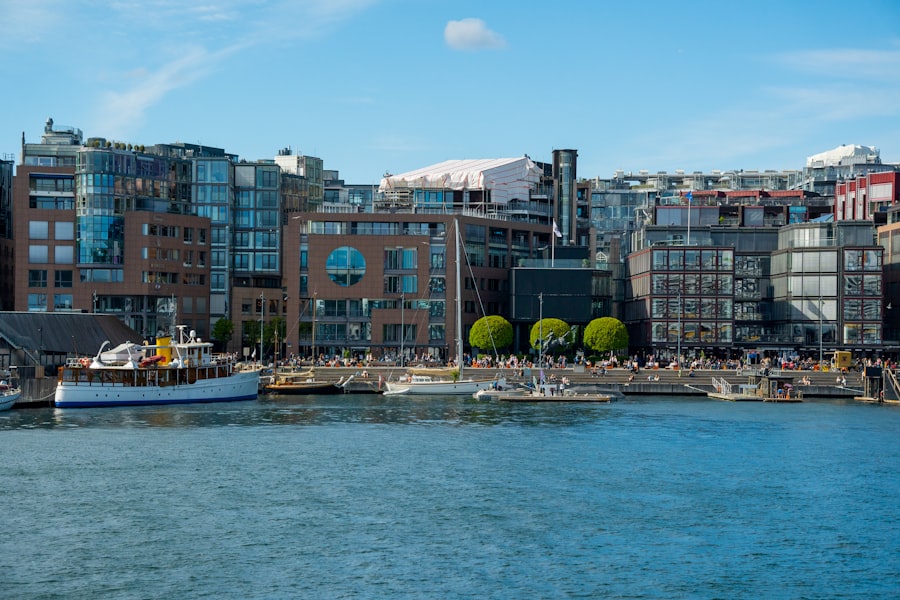
Holmenkollen Ski Jump is another iconic landmark that showcases Norway’s deep-rooted connection to winter sports. This impressive structure towers over Oslo and serves as both a ski jump and a museum dedicated to skiing history. Visitors can ascend to the top of the jump for unparalleled views of the city and fjord below, making it an exhilarating experience for those who dare to look down from such heights.
The ski jump itself is an engineering marvel, having hosted numerous international competitions over the years. The accompanying ski museum offers fascinating insights into Norway’s skiing heritage, showcasing everything from ancient skis to modern equipment. Interactive exhibits engage visitors of all ages, making it an educational experience as well as an adventurous one.
Holmenkollen Ski Jump is not only a testament to Norway’s sporting prowess but also an excellent viewpoint that allows guests to appreciate Oslo’s stunning landscape from above.
Hovedøya Island
Hovedøya Island is one of the many islands in the Oslo Fjord that beckons visitors with its natural beauty and historical significance. Just a short ferry ride from the city centre, this island offers a peaceful escape from urban life. With its sandy beaches, lush forests, and scenic walking paths, Hovedøya is perfect for picnics or leisurely strolls along the coastline.
The island’s tranquil atmosphere makes it an ideal spot for those looking to unwind while enjoying nature. In addition to its natural allure, Hovedøya is home to several historical ruins, including remnants of a 12th-century Cistercian monastery. Exploring these ruins adds an intriguing layer to your visit as you contemplate the island’s rich history while surrounded by stunning views of the fjord.
Whether you choose to relax on the beach or delve into Hovedøya’s past, this island offers a delightful blend of leisure and exploration that should not be missed during your time in Oslo.
Bygdøy Peninsula
Bygdøy Peninsula is often referred to as Oslo’s “museum peninsula,” housing several world-class museums that celebrate Norway’s maritime heritage and cultural history. Among these are the Viking Ship Museum, which showcases remarkably preserved Viking ships; the Fram Museum, dedicated to polar exploration; and the Norwegian Folk Museum, which features traditional Norwegian architecture and cultural exhibits. Each museum offers unique insights into Norway’s past and provides visitors with engaging experiences that highlight different aspects of Norwegian life.
Beyond its museums, Bygdøy Peninsula boasts beautiful beaches and scenic walking paths along the coastline. Visitors can enjoy leisurely strolls while taking in views of the fjord and surrounding islands. The combination of cultural enrichment and natural beauty makes Bygdøy an essential destination for anyone looking to experience both history and relaxation in Oslo.
The Royal Palace
The Royal Palace is another must-see landmark in Oslo that embodies Norway’s royal heritage. Situated at the end of Karl Johans gate, this grand building serves as the official residence of the Norwegian monarch. Visitors can explore parts of the palace during guided tours that provide insight into royal life and history while showcasing opulent rooms adorned with exquisite furnishings and artwork.
The palace grounds are equally impressive, featuring beautifully manicured gardens that invite leisurely strolls amidst vibrant flowers and lush greenery. The changing of the guard ceremony adds an element of spectacle to your visit, drawing crowds eager to witness this time-honoured tradition. Whether you are interested in royal history or simply wish to enjoy a picturesque setting in Oslo, the Royal Palace offers an enriching experience that captures Norway’s regal charm.
Tjuvholmen
Tjuvholmen is a vibrant waterfront district that has undergone significant transformation in recent years. Once an industrial area, it has now become a hub for contemporary art and culture, featuring galleries, restaurants, and modern architecture along its picturesque waterfront promenade. The Astrup Fearnley Museum of Modern Art stands out as a highlight in Tjuvholmen, showcasing innovative exhibitions by both Norwegian and international artists.
Visitors can enjoy leisurely walks along Tjuvholmen’s waterfront while taking in views of the fjord and surrounding islands. The combination of contemporary art with stunning natural scenery creates an inspiring atmosphere that encourages exploration and creativity. Tjuvholmen exemplifies Oslo’s commitment to embracing modernity while celebrating its maritime heritage—a perfect blend for those seeking both culture and relaxation.
Conclusion and Tips for Visiting the Best Viewpoints
In conclusion, exploring Oslo’s viewpoints offers an unparalleled opportunity to appreciate both its natural beauty and rich cultural heritage. From Ekebergparken Sculpture Park to Holmenkollen Ski Jump, each location provides unique perspectives on this vibrant city nestled within its stunning fjord landscape. As you plan your visit to these remarkable sites, consider timing your excursions during sunrise or sunset for truly breathtaking views bathed in golden light.
When visiting these viewpoints, be sure to wear comfortable shoes suitable for walking or hiking—many locations require some degree of exploration on foot. Additionally, bringing along a camera will allow you to capture unforgettable moments against some of Norway’s most picturesque backdrops. Finally, don’t hesitate to engage with locals or fellow travellers; sharing experiences can enhance your understanding of Oslo’s rich tapestry while creating lasting memories during your journey through this captivating city.
For those looking to deepen their connection with Norway during their visit, consider enrolling in Norwegian language courses at NLS Norwegian Language School in Oslo. Our interactive classes will help you build a solid foundation in Norwegian language skills so you can speak confidently and understand daily conversations by applying essential grammar principles—making your exploration even more enriching!