
Prepositions of place are fundamental elements of the English language, functioning as connectors that link nouns and pronouns to other words within sentences. They convey vital information regarding the position of objects, individuals or occurrences, thereby facilitating more precise communication. Comprehension of these prepositions is especially crucial for those arranging summer holidays, as they assist in expressing one’s location or intended destination.
Whether one is traversing a crowded metropolis, unwinding at the seaside, or discovering rural landscapes, prepositions of place will bolster your capacity to depict your environment and experiences. As we commence our summer excursions, the capability to accurately communicate our position becomes essential. Prepositions such as “in”, “on”, “at”, “under”, and “between” represent merely a few instances that can considerably enhance our dialogues.
By developing proficiency with these terms, holidaymakers can not only articulate their location but also interact more substantially with residents and fellow travellers. This article will examine the diverse prepositions of place that are particularly beneficial during summer travel, offering insights into their usage across various scenarios.
Summary
- Prepositions of place are essential for accurately describing locations and movements during summer travel.
- Basic prepositions like “in,” “on,” and “at” help specify places such as beaches, hotels, and landmarks.
- Movement-related prepositions such as “to,” “from,” and “across” are useful for explaining travel routes and directions.
- Different prepositions are used to talk about various accommodations, outdoor activities, and water-based experiences.
- Mastering prepositions enhances communication when discussing shopping, dining, and exploring tourist attractions.
Basic Prepositions for Summer Travel
When preparing for summer travel, it is vital to familiarise oneself with basic prepositions that will frequently arise in conversation. The most common prepositions of place include “in,” “on,” and “at.” Each of these prepositions serves a distinct purpose and can be used in various scenarios. For instance, “in” is typically used to denote being inside a space, such as “in the hotel” or “in the park.” This preposition conveys a sense of enclosure and is often employed when discussing locations that are bounded by walls or natural features.
Conversely, “on” is used to indicate a surface or a position atop something. For example, one might say, “on the beach” or “on the bus.” This preposition suggests contact with a surface and is particularly useful when describing activities that take place on top of something else. Lastly, “at” is often used to refer to specific points or locations, such as “at the airport” or “at the restaurant.” This preposition is versatile and can be applied in various contexts, making it an essential tool for any traveller. Secure your spot: Enroll in our Norwegian summer courses in Oslo today!
Using Prepositions to Describe Locations

Describing locations accurately is crucial for effective communication while travelling. Prepositions of place allow us to provide detailed information about where we are or where we want to go. For instance, one might say, “The museum is located near the river,” using “near” as a preposition to indicate proximity.
This type of description not only informs others about the location but also helps them understand its relation to other landmarks or features in the area. Additionally, prepositions can be combined with adjectives to create more vivid descriptions. For example, one could say, “The café is situated on a quiet street,” which paints a picture of a serene environment.
By employing prepositions in this manner, travellers can enhance their storytelling and provide richer context for their experiences. Whether discussing a bustling market or a tranquil park, the ability to use prepositions effectively will undoubtedly improve one’s travel conversations.
Describing Movement with Prepositions
In addition to describing static locations, prepositions also play a vital role in conveying movement. When discussing travel plans or activities, it is essential to articulate how one moves from one place to another. Prepositions such as “to,” “from,” “through,” and “across” are instrumental in this regard.
For instance, one might say, “I am travelling to Paris” or “We walked through the forest.” These prepositions help clarify the direction and nature of movement. Moreover, understanding how to use these prepositions correctly can enhance one’s ability to navigate unfamiliar environments. For example, if someone asks for directions, knowing how to respond with phrases like “go across the bridge” or “walk along the river” can make all the difference in ensuring that you reach your destination smoothly.
By mastering movement-related prepositions, travellers can confidently explore new places and engage with locals more effectively.
Prepositions for Different Types of Accommodation
| Preposition | Example Sentence | Meaning | Related Summer Travel Vocabulary |
|---|---|---|---|
| in | Vi bor in a cabin by the fjord. | Inside a space or area | cabin, fjord, city |
| on | The picnic is on the beach. | Positioned on a surface | beach, boat, island |
| at | We will meet at the train station. | Specific point or place | train station, airport, hotel |
| under | The backpack is under the seat. | Below something | seat, table, bridge |
| next to | The café is next to the museum. | Beside or adjacent to | café, museum, shop |
| between | The hotel is between the park and the beach. | In the middle of two things | hotel, park, beach |
When travelling during the summer months, accommodation choices abound, from hotels and hostels to campsites and holiday rentals. Each type of accommodation may require specific prepositions to describe its location accurately. For instance, one might say, “I stayed at a hotel in the city centre,” using “at” to indicate the type of accommodation and “in” to specify its location within the city.
Furthermore, when discussing shared accommodations like hostels or guesthouses, it is common to use phrases such as “in a dormitory” or “in a private room.” These prepositions help clarify the nature of one’s stay and provide context for others who may be considering similar options. By utilising appropriate prepositions when discussing accommodation, travellers can share their experiences more effectively and assist others in making informed decisions about where to stay.
Using Prepositions to Talk About Directions
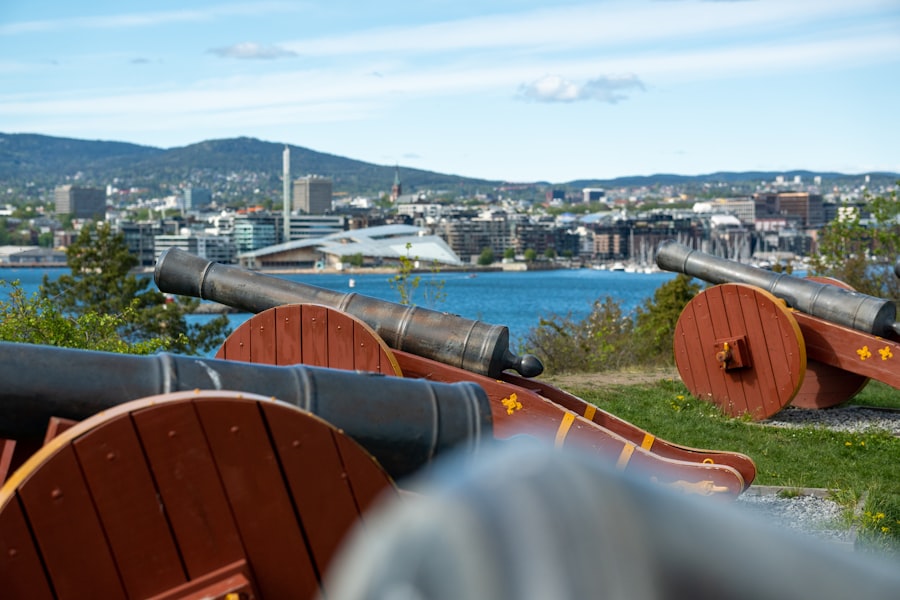
Navigating new cities and towns often requires asking for directions or providing guidance to others. In these situations, prepositions become invaluable tools for conveying precise information. Commonly used prepositions in this context include “left,” “right,” “straight,” and “around.” For example, one might say, “Turn left at the traffic lights” or “Go straight until you reach the roundabout.” These instructions rely heavily on prepositions to guide individuals along their intended path.
Additionally, combining prepositions with landmarks can further enhance clarity when giving directions. Phrases like “next to the library” or “behind the supermarket” provide specific reference points that make it easier for someone to understand where they need to go. By mastering directional prepositions, travellers can navigate unfamiliar areas with confidence and assist others in finding their way as well.
Describing Landmarks and Tourist Attractions
Landmarks and tourist attractions are often focal points during summer travel, and being able to describe them accurately is essential for sharing experiences with others. Prepositions of place play a significant role in this process by helping convey the relationship between landmarks and their surroundings. For instance, one might say, “The Eiffel Tower is located in Paris,” using “in” to indicate its city location.
Moreover, when discussing specific features of landmarks or attractions, prepositions can help paint a vivid picture. For example, one could say, “The statue stands on top of a hill,” which not only describes the statue’s position but also adds an element of imagery that enhances the listener’s understanding. By effectively using prepositions when discussing landmarks and attractions, travellers can share their experiences more engagingly and informatively.
Prepositions for Beach and Water Activities
Summer often brings thoughts of sun-soaked beaches and refreshing water activities. When discussing these experiences, specific prepositions come into play that are tailored to aquatic environments. For instance, one might say, “I swam in the ocean” or “We lounged on the sand.” Here, “in” denotes being surrounded by water while “on” indicates contact with a surface—both essential for describing beach activities accurately.
Additionally, when discussing water sports or activities like kayaking or sailing, prepositions such as “on” and “in” are equally important. One might say, “We went sailing on the lake” or “I paddled in my kayak.” These phrases not only convey what activities were undertaken but also provide context about where they took place. By utilising appropriate prepositions for beach and water activities, travellers can share their summer adventures more vividly.
Using Prepositions to Discuss Outdoor Activities
Summer is synonymous with outdoor adventures—hiking through lush forests, cycling along scenic routes, or picnicking in parks. When discussing these activities, prepositions play a crucial role in conveying details about locations and movements. For example, one might say, “We hiked up the mountain” or “I cycled along the riverbank.” Here, prepositions like “up” and “along” help describe both direction and proximity.
Moreover, when sharing experiences related to outdoor activities with friends or family back home, using descriptive prepositions can enhance storytelling. Phrases such as “We set up our picnic under a shady tree” or “I spotted wildlife in the national park” provide vivid imagery that transports listeners into those moments. By mastering outdoor-related prepositions, travellers can effectively communicate their adventures and inspire others to explore nature.
Prepositions for Shopping and Dining
Shopping and dining are integral parts of many summer travel experiences. When discussing these activities with others or seeking recommendations from locals, using appropriate prepositions can make conversations more fluid and informative. For instance, one might say, “I bought souvenirs at the market” or “We dined at a lovely restaurant.” Here, “at” indicates specific locations where these activities took place.
Additionally, when describing types of cuisine or shopping experiences, combining prepositions with adjectives can create engaging narratives. Phrases like “I found unique crafts in a quaint shop” or “We enjoyed delicious seafood by the waterfront” not only convey information but also evoke sensory experiences that resonate with listeners. By utilising relevant prepositions when discussing shopping and dining experiences, travellers can share their culinary adventures more effectively.
Conclusion and Recap of Prepositions for Summer Travel
In conclusion, mastering prepositions of place is essential for anyone embarking on summer travel adventures. These linguistic tools enable clearer communication about locations, movements, accommodations, directions, landmarks, outdoor activities, and dining experiences. By understanding how to use basic prepositions such as “in,” “on,” “at,” “to,” “from,” “through,” and “across,” travellers can navigate new environments with confidence while engaging meaningfully with locals and fellow adventurers alike.
As we have explored throughout this article, effective use of prepositions enhances storytelling and allows for richer descriptions of our experiences during summer travels. Whether lounging on a beach or hiking through scenic landscapes, being able to articulate our surroundings accurately will undoubtedly enrich our journeys and create lasting memories worth sharing with others. So as you prepare for your next summer adventure, remember the power of prepositions—they are your key to unlocking new experiences!