
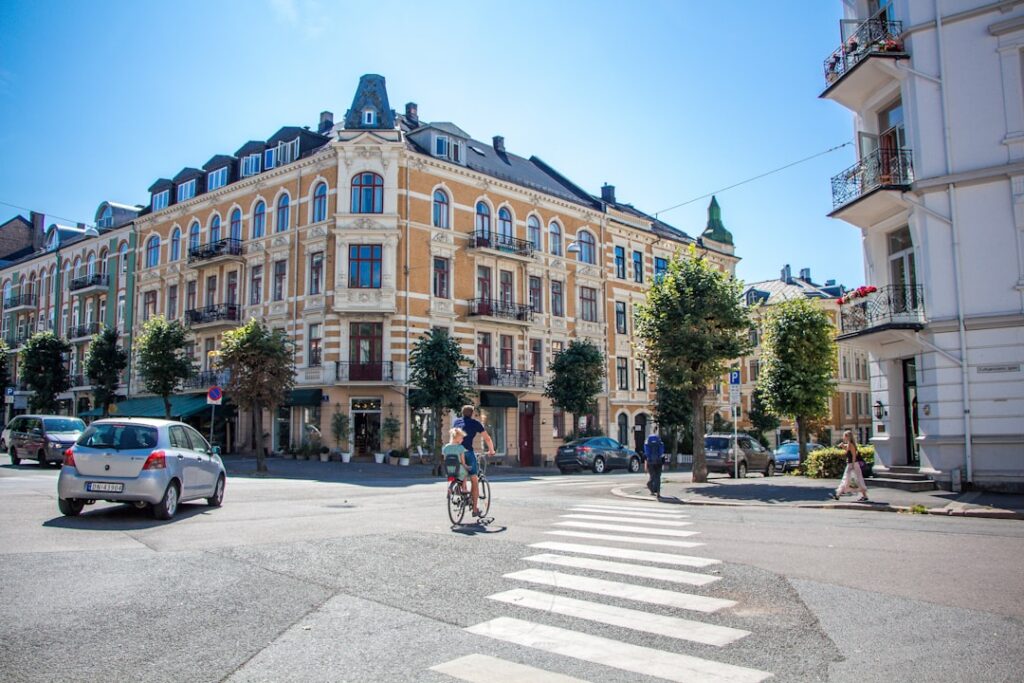
The Oslo Fjord, a remarkable natural feature, lies at the core of Norway. Extending approximately 100 kilometres from Oslo to the Skagerrak strait, this fjord is notable for its impressive landscapes, featuring numerous islands and coastal settlements. The fjord’s distinctive topography, with its steep cliffs and verdant vegetation, establishes a peaceful setting that draws both residents and visitors.
As one of Norway’s most frequented locations, the Oslo Fjord combines natural splendour with cultural significance, offering an excellent destination for discovery and leisure. Those who visit the Oslo Fjord are frequently impressed by its calm waters and diverse recreational possibilities. The fjord accommodates numerous activities, including sailing, kayaking, walking and cycling.
The islands within the fjord, each possessing unique characteristics, invite travellers to explore their distinctive features. Whether one seeks a quiet holiday or an energetic excursion, the Oslo Fjord delivers a memorable experience that highlights Norway’s natural beauty.
Summary
- Oslo Fjord offers a stunning mix of natural beauty, cultural sites, and charming islands to explore.
- Multiple transportation options, including ferries and boats, make island hopping accessible and convenient.
- Key islands feature unique attractions, from historical museums to outdoor activities like hiking and kayaking.
- Local cuisine highlights fresh seafood and traditional Norwegian dishes, with plenty of cosy eateries.
- Practical advice on packing, safety, and etiquette ensures a smooth and enjoyable island hopping experience.
How to Get Around: Transportation Options
Navigating the Oslo Fjord is a breeze, thanks to the well-developed transportation network that connects the mainland with its enchanting islands. The most popular mode of transport is the ferry service, which operates regularly from Oslo to various islands in the fjord. These ferries offer a scenic journey across the water, allowing passengers to soak in the stunning views of the coastline and surrounding landscapes.
With multiple routes available, visitors can easily hop from one island to another, making it an ideal way to explore the region. In addition to ferries, there are also options for private boat rentals and guided tours that provide a more personalised experience. For those who prefer to stay on land, public transport in Oslo is efficient and reliable, with buses and trams connecting the city to various points along the fjord.
Cycling is another popular choice, as many of the islands have well-maintained bike paths that allow for leisurely exploration. Regardless of your preferred mode of transport, getting around the Oslo Fjord is both convenient and enjoyable. Secure your spot: Enroll in our Norwegian summer courses in Oslo today!
Must-Visit Islands: Top Destinations in Oslo Fjord
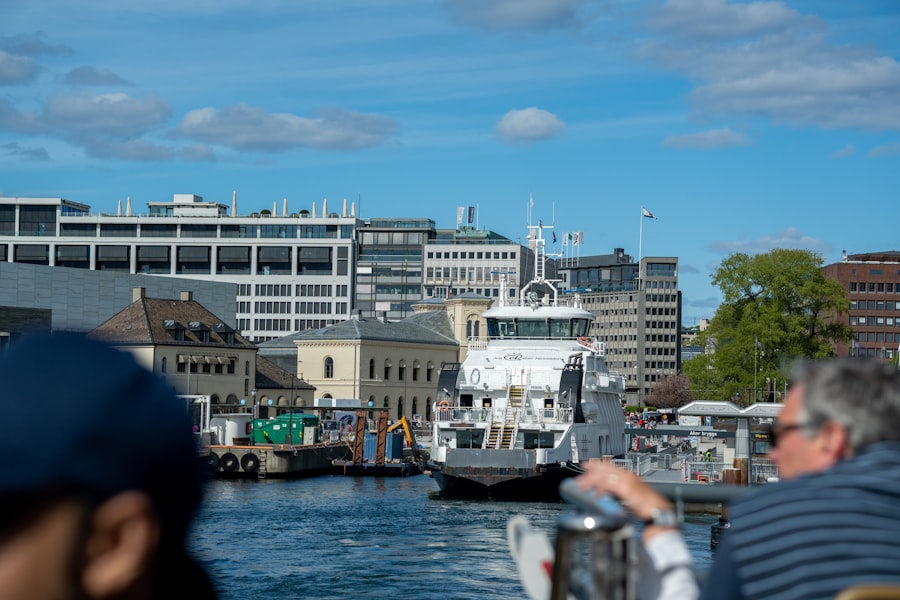
The Oslo Fjord is home to numerous islands, each offering its own unique charm and attractions. One of the most popular destinations is Hovedøya, known for its beautiful beaches and historical ruins. This island is easily accessible by ferry from Oslo and features a stunning monastery dating back to the 12th century.
Visitors can wander through the lush greenery, relax on the sandy shores, or explore the remnants of the old monastery while enjoying panoramic views of the fjord. Another must-visit island is Bygdøy, often referred to as the “Museum Peninsula.” This island boasts several world-class museums, including the Viking Ship Museum and the Norwegian Folk Museum. Bygdøy is not only rich in history but also offers lovely beaches and scenic walking paths along the coastline.
For those seeking a more tranquil experience, Langøyene is an excellent choice. This island features expansive green spaces and secluded beaches, perfect for picnicking or simply unwinding amidst nature.
Activities and Attractions: What to Do on the Islands
The islands of the Oslo Fjord are brimming with activities that cater to a variety of interests. For outdoor enthusiasts, hiking trails abound, offering stunning vistas of the fjord and surrounding landscapes. On Hovedøya, visitors can embark on a leisurely hike that leads to breathtaking viewpoints overlooking the water.
Kayaking is another popular activity, allowing adventurers to paddle through the calm waters while exploring hidden coves and beaches. Cultural experiences are also plentiful on these islands. Bygdøy’s museums provide an opportunity to delve into Norway’s rich maritime history and cultural heritage.
The Viking Ship Museum showcases remarkably preserved Viking ships, while the Norwegian Folk Museum offers insights into traditional Norwegian life through its open-air exhibits. Additionally, many islands host seasonal events and festivals that celebrate local culture, providing visitors with a chance to engage with the community and experience authentic Norwegian traditions.
Local Cuisine: Where to Eat and Drink
| Island | Distance from Oslo (km) | Travel Time by Ferry (minutes) | Language Practice Opportunities | Key Attractions | Recommended Visit Duration (hours) |
|---|---|---|---|---|---|
| Hovedøya | 1.5 | 15 | Beginner to Intermediate | Monastery Ruins, Beaches, Nature Trails | 3 |
| Gressholmen | 2.0 | 20 | Intermediate | Wildlife Watching, Picnic Areas | 2 |
| Lindøya | 2.5 | 25 | Intermediate to Advanced | Small Villages, Local Cafés | 3 |
| Langøyene | 3.0 | 30 | Beginner | Beaches, Barbecue Spots | 4 |
| Bleikøya | 3.5 | 35 | Advanced | Hiking Trails, Quiet Nature | 3 |
No visit to the Oslo Fjord would be complete without indulging in its culinary delights. The islands offer a range of dining options that highlight local ingredients and traditional Norwegian cuisine. On Bygdøy, visitors can enjoy fresh seafood at waterfront restaurants that boast stunning views of the fjord.
Dishes such as grilled salmon and fish soup are popular choices, showcasing Norway’s rich maritime heritage. For a more casual dining experience, many islands have charming cafés where visitors can savour traditional pastries and coffee while soaking in the serene atmosphere. Hovedøya features picnic areas where you can bring your own food or purchase snacks from local vendors.
Additionally, some islands host farmers’ markets during the summer months, providing an opportunity to sample locally produced goods and artisanal products.
Cultural Experiences: Museums and Historical Sites
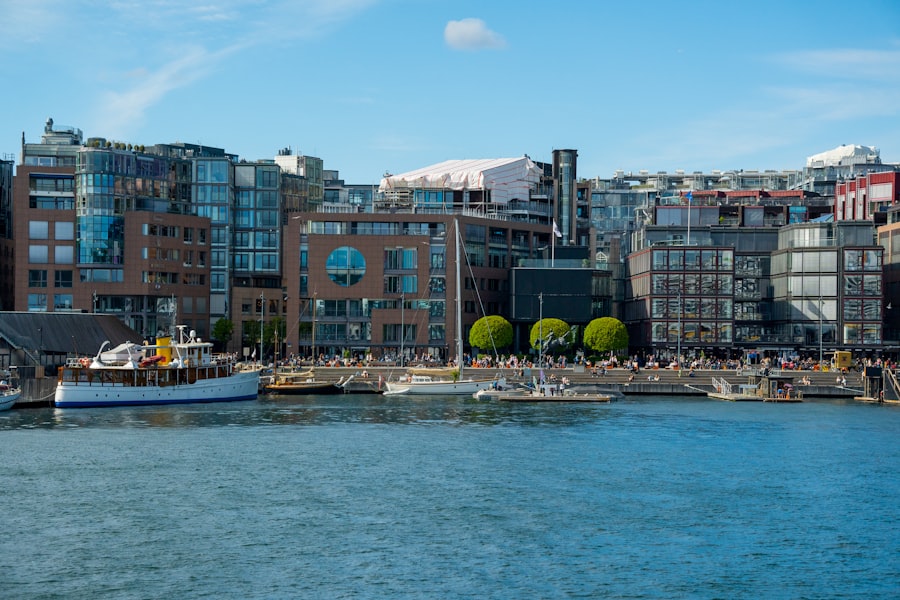
The cultural landscape of the Oslo Fjord is as diverse as its natural beauty. Bygdøy stands out as a cultural hub with its array of museums that cater to history buffs and art enthusiasts alike. The Fram Museum offers an engaging look at Norway’s polar exploration history, while the Kon-Tiki Museum showcases Thor Heyerdahl’s famous expeditions across the Pacific Ocean.
Each museum provides a unique perspective on Norway’s maritime heritage and adventurous spirit. Beyond museums, historical sites abound throughout the fjord. The remnants of ancient fortifications can be found on several islands, including Akershus Fortress in Oslo itself.
This medieval castle offers guided tours that delve into Norway’s history while providing stunning views of the harbour. Exploring these sites allows visitors to connect with Norway’s past while appreciating its architectural beauty.
Wildlife and Nature: Exploring the Natural Beauty of Oslo Fjord
The Oslo Fjord is not only a haven for human exploration but also a sanctuary for diverse wildlife. Birdwatchers will delight in spotting various species that inhabit the islands and coastal areas. From majestic sea eagles soaring overhead to playful seals basking on rocky shores, nature enthusiasts will find plenty to marvel at during their visit.
The fjord’s rich marine life also includes schools of fish and vibrant underwater ecosystems that can be explored through diving or snorkelling excursions. Nature lovers will appreciate the lush landscapes that characterise many of the islands. Hiking trails wind through forests filled with native flora, offering opportunities for peaceful walks amidst nature’s beauty.
The changing seasons bring different colours and experiences; summer blooms with vibrant wildflowers while autumn showcases a tapestry of warm hues. Whether you’re hiking along scenic paths or simply enjoying a quiet moment by the water’s edge, the natural beauty of Oslo Fjord is sure to leave a lasting impression.
Accommodation Options: Where to Stay on the Islands
When it comes to accommodation in the Oslo Fjord, visitors have a variety of options to suit their preferences and budgets. Many islands offer charming guesthouses and cabins that provide a cosy retreat after a day of exploration. These accommodations often feature stunning views of the fjord and easy access to nearby attractions.
For those seeking more luxurious options, several hotels on Bygdøy offer upscale amenities and fine dining experiences. Staying on one of these islands allows guests to immerse themselves in nature while enjoying modern comforts. Additionally, camping is a popular choice for adventurous travellers looking to connect with nature more intimately; several islands have designated camping areas where visitors can pitch tents amidst beautiful surroundings.
Practical Tips: What to Pack and How to Prepare
Preparing for an adventure in the Oslo Fjord requires some thoughtful planning to ensure a smooth experience. First and foremost, it’s essential to pack appropriate clothing for varying weather conditions; layers are key as temperatures can fluctuate throughout the day. Comfortable walking shoes are also a must for exploring hiking trails and wandering through charming villages.
Don’t forget essentials such as sunscreen, insect repellent, and reusable water bottles to stay hydrated during outdoor activities. If you plan on engaging in water sports like kayaking or swimming, consider bringing swimwear and quick-drying towels. Lastly, having a camera or smartphone handy will allow you to capture unforgettable moments against the backdrop of this stunning landscape.
Safety and Etiquette: Important Considerations for Island Hopping
While exploring the Oslo Fjord’s islands is generally safe, it’s important to be mindful of local etiquette and safety guidelines. When using public transport or ferries, be respectful of fellow passengers by keeping noise levels down and following any posted rules or regulations. Additionally, when hiking or enjoying nature, stick to marked trails to protect fragile ecosystems.
If you plan on swimming or engaging in water activities, always be aware of local conditions such as currents or tides. It’s advisable to check weather forecasts before heading out for outdoor adventures. Lastly, embracing Norwegian customs—such as greeting locals with a friendly smile—will enhance your experience and foster positive interactions during your island-hopping journey.
Making the Most of Your Island Hopping Adventure
The Oslo Fjord offers an unparalleled opportunity for adventure seekers and nature lovers alike. With its stunning landscapes, rich cultural experiences, delectable cuisine, and diverse wildlife, this region promises an unforgettable getaway filled with exploration and discovery. By taking advantage of convenient transportation options and immersing yourself in local culture, you can create lasting memories while traversing this beautiful fjord.
As you embark on your island-hopping adventure in Oslo Fjord, remember to embrace spontaneity—allow yourself time to wander off-the-beaten-path and uncover hidden gems along your journey. Whether you’re hiking through lush forests or savouring fresh seafood by the water’s edge, each moment spent in this breathtaking region will leave you with cherished memories that will last long after your visit has ended.