

Outdoor learning has gained significant recognition in recent years, and for good reason. Engaging with nature not only provides a refreshing change of scenery but also fosters a unique environment conducive to learning. One of the primary benefits of outdoor learning is the enhancement of pupils’ physical and mental well-being.
Research has shown that spending time outdoors can reduce stress, improve mood, and increase overall happiness. This is particularly important in educational settings, where pupils often face pressures that can hinder their ability to absorb information effectively. By stepping outside the traditional classroom, learners can experience a sense of freedom and creativity that is often stifled within four walls.
Moreover, outdoor learning encourages active participation and collaboration among pupils. When lessons are conducted in natural settings, pupils are more likely to engage with their peers and participate in group activities. This collaborative spirit not only strengthens social bonds but also enhances communication skills, which are essential in any learning environment.
The dynamic nature of outdoor classes allows for hands-on experiences that can lead to deeper understanding and retention of knowledge. In essence, outdoor learning transforms the educational experience into an interactive adventure, making it more enjoyable and memorable for pupils.
Summary
- Outdoor learning boosts student engagement and enhances language acquisition.
- The Norwegian Language School integrates nature-based activities to enrich language classes.
- Nature provides a stimulating environment that supports cognitive and emotional development.
- Overcoming logistical challenges is key to successful outdoor education implementation.
- The school’s success stories highlight the positive impact and growing importance of outdoor classes.
The Norwegian Language School’s Approach to Outdoor Classes
At the Norwegian Language School (NLS), the commitment to innovative teaching methods is evident in their approach to outdoor classes. Recognising the myriad benefits of learning in natural environments, NLS has integrated outdoor activities into their curriculum, particularly during the summer months when the weather is most conducive to exploration. The school’s philosophy revolves around creating a holistic learning experience that combines language acquisition with cultural immersion and personal growth.
By taking lessons outside, students are not only learning Norwegian but also experiencing the rich cultural tapestry of Norway firsthand. The outdoor classes at NLS are designed to be both structured and flexible, catering to the diverse needs of learners at various proficiency levels. Whether students are complete beginners or more advanced speakers, the school offers tailored activities that promote language use in real-life contexts.
From guided nature walks where students can practice vocabulary related to flora and fauna, to interactive games that encourage conversation, NLS ensures that every outdoor lesson is both educational and enjoyable. This approach not only reinforces language skills but also fosters a sense of community among learners as they share experiences and learn from one another. Secure your spot: Enroll in our Norwegian summer courses in Oslo today!
How Outdoor Classes Enhance Language Learning
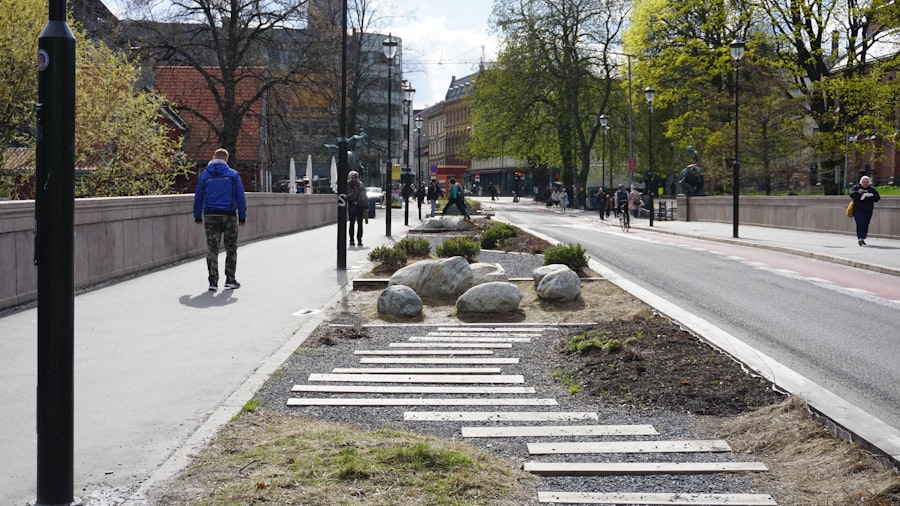
The integration of outdoor classes into language learning significantly enhances the overall educational experience. One of the key advantages is the opportunity for immersive learning. When students are surrounded by the sights and sounds of nature, they are more likely to engage with the language in a meaningful way.
For instance, describing a beautiful landscape or discussing weather patterns becomes more relevant when students are experiencing these phenomena firsthand. This contextual learning helps solidify vocabulary and grammar structures, making them easier to recall in future conversations. Additionally, outdoor classes promote experiential learning, which is crucial for language acquisition.
By participating in activities such as scavenger hunts or storytelling sessions in parks, students are encouraged to use their language skills actively rather than passively absorbing information. This active engagement not only boosts confidence but also allows learners to experiment with language in a supportive environment. The informal setting of outdoor classes often leads to reduced anxiety, enabling students to take risks with their language use without the fear of making mistakes in front of their peers.
The Role of Nature in Education
Nature plays a pivotal role in education, serving as both a backdrop and a catalyst for learning. The natural world offers an endless array of stimuli that can inspire curiosity and creativity among students. By incorporating nature into educational practices, educators can tap into this innate curiosity, encouraging learners to explore and ask questions about their surroundings.
This exploration fosters critical thinking skills as students analyse their environment and draw connections between their observations and academic concepts. Furthermore, nature provides a rich context for interdisciplinary learning. Outdoor classes can seamlessly integrate subjects such as science, geography, and art with language studies.
For example, while learning Norwegian vocabulary related to environmental conservation, students can also discuss ecological issues or engage in artistic activities inspired by their surroundings. This holistic approach not only enriches the language learning experience but also cultivates a sense of responsibility towards the environment, instilling values that extend beyond the classroom.
Overcoming Challenges of Outdoor Learning
| Metric | Value | Notes |
|---|---|---|
| Number of Outdoor Classes per Week | 3 | Held every Monday, Wednesday, and Friday |
| Average Class Size | 15 students | Small groups to encourage interaction |
| Duration of Each Class | 90 minutes | Includes language practice and outdoor activities |
| Number of Parks Used | 2 | Mainly Frogner Park and St. Hanshaugen Park |
| Percentage of Practical Language Use | 70% | Focus on conversational Norwegian in real-life settings |
| Student Satisfaction Rate | 92% | Based on end-of-term surveys |
| Number of Instructors | 4 | Certified Norwegian language teachers |
| Seasonal Operation Months | April to September | Classes held outdoors during warmer months |
While outdoor learning presents numerous benefits, it is not without its challenges. One significant hurdle is the unpredictability of weather conditions. Rain or extreme temperatures can disrupt planned activities and may deter some educators from taking lessons outside.
However, with proper planning and flexibility, these challenges can be mitigated. Educators at NLS are trained to adapt their lessons based on weather forecasts and have contingency plans in place to ensure that outdoor classes can continue regardless of conditions. Another challenge lies in ensuring that all students feel comfortable and safe during outdoor activities.
Some learners may have physical limitations or anxiety about being outside in unfamiliar settings. To address this, NLS prioritises inclusivity by designing activities that cater to diverse needs and abilities. By fostering an environment where all students feel supported and valued, NLS ensures that outdoor learning remains accessible and enjoyable for everyone.
The Impact of Outdoor Classes on Student Engagement

The impact of outdoor classes on student engagement cannot be overstated. When students are given the opportunity to learn in dynamic environments, they often exhibit increased enthusiasm and motivation. The novelty of outdoor settings stimulates interest and curiosity, making lessons feel less like traditional schooling and more like an adventure.
This heightened engagement translates into improved participation rates and a greater willingness to contribute to discussions. Moreover, outdoor classes encourage students to take ownership of their learning experiences. By actively participating in hands-on activities and collaborating with peers, learners develop a sense of agency that fosters intrinsic motivation.
This empowerment is particularly important in language learning, where confidence plays a crucial role in communication skills development. As students become more engaged in their outdoor classes, they are more likely to embrace challenges and persist in their language studies.
The Importance of Outdoor Education in Today’s Society
In today’s fast-paced digital world, the importance of outdoor education cannot be overlooked. With increasing screen time and urbanisation, many young people are becoming disconnected from nature. Outdoor education serves as a vital counterbalance to this trend by promoting physical activity, environmental awareness, and social interaction.
As society grapples with issues such as climate change and mental health crises, fostering a connection with nature through education becomes increasingly essential. Furthermore, outdoor education cultivates essential life skills that extend beyond academic knowledge. Skills such as teamwork, problem-solving, and adaptability are developed through collaborative outdoor activities.
These competencies are invaluable in today’s workforce, where employers seek individuals who can navigate complex challenges and work effectively within diverse teams. By prioritising outdoor education, institutions like NLS are preparing students not only for language proficiency but also for success in an ever-evolving world.
Tips for Implementing Outdoor Classes in Language Learning
Implementing outdoor classes in language learning requires thoughtful planning and creativity. One effective strategy is to incorporate local cultural elements into lessons. For instance, educators can organise field trips to historical sites or cultural landmarks where students can practice their language skills while immersing themselves in Norwegian culture.
This approach not only reinforces language acquisition but also deepens cultural understanding. Another tip is to utilise technology to enhance outdoor learning experiences. Mobile applications can provide interactive language exercises or guided tours that encourage exploration while practising vocabulary on-the-go.
Additionally, educators should foster a sense of community among students by encouraging collaboration during outdoor activities. Group projects or team challenges can promote teamwork while allowing learners to practise their language skills in a supportive environment.
The Norwegian Language School’s Success Stories with Outdoor Classes
The Norwegian Language School has witnessed numerous success stories stemming from its commitment to outdoor classes. Many students have reported significant improvements in their language proficiency after participating in these immersive experiences. For instance, one student shared how a nature walk led to spontaneous conversations with classmates about local wildlife, which not only expanded their vocabulary but also strengthened friendships within the group.
Additionally, NLS has received positive feedback from parents who have observed increased enthusiasm for language learning at home following outdoor classes. Students often return from these experiences eager to share what they have learned about both the language and the environment around them. These success stories highlight the transformative power of outdoor education in fostering not only linguistic skills but also personal growth and social connections.
The Future of Outdoor Education at the Norwegian Language School
Looking ahead, the future of outdoor education at the Norwegian Language School appears promising. As awareness of the benefits of experiential learning continues to grow, NLS is committed to expanding its outdoor offerings further. Plans are underway to develop new partnerships with local organisations that focus on environmental education and cultural heritage, allowing for even richer learning experiences for students.
Moreover, NLS aims to incorporate feedback from students and educators alike to continually refine its outdoor curriculum. By staying attuned to the needs and interests of learners, the school can ensure that its outdoor classes remain relevant and engaging. As NLS embraces innovation in education, it is poised to lead the way in promoting outdoor learning as an integral component of language acquisition.
How to Enrol in Outdoor Classes at the Norwegian Language School
Enrolling in outdoor classes at the Norwegian Language School is a straightforward process designed to accommodate prospective learners from around the globe. Interested individuals can visit the school’s website for detailed information about course offerings, schedules, and pricing options tailored specifically for summer sessions. The user-friendly interface allows potential students to easily navigate through various levels from A0 to C1.
Once individuals have selected their desired course level and schedule, they can complete the online registration form with necessary details such as personal information and preferred payment methods. NLS staff members are readily available to assist with any queries or concerns throughout the enrolment process, ensuring a smooth transition into this enriching educational experience. With a commitment to fostering language proficiency through innovative methods like outdoor classes, NLS welcomes learners eager to embark on their journey towards mastering Norwegian amidst Norway’s stunning natural landscapes.