
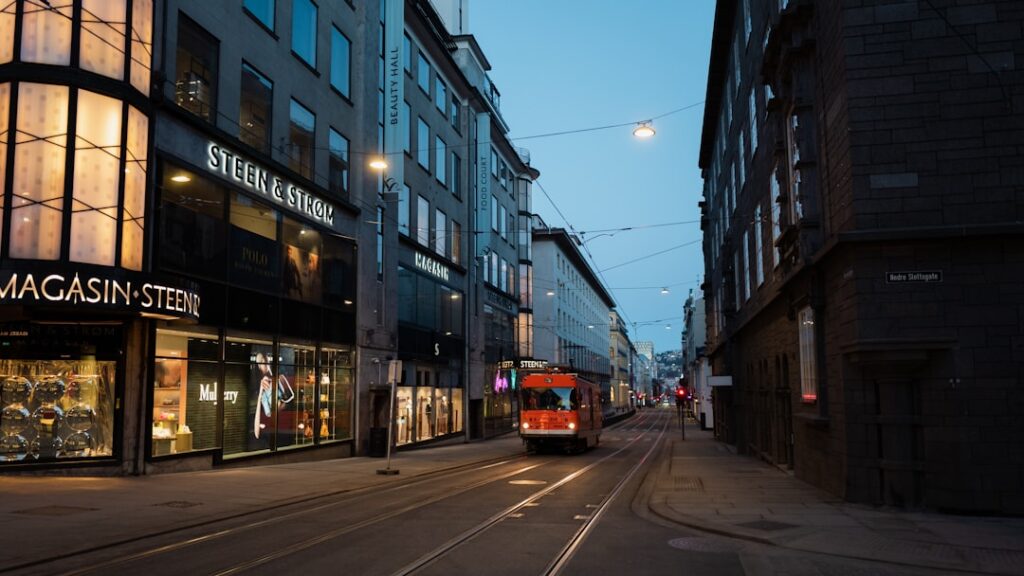
The Norwegian language, a member of the North Germanic branch of the Indo-European language family, is spoken by approximately five million people, primarily in Norway. It possesses two official written forms: Bokmål and Nynorsk, each reflecting different historical and cultural influences within the country. Bokmål, which is more widely utilised, has roots in Danish, whilst Nynorsk was developed in the 19th century as a means to promote a distinctly Norwegian identity.
The language serves not only as a means of communication but also as a vessel for Norway’s rich cultural heritage, encompassing its literature, folklore, and traditions. Learning Norwegian can be a rewarding experience, offering insights into the distinctive lifestyle and values of the Norwegian people. The language is characterised by its melodic quality and relatively straightforward pronunciation, making it accessible for learners.
As Norway continues to be a popular destination for tourists and expatriates alike, mastering the language can significantly enhance one’s experience in the country. Whether for personal enrichment, professional opportunities, or social integration, acquiring proficiency in Norwegian provides access to understanding the nuances of this fascinating culture.
Summary
- Norwegian language learning can be engaging and accessible for children with the right resources.
- Incorporating fun activities and cultural immersion enhances language practice and retention.
- Understanding the Norwegian school system aids smoother integration for young learners.
- Effective communication with local children supports social development and language skills.
- Utilising language support services and encouragement helps overcome barriers in multilingual settings.
Language Learning Resources for Kids
When it comes to teaching children Norwegian, a plethora of resources are available to make the learning process engaging and effective. From interactive apps to colourful storybooks, these tools cater to various learning styles and preferences. For instance, apps like Duolingo and Babbel offer gamified lessons that keep children motivated while they learn vocabulary and grammar.
Additionally, websites such as Memrise provide flashcards and quizzes that can help reinforce language skills in a fun and interactive manner. Incorporating multimedia resources can also enhance language acquisition for young learners. Norwegian children’s television shows and animated films can immerse kids in the language while entertaining them.
Shows like “Pippi Longstocking” or “Karius and Baktus” not only introduce children to Norwegian vocabulary but also familiarise them with cultural references and idiomatic expressions. Furthermore, local libraries often have a selection of Norwegian books and audiobooks that can be borrowed, providing an excellent opportunity for children to explore stories in their new language. Secure your spot: Register for Norwegian spring courses in Oslo.
Fun Ways to Practice Norwegian

Practising Norwegian doesn’t have to be a mundane task; there are numerous enjoyable ways to incorporate the language into daily life. One effective method is through games that encourage language use in a playful context. Board games like Scrabble or Pictionary can be adapted to include Norwegian vocabulary, making them both educational and entertaining.
Additionally, online platforms such as Quizlet allow users to create custom flashcard sets that can be turned into competitive games with friends or family. Another engaging way to practice is through music. Listening to Norwegian songs or singing along with lyrics can significantly improve pronunciation and comprehension skills.
Artists like A-ha or contemporary pop stars such as Astrid S provide catchy tunes that resonate with younger audiences. Moreover, karaoke sessions featuring Norwegian songs can turn language practice into a lively social event, fostering a sense of community among learners.
Cultural Immersion Activities
Cultural immersion is an essential aspect of language learning, as it allows students to experience the language in its natural context. Participating in local events or festivals can provide invaluable opportunities to engage with native speakers while enjoying traditional customs. For instance, celebrating Norway’s Constitution Day on May 17th offers a chance to witness parades, folk dances, and traditional costumes while practising conversational skills with locals.
Additionally, cooking classes focusing on Norwegian cuisine can serve as both a cultural and linguistic experience. Learning how to prepare dishes like lutefisk or raspeballer not only introduces learners to culinary vocabulary but also fosters discussions about food traditions and regional variations within Norway. Such activities create a holistic learning environment where language acquisition is intertwined with cultural appreciation.
Understanding Norwegian Schools
| Age Group | Recommended Language Learning Approach | Average Time to Basic Proficiency | Common Challenges | Support Resources |
|---|---|---|---|---|
| 0-3 years | Immersive play and daily interaction in Norwegian | 6-12 months | Limited vocabulary, initial confusion with multiple languages | Nurseries with bilingual staff, language playgroups |
| 4-7 years | Structured language classes combined with social activities | 12-18 months | Pronunciation difficulties, mixing languages | Primary school language support, after-school clubs |
| 8-12 years | Formal language lessons and peer interaction | 18-24 months | Grammar complexity, motivation fluctuations | Language tutors, online learning platforms |
| 13-18 years | Intensive language courses and immersion through media | 24-36 months | Academic language challenges, social integration | High school language programmes, cultural exchange groups |
Norwegian schools are known for their progressive educational philosophy, which emphasises inclusivity and student well-being. The school system typically consists of primary education (barneskole), lower secondary education (ungdomsskole), and upper secondary education (videregående skole). Children usually start school at the age of six and attend for ten years before moving on to further education or vocational training.
In these schools, the curriculum is designed to promote critical thinking and creativity rather than rote memorisation. Subjects such as arts, music, and physical education are given equal importance alongside traditional academic subjects like mathematics and science. This holistic approach not only nurtures language skills but also fosters social interaction among students from diverse backgrounds, creating an enriching environment for language learners.
Communicating with Local Children

One of the most effective ways for children to learn Norwegian is through direct communication with their peers. Engaging with local children provides authentic opportunities to practise speaking and listening skills in a relaxed setting. Playdates or group activities such as sports teams or art classes can facilitate these interactions, allowing children to build friendships while improving their language proficiency.
Moreover, local community centres often organise events specifically aimed at bringing together children from different backgrounds. These gatherings can include storytelling sessions, craft workshops, or outdoor games that encourage collaboration and communication in Norwegian. Such experiences not only enhance language skills but also foster a sense of belonging within the community.
Language Support Services
For families navigating the challenges of learning Norwegian as a second language, various support services are available to assist both children and parents. Language schools often offer tailored programmes designed specifically for young learners, providing structured lessons that focus on vocabulary acquisition and conversational skills. These courses typically employ experienced instructors who understand the unique needs of children learning a new language.
In addition to formal education settings, community organisations frequently provide resources such as tutoring services or conversation clubs aimed at non-native speakers. These initiatives create supportive environments where learners can practise their skills without fear of judgement. Furthermore, many municipalities offer free language courses for immigrants, ensuring that families have access to essential language support as they integrate into Norwegian society.
Encouraging Language Development
Encouraging language development in children requires patience and creativity from parents and educators alike. One effective strategy is to create a language-rich environment at home by incorporating Norwegian into daily routines. Simple practices such as labelling household items in Norwegian or reading bedtime stories in the language can significantly enhance vocabulary retention.
Additionally, fostering a love for reading is crucial for language development. Parents can introduce their children to age-appropriate Norwegian literature that captivates their imagination while reinforcing language skills. Regular visits to libraries or bookstores can help children discover new books that spark their interest in reading and learning more about the language.
Overcoming Language Barriers
Language barriers can pose challenges for both children and parents as they navigate life in a new country. However, these obstacles can be overcome with determination and support from the community. Encouraging open communication about feelings related to language difficulties can help children feel more comfortable expressing their frustrations or fears.
Moreover, fostering resilience through positive reinforcement is essential. Celebrating small achievements in language learning can motivate children to persevere despite setbacks. Parents can also model positive attitudes towards learning by demonstrating their own efforts to learn Norwegian, creating an atmosphere of shared growth and understanding within the family.
Navigating Multilingual Environments
In today’s increasingly globalised world, many families find themselves living in multilingual environments where multiple languages coexist. This diversity can be both enriching and challenging for children learning Norwegian as a second language. Embracing this multilingualism can provide unique opportunities for cross-cultural exchange and understanding.
Encouraging children to appreciate their own linguistic heritage while learning Norwegian can foster a sense of pride in their identity. By recognising the value of being multilingual, parents can help their children navigate the complexities of language acquisition while instilling confidence in their ability to communicate across cultures.
Conclusion and Next Steps
In conclusion, learning Norwegian offers a wealth of opportunities for personal growth and cultural enrichment. By utilising diverse resources tailored for children, engaging in fun practice methods, and participating in cultural immersion activities, families can create a supportive environment conducive to language development. Understanding the structure of Norwegian schools and fostering communication with local peers further enhances this journey.
As families embark on this exciting adventure of learning Norwegian together, it is essential to remain patient and celebrate progress along the way. By embracing challenges and seeking out support services when needed, parents can empower their children to thrive in their new linguistic landscape. Ultimately, mastering Norwegian will not only facilitate communication but also deepen connections with the vibrant culture and community that surrounds them.