
The NLS Norwegian Language School offers a range of comprehensive Nynorsk courses designed to equip learners with fluency and confidence in Norway’s written standard. Our curriculum is structured to accommodate various proficiency levels, from absolute beginners to advanced students seeking to refine their dialectal understanding and literary comprehension.
Courses include:
- Beginner Nynorsk: An introduction to the fundamental grammar, vocabulary, and pronunciation of Nynorsk, focusing on practical communication skills for everyday situations.
- Intermediate Nynorsk: Building upon foundational knowledge, this course delves deeper into grammatical structures, expands vocabulary through contextual learning, and introduces basic Nynorsk written texts.
- Advanced Nynorsk: For learners with a solid grasp of Nynorsk, this program focuses on nuanced linguistic expression, complex sentence construction, and in-depth analysis of Nynorsk literature and media.
- Nynorsk for specific purposes: Tailored courses can be arranged for learners with particular needs, such as academic study, professional communication, or a specific interest in regional dialects.
These courses are delivered through a combination of in-person and online classes, led by experienced Nynorsk instructors.
Discovering Norway’s Soul Through Nynorsk Literature
Norway, a nation rich in cultural heritage and linguistic diversity, presents a unique linguistic landscape. While Bokmål dominates official use and media, Nynorsk, the younger of the two official written standards, serves as a vital repository of Norway’s cultural distinctiveness and historical continuity. To truly understand Norway’s soul, one must engage with the literature written in this often overlooked, yet profoundly significant, language. Nynorsk literature offers an unfiltered lens through which to examine the Norwegian identity, its deep connection to the land, and the enduring spirit of its people.
The very genesis of Nynorsk is intrinsically tied to the Norwegian national awakening of the 19th century. As Norway navigated its path away from Danish rule, a movement emerged to forge a distinct Norwegian identity, not only politically but also linguistically and culturally. This movement sought to reclaim and revitalise a language rooted in the spoken dialects that had persisted across the country, independent of the Danish influence that had shaped Bokmål. It was a conscious effort to imbue the written word with the vernacular realities of Norwegian life.
The establishment of Nynorsk was a deliberate act, spearheaded by figures like Ivar Aasen. His monumental work, the Ordbog over det norske Folkesprog (Dictionary of the Norwegian Vernacular) and Prøver af landsbygdsfolkmålet i Norge (Samples of the Norwegian Rural Dialect), laid the groundwork for a unified written language based on common dialectal elements. This project was not merely a linguistic endeavour; it was a cultural and political statement, a declaration of linguistic independence and a celebration of the common people’s voice. This foundational act of linguistic reconstruction is where the soul of Nynorsk literature truly begins.
The literature that subsequently emerged in Nynorsk has often been characterised by its profound connection to nature, its exploration of rural life, and its lyrical prose. It provides a window into the values, struggles, and triumphs of communities deeply intertwined with the Norwegian landscape. Understanding Nynorsk, therefore, is not just about learning a language; it is about gaining access to a narrative that is fundamental to the Norwegian experience.
The initial literary output in Nynorsk was heavily influenced by the Romanticism of the era, a period that celebrated national identity, folklore, and the natural world. Writers consciously sought to capture the essence of rural Norway, its landscapes, traditions, and the lives of its inhabitants. This focus on the land was not merely aesthetic; it was a deliberate assertion of a distinct Norwegian identity, contrasting with the urbanised and more internationalised influences often found in Bokmål literature at the time.
The Pastoral Ideal and its Realities
Early Nynorsk writers frequently depicted the rural idyll, portraying a harmonious existence between humans and nature. However, this idyllic vision was not solely a naive representation. It often served as a counterpoint to the increasing industrialisation and urbanisation that was beginning to reshape Norwegian society. The pastoral was not just a romantic fantasy but a statement about the perceived core values of the nation, values that were seen as being best preserved in the rural settings.
Depicting Daily Life and Labour
Much of the early Nynorsk literature focused on the practicalities of rural existence: farming, fishing, and the rhythms of the seasons. Authors strove to accurately portray the language and lives of ordinary people, giving voice to those who had previously been excluded from the literary canon. This focus generated works that were both documentary in their scope and poetic in their evocation of daily life.
The Power of Place: Landscape as Character
The Norwegian landscape is not merely a backdrop in Nynorsk literature; it is often a protagonist in its own right. Mountains, fjords, forests, and the ever-present sea are imbued with a powerful presence, shaping the lives, destinies, and even the very souls of the characters. This deep connection between people and place is a recurring theme that resonates throughout Nynorsk literary history.
The Fjords and the Coastline
The dramatic fjords and the rugged coastline have been a constant source of inspiration. Writers have captured the immense power and beauty of these natural formations, as well as the challenges and opportunities they present to those who live by the sea. The dialectal nuances of coastal regions often found their way into Nynorsk, further strengthening the link between language and environment.
Mountainous Interiors and Forested Valleys
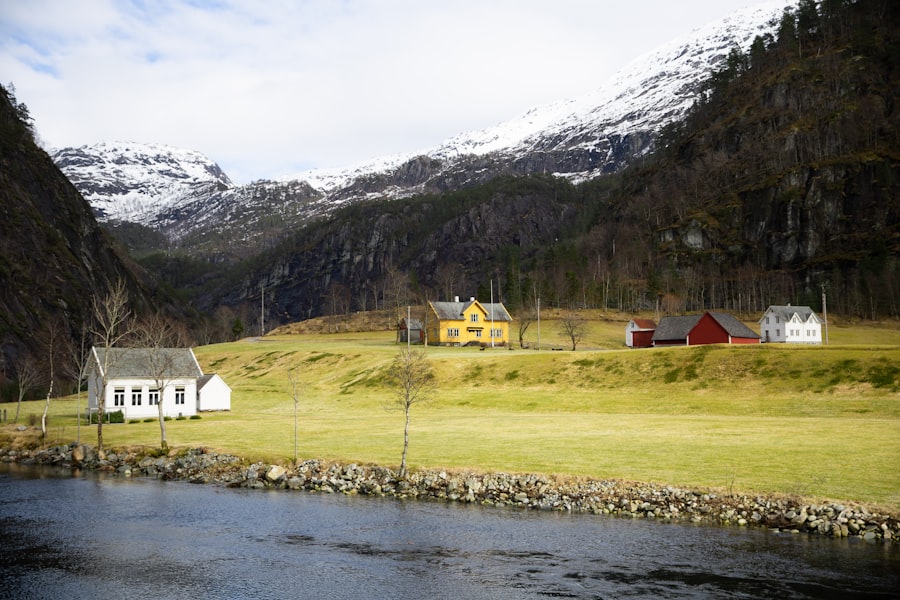
Inland Norway, with its vast mountain ranges and deep forests, offers a different, yet equally potent, set of landscapes. Literature from these regions often explores themes of isolation, resilience, and a profound respect for the untamed wilderness. The stories are shaped by the harshness of the climate and the need for self-sufficiency.
The Weight of the Past: History and Memory in Nynorsk Narratives
Nynorsk literature has consistently engaged with Norway’s long and often complex history. This engagement is not simply a recounting of events but an exploration of how historical experiences continue to shape contemporary identities and societal structures. The language itself, as a product of a reassertion of national identity, lends itself to narratives that delve into the past.
Tracing National Identity Through the Centuries
From the Viking Age to the periods of union with Denmark and Sweden, Norwegian history has been marked by moments of independence, subjugation, and resilience. Nynorsk authors have frequently revisited these epochs, seeking to understand the formation of the modern Norwegian character and the enduring spirit that has allowed the nation to overcome adversity.
The Shadow of Foreign Rule
The long centuries under Danish rule left an indelible mark on Norway. Nynorsk literature often explores the subtle and overt ways in which this period influenced Norwegian society and consciousness, and the gradual process of reclaiming a distinct cultural and linguistic identity.
The Dawn of Modern Nor
The establishment of the Norwegian constitution in 1814 and the subsequent push for full independence provided fertile ground for historical reflection. Nynorsk writers have explored this period of nation-building, celebrating hard-won freedoms while also acknowledging internal divisions and challenges.
Folklore and Oral Traditions as Historical Anchors
The rich tapestry of Norwegian folklore, with its trolls, huldras, and ancient legends, has served as a vital historical anchor for Nynorsk literature. These stories, passed down through generations, not only provide narrative material but also offer insights into the beliefs, values, and social structures of past societies.
Myth and Legend in Verse and Prose
Many Nynorsk poets and prose writers have drawn directly from these oral traditions. They have used traditional motifs and characters to comment on contemporary issues or to explore universal human themes through a distinctly Norwegian lens. This approach has helped to preserve and perpetuate these important cultural narratives.
The Echoes of the Norsk Farm
The traditional farmstead, an institution that was central to Norwegian rural life for centuries, frequently appears in Nynorsk literature as a symbol of continuity, tradition, and a connection to the land. Stories set on farms often explore intergenerational relationships and the cyclical nature of life and labour.
The Quiet Strength: Everyday Lives and Human Resilience
Beyond grand historical narratives and sweeping landscapes, Nynorsk literature excels at portraying the quiet strength and resilience of ordinary individuals navigating the challenges of everyday life. This focus on the human condition, often rendered with understated elegance and profound empathy, is a hallmark of the language’s literary tradition.
The Struggles and Triumphs of the Common Person
Many Nynorsk authors have dedicated their careers to giving voice to the uncelebrated lives of farmers, fishermen, factory workers, and homemakers. Their stories often highlight the daily grind, the economic hardships, and the societal pressures faced by these individuals, but also their capacity for joy, love, and perseverance.
Navigating Economic Hardship
Norway’s history is punctuated by periods of economic fluctuation, from the agricultural crises of the past to the boom-and-bust cycles of modern industry. Nynorsk literature has consistently reflected these economic realities, portraying how individuals and families have adapted and survived through difficult times.
The Significance of Family and Community
In a country where communities can be geographically dispersed, the bonds of family and close-knit community ties have often been paramount. Nynorsk literature frequently explores the dynamics of these relationships, highlighting the support systems and the sometimes-conflicting loyalties that shape individual lives.
The Nuances of Rural and Coastal Life
The distinct rhythms and social structures of rural and coastal communities are vividly captured in Nynorsk literature. The intimate knowledge of the sea, the land, and local traditions creates a unique literary texture that offers a deep understanding of these environments.
The Fisherman’s Tale
The perilous life of the fisherman, battling the elements and relying on age-old knowledge, is a recurring trope. These narratives often explore themes of courage, fate, and the deep respect required to coexist with the powerful forces of the ocean.
The Farmer’s Year
The cyclical nature of agricultural labour, dictated by the seasons and the demands of the land, forms the basis for many Nynorsk narratives. These stories often offer reflections on the relationship between humans and the earth, and the satisfaction derived from hard work and self-sufficiency.
From grammar to fluency: Perfect your Nynorsk skills with the dedicated teachers at NLS Norwegian Language School.
The Evolving Voice: Modern Nynorsk Literature and Contemporary Themes
While Nynorsk literature maintains a strong connection to its roots, it has also evolved significantly, engaging with contemporary issues and embracing new literary forms. Modern Nynorsk writers continue to explore the Norwegian experience, adapting their narratives to reflect the changing social, political, and technological landscape.
Addressing Societal Transformations
The rapid pace of change in modern Norway – from urbanisation and migration to shifts in family structures and evolving social norms – has provided new subject matter for Nynorsk authors. They are adept at examining these transformations through a distinctly Norwegian lens, often highlighting the interplay between tradition and modernity.
The Urban Experience Reimagined
While Nynorsk is historically associated with rural life, contemporary writers have increasingly explored urban environments and experiences through the language. This demonstrates the adaptability of Nynorsk as a medium for diverse narratives and perspectives.
New Horizons and Challenges
Modern Nynorsk literature grapples with issues such as globalisation, environmental concerns, and the rights of minority groups, often bringing a unique Nynorsk perspective to these universal dilemmas.
Experimentation in Form and Style
Contemporary Nynorsk authors are not afraid to experiment with different literary techniques and styles. This includes pushing the boundaries of narrative structure, exploring new forms of poetic expression, and engaging with a wider range of literary influences, while still retaining the distinctive voice that characterises Nynorsk literature.
Poetic Innovation
Nynorsk poetry has seen significant innovation, with poets experimenting with form, rhythm, and thematic content. This evolution reflects a vibrant contemporary literary scene that continues to push the language in new directions.
The Rise of the Nynorsk Novel
The Nynorsk novel has grown in stature and diversity, with authors tackling complex social issues, psychological dramas, and historical fiction. This growing body of work demonstrates the maturity and versatility of Nynorsk as a narrative medium.
The Enduring Significance: Why Nynorsk Literature Matters
| Metrics | Data |
|---|---|
| Number of Nynorsk Literature Works | 100+ |
| Number of Nynorsk Authors | 50+ |
| Publications in Nynorsk | Regularly published |
| Impact on Norwegian Culture | Significant |
Understanding Nynorsk literature is not merely an academic pursuit; it is an avenue to a deeper appreciation of Norway’s cultural identity, its historical trajectory, and the values that continue to shape its society. The language, born from a desire to articulate a distinct Norwegian voice, has fostered a literary tradition that is both deeply rooted and remarkably resilient.
A Mirror to the Norwegian Soul
Nynorsk literature offers an unvarnished reflection of the Norwegian character: its stoicism, its deep connection to nature, its strong sense of community, and its capacity for both quiet reflection and fierce determination. By engaging with these narratives, one gains insight into the very essence of what it means to be Norwegian.
Preserving a Unique Cultural Heritage
In a world increasingly dominated by global trends, Nynorsk literature serves as a vital guardian of a unique cultural heritage. It ensures that the linguistic and literary traditions that have sprung from the soil of Norway are not only preserved but also actively celebrated and passed on to future generations.
Fostering Linguistic Pride and Diversity
The existence and continued flourishing of Nynorsk literature contribute to a broader appreciation for linguistic diversity within Norway and beyond. It challenges the notion of linguistic homogeneity and underscores the value of multiple written standards.
Empowering Authentic Expression
For many Norwegians, Nynorsk represents a direct connection to their linguistic heritage and regional identity. Literature in Nynorsk provides a powerful platform for authentic self-expression, allowing individuals to articulate their experiences and perspectives in a way that resonates deeply with their cultural background.
The Linguistic Connection to Place
The specific nuances and vocabulary of Nynorsk are often tied to particular regions and landscapes of Norway. Literature written in Nynorsk allows for a more precise and evocative articulation of these connections, creating a powerful sense of place for the reader.
A Voice for the Less Heard
While Bokmål has broader reach, Nynorsk retains a significant role in certain regions and within specific cultural circles. Literature in Nynorsk continues to champion the narratives and voices that might otherwise be marginalised, ensuring a more inclusive and diverse representation of Norwegian life.
In conclusion, to truly discover Norway’s soul, one must venture beyond the well-trodden paths of its more dominant written standard and immerse oneself in the rich and profound world of Nynorsk literature. It is a journey that promises not only linguistic enrichment but also a deeper, more nuanced, and ultimately more authentic understanding of this captivating nation.
Master the beauty of Nynorsk with expert guidance at NLS Norwegian Language School—register today!