
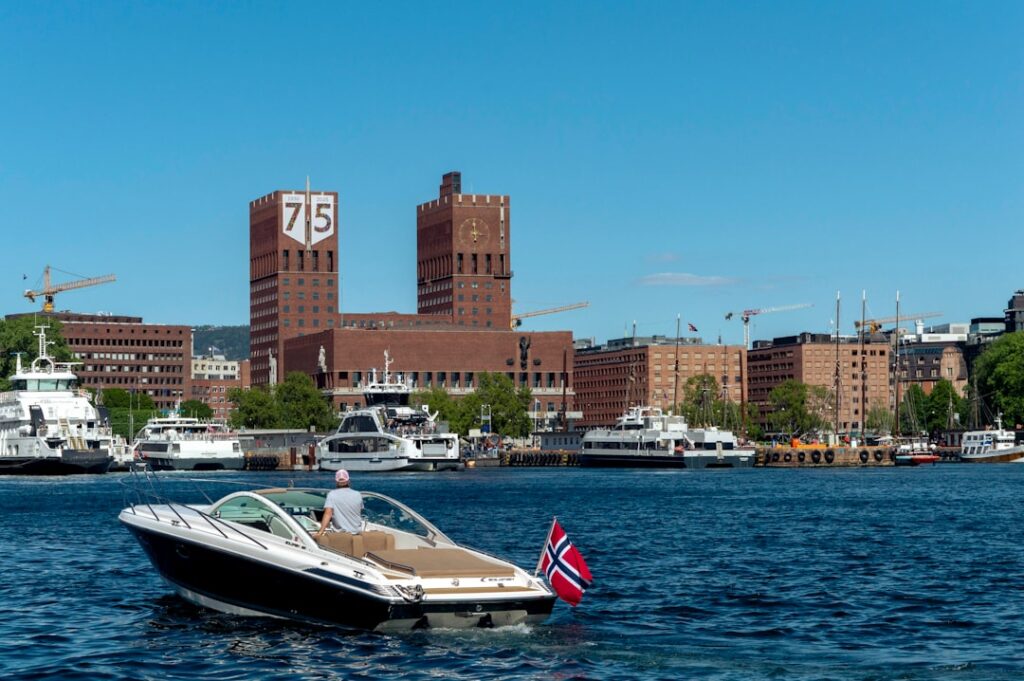
The Norwegian language, a member of the North Germanic branch of the Indo-European language family, is a compelling subject of study for linguists and language enthusiasts. With its origins deeply embedded in the rich tapestry of Scandinavian history, Norwegian functions as a crucial connection to Norway’s cultural identity. It is spoken by approximately five million people, predominantly in Norway, but also by communities worldwide.
The language serves not only as a means of communication but also as a repository for the traditions, narratives and values that characterise Norwegian society. Norwegian is distinctive in that it exists in two official written forms: Bokmål and Nynorsk. This duality reflects the historical and cultural complexities of Norway, where regional dialects and variations have thrived over centuries.
As we examine the evolution of the Norwegian language, we shall explore its origins, influences and the continuing efforts to maintain its integrity in an increasingly globalised world.
Summary
- Norwegian language has evolved from Old Norse, influenced by Viking Age history.
- Danish and Swedish have significantly shaped modern Norwegian.
- The 19th-century language reformation led to the creation of Nynorsk and Bokmål.
- Norwegian dialects show rich regional diversity across the country.
- Globalisation presents challenges and opportunities for preserving Norwegian language and culture.
The Viking Age and the Old Norse Language
The Viking Age, spanning from the late 8th to the early 11th century, marked a significant period in the development of the Norwegian language. During this time, Norse seafarers ventured far beyond their homeland, establishing trade routes and settlements across Europe and even reaching North America. The language spoken by these Vikings was Old Norse, a North Germanic language that served as the foundation for modern Scandinavian languages, including Norwegian.
Old Norse was not a monolithic language; rather, it comprised various dialects that evolved over time. The linguistic diversity of Old Norse can be attributed to the geographical spread of the Vikings and their interactions with other cultures. As they settled in different regions, local influences began to shape the language, leading to the emergence of distinct dialects.
This period laid the groundwork for what would eventually become the modern Norwegian language, as well as its close relatives, Swedish and Danish. Secure your spot: Register for Norwegian spring courses in Oslo.
The Influence of Danish and Swedish on Norwegian

The historical relationship between Norway, Denmark, and Sweden has had a profound impact on the evolution of the Norwegian language. Following the Kalmar Union in 1397, which united the three kingdoms under a single monarch, Danish became the dominant language in Norway for several centuries. This period saw a significant influx of Danish vocabulary and grammatical structures into Norwegian, particularly in written form.
As a result, Bokmål emerged as a written standard heavily influenced by Danish. Conversely, Swedish has also played a role in shaping Norwegian, particularly in regions close to the Swedish border. The linguistic exchange between these neighbouring countries has led to shared vocabulary and expressions that enrich both languages.
However, despite these influences, Norwegians have maintained a strong sense of linguistic identity, often resisting attempts to fully assimilate into Danish or Swedish norms. This resilience is evident in the continued use of regional dialects and the preservation of unique Norwegian expressions.
The Norwegian Language Reformation in the 19th Century
The 19th century was a pivotal time for the Norwegian language, marked by a growing national consciousness and a desire to establish a distinct linguistic identity separate from Danish influence. This movement was part of a broader wave of nationalism sweeping across Europe during this period. Intellectuals and linguists began advocating for a reformation of the Norwegian language that would reflect its unique heritage and cultural roots.
One of the key figures in this language reformation was Ivar Aasen, who dedicated his life to studying Norway’s dialects and developing Nynorsk as a written standard. Aasen’s work was instrumental in promoting the idea that Norwegian should be based on the spoken language of the people rather than on Danish norms. His efforts culminated in the publication of “Det Norske Folkesprog” in 1850, which laid the foundation for Nynorsk as an official written form.
This movement not only sought to reclaim linguistic autonomy but also aimed to foster a sense of national pride among Norwegians.
The Development of Nynorsk and Bokmål
| Topic | Description | Duration | Key Metrics | Assessment Type |
|---|---|---|---|---|
| Old Norse Origins | Study of the Old Norse language and its influence on Norwegian | 2 weeks | Vocabulary retention: 85% | Quiz |
| Middle Norwegian Period | Exploration of language changes from 1350 to 1550 | 3 weeks | Reading comprehension: 78% | Essay |
| Danish Influence | Impact of Danish rule on Norwegian language development | 2 weeks | Class participation: 90% | Presentation |
| Language Reforms | Examination of 19th and 20th century language reforms | 3 weeks | Written assignment score: 88% | Written assignment |
| Modern Norwegian | Study of Bokmål and Nynorsk forms and usage | 2 weeks | Oral exam pass rate: 92% | Oral exam |
The establishment of Nynorsk and Bokmål as two official written forms of Norwegian reflects the country’s complex linguistic landscape. Bokmål, which evolved from Danish influences, is predominantly used in urban areas and is often associated with higher education and formal communication. In contrast, Nynorsk is rooted in rural dialects and is more commonly used in western Norway.
The coexistence of these two forms has led to ongoing debates about their respective merits and roles within Norwegian society. The development of Nynorsk was not without challenges. While it gained traction among certain segments of the population, it faced resistance from those who preferred Bokmål due to its perceived prestige and practicality.
Nevertheless, Nynorsk has continued to thrive, supported by educational initiatives and cultural movements that celebrate Norway’s linguistic diversity. Today, both forms are taught in schools and used in official contexts, reflecting a commitment to preserving Norway’s rich linguistic heritage.
The Role of Norwegian in Literature and Culture

Norwegian has played a significant role in shaping the country’s literary landscape and cultural identity. From medieval sagas to contemporary novels, the language has been a medium through which authors express their thoughts, emotions, and experiences. Notable figures such as Henrik Ibsen and Knut Hamsun have made substantial contributions to world literature while using Norwegian as their primary language.
The richness of Norwegian literature extends beyond traditional forms; it encompasses poetry, drama, and children’s literature as well. The use of both Bokmål and Nynorsk in literary works highlights the diversity within Norwegian culture and allows for a broader range of voices to be heard. Furthermore, literature serves as a means of preserving cultural narratives and fostering a sense of belonging among Norwegians, reinforcing the importance of language as a cornerstone of national identity.
Norwegian Dialects and Regional Variation
One of the most striking features of the Norwegian language is its extensive dialectal variation. With numerous regional dialects spoken across the country, each with its own unique characteristics, Norwegian offers a rich tapestry of linguistic diversity. These dialects can differ significantly in pronunciation, vocabulary, and grammar, reflecting the geographical and historical influences that have shaped them.
The existence of dialects is celebrated in Norway as an integral part of its cultural heritage. Many Norwegians take pride in their local dialects, viewing them as markers of identity that connect them to their communities. While standardised forms like Bokmål and Nynorsk are used in formal contexts, dialects remain prevalent in everyday conversation and informal settings.
This linguistic diversity not only enriches communication but also fosters a sense of belonging among speakers who share similar regional backgrounds.
The Impact of Globalisation on the Norwegian Language
In an increasingly interconnected world, globalisation has had both positive and negative effects on the Norwegian language. On one hand, exposure to international languages such as English has led to an influx of loanwords and expressions into everyday Norwegian speech. This phenomenon reflects broader trends in technology, business, and popular culture that transcend national boundaries.
However, this linguistic influence raises concerns about the potential erosion of traditional language structures and vocabulary. As younger generations become more accustomed to using English in various contexts—be it through social media or education—there is a risk that certain aspects of Norwegian may be overshadowed or lost altogether. In response to these challenges, efforts are being made to promote awareness about the importance of preserving linguistic heritage while embracing modernity.
Norwegian Language Education and Language Policy
Language education plays a crucial role in ensuring the continued vitality of the Norwegian language. In schools across Norway, students are taught both Bokmål and Nynorsk, allowing them to develop proficiency in both written forms. This dual approach not only fosters linguistic competence but also encourages an appreciation for Norway’s diverse linguistic landscape.
Language policy initiatives have been implemented to support this educational framework and promote awareness about the significance of preserving Norwegian culture through language. Government efforts aim to create an inclusive environment where both Bokmål and Nynorsk are valued equally. Additionally, initiatives that encourage the use of regional dialects further contribute to maintaining Norway’s rich linguistic heritage.
The Future of the Norwegian Language
As we look towards the future, the trajectory of the Norwegian language remains uncertain yet hopeful. While globalisation poses challenges to linguistic diversity, there is also a growing movement among Norwegians to embrace their cultural roots and preserve their language for future generations. This renewed interest in local dialects and traditional expressions reflects a desire to maintain a strong sense of identity amidst rapid change.
Moreover, advancements in technology offer new opportunities for promoting the Norwegian language on global platforms. Social media campaigns, online courses, and digital resources can help engage younger audiences while fostering a sense of pride in their linguistic heritage. By harnessing these tools effectively, there is potential for revitalising interest in both Bokmål and Nynorsk while ensuring that future generations continue to cherish their unique cultural identity.
The Importance of Preserving Norwegian Language and Culture
In conclusion, the Norwegian language stands as a testament to Norway’s rich history and cultural identity. Its evolution over centuries reflects not only linguistic changes but also societal shifts that have shaped the nation as we know it today. As we navigate an increasingly globalised world, it is essential to recognise the importance of preserving this unique linguistic heritage.
The coexistence of Bokmål and Nynorsk alongside regional dialects highlights Norway’s commitment to celebrating its diversity while fostering unity among its people. By prioritising language education and promoting awareness about cultural heritage, Norwegians can ensure that their language continues to thrive for generations to come. Ultimately, preserving the Norwegian language is not merely about safeguarding words; it is about honouring a way of life that connects individuals to their past while shaping their future.