
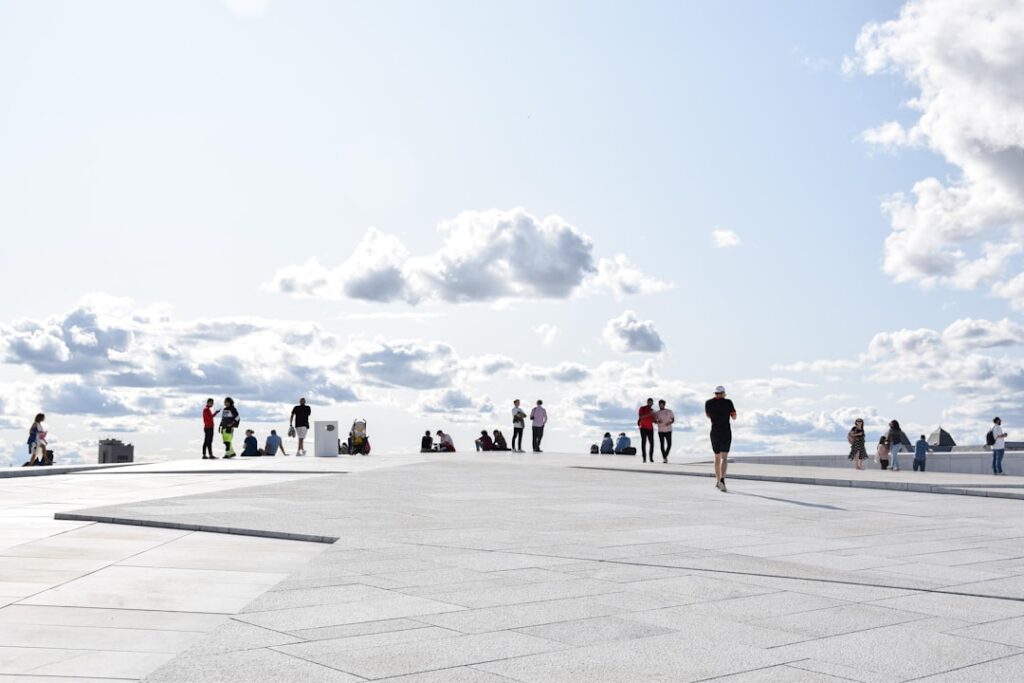
For individuals considering an intensive linguistic immersion during the warmer months, attending a Norwegian summer course in Oslo presents a focused opportunity for language acquisition. This guide aims to provide a comprehensive overview for prospective students, outlining practical considerations, academic expectations, and logistical planning. The NLS Norwegian Language School in Oslo offers a structured environment for language learning, catering to various proficiency levels and learning paces.
Why Choose a Summer Course in Oslo?
The decision to enrol in a summer language course is often predicated on the desire for accelerated learning within a compressed timeframe. Oslo, as the capital of Norway, provides a unique backdrop for such an endeavour, blending cultural exposure with dedicated study. Ready to master the language? Secure your spot at NLS Norwegian Language School today and join the most intensive Norwegian summer courses in Oslo!
Accelerated Language Acquisition
Summer courses, by their intensive nature, are designed to facilitate rapid linguistic progress. Unlike traditional academic semesters, which often spread learning over several months with fewer contact hours, summer programmes condense instruction into a shorter, more concentrated period. This “boot camp” approach can be particularly effective for individuals seeking to reach a specific proficiency level within a limited timeframe. The NLS Norwegian Language School’s offerings, for instance, are structured to maximise contact with the language, thereby creating an environment conducive to faster assimilation. Students are immersed in Norwegian not only during classroom hours but also through interactions within the city.
Cultural Immersion and Contextual Learning
Beyond the classroom, Oslo itself serves as an invaluable learning resource. The opportunity to apply newly acquired linguistic skills in real-world scenarios – from ordering food to engaging in basic conversations – provides immediate reinforcement and enhances comprehension. This practical application transforms abstract grammatical rules and vocabulary into functional tools. Cultural immersion, often a secondary objective for language learners, becomes an integral part of the experience. Exposure to Norwegian customs, social norms, and daily life intrinsically links the language to its cultural context, a process that enriches understanding beyond literal translation.
Seasonal Advantages of Summer Study
Attending a summer course in Oslo offers distinct advantages related to the season. The extended daylight hours provide more opportunities for outdoor activities and exploration after class, contributing to a holistic experience. The city’s parks, museums, and waterfront areas become more accessible, allowing students to balance their academic pursuits with leisure and cultural engagement. Furthermore, the summer months in Norway often feature various festivals and events, presenting additional opportunities for cultural immersion and informal language practice. Weather conditions are generally more favourable, making navigation and exploration of the city more comfortable.
Navigating Course Selection at NLS Norwegian Language School
The selection of an appropriate course is paramount to a successful learning experience. NLS Norwegian Language School offers a range of options designed to accommodate diverse needs and prior knowledge.
Proficiency Levels and CEFR Alignment
The NLS curriculum is meticulously aligned with the Common European Framework of Reference for Languages (CEFR), a widely recognised international standard for describing language ability. This alignment ensures that courses accurately reflect specific proficiency levels and that student progress can be objectively measured.
- A0 (Beginner Absolute): This level is designed for individuals with no prior knowledge of Norwegian. It covers foundational elements such as basic greetings, self-introduction, simple questions and answers, and rudimentary vocabulary. The focus is on establishing a base for oral and written communication.
- A1 (Beginner): Building upon A0, this course expands on basic communication skills. Students learn to understand and use common everyday expressions, introduce themselves and others, and ask and answer questions about personal details. The emphasis remains on practical, survival-level communication.
- A2 (Elementary): At this stage, learners develop the ability to understand sentences and frequently used expressions related to areas of most immediate relevance (e.g., very basic personal and family information, shopping, local geography, employment). They can communicate in simple and routine tasks requiring a direct exchange of information on familiar and routine matters.
- B1 (Intermediate): This level marks a significant step towards independent language use. Students can understand the main points of clear standard input on familiar matters regularly encountered in work, school, leisure, etc. They can deal with most situations likely to arise whilst travelling in an area where the language is spoken. They can produce simple connected text on topics that are familiar or of personal interest.
- B2 (Upper Intermediate): Learners at B2 can understand the main ideas of complex text on both concrete and abstract topics, including technical discussions in their field of specialisation. They can interact with a degree of fluency and spontaneity that makes regular interaction with native speakers quite possible without strain for either party. They can produce clear, detailed text on a wide range of subjects.
- C1 (Advanced): This, the highest level offered, targets individuals who can understand a wide range of demanding, longer texts and recognise implicit meaning. They can express themselves fluently and spontaneously without much obvious searching for expressions. They can use language flexibly and effectively for social, academic, and professional purposes. They can produce clear, well-structured, detailed text on complex subjects, showing controlled use of organisational patterns, connectors, and cohesive devices.
Course Lengths and Intensities
NLS offers flexibility in course duration and intensity to accommodate various learning preferences and schedules. The “intensive” nature of summer courses typically involves a higher number of contact hours per week compared to standard part-time courses.
- Standard Intensive: These courses generally involve daily classes, often for several hours, allowing for consistent exposure and rapid progression. They establish a solid rhythm for learning, acting as a constant drip rather than an occasional shower, ensuring continuous engagement with the language.
- Super Intensive: For learners seeking maximum acceleration, super intensive options may offer even more contact hours, potentially including additional workshops or conversational practice sessions. This level of intensity demands a high degree of commitment and self-discipline from the student.
- Flexible Schedules: Options for morning or afternoon sessions cater to individuals who may have other commitments or preferences regarding their study times. This flexibility allows students to integrate their language learning into their broader summer plans effectively.
Making the Right Choice
When selecting a course, prospective students should conduct an honest self-assessment of their current proficiency level. Utilising online placement tests, where available, can provide an objective assessment. Consider also your learning style and capacity for intensive study. If you are prone to burnout, a slightly less intensive but consistent course might be more beneficial than a super intensive one that could lead to fatigue. The goal is sustainable, effective learning, not just maximum hours.
Practicalities of Studying in Oslo
Beyond the academic component, a successful summer study experience necessitates careful planning regarding accommodation, living costs, and transportation.
Accommodation Options
Oslo offers a range of accommodation options, each with its own advantages and disadvantages in terms of cost, location, and amenities.
- Student Housing/Dormitories: During the summer months, some university dormitories or student housing facilities may open their doors to short-term visitors, including language students. These options are often cost-effective and provide a sense of community. They can be a melting pot, offering opportunities to interact with students from diverse backgrounds.
- Hostels: Hostels are a popular choice for budget-conscious travellers and often provide a vibrant, social atmosphere. Many offer private rooms in addition to dormitory-style accommodation.
- Short-Term Rentals (Airbnb, local platforms): For those seeking more independence and privacy, platforms like Airbnb or local Norwegian rental sites offer various apartments or rooms for short-term stays. This can be particularly appealing for longer courses.
- Homestays: While perhaps less common for short summer courses, some schools or agencies might facilitate homestays with Norwegian families. This offers an unparalleled opportunity for cultural immersion and constant language practice outside of class.
It is advisable to secure accommodation well in advance, especially during the peak summer tourist season, as popular options can be booked quickly.
Cost of Living and Budgeting
Oslo is known for its relatively high cost of living compared to many other European cities. Students should prepare a realistic budget to cover expenses such as food, transportation, personal care items, and leisure activities.
- Food: Eating out can be expensive. Utilising local supermarkets for groceries and preparing meals can significantly reduce food costs. Many supermarkets offer student discounts, and seeking out “tilbud” (special offers) can also be beneficial.
- Transportation: Oslo has an efficient public transportation system (Ruter) consisting of trams, buses, and ferries. Purchasing a weekly or monthly pass (depending on the course duration) often proves more economical than individual tickets. The city centre is also highly walkable.
- Student Discounts: Many establishments, including museums, galleries, and some restaurants, offer student discounts. Carrying a valid student ID is recommended.
Consider your personal spending habits and allocate funds accordingly. A detailed budget can act as a compass, guiding your financial decisions throughout your stay.
Transportation within Oslo
Oslo’s public transport network is comprehensive and reliable.
- Trams and Buses: These are the primary modes of transport within the city, serving most areas frequently.
- Metro (T-bane): The T-bane efficiently connects the city centre with outer districts.
- Ferries: Ferries serve the islands in the Oslofjord, offering both practical transport and scenic excursions.
- Bicycles: Oslo is a cycle-friendly city, and bike rentals are widely available. This can be an enjoyable and often quicker way to navigate shorter distances, especially during the summer.
Familiarising yourself with the Ruter app or website prior to arrival can aid in planning routes and understanding ticketing options.
Maximising Your Learning Experience
Attending a summer course is more than just classroom attendance; it’s about creating an ecosystem for learning.
Active Participation and Engagement
In the intensive environment of a summer course, active participation is not merely encouraged but often crucial for effective learning. Do not be a passive sponge, simply absorbing. Instead, be a participant, contributing to the flow of the classroom.
- In-Class Engagement: Speak up, ask questions, and volunteer answers. The classroom is a safe space for error, and each mistake is a stepping stone to mastery. Engaging with your instructors and peers creates a dynamic learning environment and clarifies areas of confusion.
- Group Work and Discussions: Actively participating in group exercises and discussions allows for practical application of new vocabulary and grammar in a collaborative setting. This mirrors real-world communication more closely than individual drills.
- Utilising Instructor Support: Instructors are a valuable resource. Do not hesitate to seek clarification on challenging concepts or request additional practice materials. Most teachers are keen to support proactive learners.
Immersion Beyond the Classroom
The classroom provides the structure, but the city provides the infinite practice field. Embrace immersion beyond scheduled lessons.
- Local Interactions: Seek out opportunities to use Norwegian in daily interactions. Ask for directions, order coffee, or inquire about products in a shop. Even simple exchanges build confidence and reinforce learning.
- Cultural Activities: Attend local events, visit museums, or join social groups. Many libraries offer free language cafés where you can practice with native speakers. This transforms language from an academic subject into a living, breathing component of your life.
- Media Consumption: Engage with Norwegian media. Watch Norwegian news, listen to Norwegian music or podcasts, or attempt to read simplified Norwegian texts. Even if comprehension is initially limited, this exposure helps to attune your ear to the rhythm and intonation of the language.
The Role of Self-Study
While intensive classroom instruction is highly effective, self-study acts as the necessary scaffolding, reinforcing and extending what is learned in class.
- Review and Consolidation: Dedicate time each day to review new vocabulary, grammatical concepts, and class notes. This consolidation prevents information from fading and solidifies understanding.
- Practice Exercises: Complete any assigned homework diligently. Seek out supplementary exercises online or in workbooks to address areas where you feel less confident.
- Vocabulary Building: Maintain a dedicated vocabulary notebook or use digital flashcard applications. Focus on learning words in context rather than in isolation to enhance retention and appropriate usage.
- Goal Setting: Set realistic daily or weekly self-study goals. For example, aim to learn 10 new words or review a specific grammar point for 30 minutes. Consistent, manageable effort is more effective than sporadic, intense bursts.
Think of self-study as the continuous lubrication that keeps the language acquisition machine running smoothly. Without it, the gears can grind due to lack of reinforcement.
Post-Course Continuation and Sustainment
The conclusion of a summer course should not signify the end of your language journey. Planning for continuation is crucial to solidifying your gains.
Maintaining Momentum
The intensity of a summer course can provide a significant boost to your language skills, but without continued effort, this momentum can dissipate.
- Further Study: Consider enrolling in an online course, a local language school in your home country, or an advanced course at NLS at a later date. This provides continued structure and pushes you towards higher proficiency levels.
- Online Resources: Utilise the vast array of online resources available for Norwegian learners, including language exchange platforms, educational apps, and Norwegian news outlets.
- Reading and Listening: Continue to read Norwegian books, articles, and listen to podcasts or music. Adjust the level of complexity to maintain engagement without overwhelming yourself. Even a small, consistent daily dose of Norwegian media can prevent regression.
Connecting with the Norwegian Community
Sustaining your language skills is often easier and more enjoyable when you remain connected to the language and culture.
- Language Exchange Partners: Find conversation partners, either online or in person, with whom you can regularly practice Norwegian. This provides invaluable speaking practice and can also be a social outlet.
- Norwegian Cultural Groups: Seek out local Norwegian clubs, cultural societies, or expatriate groups in your home area. These often provide opportunities to speak Norwegian and participate in cultural events.
- Travel and Revisit: Plan future trips to Norway. Having a tangible goal, such as returning to practise your improved Norwegian, can be a powerful motivator.
The Norwegian summer course in Oslo is not merely a destination but a launchpad. It provides the initial thrust, but the trajectory of your linguistic journey ultimately rests on your continued engagement and dedication. By integrating the structured learning at NLS with active real-world immersion and consistent self-study, students can achieve significant progress in their Norwegian language skills and foster a lasting connection with Norwegian culture.