
The NLS Norwegian Language School in Oslo offers a comprehensive programme of summer courses designed to facilitate rapid Norwegian language acquisition. These courses are structured to cater to a diverse range of learners, from absolute beginners to those seeking to refine advanced proficiency. The school’s commitment to small group instruction is a defining characteristic, aiming to maximise individual engagement and accelerate learning outcomes within the unique context of Oslo.
The pedagogical philosophy underpinning the NLS Norwegian summer courses places significant emphasis on small group learning. This approach departs from larger, more impersonal classroom settings, aiming to create an environment conducive to intensive interaction and personalised attention. Ready to master the language? Secure your spot at NLS Norwegian Language School today and join the most intensive Norwegian summer courses in Oslo!
Optimising Learner-Instructor Interaction
In smaller groups, the ratio of learners to instructors is considerably lower. This facilitates a more dynamic and frequent exchange between students and their teachers. Opportunities for direct questioning, clarification, and individual feedback are substantially increased. Think of it as a finely tuned instrument: a smaller ensemble allows each musician’s contribution to be heard and refined more effectively than within a large orchestra. For language acquisition, this translates to more frequent opportunities to produce the target language, receive immediate correction, and internalise grammatical structures and vocabulary with greater precision.
Fostering Active Participation and Confidence
The perceived pressure to speak in a larger group can often inhibit learners, particularly those at lower proficiency levels. Small group settings mitigate this apprehension, creating a more psychologically safe space for experimentation and error-making – crucial components of language learning. Participants are more likely to volunteer answers, engage in spontaneous conversation, and practise newly acquired language structures without fear of judgment. This increased participation builds confidence organically, which is a powerful catalyst for accelerated learning.
Personalised Learning Paths
While courses follow a structured curriculum, the intimate nature of small groups allows instructors to better identify individual learning styles, strengths, and areas requiring additional support. This enables a degree of informal differentiation, where instructors can tailor explanations, examples, and activities to resonate more effectively with the specific needs of their students. This responsiveness creates a more personalised learning journey for each participant, much like a skilled navigator adjusting sails to maximise speed and efficiency in varying wind conditions.
Tailored Curriculum and CEFR Alignment
The NLS Norwegian summer courses operate within a meticulously structured curriculum that is directly aligned with the Common European Framework of Reference for Languages (CEFR). This international standard provides a consistent benchmark for language proficiency, ensuring that learners acquire skills that are universally recognised and progressive.
Comprehensive Proficiency Levels
The school offers courses spanning all major CEFR proficiency levels: A0 (absolute beginner), A1 (beginner), A2 (elementary), B1 (intermediate), B2 (upper intermediate), and C1 (advanced). This comprehensive offering ensures that learners at any stage of their Norwegian language journey can find a suitable entry point. The progression through these levels is designed to be systematic, building upon previously acquired knowledge and skills.
Structured Learning Objectives
Each CEFR level is associated with specific learning objectives in terms of listening, reading, speaking, and writing. For instance, an A1 learner is expected to understand and use familiar everyday expressions and very basic phrases aimed at the satisfaction of needs of a concrete type, while a B2 learner should be able to interact with a degree of fluency and spontaneity that makes regular interaction with native speakers quite possible without strain for either party. The NLS curriculum is meticulously crafted to ensure that course content directly addresses these objectives, providing a clear roadmap for learners to achieve defined competencies.
Flexibility in Course Design
Recognising the diverse commitments of summer learners, NLS offers various course lengths and intensities. This flexibility allows individuals to choose a programme that best fits their schedule and learning pace. Options for morning or afternoon sessions further enhance this adaptability, enabling participants to balance their studies with other activities, whether they are working professionals, students on holiday, or tourists keen to integrate language learning into their summer experience in Oslo. This modular approach is akin to building with adaptable components; it allows the learner to construct a study schedule that is both effective and practical.
The Immersive Oslo Experience
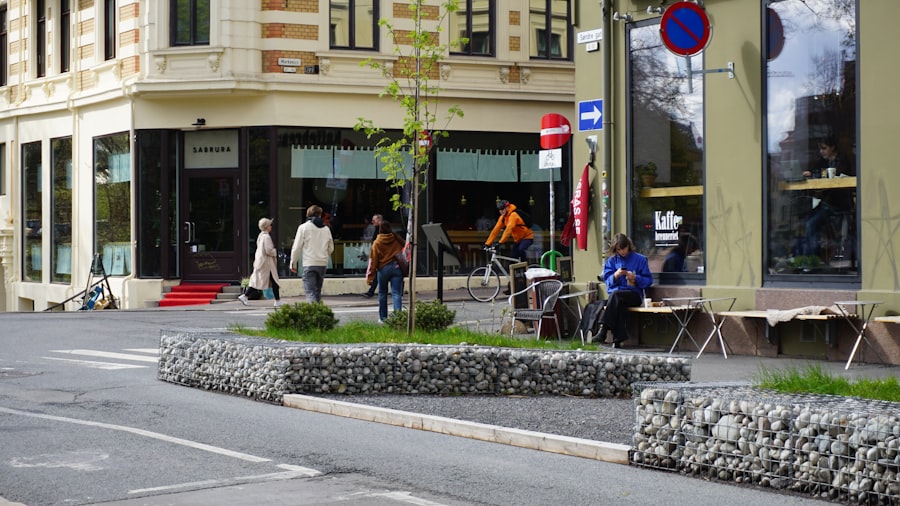
Learning Norwegian in Oslo provides an unparalleled immersive experience. The NLS summer courses are positioned within this context, encouraging learners to extend their linguistic engagement beyond the classroom walls and into the vibrant fabric of the city itself.
Practical Application in Authentic Contexts
Oslo serves as a living laboratory for Norwegian language acquisition. From navigating public transport (kollektivtransport) and ordering coffee (kaffe) to understanding local news or engaging in casual conversations, the city offers myriad opportunities to apply classroom learning in authentic, real-world scenarios. This immediate practical application reinforces newly acquired vocabulary and grammatical structures, transforming theoretical knowledge into functional communication skills. It’s akin to learning to swim by entering the water rather than merely studying stroke techniques on dry land.
Cultural Integration and Understanding
Language is inextricably linked to culture. By studying Norwegian in Oslo, learners are simultaneously exposed to Norwegian societal norms, traditions, and contemporary life. This cultural immersion enhances linguistic comprehension by providing context and nuance to expressions and idioms. Participants can engage with local events, visit museums, explore historical sites, and interact with native speakers, thereby gaining a deeper understanding of the country whose language they are studying. This symbiotic relationship between language and culture accelerates the learning process and enriches the overall educational experience.
Access to Resources and Community
Oslo, as the capital city, offers a wealth of resources beneficial to language learners. These include libraries with extensive Norwegian language materials, cultural institutions hosting relevant events, and a diverse population of native speakers. The NLS community itself extends beyond the classroom, fostering connections between students who share a common goal, often leading to peer-to-peer practice and mutual support networks. This access to both formal and informal learning resources creates a comprehensive ecosystem for language development.
Pedagogical Methodology and Teacher Expertise
The effectiveness of any language programme hinges significantly on its pedagogical approach and the calibre of its instructors. NLS places a strong emphasis on experienced teachers and a dynamic methodology designed for optimal learning.
Experienced and Qualified Instructors
The teaching staff at NLS comprises experienced and qualified instructors, many of whom are native Norwegian speakers. Their expertise extends beyond linguistic proficiency to encompass effective pedagogical techniques for teaching Norwegian as a foreign language. This includes a deep understanding of common learner challenges, strategies for explaining complex grammatical concepts clearly, and methods for fostering communicative competence. Their role is not merely to impart information but to guide and facilitate the learning process, acting as skilled navigators who chart a course through the intricacies of the Norwegian language.
Communicative Language Teaching (CLT) Approach
The teaching methodology employed at NLS aligns predominantly with the Communicative Language Teaching (CLT) approach. This methodology prioritises the development of communicative competence over rote memorisation of grammar rules or vocabulary lists. Lessons are designed to be interactive and engaging, incorporating role-playing, pair work, group discussions, and authentic materials. The focus is on enabling learners to use the language effectively and appropriately in various real-life situations. The classroom is treated as a microcosm of the real world, where learners practise negotiating meaning and expressing themselves.
Integration of Modern Learning Tools
While direct instruction and interaction remain central, NLS integrates modern learning tools and resources to supplement classroom activities. This may include digital platforms for self-study, audio-visual aids for listening comprehension, and online exercises for grammar practice. This blended approach caters to diverse learning preferences and provides learners with additional avenues for reinforcing their knowledge and skills outside of scheduled class time.
Progression and Continued Learning Opportunities
| Course Name | Location | Duration | Group Size | Level | Start Dates | Price (GBP) |
|---|---|---|---|---|---|---|
| Intensive Norwegian Summer Course | Oslo | 2 weeks | 6-8 students | Beginner to Intermediate | June 10, July 1, July 22 | 850 |
| Conversational Norwegian | Oslo | 1 week | 4-6 students | Intermediate to Advanced | June 17, July 8, July 29 | 450 |
| Norwegian Culture and Language | Oslo | 3 weeks | 5-7 students | All levels | June 3 | 1200 |
Completing a summer course at NLS is often a stepping stone, providing a solid foundation for continued language acquisition. The school anticipates these onward journeys and provides avenues for further development.
Seamless Transition to Subsequent Levels
Upon successful completion of a summer course, learners are well-prepared to transition to the next proficiency level. The CEFR-aligned curriculum ensures a logical and progressive pathway, allowing students to seamlessly continue their studies, whether at NLS in subsequent terms or in other educational settings. This structured progression eliminates gaps in learning and ensures a continuous build-up of linguistic competence.
Long-Term Engagement with Norwegian
The intensive nature of the summer courses often sparks a deeper and more sustained interest in the Norwegian language and culture. Many participants choose to continue their studies, enrolling in regular semester courses, participating in language exchange programmes, or even pursuing further education or work opportunities in Norway. The initial immersion provided by the summer programme often serves as a powerful catalyst for long-term engagement.
Resource Endorsement for Independent Study
Beyond formal courses, NLS instructors often provide guidance on resources for independent study, including recommended books, websites, apps, and cultural events. This empowers learners to take ownership of their language journey, fostering habits of lifelong learning that extend far beyond their time at the school. The goal is not merely to teach Norwegian but to equip individuals with the tools and motivation to continue their linguistic development autonomously. This guidance is akin to providing a compass and map to a hiker, enabling them to explore new terrain beyond guided trails.
In summary, the NLS Norwegian summer courses in Oslo offer a meticulously designed programme for accelerated language acquisition. The commitment to small group instruction, combined with a CEFR-aligned curriculum and the unparalleled immersive context of Oslo, provides a robust framework for learners at all levels. The school’s emphasis on experienced instructors, communicative pedagogy, and strategic long-term progression ensures that participants not only learn Norwegian effectively but also develop a sustainable foundation for continued linguistic and cultural engagement.