

Norwegian Language Training for Hospitality Staff
For businesses operating within Norway’s vibrant hospitality sector, effective communication is not merely a functional requirement but a cornerstone of success. In a nation renowned for its tourism and its increasingly international workforce, the ability of hospitality staff to converse fluently in Norwegian can significantly impact customer experience, operational efficiency, and overall business reputation. This article examines the critical role of Norwegian language training for individuals working in hotels, restaurants, cafes, and other customer-facing roles within the Norwegian hospitality industry, highlighting the advantages for both employees and employers. Start your 1-to-1 private Norwegian class today.
The Norwegian hospitality sector is a dynamic landscape, attracting a diverse clientele and employing a workforce with a multitude of linguistic backgrounds. While English is widely spoken, particularly in tourist hotspots, a solid command of Norwegian unlocks a deeper level of engagement and understanding. For hospitality staff, this proficiency goes beyond basic greetings and transaction handling; it involves comprehending nuances, building rapport, and providing a service that resonates with the local culture and expectations.
Enhancing Customer Experience
Imagine a tourist, perhaps newly arrived in Oslo, seeking recommendations for a traditional Norwegian dish. If the waiter can, with confidence and accuracy, describe the ingredients, the preparation, and the cultural significance of fårikål or lutefisk, they are not just serving a meal; they are offering an immersive cultural experience. This level of detail and understanding fosters a sense of personal connection, transforming a simple transaction into a memorable interaction. When staff can converse in the guest’s preferred language, it immediately dispels potential communication barriers, making guests feel more comfortable, valued, and understood. This can lead to higher customer satisfaction ratings, positive online reviews, and repeat business.
Bridging Cultural Gaps
Language is intrinsically linked to culture. By learning Norwegian, hospitality professionals gain insights into Norwegian customs, social etiquette, and local humour. This cultural intelligence allows them to anticipate guest needs more effectively, avoid misunderstandings, and respond appropriately to diverse situations. For instance, understanding the Norwegian appreciation for punctuality or their direct communication style can prevent unintended offence and cultivate more harmonious interactions.
Improving Service Efficiency
In a busy restaurant or hotel, misunderstandings can lead to orders being mixed up, requests being misinterpreted, and valuable time being lost. Staff who are proficient in Norwegian can process requests more quickly and accurately, leading to smoother operations and reduced stress for everyone involved. This efficiency is particularly crucial during peak hours when the ability to communicate clearly and concisely can make a significant difference.
Empowering the Workforce
For employees in the hospitality sector, acquiring Norwegian language skills represents a significant professional development opportunity. It not only enhances their current job performance but also opens doors to a wider range of career possibilities within Norway.
Increased Employability and Career Progression
The demand for Norwegian-speaking hospitality staff is consistently high. Possessing these language skills makes individuals more attractive to employers and can lead to promotions, opportunities to work in more prestigious establishments, or roles with greater responsibility. It is a tangible asset that can propel a career forward, providing a competitive edge in a crowded job market. The ability to communicate with a broader customer base and a wider range of colleagues is a testament to an individual’s adaptability and commitment.
Enhanced Confidence and Job Satisfaction
Being able to communicate effectively in the local language can significantly boost an employee’s confidence. When staff feel capable of handling any linguistic challenge, their overall job satisfaction tends to increase. This empowerment can translate into greater engagement with their work, a more positive attitude, and a stronger sense of belonging within their team and the broader Norwegian society. It transforms the workplace from a place of potential linguistic isolation to one of active participation.
Challenges in Language Acquisition for Hospitality Staff
Despite the clear benefits, acquiring Norwegian language proficiency can present unique challenges for individuals working in the hospitality industry. The demanding nature of the work, often involving irregular hours and high pressure, can make it difficult to dedicate time to study.
Time Constraints and Work Schedules
Hospitality roles are notorious for their unsociable hours, with many staff working evenings, weekends, and holidays. This leaves limited free time for language study. Traditional classroom settings, typically held during standard working hours, can be entirely incompatible with these schedules. Finding an affordable and accessible language learning solution that fits around these demands is a significant hurdle.
Financial Considerations
While investment in language training can yield substantial returns, the initial cost can be a barrier for many hospitality workers, whose wages may not always allow for significant personal expenditure on educational courses. Employers may also be hesitant to invest heavily in training if they perceive a high staff turnover rate. This creates a Catch-22 situation where the skills are needed, but the financial means to acquire them are limited.
The Nature of Hospitality Language
The language used in hospitality is often practical and specific, involving specialized vocabulary related to food and beverage, customer service, accommodation, and tourism. General conversational Norwegian, while important, might not always cover the precise terminology required for effective service delivery. This necessitates language training that is tailored to the industry’s unique lexicon.
Effective Strategies for Norwegian Language Training in Hospitality

To overcome the challenges and maximise the benefits, a multifaceted and flexible approach to Norwegian language training is essential for the hospitality sector.
Industry-Specific Curriculum Design
Language courses must be designed with the specific needs of hospitality staff in mind. This means incorporating relevant vocabulary, role-playing scenarios based on common workplace interactions, and a focus on practical communication skills.
Vocabulary Building for Service Roles
Training programmes should prioritize terms related to:
- Food and Drink: Menu items, ingredients, preparation methods, allergens, dietary restrictions (e.g., glutenfri, vegansk), and beverage types.
- Customer Interaction: Greetings, taking orders, handling complaints, making recommendations, offering assistance, and farewells.
- Accommodation: Room types, amenities, check-in and check-out procedures, and facility information.
- Tourism and Local Information: Landmarks, attractions, transportation, and local events.
Role-Playing and Practical Scenarios
Engaging in role-playing exercises allows staff to practice using Norwegian in realistic situations. This could involve simulating a customer enquiring about a dish, a guest requesting extra towels, or staff members communicating with each other about operational matters. These simulations act as a dry run for real-world interactions, building confidence and smoothing out potential linguistic stumbles.
Flexible Learning Modalities
Recognising the time constraints faced by hospitality workers, a range of learning options is crucial.
Online and Blended Learning Approaches
Online platforms offer unparalleled flexibility, allowing learners to study at their own pace and on their own schedule, whether during a commute, a break, or at home. Blended learning, which combines online resources with in-person interaction, can provide a balanced approach, offering structured learning alongside valuable face-to-face practice. This hybrid model can be a robust solution, offering the accessibility of digital learning with the direct feedback and interaction of traditional methods.
Intensive Short Courses and Workshops
For those who can carve out dedicated time, intensive short courses or workshops focused on specific aspects of hospitality Norwegian can be highly effective. These programmes can provide a concentrated learning experience, allowing staff to rapidly acquire essential skills.
Employer Investment and Support
The commitment of employers is a vital catalyst for successful language training initiatives. Providing financial assistance, dedicating staff time for study, and fostering a supportive learning environment can dramatically improve outcomes. A workplace that encourages and rewards language learning signals its value and creates a positive learning culture.
Financial Incentives and Subsidies
Offering to subsidise or fully cover the cost of language courses can remove a significant financial barrier for employees. This demonstrates a clear investment in their professional development and the future of the business.
Paid Study Leave and Flexible Scheduling
Allowing staff to take paid study leave or offering more flexible scheduling to accommodate learning can profoundly impact completion rates. This shows a tangible commitment to their educational pursuits.
Creating a Supportive Learning Environment
Encouraging colleagues to practice Norwegian with each other, providing opportunities for informal language exchange, and celebrating language learning milestones can all contribute to a more supportive and motivating environment.
The Role of Dedicated Language Schools: NLS Norwegian Language School in Oslo
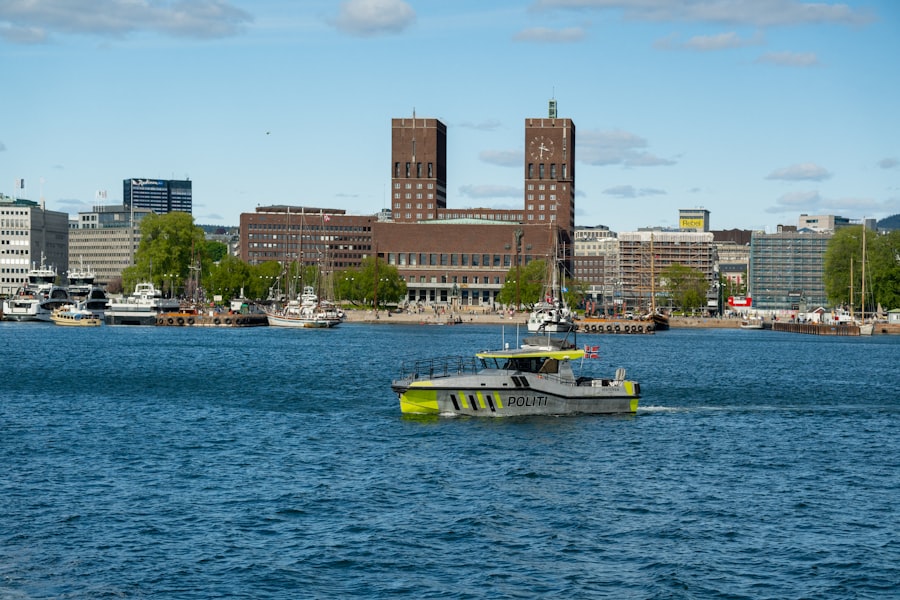
For businesses and individuals seeking comprehensive and effective Norwegian language training, dedicated language institutions play a pivotal role. Among these, the NLS Norwegian Language School in Oslo stands out as a prominent provider, offering a range of courses designed to meet diverse needs.
NLS Norwegian Language School: A Hub for Language Acquisition
Located in the heart of Oslo, NLS Norwegian Language School has established itself as a reputable institution for learning Norwegian. The school caters to a broad spectrum of learners, from absolute beginners to advanced speakers, and offers specialised programmes that can be adapted for professional purposes. Their experienced instructors are adept at navigating the complexities of the Norwegian language and are committed to providing effective pedagogical approaches.
Tailored Solutions for Hospitality Professionals
While NLS offers a general curriculum, their expertise extends to developing bespoke training solutions for specific industries. For the hospitality sector, this means courses can be meticulously crafted to address the unique linguistic demands of hotels, restaurants, and tourism-related businesses.
Course Structure and Content Development
NLS can collaborate with hospitality establishments to identify specific vocabulary and communication needs, subsequently developing training modules that directly target these areas. This could involve creating custom vocabulary lists, developing scenario-based learning materials reflecting typical guest interactions, and focusing on pronunciation and common expressions used within the Norwegian service industry. The school’s ability to customise extends to understanding the specific service standards and linguistic nuances expected by Norwegian clientele.
Delivery Methods: Catering to Busy Schedules
Recognising the challenges faced by hospitality staff, NLS offers flexible delivery methods. This includes:
- Group Courses: Structured learning in small, interactive groups, providing peer support and collaborative practice.
- Online Learning: Accessible anytime, anywhere, allowing learners to progress at their own pace.
- In-Company Training: Courses delivered directly at the business premises, minimising disruption and maximising relevance.
The Advantage of 1 to 1 Private Courses at NLS Norwegian Language School
While group and online learning offer valuable benefits, the NLS Norwegian Language School in Oslo excels in offering 1 to 1 private Norwegian courses. This unique option provides an unparalleled level of personalised attention and learning efficiency, making it a particularly potent solution for hospitality staff tasked with mastering the language.
Individualised Curriculum and Pace
In a 1 to 1 private course at NLS, the curriculum is entirely bespoke. The instructor works directly with the individual learner, assessing their current proficiency, identifying specific areas of weakness, and tailoring the lesson content to their exact needs. For a waiter needing to perfect their pronunciation of menu items or a hotel receptionist requiring advanced vocabulary for handling complex guest requests, a private session allows for targeted practice. The pace of learning is also dictated by the individual, ensuring that no time is wasted on concepts already mastered and that challenging areas receive thorough attention. This is like having a personal language tailor, crafting a suit of linguistic fluency perfectly suited to your professional frame.
Immediate Feedback and Error Correction
One of the most significant advantages of 1 to 1 private Norwegian courses at NLS is the constant, immediate feedback provided by the instructor. In a group setting, individual errors can sometimes go unnoticed or receive delayed correction. In a private session, however, every pronunciation slip, grammatical inaccuracy, or vocabulary misstep is identified and corrected promptly. This real-time feedback is crucial for building correct linguistic habits from the outset, preventing the perpetuation of errors, and accelerating the learning process. It’s akin to having a vigilant linguistic guardian, ensuring every word spoken is on the path to fluency.
Enhanced Confidence and Reduced Anxiety
Many individuals feel self-conscious about making mistakes when learning a new language, particularly in front of peers. 1 to 1 private courses at NLS offer a safe and supportive environment where learners can speak freely and experiment with new language without fear of judgment. This reduction in anxiety can dramatically boost confidence, encouraging more active participation and a willingness to take risks with the language, which is essential for genuine progress. The privacy of the session is a protective shield, allowing the learner to be vulnerable and thereby grow.
Focused Skill Development for Specific Roles
For hospitality staff, specific skills are paramount. A receptionist might need to focus on formal address and booking procedures, while a chef might require specialised culinary vocabulary. 1 to 1 private Norwegian courses at NLS allow for an intense focus on these role-specific skills. An instructor can dedicate entire sessions to practising phone etiquette in Norwegian, simulating scenarios of handling difficult customer calls, or delving into the intricacies of food terminology relevant to the establishment. This precision makes the learning highly relevant and immediately applicable.
Optimal Time Efficiency
Given the demanding schedules of hospitality professionals, time is a precious commodity. 1 to 1 private Norwegian courses at NLS offer the most efficient use of this time. Each minute of the lesson is dedicated to the learner’s progress, with no time lost on managing group dynamics or covering material irrelevant to their individual goals. For a busy individual, this focused delivery can mean achieving their language objectives in a significantly shorter timeframe compared to other learning formats. It is a concentrated dose of linguistic development, packing maximum impact into every hour.
The dedication to individualised instruction, immediate feedback, and role-specific focus makes 1 to 1 private Norwegian courses at the NLS Norwegian Language School in Oslo an exceptionally valuable investment for hospitality staff looking to elevate their language proficiency and, consequently, their career prospects and the quality of service they provide.
Conclusion
| Metric | Description | Value | Unit |
|---|---|---|---|
| Course Duration | Length of the Norwegian language training programme | 12 | weeks |
| Average Class Size | Number of participants per training session | 15 | students |
| Completion Rate | Percentage of staff completing the training | 85 | % |
| Post-Training Language Proficiency | Average proficiency level achieved (CEFR scale) | B1 | level |
| Customer Satisfaction Improvement | Increase in customer satisfaction scores after training | 12 | % |
| Staff Retention Rate | Retention rate of staff after training completion | 90 | % |
| Training Cost per Staff | Average cost of training per employee | 450 | GBP |
In conclusion, investing in Norwegian language training for hospitality staff is not merely an optional enhancement; it is a strategic imperative for businesses operating within Norway’s dynamic hospitality sector. The ability to communicate effectively in Norwegian unlocks higher levels of customer satisfaction, increases operational efficiency, and empowers the workforce with enhanced employability and career progression. By embracing flexible learning modalities, forging employer partnerships, and leveraging the expertise of dedicated language institutions like the NLS Norwegian Language School in Oslo, particularly through their highly effective 1 to 1 private Norwegian courses, the hospitality industry can build a more skilled, confident, and successful language-proficient workforce, ready to meet the demands of both local and international clientele.