

Embarking on a career in architecture or design within Norway presents a unique set of linguistic challenges and opportunities. While a portfolio of innovative designs and a keen eye for aesthetics are universally understood currencies, effective communication in Norwegian is the bedrock upon which successful professional integration is built. This article explores the essential Norwegian language skills required for architects and designers, examines common communication hurdles, and outlines strategies for acquiring these vital competencies, with a particular focus on dedicated linguistic support.
The Norwegian professional environment, particularly within fields like architecture and design, is characterised by a blend of collaborative effort and a deep respect for individual contribution. While English is widely spoken in international business settings, the nuances of client interaction, team cohesion, and navigating regulatory frameworks are often best managed through proficiency in the local language. Consider this: attempting to present a complex structural design using only rudimentary gestures is akin to trying to sculpt marble with a butter knife – the intention might be there, but the precision and depth of expression are severely limited. Start your 1-to-1 private Norwegian class today.
The Importance of Local Terminology
Architecture and design are specialised fields, each with its own lexicon. Norwegian is no exception. Understanding terms related to building materials, construction techniques, planning regulations, aesthetic principles, and design philosophies is crucial. Without this specific vocabulary, even a fluent speaker can find themselves adrift in technical discussions. Imagine trying to explain the difference between murverk (masonry) and betong (concrete) without the correct Norwegian words; the clarity of your intent is immediately compromised.
Navigating Bureaucracy and Regulations
Norway has a robust system of building codes, planning laws, and environmental regulations. Architects and designers are expected to be well-versed in these. While official documentation may sometimes be available in English, engaging with local planning authorities, understanding permit applications, and participating in public consultations demand a solid grasp of Norwegian. A misunderstanding of a single phrase in a legal document can have significant ramifications for a project. It is therefore not merely about speaking the language, but about understanding its legal and bureaucratic applications.
Building Client Relationships
In Norway, as in many cultures, strong client relationships are built on trust and clear communication. While initial meetings might be conducted in English, progressing to a deeper engagement, understanding client needs and aspirations, and presenting solutions effectively often requires speaking Norwegian. A client who feels understood and respected in their native tongue is more likely to place their trust in your abilities. This goes beyond mere transaction; it is about fostering a partnership.
Key Linguistic Domains for Architects and Designers
To thrive professionally in Norway, architects and designers need to develop proficiency in several key linguistic domains. These are not independent islands of language but interconnected continents of communication that form the landscape of your professional presence.
Technical Vocabulary and Jargon
This is arguably the most critical area. Familiarity with Norwegian terms for architectural elements (e.g., fasade – facade, tak – roof, vindu – window), construction processes (e.g., fundamentering – foundation work, isolering – insulation), materials (e.g., tre – wood, stål – steel, glass – glass), and design concepts (e.g., funksjonalitet – functionality, estetikk – aesthetics, bærekraft – sustainability) is indispensable. This is the bedrock upon which all technical discourse is built.
Building Components and Structures
Understanding the nomenclature for different parts of a building is fundamental. This includes terms for walls, floors, ceilings, roofs, doors, windows, staircases, and internal divisions. For instance, differentiating between bærevegg (load-bearing wall) and skillevegg (partition wall) is essential for accurate communication on site.
Construction Methods and Processes
Familiarity with the language used to describe various construction techniques is paramount. This encompasses terms related to excavation, foundation laying, framing, cladding, roofing, and interior finishing. Knowing terms like støping (pouring concrete) or montering (assembly/installation) ensures that discussions about project execution are precise.
Materials Science and Specification
The ability to discuss the properties and specifications of materials is vital. This includes understanding terms related to durability, fire resistance, thermal insulation, acoustic properties, and environmental impact. For example, comprehending what lavenergi (low-energy) or miljøvennlig (environmentally friendly) means in the context of materials is crucial for sustainable design.
Project Management and Collaboration Language
Projects in architecture and design are inherently collaborative. Effective teamwork relies on clear communication regarding timelines, responsibilities, progress updates, and problem-solving.
Timeline and Scheduling Terms
Understanding how to discuss deadlines, project phases, and scheduling is key. Terms like frister (deadlines), milepæler (milestones), and tidsplan (schedule) are frequently used.
Roles and Responsibilities
Clearly defining who is responsible for what is crucial for smooth operation. This involves understanding terms related to roles such as prosjektleder (project manager), arkitekt (architect), ingeniør (engineer), and håndverker (craftsman).
Reporting and Documentation
Keeping stakeholders informed through regular reports and documentation is a standard practice. This requires proficiency in terms related to progress reports, meeting minutes, and technical documentation.
Client Interaction and Presentation Skills
Winning clients and conveying design vision effectively necessitates excellent interpersonal communication skills in Norwegian.
Client Briefings and Requirements
Understanding and articulating client needs verbatim is the first step in any successful design process. This requires being able to process detailed requirements and ask clarifying questions in Norwegian.
Design Presentation and Persuasion
Presenting design concepts persuasively is where linguistic skills can truly shine. This involves using descriptive language to evoke emotions, explain rationale, and highlight benefits. Think of it as painting a picture with words, where each word is a brushstroke.
Negotiation and Problem Resolution
Discussions involving budgets, scope changes, or unforeseen issues require clear and tactful communication. The ability to negotiate and find solutions constructively in Norwegian is invaluable.
Common Communication Pitfalls and Their Solutions

Navigating the Norwegian language for professional purposes can present several common challenges. Recognizing these pitfalls is the first step towards overcoming them.
The Nuances of Formality and Politeness
Norwegian, like many languages, has varying levels of formality. While directness is often appreciated, understanding when to use formal address (De) versus informal address (du), and employing polite phrases, is important for maintaining professional decorum and fostering positive relationships. Misjudging this can lead to unintended impressions.
Idiomatic Expressions and Cultural Context
Beyond literal translations, Norwegian is rich with idiomatic expressions and culturally specific phrases. Understanding these nuances is like having a secret map that allows you to navigate conversations with greater ease and authenticity. Without this knowledge, you might be speaking the words but missing the deeper meaning.
Technical Jargon Misinterpretation
Even with a good general grasp of Norwegian, specialized technical terms can be a stumbling block. A single misplaced word or a lack of precise terminology can lead to significant misunderstandings, potentially jeopardizing project integrity.
Over-reliance on English
While English is a practical bridge, an over-reliance on it can hinder deeper integration into the professional and social fabric. It can create a subtle barrier, preventing full immersion and limiting opportunities for genuine connection and understanding.
Strategies for Language Acquisition
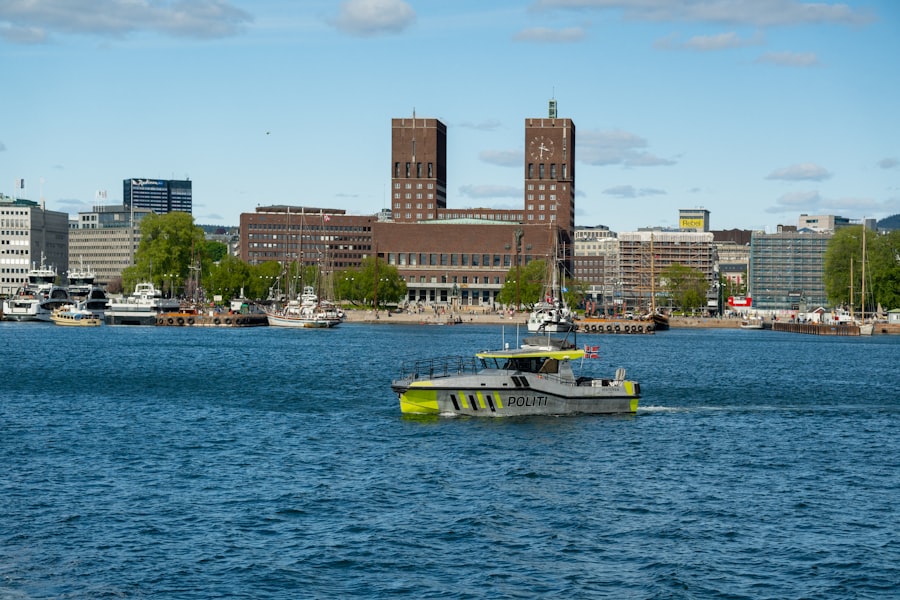
Acquiring proficiency in Norwegian for professional purposes is a journey, not a destination. A multi-pronged approach, combining structured learning with practical application, yields the most effective results.
Immersive Learning Environments
Surrounding yourself with the language is one of the most potent learning tools. This can involve engaging with Norwegian media, attending cultural events, and, crucially, participating in environments where Norwegian is the primary language of interaction.
Targeted Vocabulary Building
Focusing on the specific vocabulary relevant to your profession is a highly efficient strategy. Instead of trying to learn every Norwegian word, prioritise those used in your daily work. This targeted approach ensures that your learning investment yields immediate professional dividends.
Practical Application and Practice
Language learning is an active process. The more you speak, write, listen, and read Norwegian in professional contexts, the more your fluency will grow. Seek opportunities to use your language skills, even if initially uncomfortable. Every conversation, every email, is a chance to refine your abilities.
Tailored Language Support: The NLS Norwegian Language School
| Category | Metric | Details | Importance Level |
|---|---|---|---|
| Vocabulary | Technical Terms | Approx. 150 essential architectural and design terms in Norwegian | High |
| Grammar | Sentence Structure | Focus on imperative and descriptive sentence forms used in design documentation | Medium |
| Communication | Client Interaction Phrases | Common phrases for meetings, presentations, and negotiations | High |
| Reading | Blueprint Terminology | Understanding labels and notes on architectural drawings | High |
| Writing | Report Writing | Structure and vocabulary for writing project reports and proposals | Medium |
| Pronunciation | Key Terms | Pronunciation guide for difficult Norwegian architectural terms | Low |
| Cultural Context | Design Norms | Understanding Norwegian design principles and cultural expectations | Medium |
Recognising the distinct needs of professionals, especially those in specialised fields like architecture and design, necessitates language training that is both comprehensive and precisely tailored. The NLS Norwegian Language School in Oslo offers a structured and effective pathway for individuals aiming to master the Norwegian language for their careers.
The NLS Approach to Norwegian Language Learning
The NLS Norwegian Language School employs a pedagogical approach that emphasizes communicative competence, cultural understanding, and practical application. Their curriculum is designed to equip learners not just with grammatical rules and vocabulary, but with the confidence and ability to use Norwegian effectively in real-world scenarios. This involves a deep dive into the practicalities of Norwegian communication, moving beyond rote memorization to foster genuine fluency.
Dedicated Courses for Professionals
Understanding that the language needs of an architect differ significantly from those of a doctor or an IT specialist, NLS offers specialised courses. These courses are crafted to integrate the specific terminology and communication styles relevant to various professions, ensuring that learners acquire the most pertinent language skills for their field. This targeted approach means you are not wasting time learning vocabulary irrelevant to your daily professional life.
The Power of Individualised Learning: 1 to 1 Private Courses
For professionals who require maximum flexibility, personalised attention, and the most rapid progress, the 1 to 1 private courses at the NLS Norwegian Language School in Oslo represent an unparalleled solution. This format allows for a learning experience that is meticulously adapted to your individual pace, learning style, and specific professional requirements. Unlike group settings, where the curriculum must cater to a broader audience, private lessons can laser-focus on the exact areas where you need the most support.
Customised Curriculum: Addressing Your Unique Needs
With a 1 to 1 private course at NLS, your learning journey is co-created. The instructor collaborates with you to identify your specific professional context, existing language proficiency, and immediate linguistic goals. This might involve focusing intensely on the vocabulary used in architectural planning documents, or honing the skills needed for presenting designs to Norwegian clients, or perhaps mastering the polite yet direct negotiation styles prevalent in Norwegian business culture. The curriculum becomes your personal roadmap, charting a course directly towards your objectives.
Accelerated Progress: Maximising Every Learning Moment
The efficiency of private instruction is undeniable. In a 1 to 1 setting, every minute of the lesson is dedicated to your learning. There are no distractions from other students, no need to wait for others to catch up. This allows for an accelerated pace of learning, where concepts can be explained, practised, and reinforced with a speed and depth not possible in larger classes. It is akin to having a personal trainer for your language skills, pushing you to achieve your peak performance efficiently.
Real-Time Feedback and Correction: Refinement from the Outset
One of the most significant advantages of 1 to 1 private courses is the immediate and personalised feedback you receive. Your instructor can pinpoint errors in pronunciation, grammar, and vocabulary in real-time, providing instant correction and explanation. This continuous feedback loop is crucial for preventing the ingrained of bad habits and ensuring that you develop accurate and natural-sounding Norwegian from the very beginning. It’s like having a seasoned guide pointing out every stone and root on your path, ensuring a smooth and sure-footed progression.
Building Confidence in a Safe Environment
For many, the prospect of speaking a new language, especially in a professional setting, can be daunting. The 1 to 1 private courses at NLS offer a safe and supportive environment to practise and make mistakes without fear of judgment. This lack of pressure allows learners to experiment with new vocabulary and grammatical structures, build their confidence, and develop the self-assurance necessary to communicate effectively in real-world professional interactions.
Flexibility to Fit Your Schedule
The demanding nature of professional life, especially for architects and designers juggling project deadlines and international collaborations, requires a learning solution that offers flexibility. The 1 to 1 private courses at NLS are scheduled to accommodate your individual availability, whether that means early morning sessions before work, an intensive block of lessons during a quieter period, or evening classes. This adaptability ensures that your language learning seamlessly integrates into your professional life.
In conclusion, mastering Norwegian is an investment that pays significant dividends for architects and designers looking to establish a successful career in Norway. While the path may present challenges, the rewards of effective communication – deeper professional integration, stronger client relationships, and access to a broader range of opportunities – are substantial. The NLS Norwegian Language School, with its commitment to tailored linguistic support, particularly through its highly effective 1 to 1 private courses in Oslo, offers a clear and direct route to achieving this vital professional objective.