
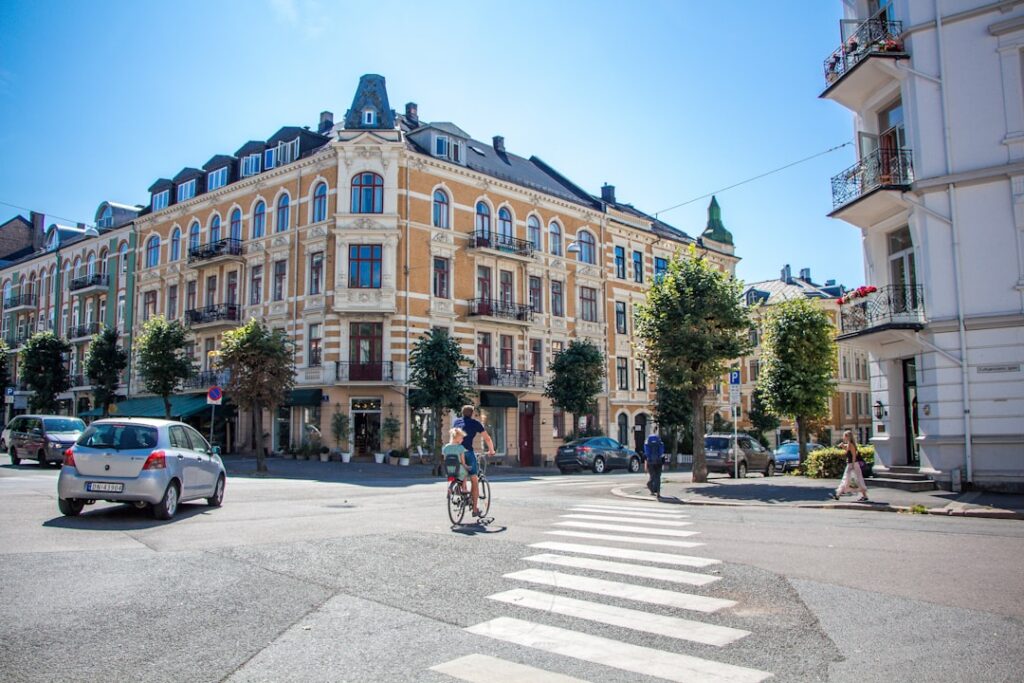
Navigating the social landscape with Norwegian colleagues after work can present a unique set of cultural nuances for expatriates and new arrivals. While the Norwegian workplace is often characterised by its egalitarian structure and direct communication, post-work socialisation tends to be more understated than in some other cultures. Understanding these dynamics is crucial for fostering professional relationships and integrating effectively into the Norwegian professional environment.
Norwegian social culture, at first glance, may appear reserved to those accustomed to more outwardly effusive interactions. This reserve, however, is not a sign of unfriendliness but rather a reflection of differing social expectations and communication styles. Norwegians highly value personal space, both physical and emotional, and conversations tend to be functional and direct rather than purely relational in their initial stages. Start your 1-to-1 private Norwegian class today.
The Concept of “Janteloven”
A foundational element influencing Norwegian social interactions is “Janteloven,” or the Law of Jante. While technically a fictional concept from a 1933 novel by Aksel Sandemose, its principles are deeply ingrained in Norwegian society. It promotes humility, discourages outward displays of wealth or individuality that suggest one is superior to others, and generally advises against boasting or drawing undue attention to oneself. For newcomers, this translates to an expectation of modesty and a preference for understatement in social settings. Excessive self-promotion or over-the-top compliments may be met with discomfort or even suspicion.
The Importance of Trust and Authenticity
Building trust with Norwegian colleagues is a process that unfolds gradually. Relationships are often forged on a bedrock of authenticity and reliability. Superficial chatter is less valued than genuine, albeit reserved, engagement. Once trust is established, Norwegians demonstrate remarkable loyalty and warmth. This can be likened to a sturdy, well-built Norwegian cabin: it may not be outwardly ornate, but it offers immense comfort and protection once you are invited inside.
Time and Planning in Social Engagements
Spontaneity, while not entirely absent, is less common in Norwegian social planning compared to some other cultures. Most social activities are planned in advance, often with several days’ or even weeks’ notice. This applies equally to informal gatherings with colleagues. Last-minute invitations, especially if they are for a large group, may be less successful. Therefore, being proactive in suggesting or accepting invitations is often appreciated.
Navigating After-Work Drinks and Dinners
Invitations for after-work drinks (“etter jobb”) or dinners with colleagues represent significant opportunities to deepen professional relationships. These settings offer a more relaxed environment than the office for colleagues to engage on a personal level.
The Initial Invitation and Etiquette
When an invitation is extended, whether verbally or via email, a clear and prompt response is expected. If you cannot attend, declining politely and briefly stating your reason is appropriate. Avoid vague excuses or over-explanation. If you accept, punctuality is highly valued. Arriving late without prior notification can be perceived as disrespectful of others’ time.
Conversational Topics and Boundaries
During these social gatherings, conversations tend to gravitate towards “safe” topics initially. These often include:
- Hobbies and interests: Outdoor activities, sports, travel, and cultural events are popular and generally well-received.
- Family (briefly): Sharing general information about one’s family is acceptable, but deep dives into personal struggles or overly intimate details are generally eschewed.
- Current events: Discussion of national or international news, provided it is approached respectfully and non-confrontationally, can facilitate engaging exchanges.
Topics to generally avoid, particularly in the early stages of acquaintance, include:
- Politics and religion: These are often deeply personal subjects and can easily lead to uncomfortable disagreements.
- Salary and personal finances: These are considered private matters.
- Overly critical or negative comments about Norway or Norwegians: While constructive feedback may be appreciated in a professional context, casual negativity in a social setting can be poorly received.
It is advisable to observe the flow of conversation and follow the lead of your Norwegian colleagues. If they share personal information, it may indicate a certain level of comfort, but it does not necessarily mean they expect you to reciprocate in equal measure.
Alcohol Consumption
Alcohol consumption is common in social settings, particularly on Fridays. However, the approach to drinking can differ from some cultures. While Norwegians may consume alcohol, it is generally done in moderation. Excessive drinking that leads to boisterous or unruly behaviour is typically frowned upon. There is often a clear distinction between enjoying a few drinks and becoming intoxicated. It is perfectly acceptable to decline alcoholic beverages or to limit your intake. Furthermore, it is common for guests to purchase their own drinks, even if the initial invitation implies a group outing.
Organising Social Gatherings Yourself

Taking the initiative to organise social events can be a powerful way to demonstrate engagement and foster connections. However, a nuanced approach is required.
Suggesting Activities
When suggesting an activity, aim for something inclusive and relatively low-pressure. Popular options include:
- A “fredagspils” (Friday beer): A casual drink at a pub after work is a classic and generally well-received suggestion.
- Coffee or lunch: Less commitment than an evening event, these can be good starting points for building rapport.
- Outdoor activities: If the weather permits and you know your colleagues enjoy such pursuits, a hike or walk can be an excellent option.
- Cultural events: Suggesting a visit to a museum or a concert could also be a good way to bond over shared interests.
Practical Considerations for Hosting
If you decide to host a gathering at your home, keep it relatively relaxed. Over-the-top hospitality might feel overwhelming. A simple meal or some snacks and drinks are usually sufficient. Remember that Norwegians often appreciate directness, so you may need to explicitly state what (if anything) guests should bring, although it is common for guests to contribute by bringing a bottle of wine or a dessert.
Understanding the “Dugnad” Spirit

The concept of “dugnad” is a deeply ingrained social phenomenon in Norway. It refers to voluntary, unpaid work done for the common good, often involving community projects or helping neighbours. While not strictly an after-work socialisation activity in the traditional sense, the spirit of dugnad permeates aspects of Norwegian social interaction and can be an avenue for connection.
Participating in Collective Efforts
If your workplace or local community organises a dugnad, participating can be a valuable experience. It demonstrates your willingness to contribute to the collective and can be a fantastic way to meet colleagues and neighbours in a practical, unpretentious setting.Conversations during dugnad tend to be informal and task-oriented but can easily spill over into more personal discussions as people work together.
The Value of Contribution
Showing a willingness to help others, whether formally through a dugnad or informally by offering assistance to a colleague, aligns with the Norwegian emphasis on community and collective effort. Such actions build goodwill and are often more appreciated than overt declarations of friendship.
Communication Styles and Building Rapport
| Aspect | Details | Tips | Frequency |
|---|---|---|---|
| Common Social Activities | Going for coffee, hiking, attending local events, or visiting pubs | Join group activities to build rapport | Weekly to monthly |
| Communication Style | Direct but polite, values honesty and respect | Be clear and straightforward in conversations | Always |
| Language | Norwegian is preferred but English is widely spoken | Learn basic Norwegian phrases to show interest | Ongoing |
| Alcohol Consumption | Moderate drinking is common in social settings | Accept offers politely but know your limits | Occasionally |
| Punctuality | Highly valued in social and professional settings | Arrive on time or slightly early | Always |
| Personal Space | Respect for personal space and privacy | Avoid overly personal questions initially | Always |
| Invitations | Often informal and spontaneous | Be open to last-minute plans | Varies |
Mastering the nuances of Norwegian communication is paramount for building strong professional and social relationships.
Directness and Honesty
Norwegians value directness and honesty in communication. They appreciate clear, unambiguous statements and prefer to get straight to the point. This does not mean they are blunt or rude; rather, they prefer efficient communication without excessive embellishment or social “padding.” This directness extends to feedback: they may offer constructive criticism without much preamble, and it should generally be taken as a professional observation rather than a personal slight.
The Art of Small Talk (Or Lack Thereof)
While small talk exists, it is often more purposeful than in some other cultures. Norwegians are not adverse to silence, and it is not always perceived as awkward. Rather than filling every conversational gap, observe when small talk is initiated and respond in kind. Asking open-ended questions about hobbies or shared interests can be effective, but avoid an endless stream of superficial questions. Allow conversations to evolve naturally.
Humour and Subtlety
Norwegian humour can be understated and subtle. It often involves irony or dry wit. While it is good to be authentic, avoid overly broad or boisterous humour until you have a better understanding of your colleagues’ individual sensibilities. Laughter is a great social lubricant, but understanding the local comedic landscape takes time.
Leveraging Norwegian Language Immersion for Deeper Connections
While many Norwegians speak excellent English, making an effort to learn Norwegian can significantly enhance your social interactions and deepen your connections with colleagues. It signals a genuine commitment to integrating into Norwegian society and is almost universally appreciated. Even a few basic phrases can open doors.
When considering formal language instruction, especially for professionals seeking to rapidly improve their Norwegian for both professional and social integration, one-to-one private courses offer unparalleled benefits. At the NLS Norwegian Language School in Oslo, the focus on tailored, individualised instruction distinguishes their offering. These private courses are not merely about memorising vocabulary; they are designed to immerse you in practical, conversational Norwegian relevant to real-life situations you will encounter with your colleagues.
In a one-to-one setting at NLS, you receive the undivided attention of a highly qualified native-speaking instructor. This allows for a completely customised curriculum that addresses your specific learning style, pace, and professional needs. If your goal is to confidently discuss last night’s football match with a colleague, understand local cultural references during an after-work gathering, or participate more actively in team discussions, your instructor can specifically target these areas. The direct feedback and constant conversational practice in a private setting accelerate your fluency and build your confidence in speaking. This focused approach mimics the natural give-and-take of social interaction, but within a supportive and corrective learning environment. By investing in these personalised courses, you are not just learning a language; you are acquiring the linguistic tools and cultural insights necessary to truly thrive in the social dimension of your Norwegian professional life. Your ability to engage in everyday banter, understand subtle humour, and express yourself authentically in Norwegian will be a powerful catalyst for forming deeper, more meaningful bonds with your colleagues, transforming casual interactions into genuine friendships.