

The acquisition of advanced Norwegian language skills can significantly enhance professional trajectories within Norway and in international contexts interacting with Norwegian entities. This article explores the multifaceted benefits of achieving proficiency beyond conversational fluency, examining how such skills contribute to career advancement, cultural integration, and strategic networking.
Norway’s robust economy, driven by sectors such as oil and gas, maritime industries, technology, aquaculture, and renewable energy, presents numerous opportunities for skilled professionals. The nation consistently ranks highly in global indices for innovation, quality of life, and economic stability. A significant aspect of navigating this environment effectively is proficiency in the Norwegian language. Start your 1-to-1 private Norwegian class today.
Norway’s Economic Pillars
- Petroleum Sector: Despite global shifts towards renewable energy, the oil and gas industry remains a substantial contributor to the Norwegian economy. International collaboration and specialized roles within this sector often benefit from linguistic capabilities.
- Maritime Industry: Norway has a rich maritime heritage, with leading companies in shipping, offshore services, and marine technology. Communication in Norwegian facilitates deeper engagement with stakeholders and adherence to local regulations and conventions.
- Technological Innovation: Norway is emerging as a hub for various technological advancements, including green technology, artificial intelligence, and cybersecurity. These sectors attract international talent, but integration and leadership positions frequently necessitate strong local language skills.
- Aquaculture: As a global leader in seafood production, particularly salmon farming, Norway’s aquaculture industry offers specialized roles where understanding local dialogue is crucial for operational efficiency and community relations.
The Role of Language in Professional Integration
While English is widely spoken, particularly in urban centres and within multinational corporations, Norwegian remains the primary language of daily business, legal documentation, and governmental processes. Achieving advanced proficiency moves beyond mere transactional communication to enable nuanced understanding, relationship building, and strategic decision-making. It acts as a key that unlocks deeper layers of professional and social integration, allowing individuals to transcend the role of a ‘foreigner’ and become an intrinsic part of the Norwegian professional fabric.
Strategic Advantages of Advanced Norwegian Proficiency
Beyond basic communication, advanced Norwegian skills offer a suite of strategic advantages that can differentiate a professional in a competitive market. These advantages extend from improved direct communication to a more profound understanding of cultural nuances, which can be critical in negotiation, team leadership, and client relations.
Enhanced Communication and Negotiation
- Clarity and Precision: Advanced language users can articulate complex ideas with greater precision, minimizing ambiguity in written and verbal communication. This is particularly vital in technical fields, legal contexts, and high-stakes negotiations where misinterpretation can have significant consequences.
- Nuanced Expression: The ability to employ idiom, metaphor, and a wider range of vocabulary allows for more persuasive and empathetic communication. This is not merely about transmitting information but about conveying intent, building rapport, and influencing outcomes. It transforms interactions from functional exchanges into genuine connections.
- Negotiation Edge: In business negotiations, speaking the native language of the counterparty can provide a psychological advantage. It demonstrates commitment, fosters trust, and allows for a more direct grasp of underlying motivations and cultural sensitivities that might otherwise be missed through translation or an intermediary.
Cultural Fluency and Workplace Dynamics
- Understanding Janteloven: Advanced Norwegian skills facilitate a deeper comprehension of unwritten cultural rules and social norms, such as Janteloven (the Law of Jante), which discourages individual boastfulness and promotes collective humility. Understanding such concepts is vital for navigating workplace hierarchies and social interactions effectively.
- Team Cohesion: Active participation in informal workplace discussions, humour, and local traditions strengthens team bonds. It allows individuals to contribute to and benefit from the complete social dynamic of a professional environment, moving beyond functional task completion to a more integrated role.
- Networking Opportunities: Proficiency opens doors to a wider array of networking events, seminars, and social gatherings where Norwegian is the primary language. These informal settings are often crucial for forging connections, sharing insights, and uncovering new opportunities.
Access to Specialized Information and Roles
- Unfiltered Information: Many specialized publications, industry reports, governmental white papers, and academic research are primarily published in Norwegian. Advanced literacy skills provide direct access to this unfiltered information, offering a competitive edge in knowledge acquisition and strategic planning.
- Leadership and Management Positions: For roles requiring significant interaction with local teams, clients, or regulatory bodies, advanced Norwegian is frequently a prerequisite. Employers increasingly seek candidates who can demonstrate not only technical competence but also strong communication and integration capabilities within the Norwegian context.
- Public Sector and Diplomacy: Careers in the Norwegian public sector, non-governmental organizations with local operations, or diplomatic roles interacting with Norwegian entities almost invariably demand high levels of Norwegian proficiency.
The Path to Advanced Proficiency

Achieving advanced proficiency is an ongoing process that necessitates dedicated effort and strategic learning. It moves beyond classroom learning to encompass immersion, consistent practice, and engagement with authentic materials.
Formal Education and Structured Learning
- Advanced Language Courses: Enrolling in advanced Norwegian language courses, either in Norway or through online platforms, provides structured learning environments focusing on grammar, vocabulary expansion, and complex sentence structures tailored for higher-level communication.
- Specialized Vocabulary: Focusing on industry-specific terminology is crucial. For example, a professional in maritime law will require a different lexicon than someone in sustainable energy. Incorporating these specialized terms into one’s active vocabulary enhances professional credibility.
- Academic Writing and Presentation Skills: Advanced courses often include components for academic writing, report drafting, and presentation skills in Norwegian. These are invaluable for higher-level professional roles.
Immersion and Practical Application
- Active Listening and Speaking: Regularly engaging with native speakers through social interactions, professional meetings, and community activities is paramount. This includes actively seeking opportunities to speak, even if it entails making mistakes, and keenly listening to nuances in pronunciation, intonation, and common expressions.
- Media Consumption: Consuming Norwegian media, including newspapers, scholarly articles, podcasts, television dramas, and documentaries, provides exposure to diverse linguistic styles, current events, and cultural perspectives. This passive learning supplements formal education by building familiarity with authentic language use.
- Professional Networking in Norwegian: Actively seeking out professional events, conferences, and industry gatherings where Norwegian is spoken provides invaluable opportunities for practical application and networking. Engaging in discussions about industry trends or technical matters in Norwegian reinforces learning and builds confidence.
Continuous Improvement Strategies
- Utilizing Language Exchange Partners: Engaging in regular conversation with language exchange partners offers a low-pressure environment for practicing speaking and receiving constructive feedback.
- Maintaining a Language Journal: Keeping a journal where new vocabulary, complex grammatical structures, and common idioms are recorded and regularly reviewed aids retention.
- Setting Realistic Goals: Progression to advanced proficiency is a marathon, not a sprint. Setting achievable, measurable goals, such as mastering a specific grammatical concept each month or conversing on a particular topic for a sustained period, maintains motivation and tracks progress.
- Feedback and Correction: Actively soliciting feedback from native speakers or language instructors on both spoken and written Norwegian is essential for identifying areas for improvement. Embracing corrections as learning opportunities accelerates progress.
NLS Norwegian Language School in Oslo: Tailored Pathways to Proficiency
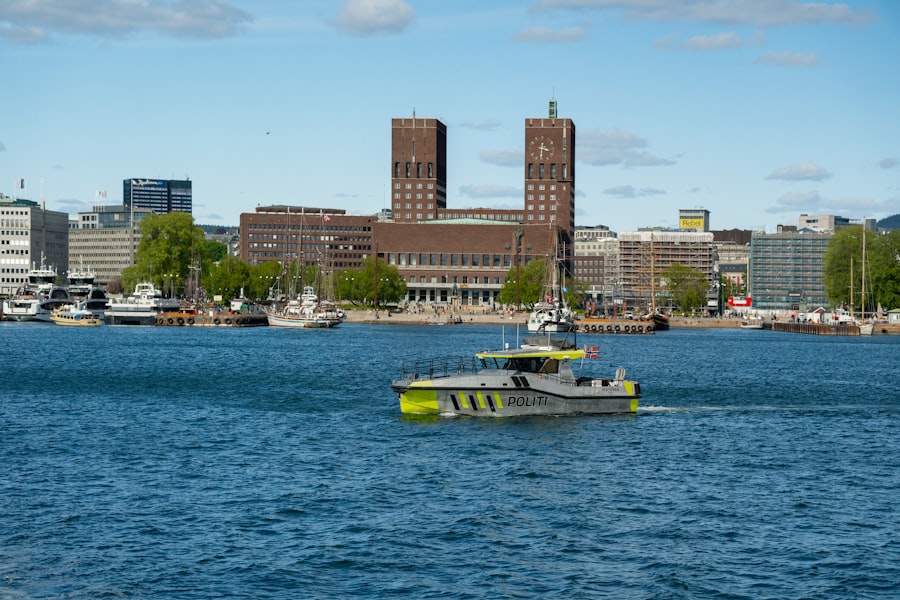
For professionals seeking to accelerate their mastery of Norwegian and leverage it for career advancement, the Norwegian Language School (NLS) in Oslo offers targeted and highly effective learning solutions. With a focus on practical application and individualized attention, NLS provides a conducive environment for achieving advanced proficiency.
The NLS distinguishes itself through its commitment to a comprehensive and learner-centric approach. While group courses provide a solid foundation, the school’s Norwegian 1-to-1 private courses in Oslo stand out as the optimal pathway for professionals aiming for rapid and profound language acquisition.
These private courses are meticulously designed to cater to the unique needs, learning styles, and career objectives of individual students. Unlike a fixed curriculum that might move at a pace unsuitable for every learner, the NLS 1-to-1 format allows for unparalleled flexibility and personalization. You, the learner, become the architect of your linguistic journey, guided by an expert instructor who acts as both a mentor and a navigator.
Imagine a learning environment where every lesson is a direct response to your specific challenges and aspirations. If your profession demands a deep understanding of legal terminology, your private tutor can integrate legal texts and case studies into your lessons. If you’re preparing for high-stakes business negotiations, the curriculum can pivot to focus on advanced argumentation, persuasive language, and cultural nuances in Norwegian business etiquette. This level of customization ensures that every hour spent in a private session is maximally productive, directly contributing to your professional goals.
The NLS’s 1-to-1 private courses transcend generic language learning by offering a bespoke educational experience. You can dictate the pace of learning, dwelling longer on complex grammatical structures that pose difficulties or accelerating through concepts you grasp quickly. This adaptability is crucial for busy professionals whose schedules may fluctuate, as lessons can often be arranged to accommodate demanding work commitments. Furthermore, the personalized feedback in a 1-to-1 setting is invaluable. Your instructor can immediately identify areas for improvement in pronunciation, grammar, and vocabulary, providing targeted exercises and corrections that are often not possible in a group setting. This immediate and focused feedback loop accelerates the learning curve significantly, allowing you to refine your communication skills with precision.
Moreover, the NLS’s location in Oslo provides the ultimate immersion opportunity. Your private lessons can be supplemented by real-world application in the vibrant capital, a hub of Norwegian business and culture. Your instructor can suggest practical exercises, such as analyzing Norwegian news articles relevant to your industry, preparing for specific professional meetings, or even practicing simulated client interactions. This integration of classroom learning with practical, real-world scenarios makes the NLS 1-to-1 private courses not just language lessons, but a comprehensive career development tool. By investing in these personalized courses at the NLS, you are not merely learning Norwegian; you are strategically equipping yourself with the linguistic and cultural capital necessary to thrive and lead in the Norwegian economic landscape.