
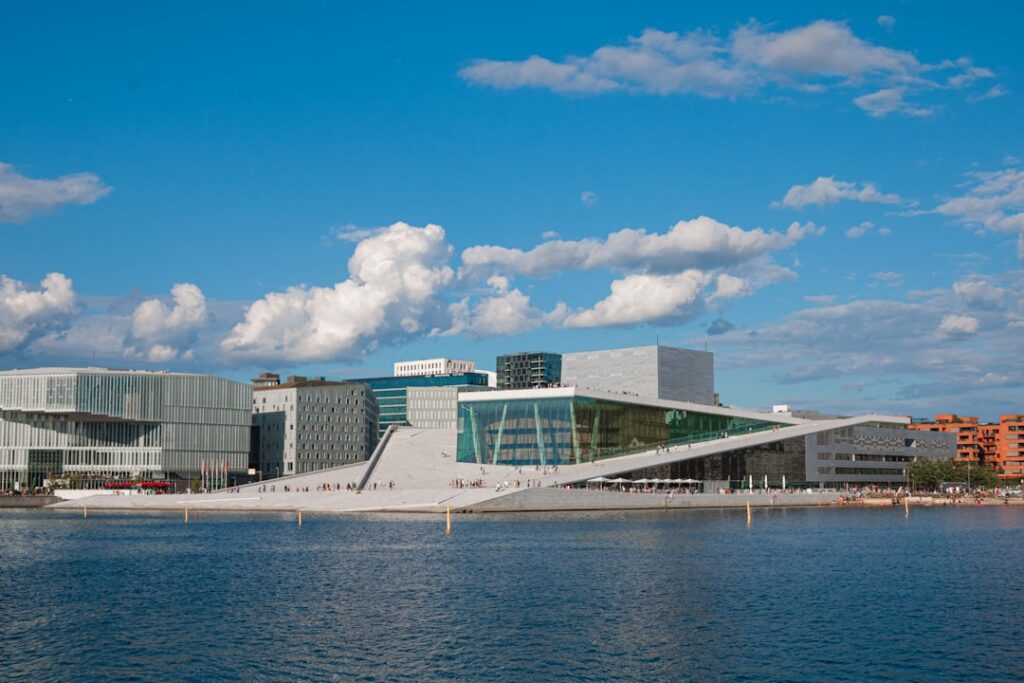
Describing one’s hometown constitutes a fundamental competency for candidates preparing for the Norskprøven A2 examination. This exercise demonstrates linguistic proficiency whilst enabling individuals to convey aspects of their personal background. The capacity to express the distinctive characteristics of one’s hometown enhances communication abilities and develops confidence in Norwegian language usage.
When preparing for the Norskprøven, candidates must establish a systematic method for describing their hometown, encompassing elements such as geography, culture, and personal experiences. This article examines the essential elements of hometown description. The discussion covers requisite vocabulary, geographical characteristics, climate, cultural aspects, historical sites, and personal narratives.
Upon completion of this guide, candidates will possess the appropriate resources to construct comprehensive and compelling hometown descriptions that meet examination standards and engage audiences effectively.
Summary
- Learn essential vocabulary to confidently describe your hometown for Norskprøven A2.
- Include details about geography, climate, culture, and history to create a well-rounded description.
- Use adjectives effectively to convey the atmosphere and environment of your hometown.
- Share personal experiences and recommend highlights to make your description engaging.
- Practice regularly using tips provided to improve your speaking skills for the exam.
Basic Vocabulary for Describing Your Hometown
To begin with, having a solid foundation of vocabulary is vital when describing your hometown. Familiarising yourself with relevant terms will enable you to express your thoughts clearly and concisely. Start by learning basic adjectives that can help paint a picture of your hometown.
Words like “vakker” (beautiful), “livlig” (lively), “rolig” (calm), and “historisk” (historical) can add depth to your descriptions. Additionally, it is important to know nouns related to your hometown’s features. For instance, terms such as “by” (city), “landsby” (village), “fjell” (mountain), “elv” (river), and “innbyggere” (inhabitants) can help you describe the physical characteristics of your area.
Furthermore, incorporating verbs like “besøke” (to visit), “bo” (to live), and “oppleve” (to experience) will allow you to convey actions associated with your hometown. By mastering this vocabulary, you will be better prepared to create a comprehensive and engaging description. Master the Norskprøven: Join Our Intensive Prep Course Today to enhance your Norwegian language skills efficiently.
Describing the Geography and Location of Your Hometown
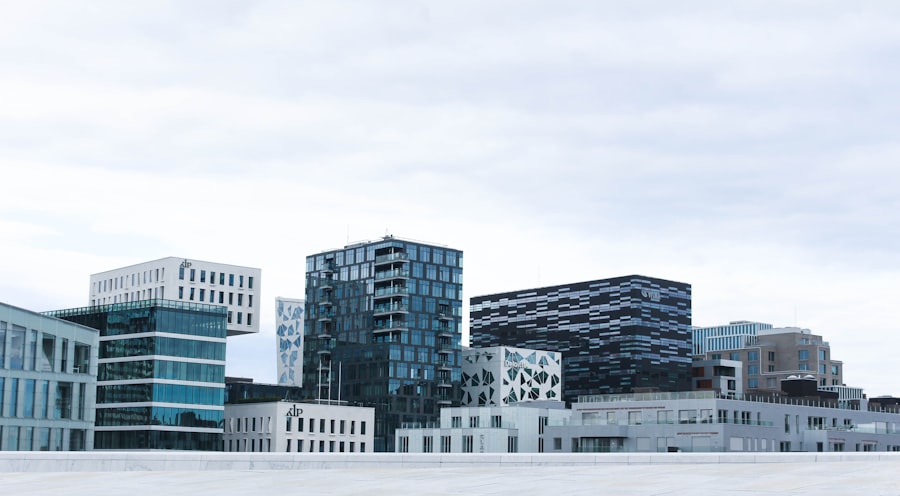
When discussing your hometown, it is essential to provide an overview of its geography and location. This information sets the stage for understanding the context in which your hometown exists. Begin by mentioning the region in which your hometown is located, whether it is in the north, south, east, or west of Norway.
For example, you might say, “Min hjemby ligger i den vakre regionen Vestlandet,” which translates to “My hometown is located in the beautiful region of Western Norway.” Next, describe the physical features that characterise your hometown. Is it surrounded by mountains, forests, or bodies of water? You could say, “Hjembyen min er omringet av majestetiske fjell og en glitrende innsjø,” meaning “My hometown is surrounded by majestic mountains and a sparkling lake.” Providing these details not only enriches your description but also helps listeners visualise the landscape of your hometown.
Talking about the Climate and Weather in Your Hometown
The climate and weather conditions in your hometown play a significant role in shaping its character and lifestyle. When discussing this aspect, consider mentioning the general climate type—whether it is coastal, continental, or mountainous—and how it affects daily life. For instance, you might say, “I hjembyen min har vi et maritimt klima med milde vintre og kjølige somre,” which means “In my hometown, we have a maritime climate with mild winters and cool summers.” Additionally, sharing specific weather patterns can make your description more relatable.
You could mention how often it rains or snows, or highlight any unique weather phenomena that occur in your area. For example, “Om vinteren får vi ofte snø som dekker landskapet i et vakkert hvitt teppe,” translates to “In winter, we often get snow that covers the landscape in a beautiful white blanket.” By incorporating these details, you provide a more comprehensive understanding of what it is like to live in your hometown.
Describing the People and Culture in Your Hometown
| Aspect | Description | Example Phrases | Tips for Norskprøven A2 |
|---|---|---|---|
| Location | Where your hometown is situated geographically | «Min hjemby ligger i sør-Norge.» | Use simple prepositions like “i”, “ved”, “nær”. |
| Size | Population or size of the town | «Det er en liten by med omtrent 10 000 innbyggere.» | Use basic numbers and adjectives like “liten”, “stor”. |
| Landmarks | Famous places or buildings in your hometown | «Det finnes en gammel kirke i sentrum.» | Use simple nouns and definite forms. |
| Nature | Natural surroundings such as mountains, rivers, or forests | «Det er mange skoger og en elv i nærheten.» | Use common nature-related vocabulary. |
| Activities | Popular activities or events in the town | «Folk liker å gå tur i fjellet.» | Use verbs in present tense and simple sentences. |
| Personal Feelings | Your opinion or feelings about your hometown | «Jeg liker hjembyen min fordi den er rolig.» | Use simple conjunctions like “fordi”, “men”. |
The people and culture of your hometown are integral to its identity. When describing this aspect, consider discussing the demographics of the population—such as age groups, ethnic backgrounds, and community spirit. You might say, “Innbyggerne i hjembyen min er vennlige og åpne,” meaning “The inhabitants of my hometown are friendly and open.” This statement not only reflects the character of the people but also sets a welcoming tone for your description.
Moreover, delve into cultural elements that define your hometown. This could include local traditions, festivals, cuisine, or art forms that are unique to the area. For instance, you could mention a popular local dish: “En av de mest kjente rettene fra hjembyen min er lutefisk,” which translates to “One of the most famous dishes from my hometown is lutefisk.” By highlighting these cultural aspects, you create a richer narrative that showcases the vibrancy of life in your hometown.
Discussing the History and Landmarks of Your Hometown
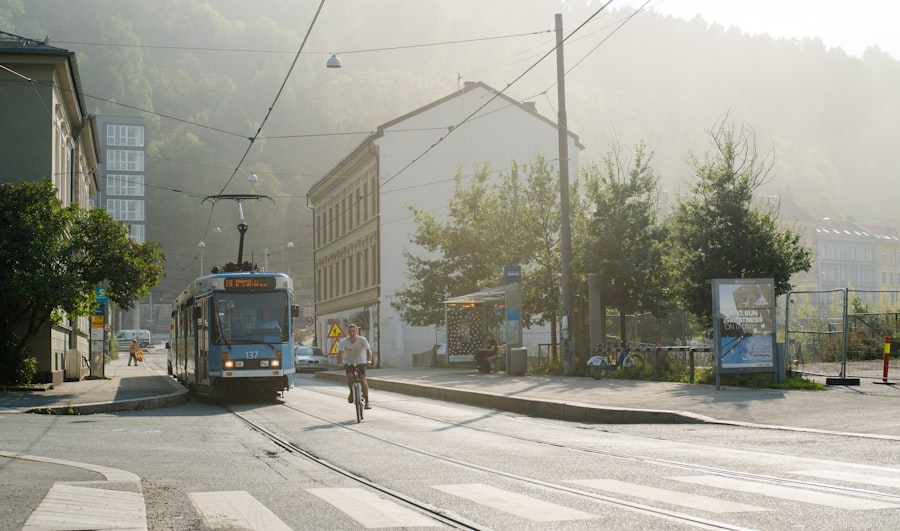
Every hometown has its own history and landmarks that contribute to its character. When discussing this topic, consider starting with a brief overview of significant historical events that have shaped your area. You might say, “Hjembyen min har en rik historie som går tilbake til middelalderen,” meaning “My hometown has a rich history that dates back to the Middle Ages.” This statement provides context and invites curiosity about what makes your hometown unique.
In addition to historical events, mention any notable landmarks or sites that are significant to your hometown’s identity. This could include churches, museums, parks, or monuments. For example, you could say, “En av de mest kjente severdighetene i hjembyen min er den gamle kirken som ble bygget i 1700-tallet,” which translates to “One of the most famous landmarks in my hometown is the old church that was built in the 18th century.” By incorporating these elements into your description, you create a sense of place that resonates with listeners.
Explaining the Economy and Industry in Your Hometown
Understanding the economy and industry of your hometown can provide valuable insights into its character and lifestyle. When discussing this aspect, consider mentioning the primary industries that drive the local economy. For instance, you might say, “Hjembyen min er kjent for sin fiskeindustri og turisme,” meaning “My hometown is known for its fishing industry and tourism.” This statement highlights key economic activities that shape daily life in your area.
Additionally, consider discussing how these industries impact the community and employment opportunities available to residents. You could mention local businesses or initiatives that support economic growth: “Det finnes mange små bedrifter som bidrar til å skape arbeidsplasser og styrke lokalsamfunnet,” which translates to “There are many small businesses that contribute to creating jobs and strengthening the local community.” By addressing these economic factors, you provide a well-rounded view of what life is like in your hometown.
Sharing Personal Experiences and Memories from Your Hometown
Personal experiences and memories add a unique touch to your description of your hometown. Reflecting on your own experiences can create an emotional connection with listeners or readers. Consider sharing anecdotes about memorable events or activities that have shaped your relationship with your hometown.
For example, you might say, “Jeg husker da jeg som barn pleide å spille fotball i parken med vennene mine,” which translates to “I remember when I used to play football in the park with my friends as a child.” Additionally, discussing how your hometown has influenced your personal growth can provide depth to your narrative. You could mention how certain experiences have shaped your values or aspirations: “Hjembyen min har lært meg viktigheten av fellesskap og samarbeid,” meaning “My hometown has taught me the importance of community and collaboration.” By sharing these personal insights, you create a more relatable and engaging description.
Using Adjectives to Describe the Atmosphere and Environment of Your Hometown
Adjectives play a crucial role in conveying the atmosphere and environment of your hometown. When describing these elements, consider using descriptive language that evokes imagery and emotion. For instance, you might say, “Hjembyen min har en livlig atmosfære med glade mennesker og fargerike bygninger,” which translates to “My hometown has a lively atmosphere with happy people and colourful buildings.” This statement paints a vivid picture of what it feels like to be in your hometown.
Furthermore, consider using sensory adjectives that appeal to sight, sound, smell, taste, and touch. For example: “Lukten av nybakt brød fyller gatene om morgenen,” meaning “The smell of freshly baked bread fills the streets in the morning.” By incorporating sensory details into your description, you create an immersive experience for listeners or readers.
Providing Recommendations and Highlights for Visitors to Your Hometown
If you want to make your description even more engaging, consider providing recommendations for visitors who may wish to explore your hometown. Highlighting local attractions or activities can give listeners insight into what makes your area special. For instance: “Jeg anbefaler å besøke den lokale kunstmuseet som har fantastiske utstillinger,” which translates to “I recommend visiting the local art museum that has fantastic exhibitions.” Additionally, consider mentioning any seasonal events or festivals that showcase the culture of your hometown: “Hvert år arrangerer vi en festival for å feire vår lokale kultur med mat og musikk,” meaning “Every year we organise a festival to celebrate our local culture with food and music.” By offering these recommendations, you not only enhance your description but also encourage others to experience the charm of your hometown.
Concluding Tips for Practicing and Improving Your Hometown Description Skills
As you prepare for the Norskprøven A2 level and work on describing your hometown effectively, there are several tips you can follow to improve your skills further. First and foremost, practice speaking about your hometown regularly. Engaging in conversations with native speakers or fellow learners can help reinforce vocabulary and boost confidence.
Additionally, consider writing down descriptions of different aspects of your hometown using varied vocabulary and sentence structures. This exercise will help solidify your understanding while allowing you to experiment with language use. Furthermore, recording yourself speaking about your hometown can provide valuable feedback on pronunciation and fluency.
Finally, remember that practice makes perfect! The more you immerse yourself in describing various elements of your hometown—whether through speaking or writing—the more comfortable you will become with expressing yourself in Norwegian. With dedication and effort, you’ll be well-prepared for the Norskprøven A2 level.
In conclusion, mastering the art of describing your hometown is an invaluable skill for anyone preparing for the Norskprøven A2 level. By focusing on vocabulary acquisition, geographical features, climate conditions, cultural elements, historical landmarks, personal experiences, economic factors, sensory descriptions, recommendations for visitors, and consistent practice techniques—you’re setting yourself up for success in both language proficiency and personal expression. As you embark on this journey towards mastering Norwegian language skills at NLS Norwegian Language School in Oslo through their specialized Norwegian Test Preparation course—remember that each step taken brings you closer to fluency!
Pass the Norskprøven with Confidence: Register for Prep Courses Now